Chuck Connors in Roots: The Role of Tom Lea Explained
In the groundbreaking 1977 television miniseries Roots, actor Chuck Connors delivered a career-defining performance as Tom Lea, a cruel, status-obsessed North Carolina slaveholder and cockfighter. Connors portrayed the villainous chara...
In the groundbreaking 1977 television miniseries Roots, actor Chuck Connors delivered a career-defining performance as Tom Lea, a cruel, status-obsessed North Carolina slaveholder and cockfighter. Connors portrayed the villainous character across multiple episodes, earning an Emmy Award nomination for his chilling depiction of racial violence, moral corruption, and complex Southern slaveholding dynamics.
Contents
Overview of Chuck Connors' Role in Roots
When ABC premiered the television adaptation of Alex Haley’s novel Roots in January 1977, it became an unprecedented cultural milestone. The miniseries traced the lineage of an African family from the capture of Kunta Kinte in the Gambia through generations of enslavement in the American South to emancipation.
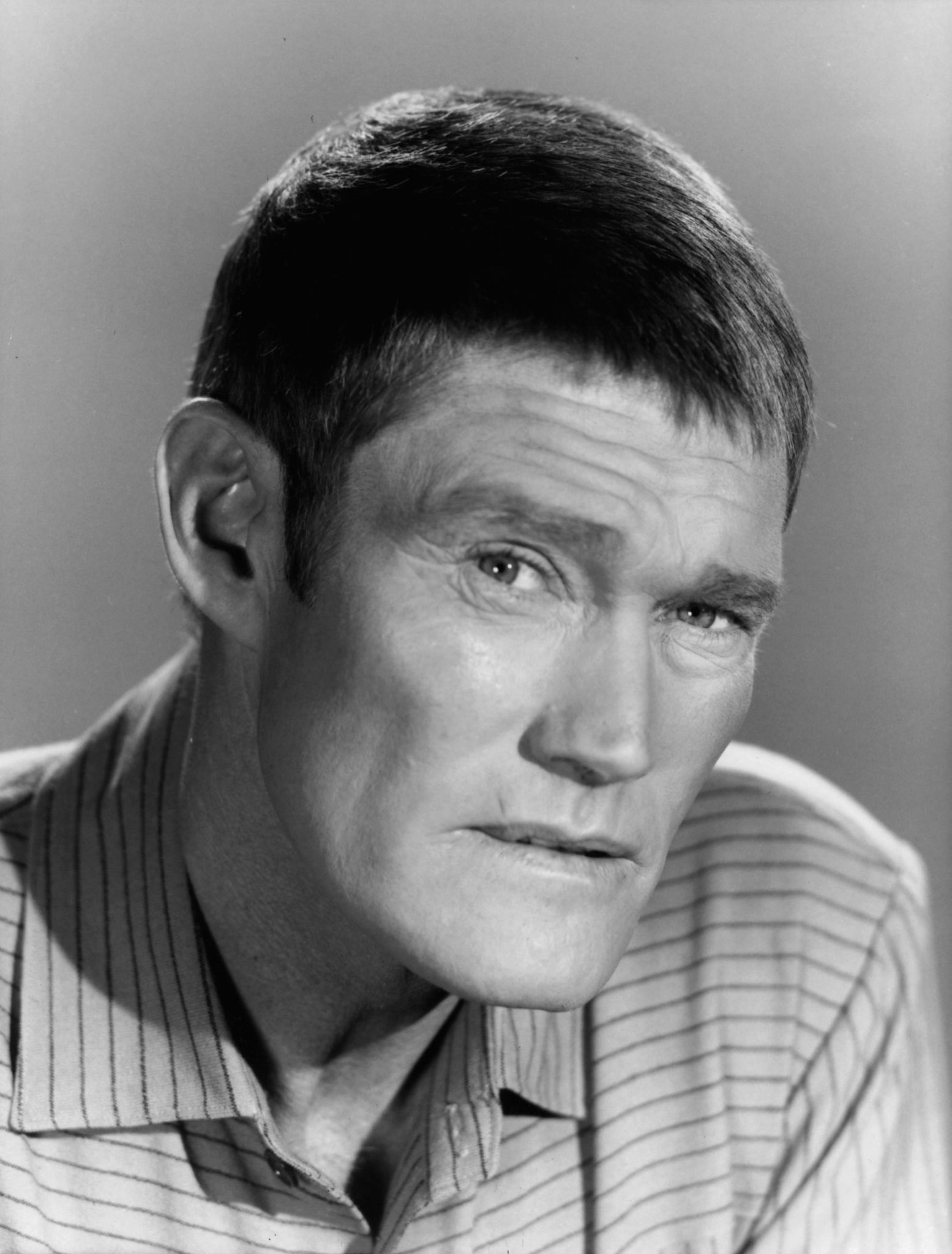
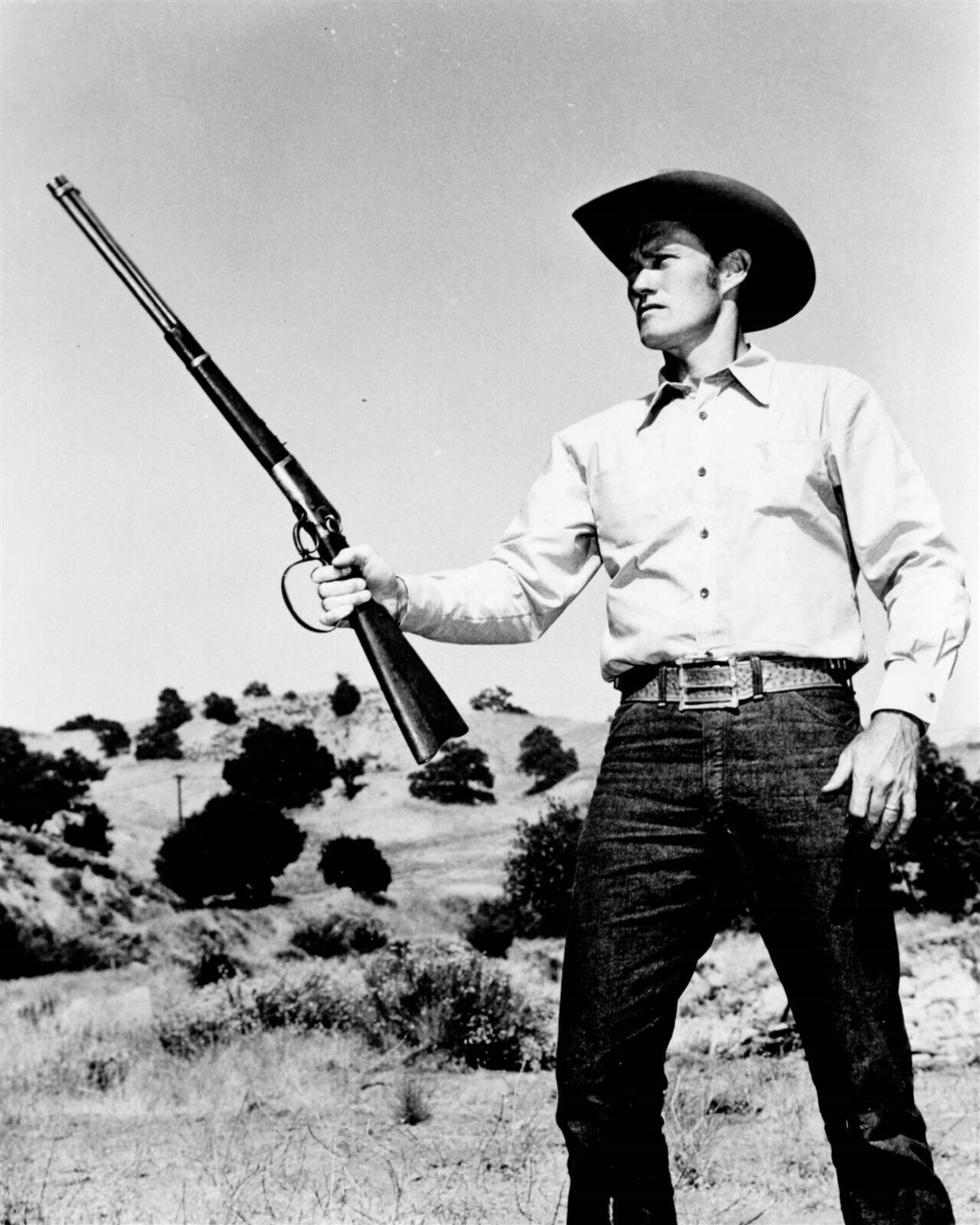
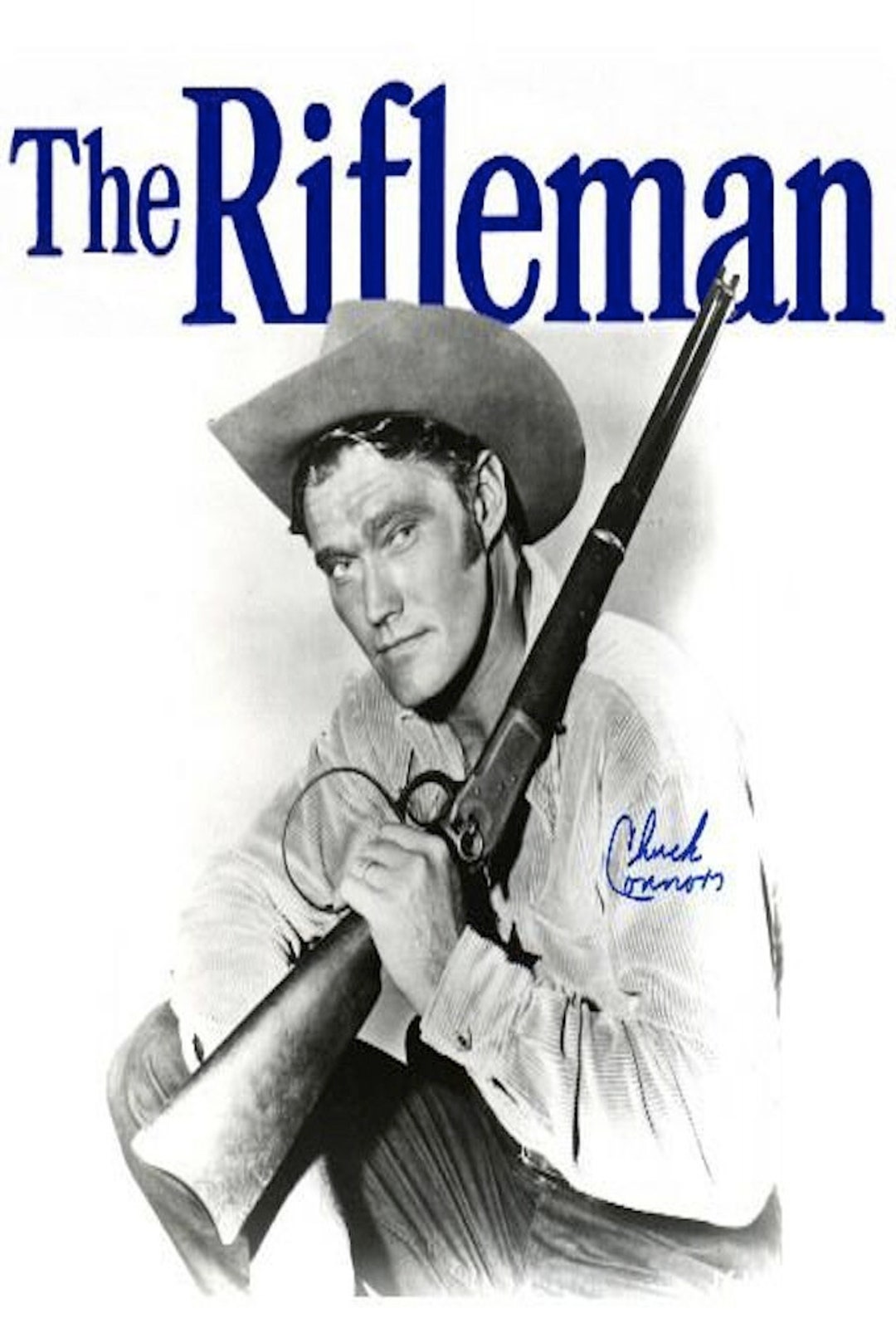
To capture the reality of antebellum chattel slavery, the producers cast prominent, well-liked American television actors in roles that shattered their traditional public images. None was a more stark departure than Chuck Connors, who had achieved international fame as the righteous, heroic father Lucas McCain in the hit western series The Rifleman (1958–1963).
In Roots, Connors took on the role of Tom Lea, an uneducated, lower-class white man who seeks social standing and wealth through gamecock fighting. Lea acquires Kizzy Reynolds—the daughter of Kunta Kinte—after she is sold away from the Reynolds plantation for writing a travel pass for an escaped enslaved man. Lea rapes Kizzy, fathering a son named George, who grows up to become the legendary gamecock handler known as "Chicken George" (played by Ben Vereen).
Connors’ portrayal of Tom Lea provided a brutal, unglamorized look at the psychological and physical violence of slavery, showing how economic insecurity, entitlement, and systemic racism coalesced in small-time slave owners.
Character Breakdown: Tom Lea and the Plot Arc
Tom Lea represents a specific socioeconomic class in the antebellum South: poor or lower-middle-class white men who used the institution of slavery and small-scale plantation ownership to mimic the aristocratic planter class. Unlike wealthy plantation owners, Lea lives in relative squalor, grounding his self-worth and financial survival in his gamecocks and the forced labor of those he enslaved.
- Kunta Kinte & Belle
- Kizzy Reynolds (raped by Tom Lea)
- Chicken George (George Lea)
- Kizzy Reynolds (raped by Tom Lea)
Purchase and Abuse of Kizzy
The narrative arc of Tom Lea begins when he purchases Kizzy (played by Leslie Uggams) following her separation from her parents. Stripped of her original identity and family, Kizzy is brought to Lea's farm in North Carolina. Shortly after her arrival, Lea assaults her, resulting in the birth of her son, George.
Throughout Kizzy's time on the farm, Lea exhibits a volatile mixture of casual cruelty, sexual violence, and petty insecurity. He refuses to acknowledge Kizzy as anything other than property, despite fathering her child.
The Rise of "Chicken George"
As George grows up, he demonstrates a natural talent for handling and training Tom Lea’s fighting cocks. Recognizing that George's skill could elevate his social standing among elite slaveholders and bring in substantial gambling revenue, Lea names him his primary bird handler—earning George the nickname "Chicken George."
The relationship between Lea and Chicken George is one of the most psychologically complex dynamics in Roots:
- Fatherhood Denied: Lea explicitly refuses to acknowledge George as his biological son, maintaining the legal and social barrier between master and slave.
- Exploitative Pride: Lea takes pride in George's accomplishments only because they reflect well on Lea's reputation in the pit.
- Fear of Betrayal: Lea remains hyper-vigilant, aware that George possesses superior intellect and skill, constantly using threats of violence or sale to maintain dominance.
The Downfall and Betrayal
The climax of Tom Lea's storyline occurs when his hubris leads to financial ruin. Eager to prove himself against an English aristocrat, Sir Eric Russell, Lea enters a high-stakes cockfight. Lea loses the match and cannot pay his massive gambling debts in cash.
To satisfy the debt, Lea agrees to send Chicken George to England to work off the balance as a bird handler for Sir Eric. This act breaks his long-standing promise never to sell George away from his family. Decades later, when a free Chicken George returns to North Carolina, he finds an impoverished, decrepit Tom Lea living alone, broken by his own greed and the collapse of his fortunes.
Subverting the Heroic Persona: From The Rifleman to Roots
For audiences in 1977, seeing Chuck Connors as Tom Lea was deeply jarring. For five seasons on The Rifleman, Connors had embodied Lucas McCain, a widowed Union veteran raising his son Mark with moral integrity, gentle wisdom, and swift justice on the Western frontier. McCain was an iconic hero of mid-century American television—a moral compass for millions of viewers.
By accepting the role of Tom Lea, Connors deliberately dismantled that wholesome persona. Producers of Roots, including executive producer David L. Wolper, intentionally chose established TV heroes (such as Connors, Lorne Greene of Bonanza, and Robert Reed of The Brady Bunch) to play white figures in the series. This casting strategy served two main purposes:
- Attracting Broad Audiences: Placing familiar, beloved actors in prominent roles encouraged mainstream American television viewers to tune into a painful narrative about slavery.
- Confronting Historical Reality: By forcing audiences to watch recognizable TV icons commit acts of racial cruelty, the miniseries challenged the romanticized myths of the American South and exposed the moral corruption inherent in white supremacy.
Connors approached the role without attempting to soften Lea's hideous traits. He played Lea as nervous, demanding, cowardly, and pathetic—a man driven by deep-seated inadequacies who inflicted trauma on others to feel powerful.
Critical Reception and Awards
Chuck Connors’ performance was recognized as one of the standout acting achievements of the 1977 television season. Critics lauded his ability to portray unmitigated villainy without turning the character into a caricature, showing the pathetic vanity behind Lea's cruelty.
Emmy Award Nomination
At the 29th Primetime Emmy Awards in 1977, Roots dominated the nominations. Chuck Connors received an Emmy nomination for:
- Outstanding Single Performance by a Supporting Actor in a Comedy or Drama Series (for Episode 5 of Roots).
Connors competed in a stacked category alongside several of his Roots co-stars, including Edward Asner (who played Captain Davies), Robert Reed (William Reynolds), and Louis Gossett Jr. (who won an Emmy for his role as Fiddler in the Lead Actor category). Asner ultimately won the Supporting Actor category for his performance in Roots, but Connors' nomination marked a major high point in his dramatic career.
Key Performance Comparison: Roots vs. Prior Roles
To understand how significant the role of Tom Lea was within Chuck Connors' filmography, it is useful to compare his work in Roots against his other iconic career roles.
| Metric / Aspect | The Rifleman (1958–1963) | Branded (1965–1966) | Roots (1977) |
|---|---|---|---|
| Character Name | Lucas McCain | Jason McCord | Tom Lea |
| Archetype | Righteous hero / Loving father | Disgraced officer seeking redemption | Ruthless slaveholder / Abusive father |
| Moral Standing | Exceptionally high | High (wrongfully accused) | Corrupt, cowardly, abusive |
| Key Relationships | Supportive father to Mark McCain | Solitary wanderer | Exploitative abuser of Kizzy & George |
| Critical Recognition | Established TV stardom | Popular Western hero | Emmy Award Nominee |
| Narrative Function | Protects the innocent and upholds law | Seeks justice and personal honor | Drives generational trauma for Kinte family |
The Legacy of Tom Lea in Television History
The character of Tom Lea remains a historical study in how television dramatizes systemically enforced power dynamics. Prior to Roots, American network television rarely depicted the sexual violence and psychological oppression of chattel slavery with such directness.
Connors' portrayal highlighted key historical truths:
- Slavery's Reach Beyond Wealthy Elites: Tom Lea demonstrated that small-holders—who owned only a few enslaved people—were often among the most volatile and brutal masters due to their financial instability.
- Intergenerational Trauma: The relationship between Lea, Kizzy, and Chicken George underscored how slavery torn families apart and denied paternal accountability across generations.
- The Demise of the Southern Myths: Rather than depicting slaveholders as courtly chivalrous gentlemen, Connors showed the harsh reality of petty, self-absorbed men who exploited others for personal gain.
Film and television historians frequently cite Connors' performance as a masterclass in anti-heroic character work, proving that established star power could be effectively weaponized to deliver difficult historical truths.
Frequently Asked Questions
Who did Chuck Connors play in Roots?
Chuck Connors played Tom Lea, a small-time North Carolina plantation owner, gamecock fighter, and slaveholder who buys Kizzy Reynolds, rapes her, and fathers Chicken George.
Did Chuck Connors win an Emmy for Roots?
No, Chuck Connors was nominated for a Primetime Emmy Award in 1977 for Outstanding Single Performance by a Supporting Actor in a Comedy or Drama Series, but he did not win. His co-star Edward Asner won the category for his performance in the same miniseries.
How does Tom Lea fit into the family tree in Roots?
Tom Lea is the biological father of Chicken George (George Lea), whom he fathered by raping Kizzy Reynolds. This makes Tom Lea the biological grandfather of Tom Harvey and the great-grandfather of author Alex Haley.
Why was Chuck Connors' casting in Roots significant?
Connors was best known for playing the moral, heroic father Lucas McCain in The Rifleman. Casting him as the abusive, villainous Tom Lea subverted his public image and forced mid-century American television viewers to confront the harsh realities of slavery through a familiar star.
What happens to Tom Lea at the end of his story in Roots?
After losing a major cockfight against an English aristocrat, Tom Lea gives up Chicken George to settle his gambling debts. Years later, an impoverished and isolated Lea is visited by a emancipated Chicken George, revealing that Lea's greed and cruelty ultimately left him broken and alone.
Is Tom Lea based on a real person?
Yes. Roots is based on Alex Haley's family history narrative. Tom Lea was a real historical figure—a North Carolina slaveholder who owned Haley's ancestors, including Kizzy and George Lea (Chicken George).
Conclusion and Next Actions
Chuck Connors' performance as Tom Lea in Roots remains one of the most powerful character studies in modern television history. By relinquishing his customary hero persona to portray an irredeemable historical villain, Connors helped Roots deliver an unfiltered look at the cruelties of American slavery.
For media scholars, historians, and viewers seeking to understand the evolution of American television:
- Watch the Miniseries: Examine Episode 5 of the original 1977 Roots miniseries to analyze Connors' performance firsthand.
- Read the Source Text: Consult Alex Haley’s 1976 book Roots: The Saga of an American Family to compare the television characterization of Tom Lea with the historical text.
- Explore Television History: Study the casting decisions of 1970s miniseries through archives at the Museum of Broadcast Communications to learn how network casting strategies reshaped public discussions on American history.
Image Gallery