Understanding Woodforest National Bank Personal Loan Options
Woodforest National Bank offers several personal loan options, primarily consisting of unsecured signature loans, secured loans backed by deposit accounts, and personal lines of credit. These products are designed for debt consolidatio...
Woodforest National Bank offers several personal loan options, primarily consisting of unsecured signature loans, secured loans backed by deposit accounts, and personal lines of credit. These products are designed for debt consolidation, emergency expenses, or major purchases, with a significant emphasis on relationship banking and accessibility through their extensive branch network in retail locations.
Contents
As of 2026, Woodforest National Bank remains a prominent fixture in the community banking landscape, particularly known for its partnership with major retail chains which allows for non-traditional banking hours. For consumers evaluating personal financing, understanding the nuances of Woodforest’s offerings is essential to determine if their products align with your financial profile and long-term goals. Unlike many "fintech" lenders that operate exclusively online, Woodforest leans heavily into the traditional banking model, prioritizing personal interaction and existing account history during the underwriting process.
Types of Personal Loans Offered by Woodforest National Bank
Woodforest categorizes its personal lending into three primary buckets. Each serves a specific consumer need, ranging from those building credit to established borrowers looking for a flexible pool of funds.
Unsecured Personal Loans (Signature Loans)
An unsecured loan, often called a "signature loan," is granted based on the borrower’s creditworthiness and income rather than collateral. At Woodforest, these loans are frequently used for one-time expenses such as medical bills, home repairs, or consolidating high-interest credit card debt. Because there is no asset for the bank to seize if the borrower defaults, interest rates on these loans are typically higher than those on secured options. However, they provide the fastest path to funding for those with strong credit histories.
Secured Personal Loans
Secured loans are a cornerstone of Woodforest's lending strategy for credit-challenged individuals or those looking to minimize interest costs. These loans require collateral, usually in the form of a Woodforest savings account or a Certificate of Deposit (CD). The bank places a "hold" on the funds in the account equal to the loan amount.
- Why choose this? The primary advantage is the significantly lower interest rate. Since the bank’s risk is virtually zero, the APR is often just a small margin above the interest rate you are earning on the deposit account itself.
- Credit Building: This is an excellent tool for "credit rehabilitation." By making consistent, on-time payments, the borrower builds a positive payment history on their credit report while their underlying savings continue to earn interest.
Personal Lines of Credit
Unlike a standard term loan where you receive a lump sum, a personal line of credit (PLOC) provides access to a revolving balance. You only pay interest on the amount you actually draw. This is particularly useful for ongoing projects, such as a multi-stage home renovation, or as an emergency liquidity cushion. Woodforest’s PLOCs typically require an existing banking relationship and are subject to periodic reviews of the borrower’s credit standing.
Eligibility and Documentation Requirements
Securing a loan at Woodforest National Bank in 2026 requires meeting specific criteria that balance automated credit scoring with traditional manual underwriting. Because Woodforest is a community-focused bank, they may take a more holistic view of a borrower's situation than a large national "mega-bank."
The Importance of an Existing Relationship
While Woodforest does offer loans to new customers, having an active checking or savings account for at least six months can significantly improve your chances of approval. The bank reviews internal transaction history—such as consistent direct deposits and a lack of overdrafts—to gauge financial stability.
Core Requirements
To begin the application process, you must generally meet the following:
- Age and Residency: You must be at least 18 years old (or the age of majority in your state) and a legal resident of the United States.
- Income Verification: You must provide proof of steady income. This can include recent pay stubs, W-2 forms, or for the self-employed, two years of tax returns and 1099s.
- Debt-to-Income (DTI) Ratio: Woodforest typically looks for a DTI ratio below 40-45%. This calculation includes your proposed loan payment plus all existing monthly obligations (rent/mortgage, car loans, credit card minimums) divided by your gross monthly income.
- Identification: A valid government-issued ID (Driver’s License, Passport) and a Social Security Number are mandatory for the "Know Your Customer" (KYC) regulatory requirements.
The Application Process: From Inquiry to Funding
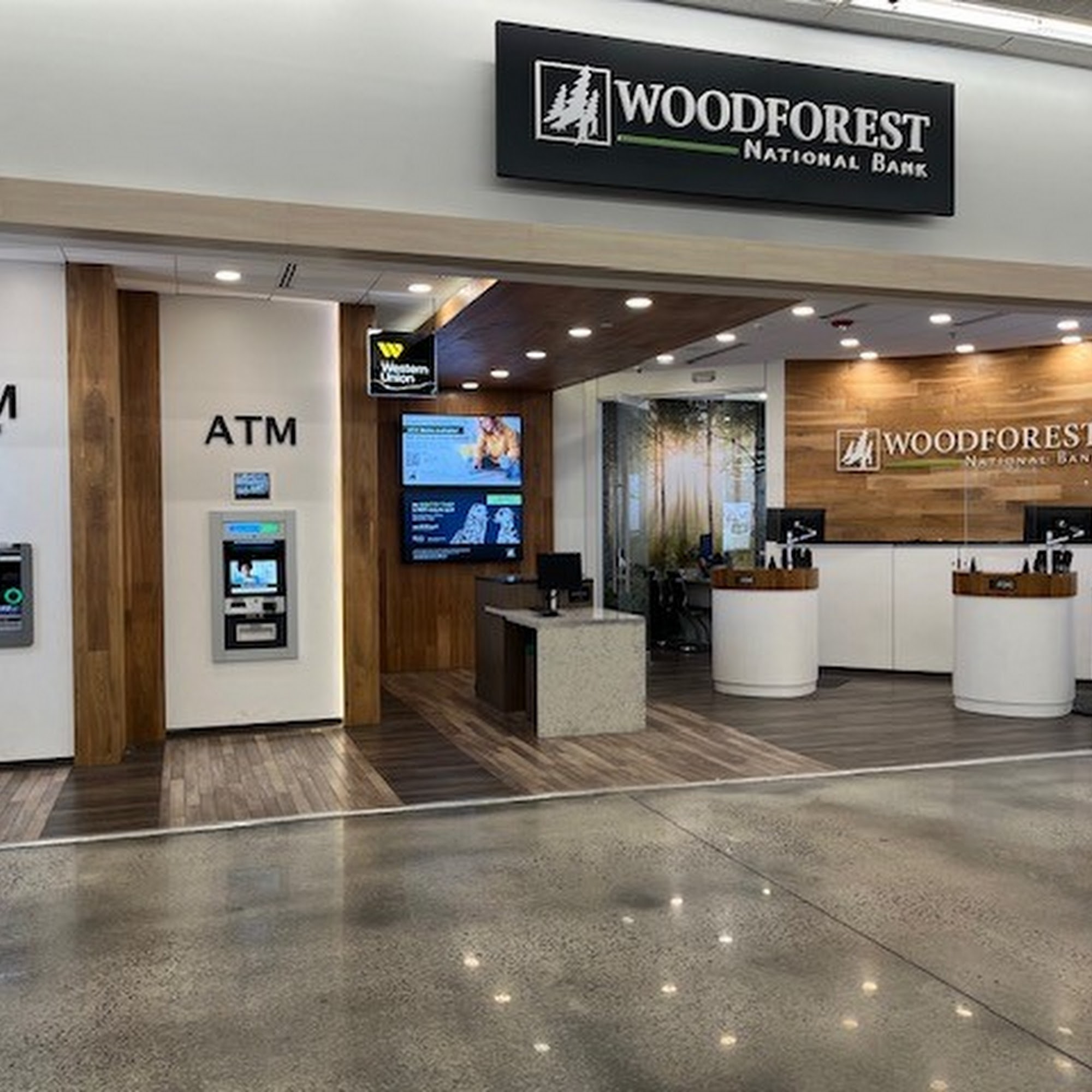
The process at Woodforest is hybrid, offering both digital convenience and the option for in-person consultation at their many branches located inside Walmart and other retail centers.
- Pre-Qualification: Many borrowers start by checking if they pre-qualify online. This usually involves a "soft" credit pull, which does not impact your credit score. It provides an estimate of the rate and amount you might be eligible for.
- Formal Application: Once you proceed, a "hard" credit inquiry is performed. You will submit your documentation through the secure online portal or hand it to a banker at a local branch.
- Underwriting: The bank’s credit department reviews your application. In 2026, Woodforest utilizes advanced algorithmic scoring, but local branch managers still have the ability to provide context on specific applications, particularly for long-time customers.
- Approval and Disclosures: If approved, you will receive a Truth in Lending Act (TILA) disclosure detailing the APR, total finance charges, and payment schedule.
- Funding: Once the loan documents are signed (often via e-signature), funds are usually deposited directly into your Woodforest checking account within one to three business days.
Rates, Fees, and Cost Analysis
Interest rates at Woodforest are competitive with other brick-and-mortar institutions but may be higher than those offered by online-only lenders like SoFi or LightStream. The trade-off is the accessibility and the ability to speak with a banker face-to-face.
| Loan Type | Typical APR Range (2026 Estimate) | Common Terms | Collateral Required |
|---|---|---|---|
| Unsecured Signature | 9.99% – 24.99% | 12 – 60 Months | None |
| CD Secured | CD Rate + 2.00% – 4.00% | Length of CD | Certificate of Deposit |
| Savings Secured | 8.00% – 12.00% | 12 – 48 Months | Savings Balance |
| Line of Credit | 12.00% – 18.00% (Variable) | Revolving | Usually None |
Note: Rates are subject to credit approval and may vary based on market conditions as dictated by the Federal Reserve. For current official rates, visit the Consumer Financial Protection Bureau (CFPB) for market trends or the Woodforest official site.
Fee Structure
- Origination Fees: Woodforest may charge a small processing fee depending on the loan product and state regulations.
- Late Fees: If a payment is not received within the grace period (usually 10-15 days), a late fee is applied.
- Prepayment Penalties: Historically, Woodforest does not charge penalties for paying off your personal loan early. This is a significant advantage for those looking to save on interest.
Pros and Cons of Borrowing from Woodforest
Choosing a lender requires weighing the benefits against the potential drawbacks. Woodforest serves a specific niche that may not be ideal for every borrower.
Advantages
- Convenience: Many branches are open late and on weekends, often coinciding with retail store hours.
- Credit Flexibility: They are often more willing to work with "thin-file" borrowers or those with less-than-perfect credit, especially for secured loan products.
- In-Person Service: For complex financial situations, the ability to sit down with a human being is a major benefit over automated online platforms.
Disadvantages
- Higher Rates for Poor Credit: While they may approve lower scores, the APR can be quite high on unsecured products.
- Technological Gap: While their app is functional, it may lack some of the advanced budgeting and integration features found in fintech-specific lending apps.
- Geographic Limitations: While they have a large presence, they are not in all 50 states, which could be an issue if you move.
Managing Your Loan and Avoiding Common Pitfalls
Once you have secured your loan, the focus shifts to management. Missing payments on a Woodforest loan can have severe consequences, including significant damage to your credit score and, in the case of secured loans, the loss of your savings or CD.
Set Up Autopay
The most effective way to manage a personal loan is to enroll in automatic payments. Not only does this ensure you never miss a due date, but many banks also offer a small APR discount (often 0.25%) for choosing this method.
Understand the "Simple Interest" Calculation
Most Woodforest personal loans use a simple interest calculation. This means interest is calculated daily based on your remaining principal. By making payments even a few days early each month, you can reduce the total interest paid over the life of the loan.
Avoid Using Personal Loans for "Wants"
A common pitfall is using a personal loan for lifestyle inflation. Financial experts recommend using these tools only for "needs" or for debt consolidation that results in a lower overall interest rate. Taking an unsecured loan at 15% to pay off a credit card at 25% makes sense; taking it to fund a vacation rarely does.
Frequently Asked Questions
Can I get a personal loan from Woodforest if I have bad credit?
Yes, Woodforest is known for being accessible. If your credit score prevents you from getting an unsecured loan, their Secured Personal Loan options allow you to use your own savings as collateral, which almost guarantees approval regardless of your credit history.
How long does it take to get funds from a Woodforest personal loan?
Once the application is fully processed and approved, funding typically occurs within 24 to 72 hours. If you apply in-branch and have all your documentation ready, the initial decision can often be made during your visit.
Are there any restrictions on how I use the loan money?
Generally, no. Personal loans from Woodforest are "unrestricted," meaning you can use them for medical bills, debt consolidation, weddings, or home improvements. However, you cannot use them for illegal activities, gambling, or, in some cases, as a down payment for a real estate purchase (as this may conflict with mortgage lending rules).
Does Woodforest offer a "skip-a-payment" option?
Woodforest occasionally offers skip-a-payment programs during the holidays or in times of declared natural disasters. However, interest still accrues during the skipped month, which extends the life of the loan and increases the total cost.
Can I apply for a Woodforest loan if I don't live near a branch?
While you can start the application online, Woodforest’s model is heavily based on its physical footprint. If you live in a state where Woodforest does not operate, you may find the verification process more cumbersome, and the bank may prefer local applicants.
Recommendation and Next Steps
If you are a Woodforest customer with a solid banking history, your first step should be to visit your local branch or the mobile app to check for "Pre-Selected" offers. For those with lower credit scores, the Savings Secured Loan is a highly recommended path to rebuilding credit while keeping your capital intact.
Before signing any agreement, compare the offered APR against at least two other sources—ideally a local credit union and one online lender. This ensures you are receiving the most competitive terms available in the 2026 lending market. If you decide to proceed, ensure your budget can comfortably accommodate the monthly payment without sacrificing your emergency fund contributions.
Financial Disclosure: This article is for informational purposes only and does not constitute professional financial, legal, or investment advice. Lending terms and interest rates are subject to change based on market conditions and individual creditworthiness. Always consult with a qualified financial advisor before making significant borrowing decisions.
Image Gallery