Comprehensive Digital Marketing Strategies for Small Businesses in 2026
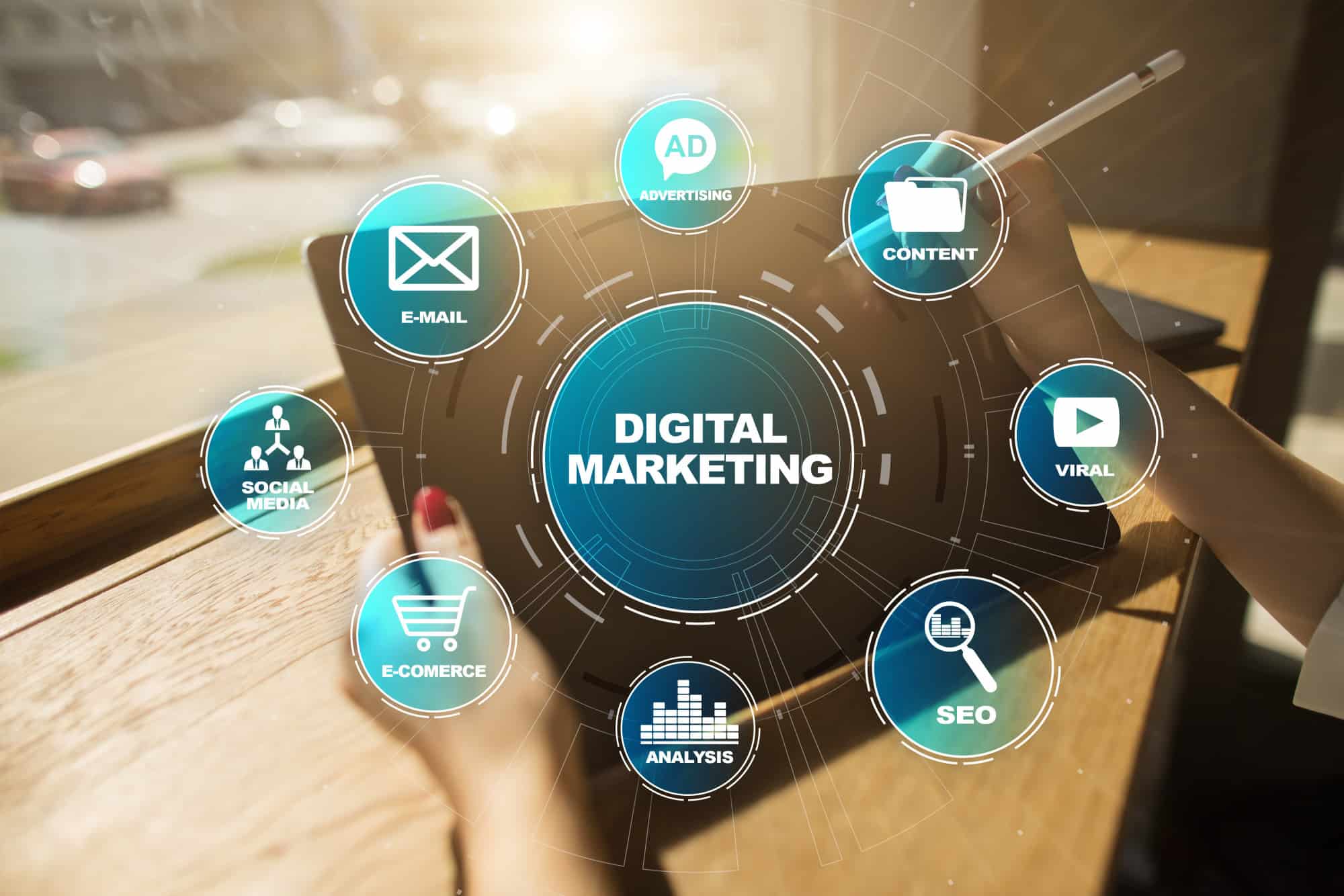
Digital marketing for small businesses focuses on leveraging targeted online channels—such as local search, social media, and email—to reach specific customer segments with high efficiency. By prioritizing high-ROI activities like Loca...
Digital marketing for small businesses focuses on leveraging targeted online channels—such as local search, social media, and email—to reach specific customer segments with high efficiency. By prioritizing high-ROI activities like Local SEO and permission-based email marketing, small enterprises can compete with larger brands, drive measurable foot traffic or e-commerce sales, and build long-term brand loyalty within a limited budget.
Contents
The Strategic Foundation: Moving Beyond Random Acts of Marketing
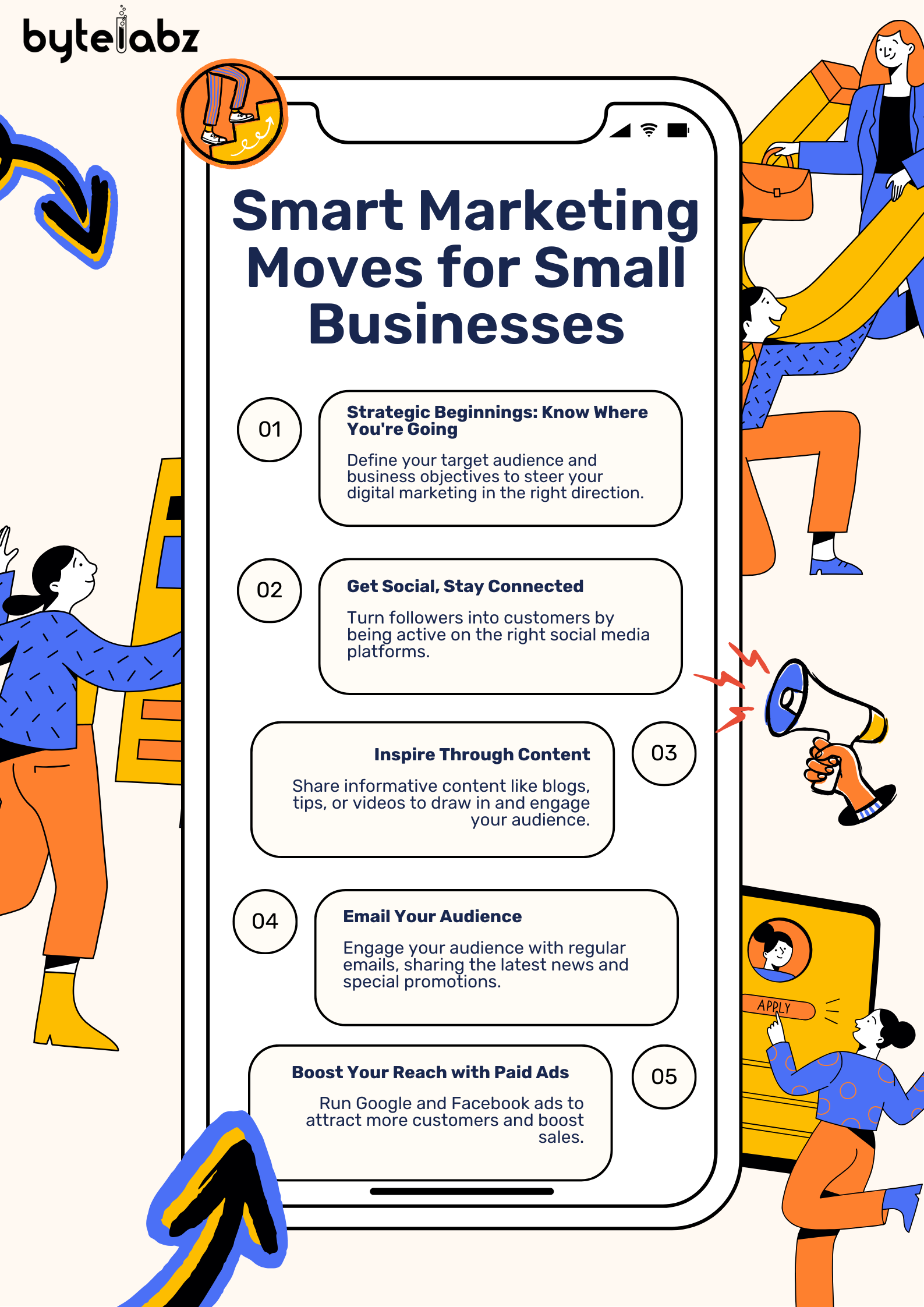
In 2026, the digital landscape is more crowded than ever, making "random acts of marketing"—posting occasionally on social media or running unoptimized ads—a recipe for wasted capital. A successful small business strategy begins with audience segmentation and goal alignment. Before spending a single dollar on advertising, a business must identify its primary "Buyer Personas." These are semi-fictional representations of your ideal customers based on data and research.
Small businesses must define specific, measurable, achievable, relevant, and time-bound (SMART) goals. For example, rather than aiming to "increase sales," a specialized bakery might set a goal to "increase online pre-orders for weekend pickup by 20% within the next quarter using Instagram and local search optimization." This clarity dictates which tools and platforms deserve investment.
Optimizing the Digital Hub: The High-Converting Website
A small business website is no longer just a digital brochure; it is a 24/7 salesperson. In 2026, website performance is a critical ranking factor for search engines and a primary driver of user trust. With the majority of local searches occurring on mobile devices, a mobile-first design is mandatory.
Core Web Vitals and User Experience
Google's Core Web Vitals remain the benchmark for technical health. Small businesses must ensure their sites load in under 2.5 seconds, provide immediate visual stability, and respond quickly to user inputs. High bounce rates—the percentage of visitors who leave after viewing only one page—are often a direct result of technical friction or confusing navigation.
Conversion Rate Optimization (CRO)
A website with high traffic but no sales is a failed asset. Effective small business websites utilize clear Calls to Action (CTAs). Whether it is a "Book Now" button, a newsletter signup, or a direct link to a product page, the action must be obvious. Utilizing "heatmaps" or basic A/B testing can help business owners understand where users are getting stuck and how to streamline the path to purchase.
Dominating Local Search (Local SEO)
For brick-and-mortar businesses or local service providers, Local SEO is the most influential digital marketing pillar. It ensures that when someone searches for "plumber near me" or "best coffee in [City]," your business appears in the "Map Pack" or the top organic results.
Google Business Profile (GBP) Management
Your Google Business Profile is the "front door" of your digital presence. In 2026, maintaining an optimized profile includes:
- Accurate NAP Data: Your Name, Address, and Phone number must be identical across all directories (Yelp, Yellow Pages, Bing Places).
- High-Quality Imagery: Businesses with professional photos receive significantly more clicks than those without.
- Active Q&A: Monitoring and answering customer questions directly on the profile prevents misinformation.
- Review Management: Actively requesting and responding to reviews signals to search engines that the business is active and trustworthy.
Local Citations and Backlinks
Beyond the GBP, small businesses should aim for mentions on local news sites, chamber of commerce directories, and local blogs. These "local backlinks" provide geographic relevance to search engines, reinforcing the business's authority within a specific zip code or municipality.
Content Marketing in the Age of Authenticity
By 2026, the internet is saturated with AI-generated content. For a small business to stand out, it must lean into human-centric content. This means sharing "behind-the-scenes" footage, founder stories, and deep-dive educational content that solves specific customer problems.
Video Content
Short-form video (such as TikTok, Instagram Reels, and YouTube Shorts) has become the primary consumption method for information. Small businesses do not need cinematic production values; they need transparency. A local hardware store showing a 60-second "How to fix a leaky faucet" video builds more trust than a generic promotional graphic.
Educational Blogging
Blogging remains relevant when it targets "long-tail keywords"—specific, multi-word phrases that customers search for. Instead of trying to rank for "shoes," a small boutique should target "comfortable standing shoes for nurses in Chicago." This hyper-specificity reduces competition and increases the likelihood of reaching a ready-to-buy customer.
Social Media: Prioritizing Community over Reach
The era of chasing "likes" is over. For small businesses, social media is a tool for customer retention and community engagement. Each platform serves a different demographic and intent:
| Platform | Best For | Primary Demographic | Engagement Style |
|---|---|---|---|
| Visual brands, lifestyle, retail | 18–44 years old | Visual storytelling & DMs | |
| B2B services, professional networking | 25–55 years old | Thought leadership & articles | |
| Local community groups, older demos | 35–65+ years old | Event promotion & community | |
| TikTok | Trends, "edutainment," viral reach | 13–34 years old | Raw, unpolished video |
| DIY, home decor, wedding planning | 25–45 years old (Female lean) | Visual discovery & search |
Small businesses should focus on 1–2 platforms where their audience is most active. It is better to have a thriving, engaged community on one platform than a series of abandoned accounts across five.
Email Marketing: The Most Reliable ROI
Email remains one of the few channels where the business owns the relationship with the audience, free from algorithm changes. In 2026, email marketing has shifted toward hyper-segmentation.
Instead of sending the same monthly newsletter to every subscriber, small businesses use automation to send targeted messages based on behavior. If a customer buys a specific type of dog food, the system can automatically send a coupon for a matching brand of treats two weeks later. According to the Data & Marketing Association, email marketing consistently delivers a high return on investment, often cited as $36–$42 for every $1 spent, provided the list is built organically and not purchased.
Paid Advertising: Strategic PPC and Social Ads
While organic growth is sustainable, paid advertising (Pay-Per-Click or PPC) provides immediate visibility. For small businesses, the key is "geographic fencing" and "negative keywords."
- Geographic Fencing: Ensuring ads only appear to users within a 5- to 10-mile radius of the business to prevent paying for clicks from users who are too far away to visit.
- Negative Keywords: Adding terms like "free," "jobs," or "salary" to a Google Ads campaign to ensure the business doesn't pay for clicks from people who aren't looking to buy.
- Retargeting: Showing ads to people who have already visited the website but didn't make a purchase. This "reminder" marketing is often the most cost-effective form of paid advertising.
Measuring Success and Adjusting the Sails
A common mistake for small businesses is ignoring data until a crisis occurs. Modern analytics tools, such as the successor to Google Analytics 4, allow owners to track the "Customer Journey" from the first click to the final sale.
Key Metrics to Track:
- Customer Acquisition Cost (CAC): How much does it cost in marketing spend to gain one new customer?
- Lifetime Value (LTV): How much revenue will a customer generate over their entire relationship with your business?
- Conversion Rate: What percentage of website visitors take the desired action?
- ROAS (Return on Ad Spend): For every dollar spent on ads, how much revenue was generated?
Frequently Asked Questions
How much should a small business spend on digital marketing?
While budgets vary by industry, the U.S. Small Business Administration has historically recommended that small businesses with revenues less than $5 million should allocate 7% to 8% of their gross revenue to marketing. In 2026, a significant portion of this (often 50% or more) is typically directed toward digital channels.
Do I need to hire an agency, or can I do it myself?
This depends on the complexity of your goals and your technical proficiency. Many small business owners handle social media and basic email marketing themselves but hire freelancers or agencies for technical SEO and complex PPC management. The "DIY" approach saves money but costs time; the agency approach saves time but requires higher upfront capital.
How long does it take to see results from SEO?
SEO is a long-term investment. Unlike paid ads, which can generate traffic immediately, SEO typically takes 3 to 6 months to show significant movement in rankings and traffic. However, the results are more durable and do not stop the moment you stop "paying" for a specific keyword.
Is email marketing still effective with modern privacy laws?
Yes, but it requires a "permission-based" approach. Compliance with regulations like GDPR and CCPA means businesses must obtain explicit consent to email customers. This actually improves effectiveness, as the resulting email list is comprised of people who genuinely want to hear from the brand.
Should I prioritize my website or my social media pages?
Always prioritize your website. You "own" your website, whereas you "rent" space on social media platforms. Changes to social media algorithms can instantly reduce your visibility, but your website remains under your control as your primary asset for conversions and data collection.
Practical Recommendation: Starting Your 2026 Digital Strategy
For small businesses looking to modernize their digital presence, the most effective next step is a Local SEO Audit. Begin by verifying your Google Business Profile and ensuring your information is consistent across the web. Once the foundation of local discoverability is set, choose one content medium—either a blog or short-form video—and commit to a consistent weekly schedule. Use data from these initial efforts to identify which products or services your audience is most interested in, then scale your efforts with targeted paid advertising to accelerate growth.
Image Gallery