How to Know the Exact Ovulation Day: A Comprehensive Guide to Tracking Fertility
Pinpointing the exact day of ovulation involves monitoring physiological changes and hormonal shifts that occur during the menstrual cycle. By tracking markers such as basal body temperature, cervical mucus consistency, and urinary lut...
Pinpointing the exact day of ovulation involves monitoring physiological changes and hormonal shifts that occur during the menstrual cycle. By tracking markers such as basal body temperature, cervical mucus consistency, and urinary luteinizing hormone (LH) levels, individuals can identify their peak fertility window, which typically lasts 12 to 24 hours after the release of an egg.
Contents
Understanding the Ovulatory Phase
Ovulation is the process in which a mature ovarian follicle ruptures and releases an oocyte—the egg—into the fallopian tube. This event typically happens mid-cycle in a standard 28-day regimen, but the exact timing can fluctuate significantly based on individual biology, stress, hormonal imbalances, or lifestyle factors.
Understanding this process requires recognizing that the "fertile window" is actually broader than the single day of ovulation. Because sperm can survive inside the female reproductive tract for up to five days, and an egg remains viable for only 12 to 24 hours post-release, the fertile window spans roughly six days. "Knowing the exact day" serves the dual purpose of identifying the moment of highest probability for conception and understanding one's own reproductive health patterns.
Monitoring Methods for Accuracy
To determine the specific day of ovulation, most experts suggest using a multi-modal approach. Relying on a single method often results in a wider margin of error; combining them provides cross-verification.
1. Ovulation Predictor Kits (OPKs)
Ovulation predictor kits measure the concentration of luteinizing hormone (LH) in urine. LH levels typically surge 24 to 48 hours before the egg is released.
- How to use: Test at the same time each day, preferably in the afternoon or evening, as LH levels often rise throughout the day.
- The Surge: When the test line is as dark as or darker than the control line, a "positive" result is recorded, indicating that ovulation is likely imminent.
2. Basal Body Temperature (BBT) Tracking
Basal body temperature is the body’s lowest resting temperature, typically achieved during sleep.
- The Shift: After ovulation, the hormone progesterone causes a slight rise in body temperature (usually 0.5 to 1.0 degrees Fahrenheit).
- Limitation: BBT charting is excellent for confirming that ovulation has already occurred, but it is less predictive for timing intercourse before the egg is released.
3. Cervical Mucus Assessment
The hormone estrogen causes cervical mucus to change consistency throughout the cycle.
- The Pattern: After menstruation, cervical mucus may be absent or sticky. As you approach ovulation, it becomes creamy, then transitions to a clear, slippery, and stretchy consistency often compared to raw egg whites. This "egg-white cervical mucus" (EWCM) is the most fertile indicator, as it helps sperm survive and swim through the cervix.
Comparative Analysis of Fertility Tracking Methods
| Method | Type of Indicator | Predictive Power | Accuracy Level |
|---|---|---|---|
| LH Surge Testing | Hormonal | High (predicts 24-48h prior) | Moderate-High |
| BBT Charting | Metabolic | Low (confirms after event) | High (confirms ovulation) |
| Cervical Mucus | Physical | Moderate (indicates fertility) | Moderate |
| Calendar Method | Statistical | Low (estimates based on history) | Low |
Establishing a Reliable Routine
Consistency is the most important factor in identifying your exact ovulation day. If you choose to track your temperature, you must take it immediately upon waking, before any physical activity, at the same time every morning. Even small variations in sleep duration or time of day can create false readings on a digital basal thermometer.
For those using LH test strips, it is essential to follow the manufacturer's instructions for the specific brand utilized. Some modern digital monitors provide a "high" or "peak" reading, which simplifies the interpretation of test lines, though they generally come at a higher cost than standard strips.
Common Pitfalls and Troubleshooting
Many individuals encounter challenges when trying to pinpoint their ovulation day, especially if they have irregular cycles.
- PCOS and Irregular Cycles: Polycystic Ovary Syndrome (PCOS) can lead to consistently elevated LH levels, causing false-positive results on standard test strips. In such cases, standard home testing may not be sufficient, and clinical ultrasound monitoring by a healthcare provider may be necessary.
- External Factors: Illness, fever, alcohol consumption, and travel can all disrupt BBT readings. If you are sick, your temperature data for those days should be disregarded, as it will not reflect your true basal state.
- The "Missed" Surge: Sometimes the LH surge is very brief (a "rapid riser"). If you only test once a day, you might miss the peak. If you have trouble finding your surge, testing twice daily—once in the morning and once in the evening—can increase the chances of detection.
Professional Medical Consultation
While home monitoring is effective for many, it is not a substitute for clinical advice. If you have been tracking your cycle for several months without success or if you identify consistent irregularities, consult a reproductive endocrinologist or gynecologist.
Professionals can utilize transvaginal ultrasounds to track follicle size directly. This is the gold standard for "knowing the exact day" of ovulation. Furthermore, if you have specific concerns regarding hormone levels, blood tests measuring progesterone, estradiol, and thyroid-stimulating hormone (TSH) can provide a comprehensive picture of your fertility health.
Disclaimer: The information provided here is for educational purposes only and does not constitute medical advice, diagnosis, or treatment. Always seek the advice of your physician or other qualified health provider with any questions you may have regarding a medical condition.
Frequently Asked Questions
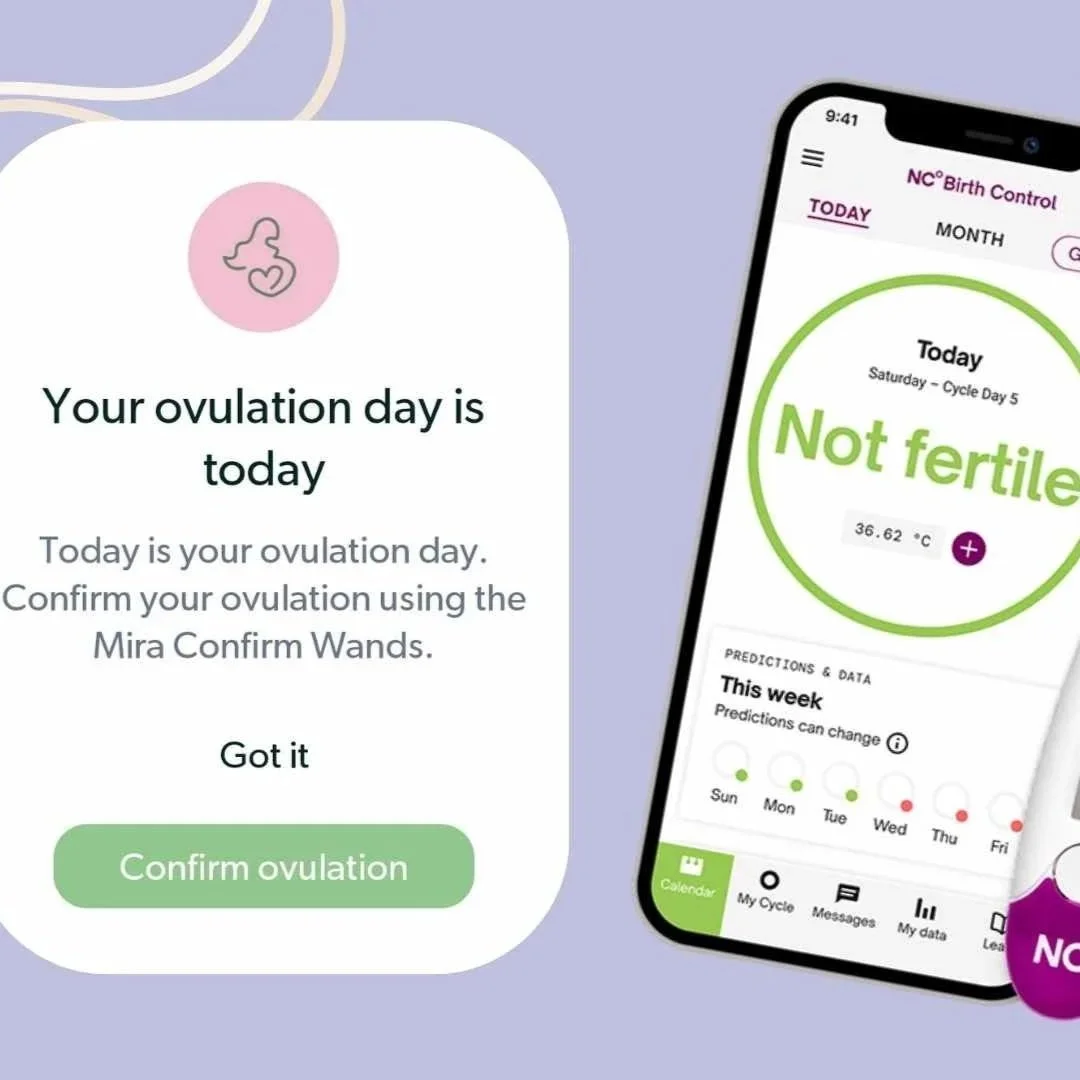
Can an app accurately tell me when I ovulate? Most fertility apps use calendar-based algorithms to predict ovulation based on your past cycle history. While helpful for tracking, they are only as accurate as your cycle's regularity. They cannot "know" when you ovulate in real-time unless you input data from LH tests or temperature readings.
Does clear cervical mucus mean I am ovulating today? Clear, stretchy mucus indicates that you are in your fertile window. While it usually precedes ovulation, it does not confirm the exact hour of the egg's release. Use this alongside other methods to narrow down the specific day.
What if my ovulation day changes every month? Fluctuations of a few days are normal. Stress, diet, exercise intensity, and sleep quality can shift the timing of the follicular phase. Focus on observing the signs within each cycle rather than relying on an average from previous months.
Is it possible to ovulate twice in one cycle? No. Once the dominant follicle releases an egg, progesterone levels rise, which inhibits the growth of further follicles. While you may have a "second surge" of LH, it does not result in a second ovulation event.
How soon after a positive LH test should I have intercourse? For the highest probability of conception, intercourse is recommended on the day of the positive test and the following two days. The LH surge precedes the actual release of the egg, so this timing ensures that viable sperm are present when the egg is released.
Recommended Next Actions
To begin, start a simple log—either in a dedicated notebook or a verified digital fertility tracking application. Record your cervical mucus consistency and take your BBT daily for at least three months to establish your baseline. Once you have a clear picture of your cycle length, introduce LH testing mid-cycle to capture your surge. If you find your results consistently ambiguous or are experiencing difficulty, compile your findings and present them to your healthcare provider to discuss further testing or clinical options.
Image Gallery