Who Can Wear a Floral Dress? The Definitive Guide to Patterns and Style
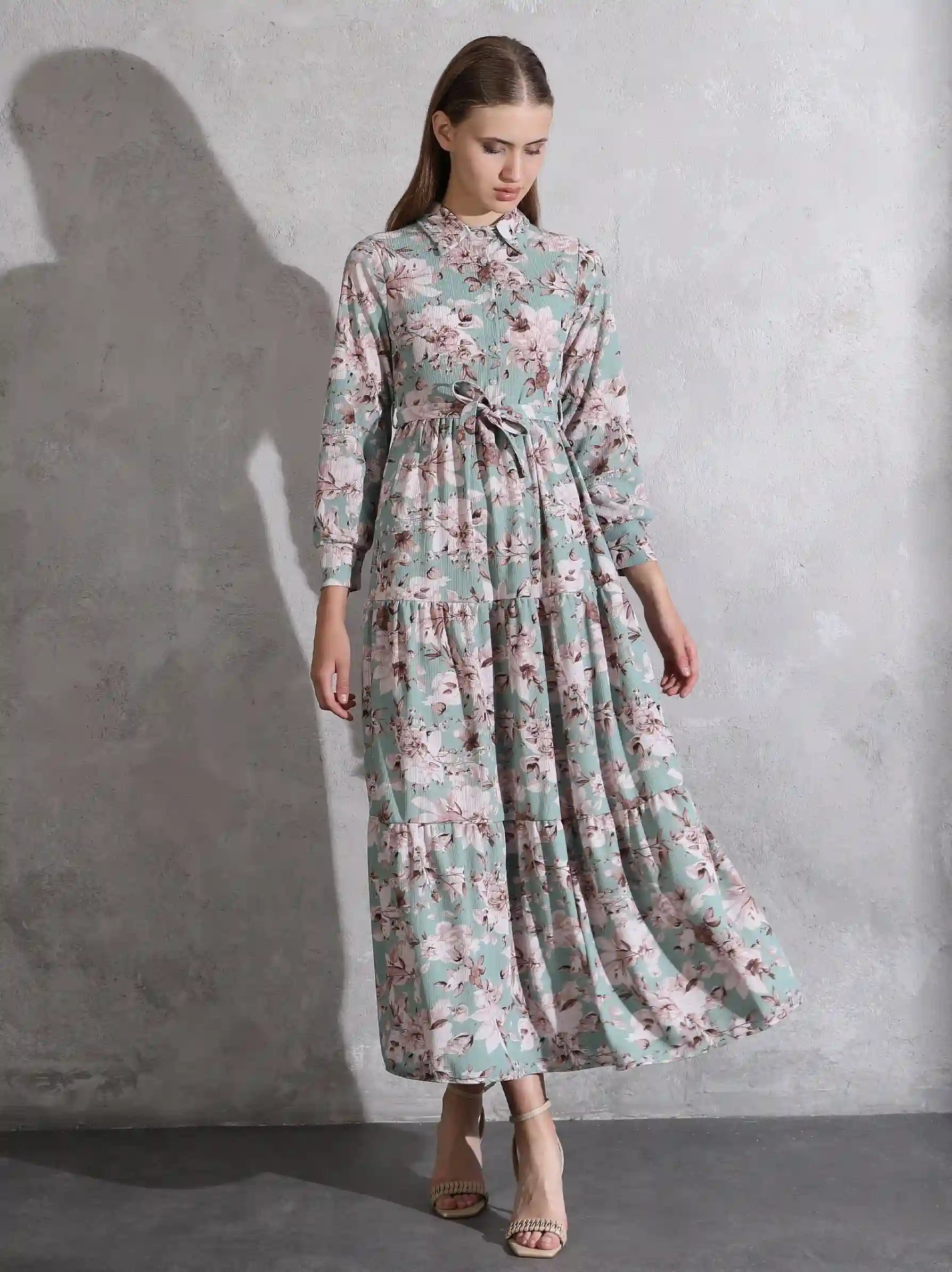
Anyone can wear a floral dress regardless of age, gender identity, or body shape. The key to successfully styling a floral print lies in selecting the right scale of the pattern, a color palette that complements your skin’s undertones,...
Anyone can wear a floral dress regardless of age, gender identity, or body shape. The key to successfully styling a floral print lies in selecting the right scale of the pattern, a color palette that complements your skin’s undertones, and a silhouette that aligns with the specific occasion and your personal aesthetic.
Contents
The Universal Appeal of Floral Patterns
In 2026, the floral dress remains one of the most versatile and enduring garments in the global wardrobe. Far from being a trend that cycles in and out, botanical prints are considered a "neutral" in the modern fashion landscape. The reason for this universality is rooted in human psychology and the inherent variety within the category. Florals can be bold and graphic, soft and romantic, or dark and moody, allowing them to communicate a wide range of personalities and moods.
The question of "who" can wear them has evolved significantly. Historically, floral patterns were often pigeonholed into specific demographics—primarily associated with femininity or younger age groups. However, contemporary fashion has dismantled these barriers. From the high-fashion runways of Paris to everyday street style, floral motifs are utilized by everyone to express creativity and a connection to the natural world. Whether you are dressing for a corporate environment, a formal gala, or a casual weekend outing, there is a floral execution that suits your identity.
Understanding Print Scale and Body Proportions
One of the most important technical aspects of wearing a floral dress is understanding the scale of the print in relation to your physical frame. While the old rule of "small prints for small people" has been largely debunked as a restrictive myth, there is a science to how visual weight affects a silhouette.
Large-Scale Florals
Large-scale prints feature oversized blooms that often span several inches in diameter. These prints create a significant visual impact and tend to draw the eye to the areas where the flowers are most prominent. For individuals with a larger frame or a taller stature, oversized florals can look proportional and balanced. On a more petite frame, a massive print can sometimes "overwhelm" the wearer, but this can be a deliberate stylistic choice if the goal is to create a bold, avant-garde look.
Small-Scale and Ditsy Prints
Small-scale florals, often referred to as "ditsy" prints, consist of tiny, scattered flowers. These patterns are visually dense and often read as a solid color from a distance. Because they don't have a single focal point, they are incredibly flattering for almost every body type. They provide a sense of movement without emphasizing specific areas of the body. In professional settings, smaller scales are often preferred as they appear more subtle and less distracting than their larger counterparts.
Placement and Negative Space
The "ground" or background color of the dress plays a vital role in how the floral print is perceived. A "packed" floral with very little negative space creates a busy, energetic vibe. Conversely, a "spaced" floral, where individual stems or blooms are separated by significant background color, feels more serene and structured. If you wish to highlight a specific feature, look for dresses where the floral density increases in that area.
The Role of Color Theory in Floral Selection
Color is the most immediate communicator of style. When choosing a floral dress, the background color and the colors within the petals should harmonize with your natural coloring.
- Cool Undertones: If your skin has hints of blue or pink, look for florals with backgrounds in navy, emerald green, or true white. The flowers themselves should ideally be in shades of berry, lavender, or icy blue.
- Warm Undertones: For those with golden or olive skin, earthy tones work best. Think cream or ivory backgrounds with flowers in mustard yellow, terracotta, burnt orange, or olive green.
- Neutral Undertones: Those with neutral undertones have the flexibility to wear almost any palette, though high-contrast florals (such as black backgrounds with bright red or white flowers) are particularly striking.
In 2026, the "moody floral"—which features dark backgrounds like charcoal, plum, or forest green—has become a staple for year-round wear. These darker palettes make floral dresses accessible to those who usually avoid "bright" or "girly" aesthetics, offering a sophisticated alternative that works well in autumn and winter.
Breaking the Gender Binary with Florals
One of the most significant shifts in fashion leading up to 2026 has been the total normalization of floral prints across the gender spectrum. Masculine and non-binary styling of floral dresses often focuses on structure and contrast. For instance, a floral chemise or tunic-style dress paired with structured trousers or heavy combat boots creates a balanced look that moves away from traditional feminine tropes.
Designers have responded to this shift by creating "gender-neutral" floral patterns that lean toward botanical illustrations—think ferns, thistles, and wildflowers—rather than traditional roses or peonies. These prints often use a more muted or monochromatic color palette, making them easy to integrate into any wardrobe regardless of gender identity.
Selecting the Right Fabric and Silhouette
The "who" of a floral dress is also determined by the fabric. The way a floral print behaves on silk is vastly different from how it appears on heavy cotton or wool blends.
| Fabric Type | Best For | Visual Effect |
|---|---|---|
| Silk/Chiffon | Formal events, weddings | Flowing, romantic, and ethereal. Colors appear luminous. |
| Linen | Summer casual, beachwear | Crisp and structured. Florals often look more "artisan" or hand-painted. |
| Jersey/Knit | Daily wear, travel | Body-conforming and comfortable. Best for dense, small-scale prints. |
| Poplin/Cotton | Workwear, daytime events | Holds its shape well. Ideal for bold, graphic floral patterns. |
| Velvet | Winter formal, evening | Rich and dramatic. Usually features dark-ground "moody" florals. |
The silhouette should be chosen based on your comfort level and the occasion. A wrap dress is universally flattering as it defines the waist and creates a V-neckline that elongates the torso. A shift dress offers a more relaxed, 1960s-inspired vibe that works well with bold, psychedelic florals. For those seeking a modern 2026 look, the column dress in a floral print provides a sleek, sophisticated line that minimizes bulk.
Seasonal Adaptability: Florals Beyond Spring
A common misconception is that floral dresses are only for the spring and summer. To wear a floral dress in the colder months, the styling must shift toward "grounding" the print.
- Layering: A floral slip dress can be worn over a thin cashmere turtleneck or under an oversized wool blazer.
- Footwear: Swap sandals for knee-high leather boots or lug-sole loafers. This adds a "toughness" to the floral print that balances its inherent softness.
- Hosiery: Opaque tights in a color that matches the background of the floral print can create a seamless, elongated look that is both warm and stylish.
Common Styling Mistakes to Avoid
While everyone can wear a floral dress, certain styling choices can make the outfit feel dated or disorganized.
- Over-Accessorizing: Because a floral print is already a "busy" visual element, keep accessories simple. Avoid wearing floral jewelry with a floral dress; instead, opt for solid metals like gold or silver.
- Clashing Textures: If your floral dress is a delicate silk, pairing it with a very rough, chunky knit might be too high of a contrast. Aim for textures that complement rather than compete.
- Ignoring the Occasion: A bright, tropical floral may be perfect for a resort but could feel out of place at a traditional black-tie evening event. For formal settings, look for "abstract" florals or those with metallic embroidery.
Frequently Asked Questions
Can I wear a floral dress if I’m over 60?
Absolutely. The idea that older adults should avoid prints is an outdated fashion "rule." To keep the look sophisticated, many fashion experts recommend choosing prints with a bit more structure—such as a tailored shirt-dress style—and opting for elegant color palettes like navy and cream or burgundy and gold.
How do I wear florals without looking "too young"?
To avoid a "juvenile" look, stay away from hyper-saturated primary colors and very short hemlines in ditsy prints. Instead, choose midi or maxi lengths, darker background colors, and sophisticated fabrics like silk or heavy crepe. Incorporating "edgy" accessories like a leather jacket or architectural jewelry also matures the look.
Is it okay to wear a floral dress to a wedding?
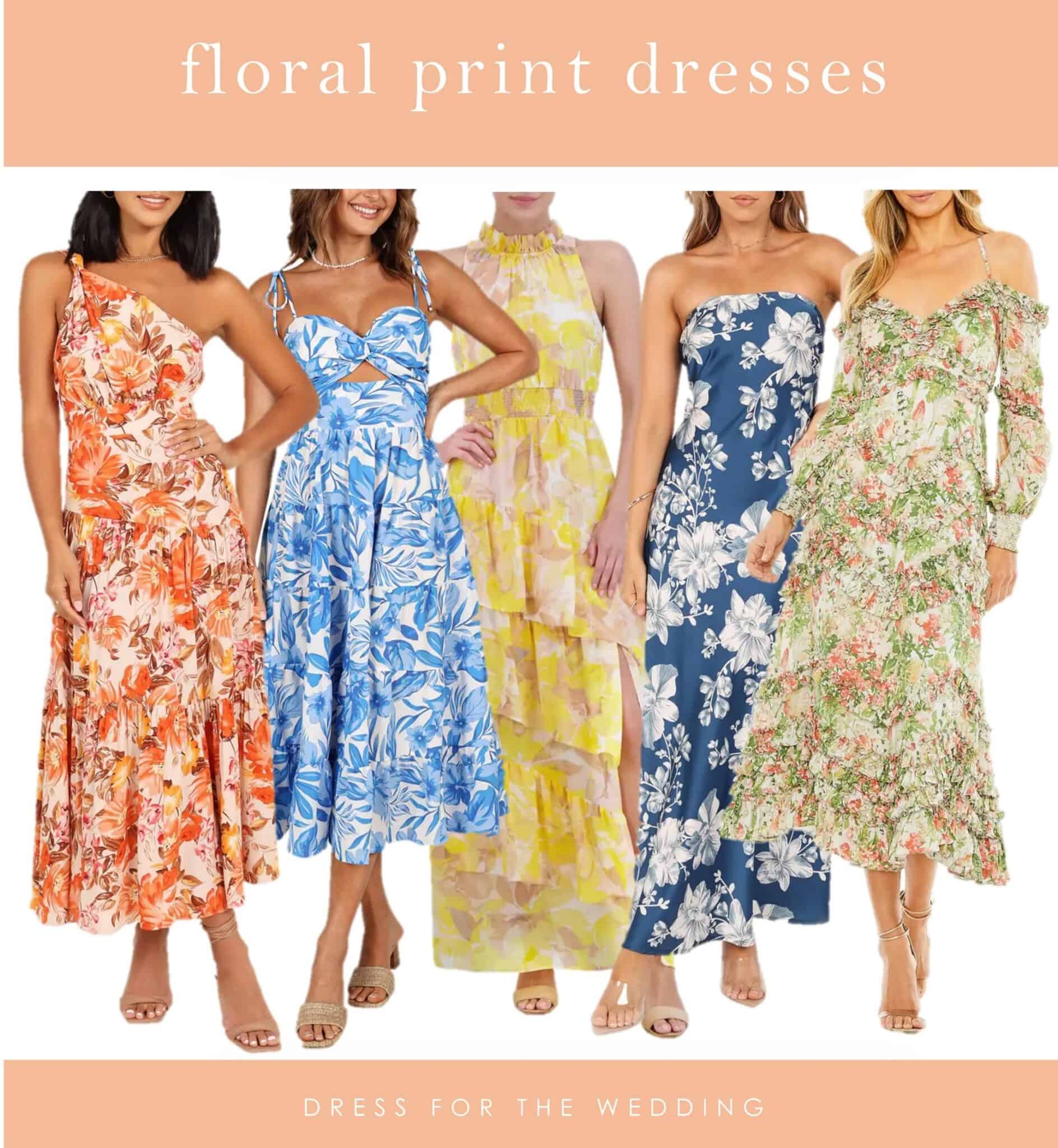
Yes, floral dresses are a classic choice for wedding guests. The only caveat is to ensure the dress does not have a white or cream background that could be mistaken for a bridal gown. Opt for colorful backgrounds or multi-colored prints to ensure you are adhering to traditional wedding etiquette.
Can men wear floral dresses?
Yes. In 2026, many menswear and unisex collections feature floral tunics and dresses. The key to masculine styling often involves pairing the dress with more traditionally masculine elements, such as tailored trousers, denim jackets, or sneakers, to create a high-fashion, gender-fluid silhouette.
How do I mix florals with other prints?
Mixing prints is an advanced style move. To do it successfully, ensure the two prints share at least one common color. A safe way to start is by pairing a floral dress with a geometric print, such as a striped cardigan or a polka-dot scarf, ensuring the scales of the two prints are different (e.g., a large floral with a small stripe).
Practical Recommendation for Your Next Purchase
If you are looking to invest in a floral dress that will stand the test of time, look for a midi-length wrap dress in a medium-scale print with a neutral background (like navy or forest green). This specific combination offers the highest level of versatility, allowing you to dress it down with white sneakers for a weekend brunch or dress it up with heels and a blazer for a professional meeting or evening dinner. Before purchasing, check the fabric composition; natural fibers like cotton, silk, or high-quality viscose will offer better breathability and longevity than pure synthetics.
Image Gallery