Comprehensive Guide to the Tetanus Vaccine Booster in 2026
Maintaining up-to-date immunization records is a foundational pillar of adult preventative healthcare, and understanding the nuances of the tetanus vaccine booster remains essential for long-term immunological protection. Tetanus, caus...
Maintaining up-to-date immunization records is a foundational pillar of adult preventative healthcare, and understanding the nuances of the tetanus vaccine booster remains essential for long-term immunological protection. Tetanus, caused by the potent neurotoxin produced by the bacterium Clostridium tetani, is a severe and frequently fatal disease characterized by painful muscle spasms and rigidity. Because spores of this bacterium are ubiquitous in soil, dust, and manure, exposure risks persist throughout daily life, making timely booster administration a critical clinical priority in 2026.
Contents
Clinical Mechanisms and Formulation Standards
The tetanus toxoid is an inactivated toxin that stimulates the human immune system to produce neutralizing antibodies without causing the disease itself. Modern immunization protocols rely on combination vaccines rather than single-antigen tetanus shots. These combination formulations offer protection against multiple infectious diseases simultaneously, optimizing public health efficiency and patient compliance.
The two primary combination vaccines utilized for routine adult boosters include:
- Td (Tetanus and Diphtheria): Formulated for adolescents and adults, providing protection against tetanus and diphtheria toxoids with a lower dose of diphtheria toxoid to minimize adverse local reactions.
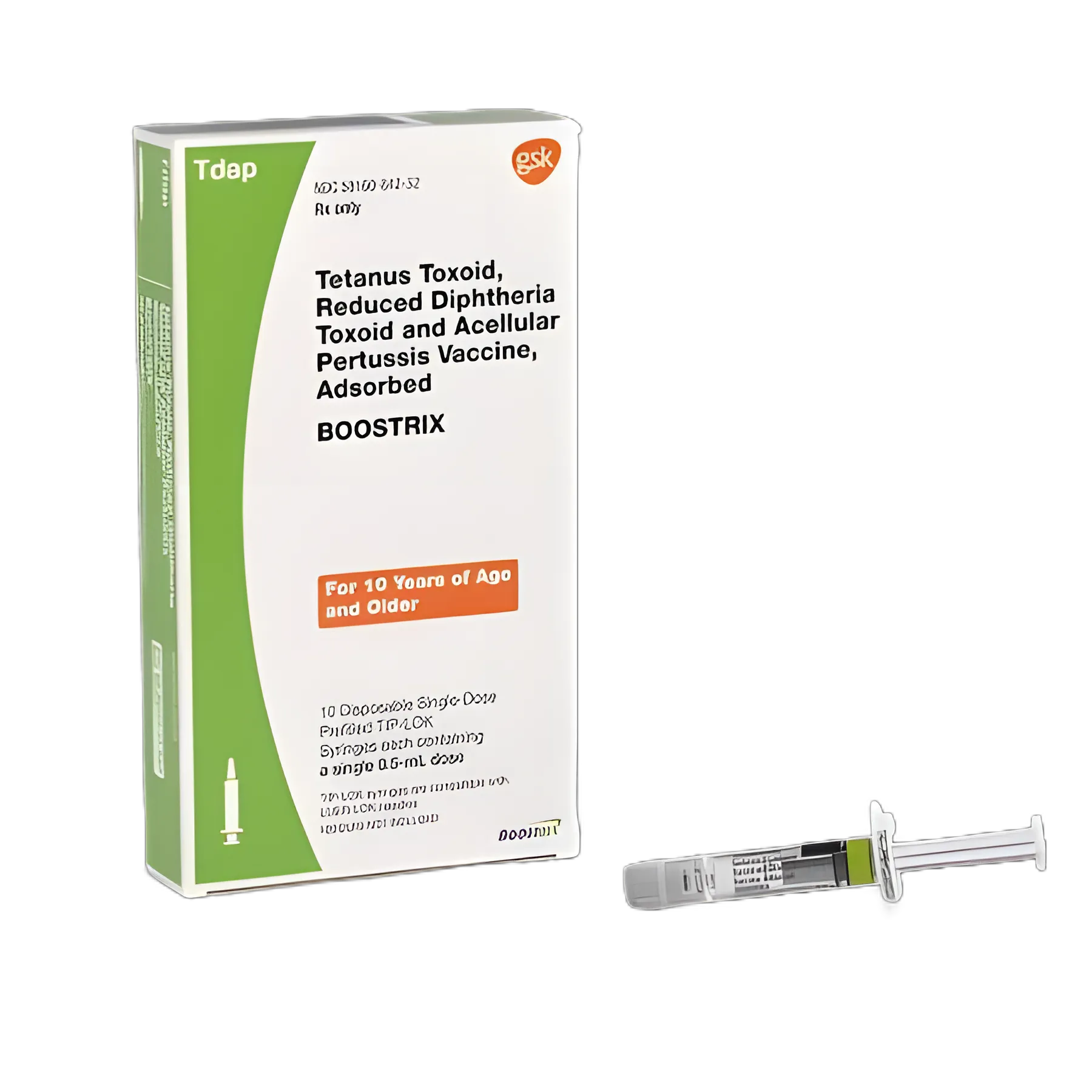
- Tdap (Tetanus, Diphtheria, and Pertussis): Incorporates protection against pertussis (whooping cough) alongside tetanus and diphtheria, representing the standard recommendation for modern adult booster schedules.
Immunization guidelines from public health authorities emphasize that every adult requires a primary series followed by regular maintenance doses. The standard interval for a routine tetanus vaccine booster is every ten years. However, specific clinical scenarios, such as deep or contaminated wounds, may necessitate an accelerated schedule or concurrent administration of tetanus immune globulin (TIG).
The 2026 Adult Immunization Schedule and Wound Management
Navigating immunization requirements requires distinguishing between routine preventative care and post-exposure prophylaxis. The 2026 clinical standards maintain rigorous parameters for assessing wound types and previous vaccination histories to determine whether a booster shot, TIG, or both are required.
| Wound Classification | Clean, Minor Wounds | All Other Wounds (Dirty, Puncture, Crush) |
|---|---|---|
| History of 3+ Doses (Unknown/Incomplete) | Booster required if >10 years since last dose. | Booster required if >5 years since last dose. |
| History of <3 Doses or Unknown | Booster required immediately; complete full series. | Booster required immediately + TIG administration; complete full series. |
For individuals with unknown vaccination histories, healthcare providers treat the patient as unvaccinated, initiating a three-dose primary series. Missing even a single dose in the primary series leaves a gap in serological defense, highlighting the necessity of clinical documentation in electronic health record systems.
Comparative Analysis of Adult Tetanus Formulations
Selecting the appropriate vaccine formulation depends on patient age, prior exposure history, and epidemiological factors such as localized pertussis outbreaks. The table below outlines the key differences between the standard adult booster options available in 2026.
| Vaccine Type | Target Pathogens | Recommended Age Group | Primary Indication |
|---|---|---|---|
| Td Vaccine | Tetanus, Diphtheria | Adults (18+ years) | Routine 10-year booster when pertussis component is deferred. |
| Tdap Vaccine | Tetanus, Diphtheria, Pertussis | Adolescents and Adults (all ages) | Routine booster, pregnant individuals during each pregnancy, and healthcare personnel. |
| DT Vaccine | Diphtheria, Tetanus | Pediatric (under 7 years) | Used exclusively for infants and children who have a contraindication to the pertussis component. |
The widespread adoption of Tdap over Td for routine adult boosters has significantly mitigated waning pertussis immunity in older populations, protecting vulnerable infants through cocooning strategies.
Potential Side Effects and Contraindications
While the tetanus vaccine booster is exceptionally safe, patients frequently experience mild local or systemic reactions as the immune system responds to the toxoid. Understanding these physiological responses helps clinicians differentiate between normal reactogenicity and true hypersensitivity.
Common, self-limiting side effects include:
- Pain, redness, and swelling at the injection site.
- Low-grade fever and mild systemic malaise.
- Transient headache, fatigue, or generalized myalgia lasting 24 to 48 hours.
Severe adverse events, such as immediate anaphylactic reactions or Arthus-type hypersensitivity reactions involving severe local inflammation, are exceedingly rare. Contraindications to receiving a tetanus booster include a history of a severe allergic reaction (anaphylaxis) to any component of the vaccine or a neurological complication like encephalopathy occurring within seven days of a previous pertussis-containing vaccine. For patients with a contraindication to pertussis, the single-antigen tetanus toxoid or a carefully managed Td formulation is utilized under direct physician supervision.
Step-by-Step Guide to Updating Your Tetanus Immunization
Ensuring protection against tetanus involves a proactive approach to personal health records and clinical consultation. Follow these steps to verify and update your immunization status:
- Audit Existing Records: Review your personal health portal, state immunization registry, or childhood vaccination records to determine the exact date of your last tetanus-containing vaccine.
- Assess Recent Exposures: Evaluate whether you have sustained any recent puncture wounds, lacerations involving soil or manure, or animal bites that require immediate clinical evaluation.
- Consult a Healthcare Provider: Schedule an appointment with your primary care physician, local pharmacy, or occupational health clinic to discuss whether a Td or Tdap booster is appropriate.
- Disclose Medical History: Inform the administering clinician of any history of severe allergies, neurological disorders, Guillain-Barré syndrome, or adverse reactions following previous vaccinations.
- Receive Administration and Monitor: Allow the provider to administer the intramuscular injection into the deltoid muscle. Monitor the site over the subsequent days and maintain documentation of the updated immunization card.
Frequently Asked Questions
How often do I need a tetanus vaccine booster as an adult?
Standard adult guidelines require a routine tetanus booster every ten years to maintain protective antibody titers. If you sustain a severe, dirty, or contaminated wound, a booster may be necessary if more than five years have elapsed since your last dose.
Is the Tdap vaccine safe for pregnant individuals?
Yes, clinical guidelines strongly recommend receiving the Tdap vaccine during the third trimester of every pregnancy to pass protective pertussis antibodies to the newborn before their own primary immunizations begin.
What happens if I receive a tetanus booster too soon?
While receiving a booster ahead of schedule generally does not cause severe harm, it can lead to increased local reactogenicity, resulting in more pronounced pain, swelling, and redness at the injection site due to high pre-existing antibody levels.
Can I get a tetanus shot at a local pharmacy, or do I need a doctor's appointment?
Most retail pharmacies, grocery store clinics, and urgent care centers offer tetanus boosters on a walk-in basis without requiring a formal physician's appointment, provided you meet the age and health criteria.
Does a rusty nail directly cause tetanus?
Rusty nails do not create tetanus themselves; rather, rust provides a rough, pitted surface where Clostridium tetani spores can lodge, and rusty objects outdoors are frequently contaminated with soil containing the bacteria.
Securing Your Immunization Protection
Protecting yourself against preventable bacterial infections requires maintaining vigilance over your vaccination schedule. Whether you are preparing for outdoor home projects, recovering from an unexpected injury, or ensuring compliance with workplace health mandates, scheduling your tetanus vaccine booster is a vital step toward long-term wellness. Consult your healthcare provider or local immunization clinic today to verify your vaccination records and receive your up-to-date booster.
Image Gallery