Oropouche Virus Sloth Fever: Current Status and Uncertainties
Oropouche virus disease, commonly known as sloth fever, is an emerging zoonotic arbovirus infection transmitted primarily by biting midges and mosquitoes. Transmitted mainly through Culicoides paraensis midges, the virus causes acute f...
Oropouche virus disease, commonly known as sloth fever, is an emerging zoonotic arbovirus infection transmitted primarily by biting midges and mosquitoes. Transmitted mainly through Culicoides paraensis midges, the virus causes acute febrile illness characterized by sudden fever, severe headache, myalgia, and arthralgia, presenting significant public health challenges across endemic regions in South America, Central America, and the Caribbean.
Contents
Understanding Oropouche Virus and Sloth Fever
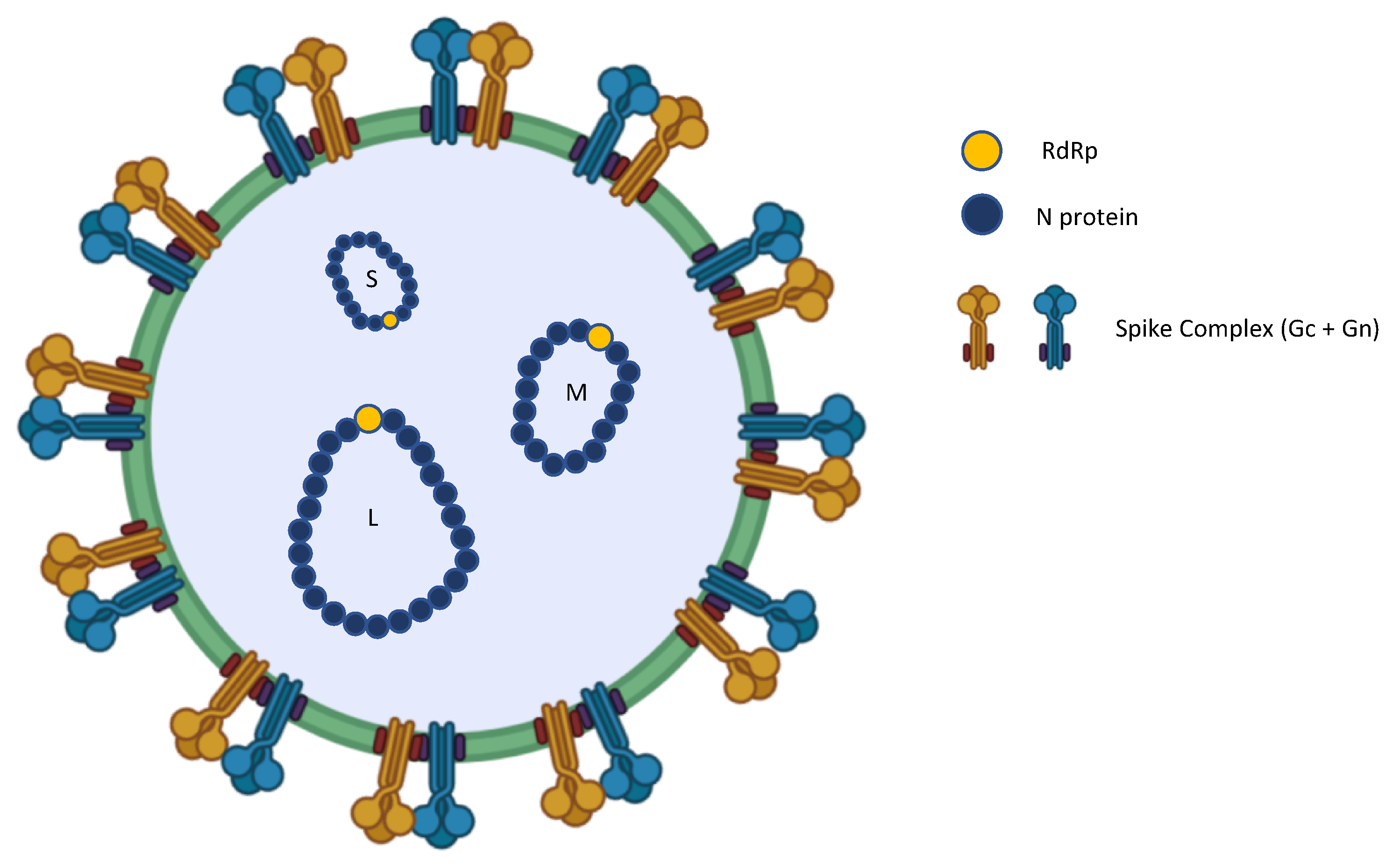
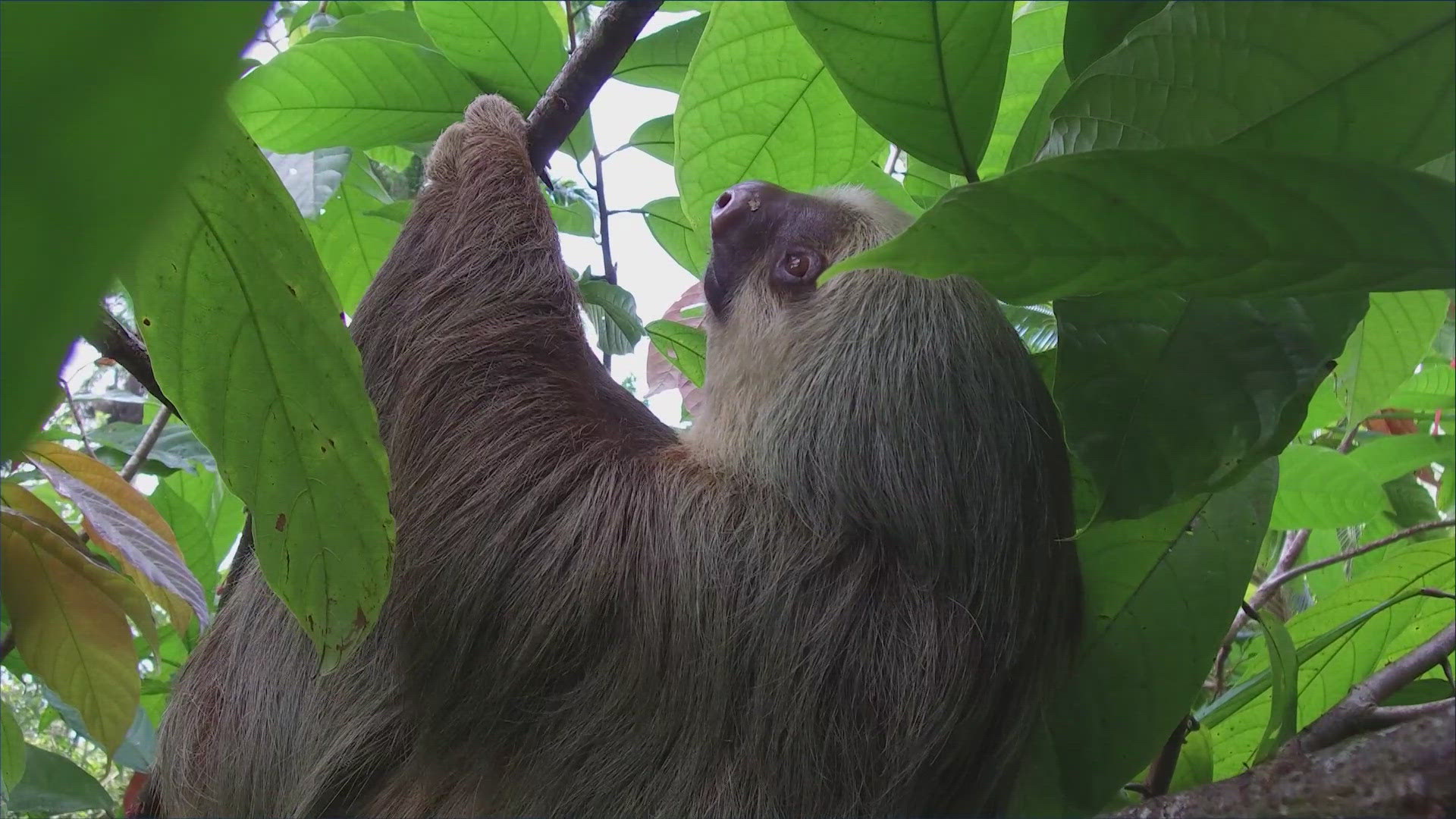
The Oropouche virus (OROV) belongs to the Orthobunyavirus genus within the Peribunyaviridae family. It was first isolated in 1955 from a blood sample of a forest worker in Trinidad and Tobago near the Oropouche River, and subsequently from a sloth (Bradypus tridactylus), which inspired the popular moniker "sloth fever." The virus maintains an enzootic cycle involving wild animals such as sloths, primates, and certain birds, with sylvatic vectors facilitating transmission among these hosts.
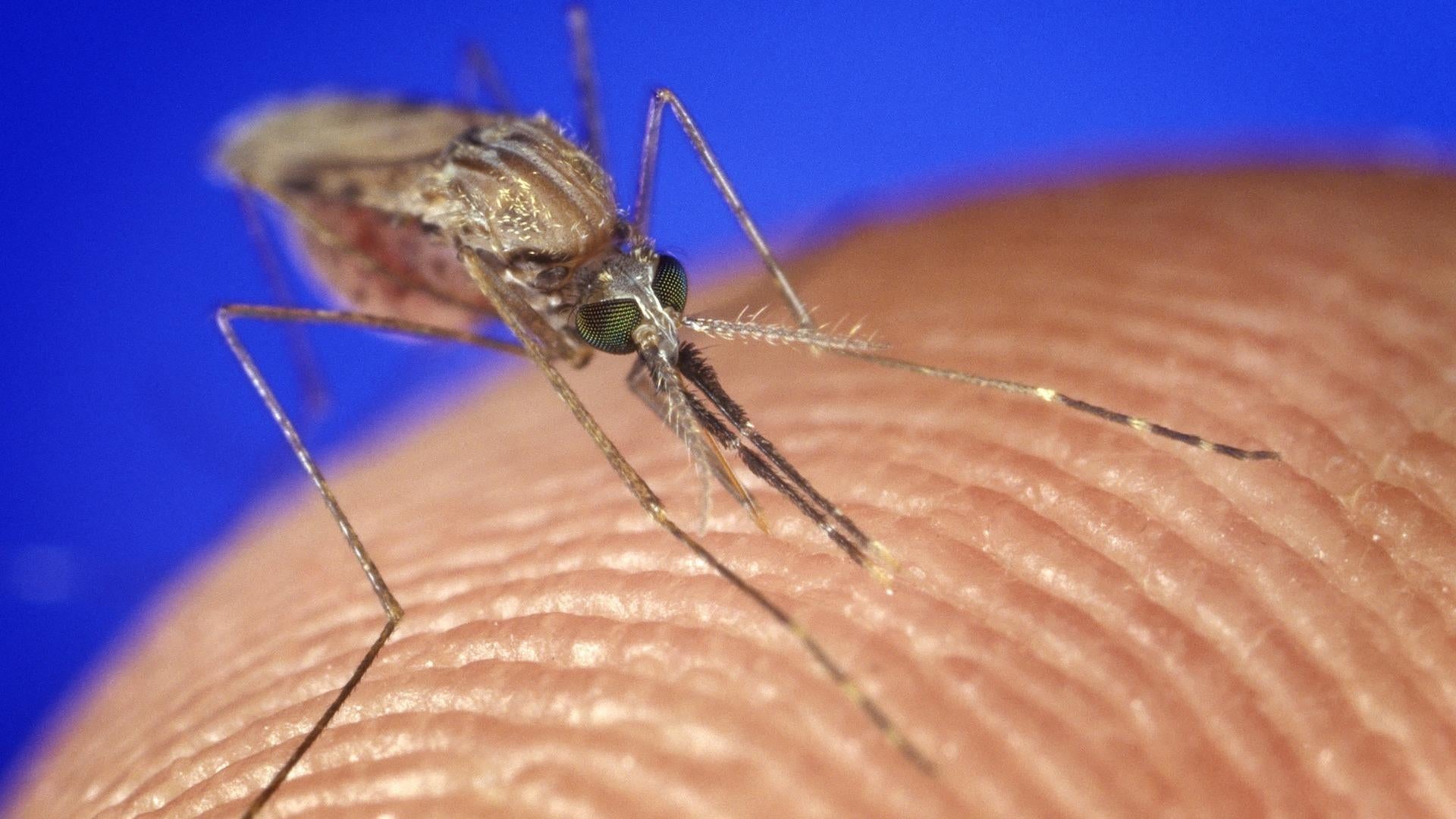
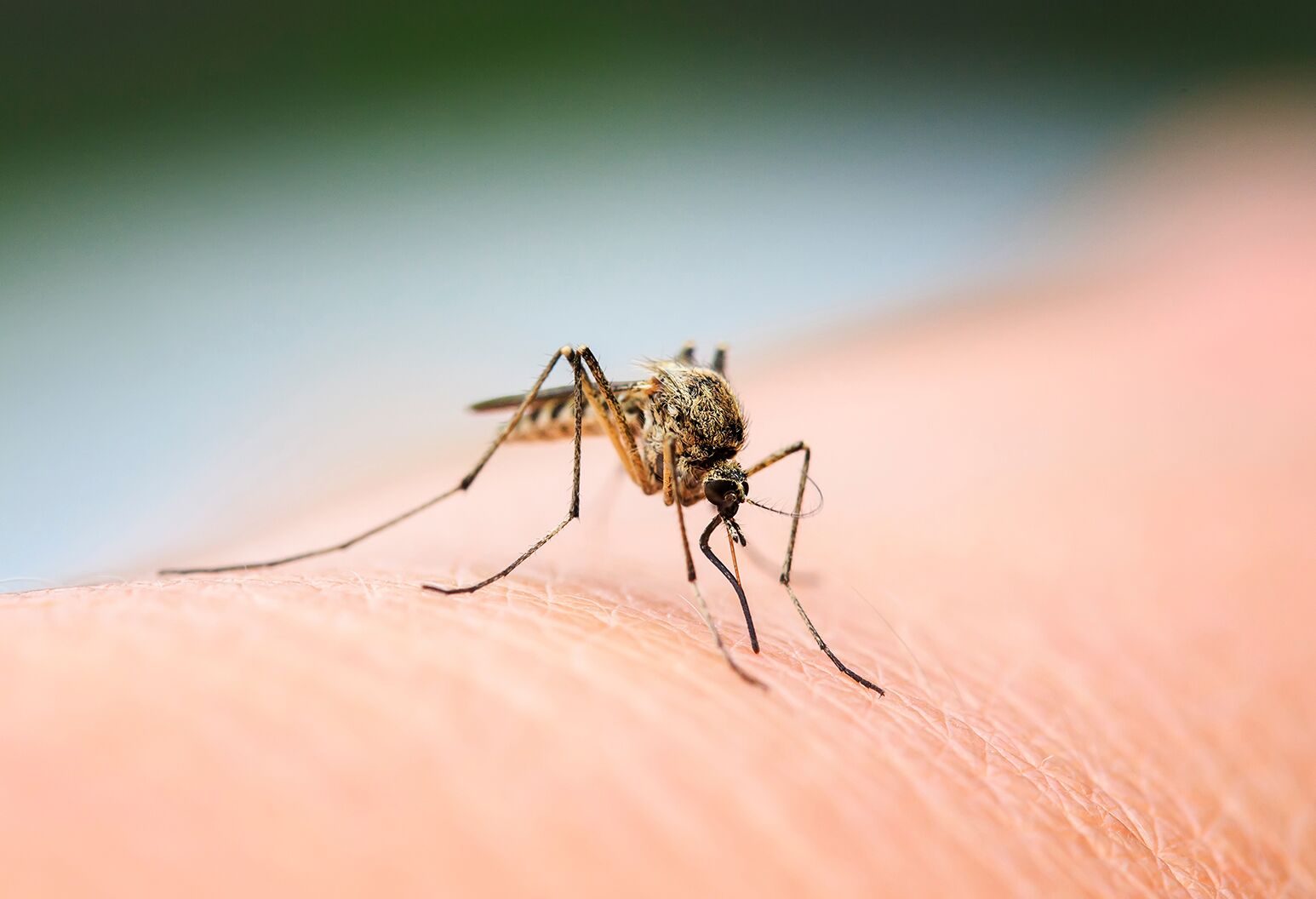
When human populations encroach upon forested areas or when environmental modifications alter vector habitats, an urban transmission cycle can emerge. In this urban cycle, humans act as the primary amplifying host, and the biting midge Culicoides paraensis—as well as certain Culex mosquito species—serves as the vector. The small size of Culicoides paraensis allows it to pass through standard household mosquito netting, compounding control and prevention difficulties in affected communities.
Clinical Presentation and Diagnostic Challenges
The clinical manifestation of Oropouche virus disease closely resembles that of other arboviral infections such as dengue, Zika, and chikungunya. The incubation period typically ranges from three to eight days, after which patients experience a sudden onset of symptoms.
Primary Clinical Symptoms
- Acute Febrile Episode: High-grade fever accompanied by shaking chills and profound fatigue.
- Cephalgia and Retro-orbital Pain: Severe, debilitating headaches often localized behind the eyes.
- Musculoskeletal Pain: Intense myalgia (muscle pain) and arthralgia (joint pain) that can severely limit mobility.
- Gastrointestinal Distress: Nausea, vomiting, and abdominal discomfort reported in a subset of cases.
- Photophobia: Sensitivity to light and dizziness during the acute phase.
A notable feature of Oropouche virus infection is the recurrence of symptoms. Approximately 60 percent of patients experience a relapse of acute symptoms—including fever, headache, and malaise—days or weeks after the initial illness resolves, even though the convalescent phase is generally self-limiting.
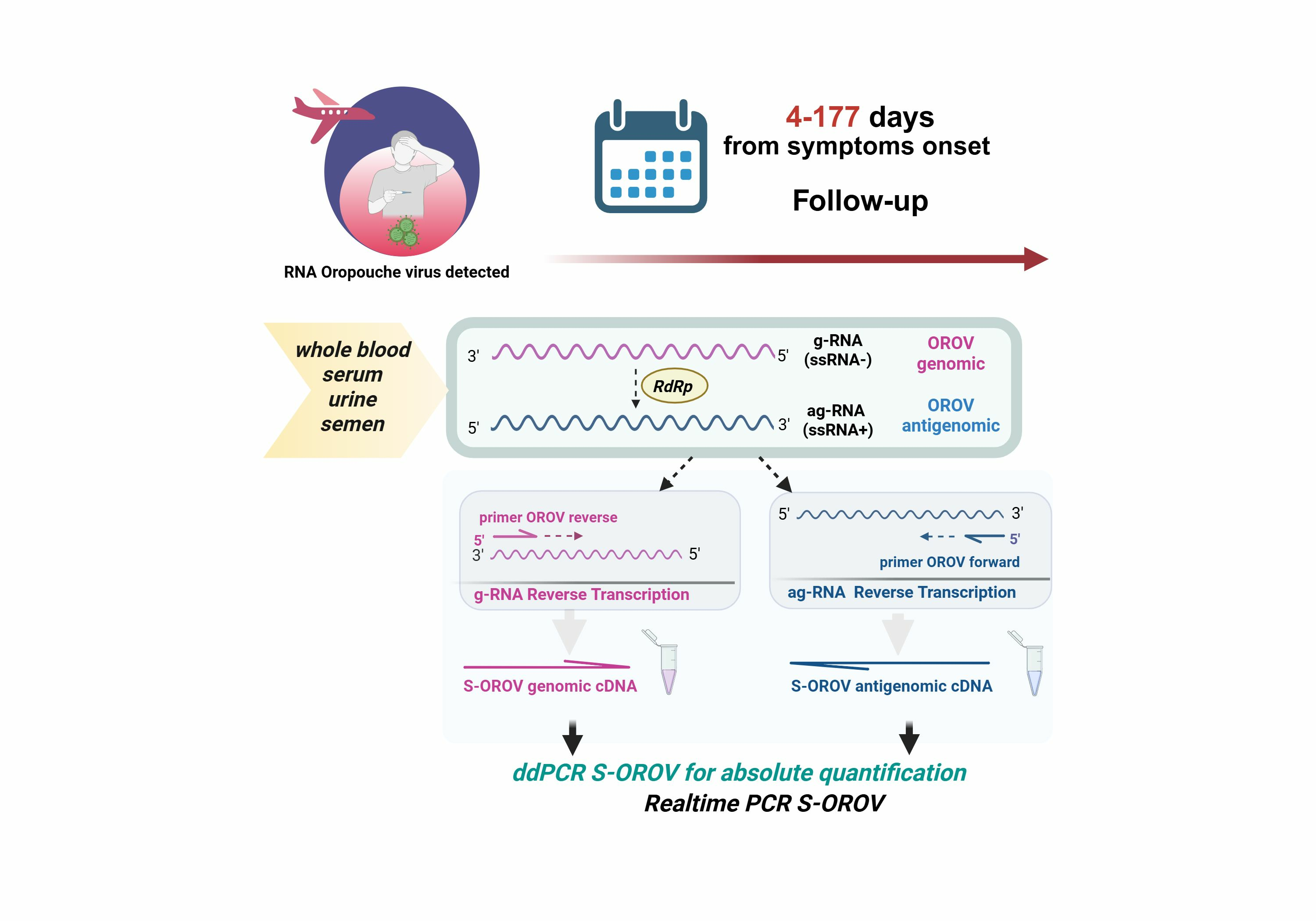
Diagnosing Oropouche virus infection clinically is difficult due to its overlapping presentation with co-circulating arboviruses. Laboratory confirmation relies on molecular methods such as Reverse Transcription-Polymerase Chain Reaction (RT-PCR) during the acute viremic phase, usually within the first few days of symptom onset. Serological assays, including Enzyme-Linked Immunosorbent Assay (ELISA) to detect immunoglobulin M (IgM) antibodies, are useful in later stages, though cross-reactivity with other orthobunyaviruses can complicate interpretation.
| Diagnostic Method | Primary Target Window | Advantages | Limitations |
|---|---|---|---|
| RT-PCR | Days 1–5 of symptom onset | High specificity; detects viral RNA directly | Requires specialized laboratory equipment and cold chain |
| MAC-ELISA | Day 6 onwards | Detects IgM antibodies; useful for retrospective diagnosis | Potential cross-reactivity with related orthobunyaviruses |
| Viral Culture | Acute phase (viremia) | Definitive proof of active infection | Requires high-level biosafety containment; slow turnaround |
Geographic Expansion and Epidemiological Status
Historically, Oropouche virus outbreaks were largely confined to the Amazon basin, with periodic, localized epidemics reported in Brazil, Peru, Panama, and Trinidad and Tobago. However, recent epidemiological surveillance data indicate a significant geographic expansion. Outbreaks have been documented far outside the traditional Amazonian zones, reaching non-Amazonian states in Brazil and spreading to countries in the Caribbean and Central America, including Cuba and the Dominican Republic.
This geographic spread is driven by a convergence of environmental, ecological, and human factors. Deforestation, unplanned urbanization, and climate variability create favorable breeding conditions for vectors like Culicoides paraensis. Increased international travel and trade also facilitate the movement of infected individuals into naive populations, where competent vectors are present to sustain local transmission cycles. Public health agencies, including the Pan American Health Organization (PAHO) and the World Health Organization (WHO), have issued epidemiological alerts urging member states to strengthen surveillance, enhance diagnostic capabilities, and implement vector control measures.
Emerging Uncertainties and Scientific Knowledge Gaps
Despite increased detection and rising case numbers, several critical uncertainties surround the Oropouche virus, necessitating ongoing research and cautious public health management.
Vertical Transmission and Pregnancy Outcomes
One of the most concerning areas of uncertainty involves vertical transmission from pregnant individuals to their fetuses. Recent investigations in endemic regions have reported adverse pregnancy outcomes, including fetal deaths, miscarriage, and congenital abnormalities potentially linked to Oropouche virus infection. Researchers are actively investigating whether the virus can cross the placental barrier and cause teratogenic effects comparable to those observed with Zika virus. Definitive causal links and precise risk quantification remain under active evaluation by international health consortia.
Severe Manifestations and Neurological Complications
While Oropouche fever has traditionally been characterized as a self-limiting disease with rare severe complications, recent outbreaks have challenged this paradigm. Severe cases involving central nervous system manifestations, such as aseptic meningitis and encephalitis, have been reported. Furthermore, rare fatal outcomes have underscored the need to understand viral neurotropism and host-specific risk factors that may predispose certain individuals to severe disease.
Vector Competence and Ecology
The precise role of various vector species in maintaining transmission outside the Amazon basin remains incompletely understood. While Culicoides paraensis is recognized as the principal urban vector, the contribution of other midge species and mosquitoes requires systematic evaluation. Understanding the vector's bionomics, insecticide resistance profiles, and breeding habitat preferences is essential for designing targeted vector control interventions.
Prevention, Control, and Public Health Guidance
Because there are no specific antiviral treatments or widely available licensed vaccines for Oropouche virus disease, prevention relies heavily on vector control and personal protection measures. Clinical management is strictly supportive, focusing on hydration, rest, and pain management with analgesics such as acetaminophen, while carefully ruling out dengue to avoid hemorrhagic risks associated with non-steroidal anti-inflammatory drugs (NSAIDs) when bleeding risk is unverified.
Personal Protection Strategies
- Vector Avoidance: Minimizing outdoor exposure during peak biting times, particularly around dawn and dusk when midges and mosquitoes are most active.
- Physical Barriers: Wearing long-sleeved shirts, long trousers, and treating clothing with permethrin. Standard mesh screens may be ineffective against tiny midges; fine-mesh netting or chemical treatment of screens is recommended.
- Repellents: Utilizing Environmental Protection Agency (EPA)-registered insect repellents containing DEET, picaridin, oil of lemon eucalyptus (OLE), or IR3535 on exposed skin and clothing according to product instructions.
Environmental Vector Management
- Source Reduction: Eliminating standing water collections where mosquitoes breed, such as discarded containers, tires, and clogged gutters.
- Habitat Modification: Managing organic waste and decaying vegetation, which can serve as larval development sites for biting midges.
- Targeted Control: Applying public health insecticides where vector densities are high and transmission is actively occurring.
Disclaimer: This information is for educational purposes and should not replace professional medical advice, diagnosis, or treatment. Individuals suspecting an arboviral infection or experiencing symptoms should consult a qualified healthcare provider.
Frequently Asked Questions
What is Oropouche virus and how is it transmitted?
Oropouche virus is an arbovirus transmitted to humans primarily through the bites of infected midges (Culicoides paraensis) and certain mosquitoes. It causes an acute febrile illness similar to dengue, with a sylvatic cycle involving wild animals and an urban cycle involving humans and vectors.
Why is Oropouche virus called sloth fever?
The virus earned the moniker "sloth fever" because it was initially isolated from a pale-throated three-toed sloth during early virological studies in Trinidad and Tobago in the mid-20th century. Sloths and other forest mammals serve as natural reservoir hosts in the sylvatic cycle.
What are the primary symptoms of Oropouche virus disease?
Common symptoms include sudden high fever, severe headache, retro-orbital pain, muscle aches (myalgia), joint pain (arthralgia), chills, and sometimes nausea or vomiting. A significant characteristic is the potential for symptoms to recur weeks after initial recovery.
Is Oropouche virus infection dangerous during pregnancy?
Recent reports from endemic regions have raised concerns regarding vertical transmission and potential adverse pregnancy outcomes, including fetal loss and congenital anomalies. Public health authorities are actively investigating these risks, and pregnant individuals are advised to exercise heightened caution in affected areas.
Are there specific treatments or vaccines available for sloth fever?
There are no specific antiviral medications or licensed vaccines for Oropouche virus. Treatment is supportive, focusing on rest, hydration, and pain management under clinical supervision. Prevention centers entirely on avoiding vector bites and reducing vector populations.
How can I protect myself against biting midges and mosquitoes?
Protection involves using EPA-registered insect repellents, wearing protective long-sleeved clothing treated with permethrin, utilizing fine-mesh netting for sleeping and windows, and eliminating standing water and organic debris around living areas.
Conclusion
Oropouche virus disease represents an evolving challenge in global public health, characterized by expanding geographic boundaries and unresolved questions regarding vertical transmission and severe clinical outcomes. Vigilant epidemiological surveillance, robust vector management, and adherence to personal protection practices remain the cornerstone of defense against sloth fever while scientific research continues to clarify these uncertainties.
Image Gallery