Navigating Low Body Fat in Women: Physiology, Health Impacts, and Assessment
Achieving and maintaining low body fat in women requires navigating a complex biological landscape where female physiology fiercely defends essential adipose tissue. While cultural ideals often promote extremely lean physiques, female...
Achieving and maintaining low body fat in women requires navigating a complex biological landscape where female physiology fiercely defends essential adipose tissue. While cultural ideals often promote extremely lean physiques, female bodies require higher baseline fat percentages than men for hormone regulation, reproductive health, and long-term metabolic stability.
Contents
Understanding Female Body Composition and Essential Fat
Body composition in human physiology divides total mass into fat-free mass—which includes muscle, bone, water, and internal organs—and adipose tissue, commonly referred to as body fat. Adipose tissue is not merely a passive energy storage depot; it is a dynamic endocrine organ that secretes hormones, regulates metabolism, and modulates immune responses.
For women, the physiological requirement for body fat is significantly higher than for men due to evolutionary and reproductive demands. Essential fat—the minimum amount of fat required for basic physical and physiological health—is estimated to be roughly 10% to 13% of total body weight for women, compared to 2% to 5% for men. This vital fat resides in bone marrow, the central nervous system, cell membranes, and organs, acting as structural insulation and mechanical padding.
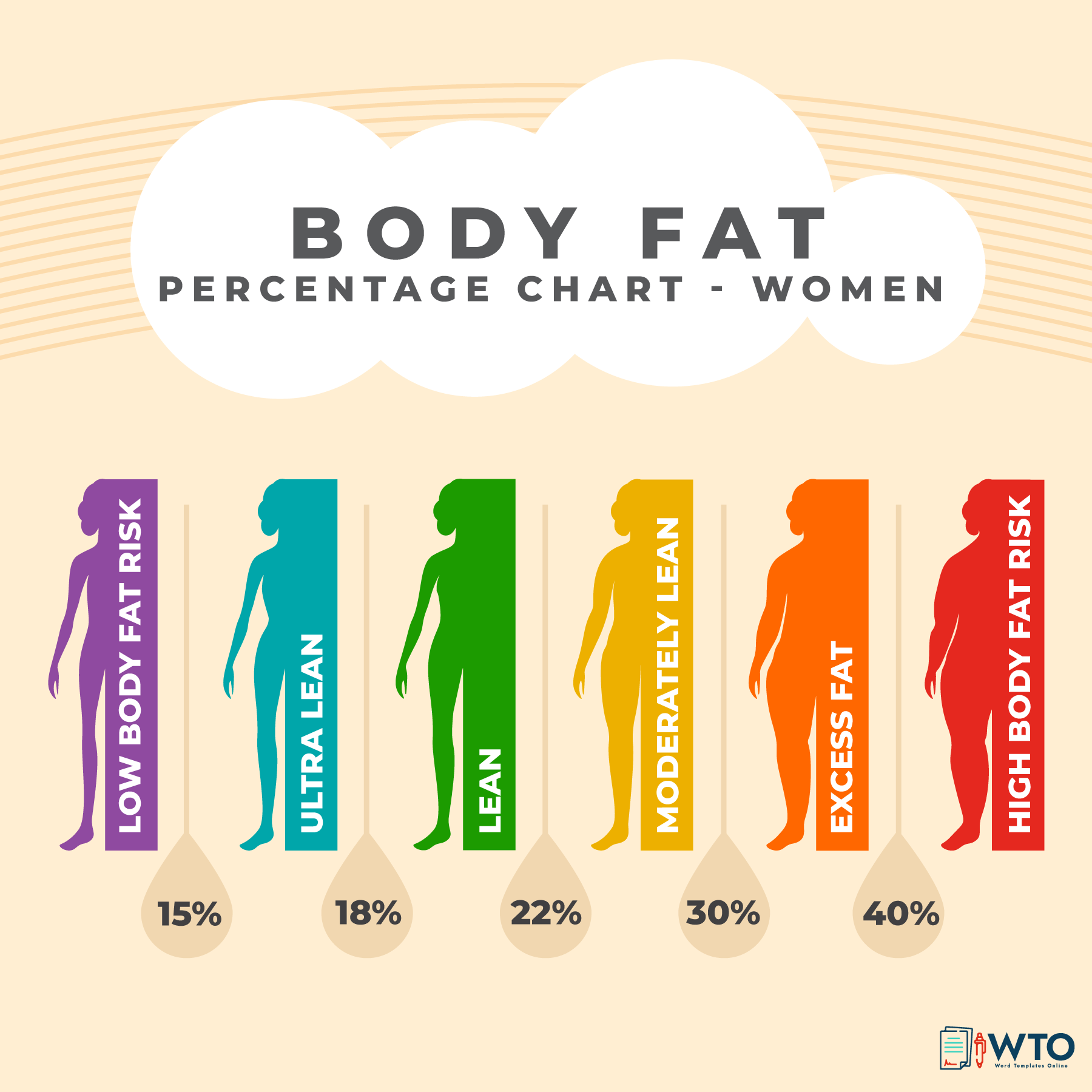
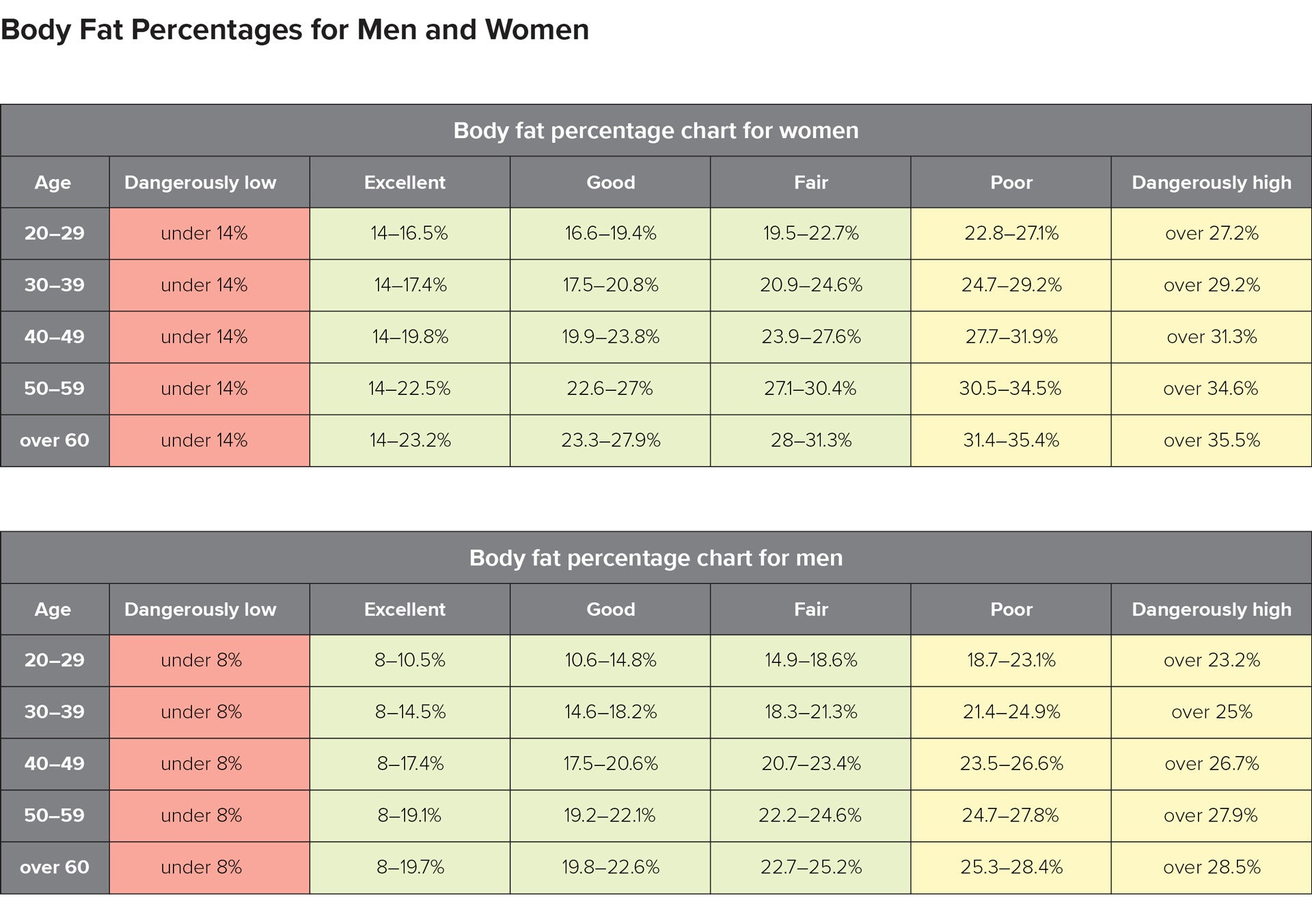
Beyond essential fat, women require an additional energy reserve known as storage fat, which accumulates in adipose tissue beneath the skin (subcutaneous fat) and around internal organs (visceral fat). Total body fat percentages for healthy adult women typically range from 21% to 34%, depending on age and fitness levels. When body fat drops below the lower boundary of fitness norms—typically under 14% to 16%—the body begins to experience physiological strain, transitioning from an athletic state into clinical leanness that can disrupt hormonal systems.
Physiological Thresholds and Measurement Methods
Defining "low body fat" requires precise measurement tools, as visual estimation is notoriously unreliable. Different assessment methodologies yield varying degrees of accuracy, cost, and accessibility. Understanding these tools helps individuals and clinicians evaluate body composition safely.
Common Body Fat Assessment Techniques
- DEXA Scan (Dual-Energy X-ray Absorptiometry): Considered a clinical gold standard, DEXA measures bone mineral density alongside regional and total body fat mass with high precision.
- Hydrostatic Weighing: Underwater weighing calculates body density based on water displacement, offering high accuracy but requiring specialized laboratory equipment and immersion.
- Skinfold Calipers: Measures subcutaneous fat thickness at specific anatomical sites. When performed by a trained technician, it correlates well with denser methods, though human error is common.
- Bioelectrical Impedance Analysis (BIA): Sends a low electrical current through the body. While convenient and commonly found in consumer scales, BIA is heavily influenced by hydration status, caffeine intake, and skin temperature.
| Measurement Method | Accuracy | Accessibility | Cost | Primary Limitations |
|---|---|---|---|---|
| DEXA Scan | Very High | Low (Clinical/Lab) | High | Radiation exposure (minimal), expensive, limited availability. |
| Hydrostatic Weighing | High | Very Low | High | Requires full submersion, specialized facility, and technical skill. |
| Skinfold Calipers | Moderate to High | Moderate | Low to Moderate | Dependent on technician skill and hydration levels. |
| Bioelectrical Impedance | Low to Moderate | High | Low | Highly sensitive to water retention, food intake, and electrolyte balance. |
Hormonal Disruption and the Female Triad
The most profound consequence of sustained low body fat in women is the disruption of the endocrine system, particularly the hypothalamic-pituitary-ovarian (HPO) axis. Adipose tissue secretes leptin, a hormone that signals energy availability to the brain. When body fat drops too low or energy availability remains chronically restricted, leptin levels plummet.
This hormonal cascade suppresses the pulsatile release of gonadotropin-releasing hormone (GnRH) from the hypothalamus. Consequently, luteinizing hormone (LH) and follicle-stimulating hormone (FSH) secretion drops, halting ovulation and progesterone production. This manifests clinically as hypothalamic amenorrhea—the absence of menstruation for three or more consecutive months.
Hypothalamic amenorrhea is a hallmark of the Female Athlete Triad, a recognized syndrome comprising low energy availability (with or without disordered eating), menstrual dysfunction, and decreased bone mineral density.
- Low Energy Availability (Dietary Restriction / Excessive Exercise)
- Suppressed Leptin & Altered Metabolic Hormones
- Hypothalamic Suppression (Reduced GnRH, LH, FSH)
- Hormonal Consequences: Amenorrhea, Low Estrogen, Decreased Bone Density
- Hypothalamic Suppression (Reduced GnRH, LH, FSH)
- Suppressed Leptin & Altered Metabolic Hormones
Estrogen plays a critical role in bone remodeling by inhibiting osteoclast activity (cells that break down bone). When low body fat leads to estrogen deficiency, bone resorption outpaces bone formation. This accelerates mineral loss, leading to osteopenia or osteoporosis at a young age, significantly increasing the lifetime risk of stress fractures and debilitating bone breaks.
Metabolic, Immune, and Psychological Impacts
Beyond reproductive health, sustaining extremely low body fat levels places systemic stress on the human organism. The body interprets severe leanness as a state of starvation, triggering adaptive thermogenesis—a metabolic slowdown designed to conserve energy.
Metabolic Adaptation and Thyroid Function
As body fat and caloric intake remain low for extended periods, circulating levels of triiodothyronine (T3), the active thyroid hormone, decline. Basal metabolic rate decreases, energy levels drop, and core body temperature often drops, leading to chronic cold intolerance. The body prioritizes vital organ function while downregulating non-essential physiological processes, including physical recovery, hair growth, and immune surveillance.
Immune System Vulnerability
Fat tissue houses various immune cells. Extreme dietary restriction and low fat mass impair white blood cell function and cytokine production. Women with very low body fat frequently report increased susceptibility to upper respiratory infections, slower wound healing, and prolonged recovery times from minor illnesses or training sessions.
Psychological and Cognitive Effects
The brain relies heavily on stable energy substrates and lipids. Chronic energy deficits associated with low body fat often manifest as irritability, brain fog, anxiety, obsessive thoughts about food, and depressive symptoms. Sleep architecture is frequently disrupted, leading to fragmented rest and elevated cortisol levels, which further suppresses immune and reproductive function.
Factors Influencing Individual Tolerance to Leanness
Not all women experience the same physiological fallout at the same body fat percentage. Genetic predispositions, metabolic history, and lifestyle factors create a wide variance in how individuals tolerate lower levels of adipose tissue.
- Genetics and Fat Distribution: Some women naturally carry a leaner constitution without suppressing their menstrual cycle, while others experience amenorrhea at higher body fat thresholds (e.g., 20%).
- Rate of Fat Loss: Rapid weight loss through crash dieting or extreme caloric restriction triggers a much harsher hormonal backlash than slow, gradual body recomposition.
- Training Load and Stress: High-volume athletic training combined with low body fat amplifies cortisol output, signaling severe physical stress to the HPO axis.
- Nutritional Adequacy: Diets devoid of essential fatty acids and micronutrients exacerbate endocrine dysfunction, even if total body fat is maintained at a moderate level.
Nutritional and Behavioral Mitigation Strategies
For women pursuing athletic performance or physique goals, balancing leanness with long-term health requires structured protocols. Restoring or maintaining hormonal balance depends on shifting away from chronic restriction toward sustainable fueling practices.
- Prioritize Energy Availability: Ensure caloric intake matches the demands of basal metabolism, daily activities, and physical training. Avoid prolonged, aggressive caloric deficits.
- Incorporate Dietary Fats: Dietary lipids are essential precursors for hormone synthesis, including cholesterol and steroid hormones. Fat intake should generally not drop below 20% to 30% of total daily calories.
- Periodize Training Intensity: Alternate intense training phases with structured deload weeks to prevent chronic elevation of stress hormones and support tissue recovery.
- Monitor Biomarkers: Regularly assess menstrual regularity, bone density, and standard blood panels (including thyroid hormones, lipid profiles, and iron status) with qualified medical professionals.
Frequently Asked Questions
What is the minimum safe body fat percentage for women?
The absolute minimum safe body fat percentage for women is generally considered to be around 10% to 13%, representing essential fat reserves. However, most women experience hormonal and metabolic disruption well above this threshold. Clinical guidelines suggest maintaining a body fat percentage above 21% to support optimal reproductive and bone health.
Can a woman have low body fat and still have a regular menstrual cycle?
Yes. Some women maintain a naturally lean physique and low body fat percentage while preserving regular ovulation and menstruation. This variation depends on individual genetics, metabolic set-points, and adequate daily energy intake without chronic physiological stress.
What is hypothalamic amenorrhea, and how is it treated?
Hypothalamic amenorrhea is the cessation of menstruation caused by functional suppression of the hypothalamus due to low energy availability, excessive exercise, or psychological stress. Treatment primarily involves increasing overall caloric intake, reducing excessive training volume, and allowing body fat to return to a level that signals safety to the endocrine system.
How do DEXA scans compare to smart scales for measuring body fat?
DEXA scans use low-dose X-rays to map bone density and soft tissue composition across the entire body, offering high clinical accuracy. Smart scales use bioelectrical impedance analysis, which estimates body fat based on electrical conductivity. Because hydration, food intake, and skin moisture heavily alter electrical current flow, smart scales often show significant daily variance and lower accuracy than clinical imaging.
Is low body fat synonymous with physical fitness?
No. Fitness encompasses cardiovascular endurance, muscular strength, flexibility, and metabolic health. Extremely low body fat frequently compromises these attributes by depleting energy reserves, weakening bones, and impairing immune function, ultimately undermining long-term physical capability.
Next Steps and Professional Guidance
Evaluating body composition should always be balanced against functional health markers and overall well-being. Individuals experiencing persistent fatigue, irregular or absent menstrual cycles, frequent injuries, or cold intolerance should consult a primary care physician, a sports endocrinologist, or a registered dietitian. Professional guidance ensures that any adjustments to nutrition and training prioritize long-term metabolic integrity and endocrine health over short-term aesthetic goals.
Image Gallery