Why The Pitt on Netflix Matters: Streaming Strategy, Content Licensing, and Television Economics
The presence of The Pitt on Netflix highlights a major structural shift in television economics: the end of exclusive streaming "walled gardens" and the return of multi-platform licensing. By distributing Warner Bros. Television’s medi...
The presence of The Pitt on Netflix highlights a major structural shift in television economics: the end of exclusive streaming "walled gardens" and the return of multi-platform licensing. By distributing Warner Bros. Television’s medical drama on Netflix's massive global infrastructure, media executives are prioritizing content monetization, expanding audience reach, and revitalizing procedural storytelling.
Contents
The Production and Licensing Context of The Pitt
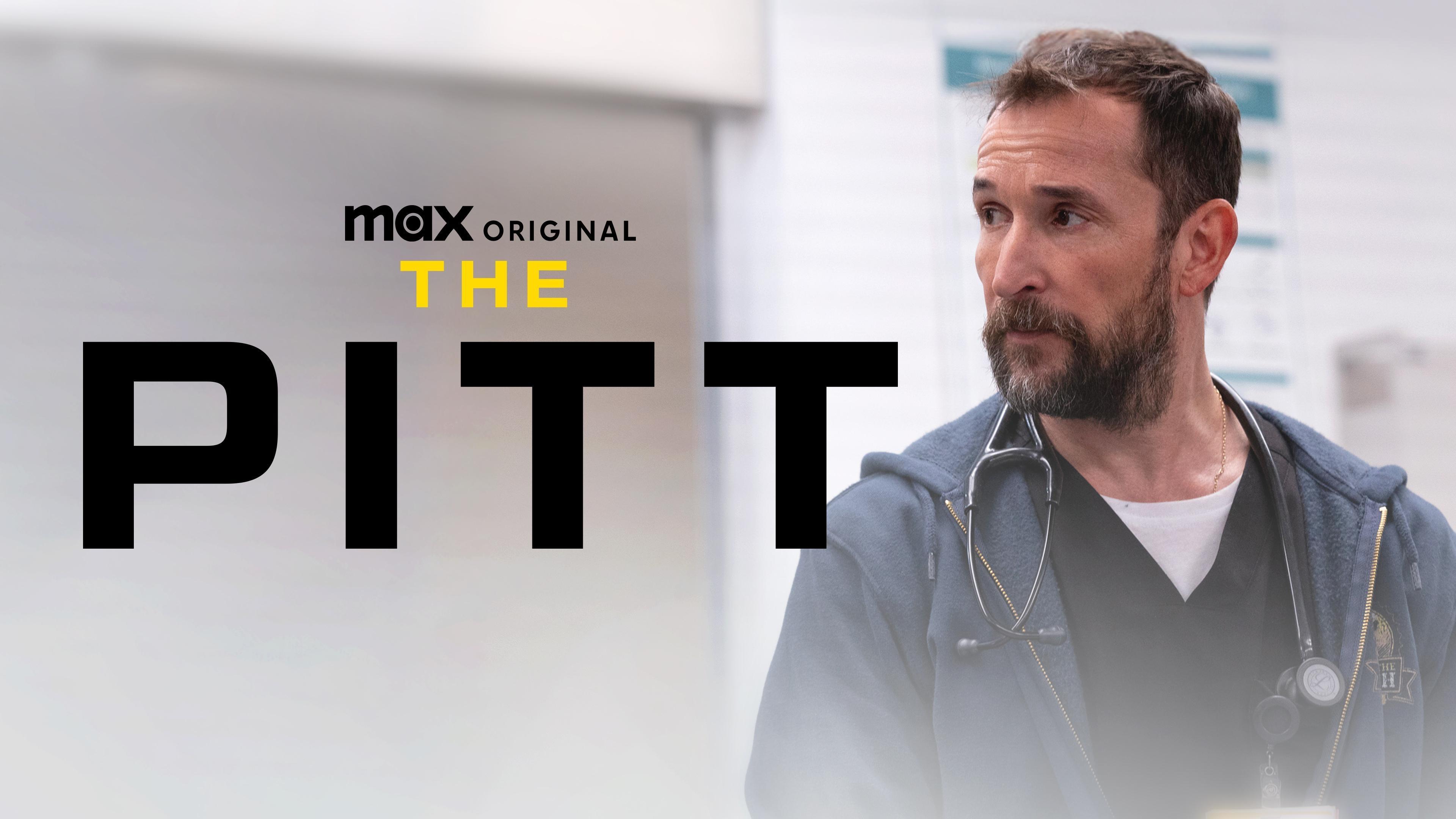
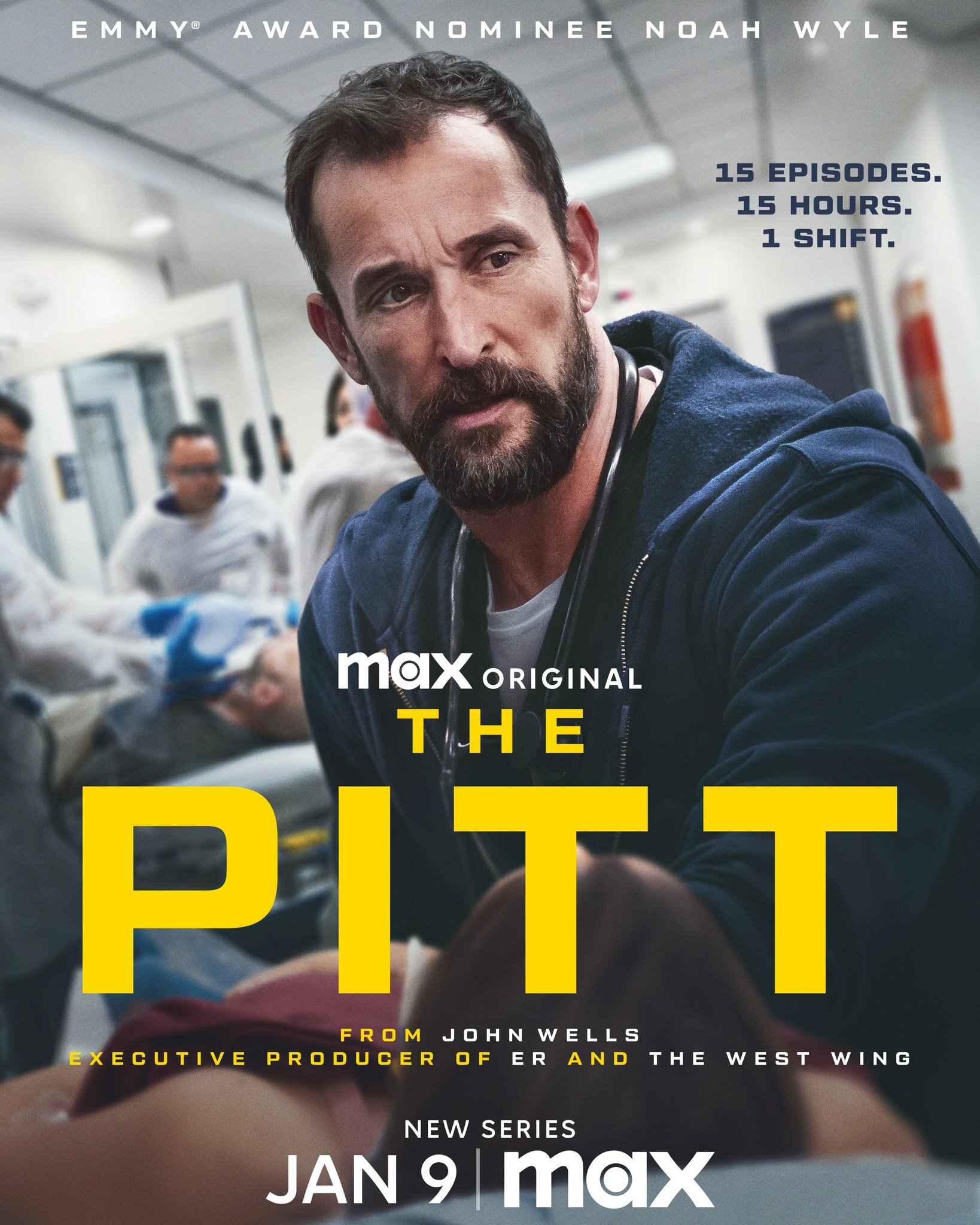
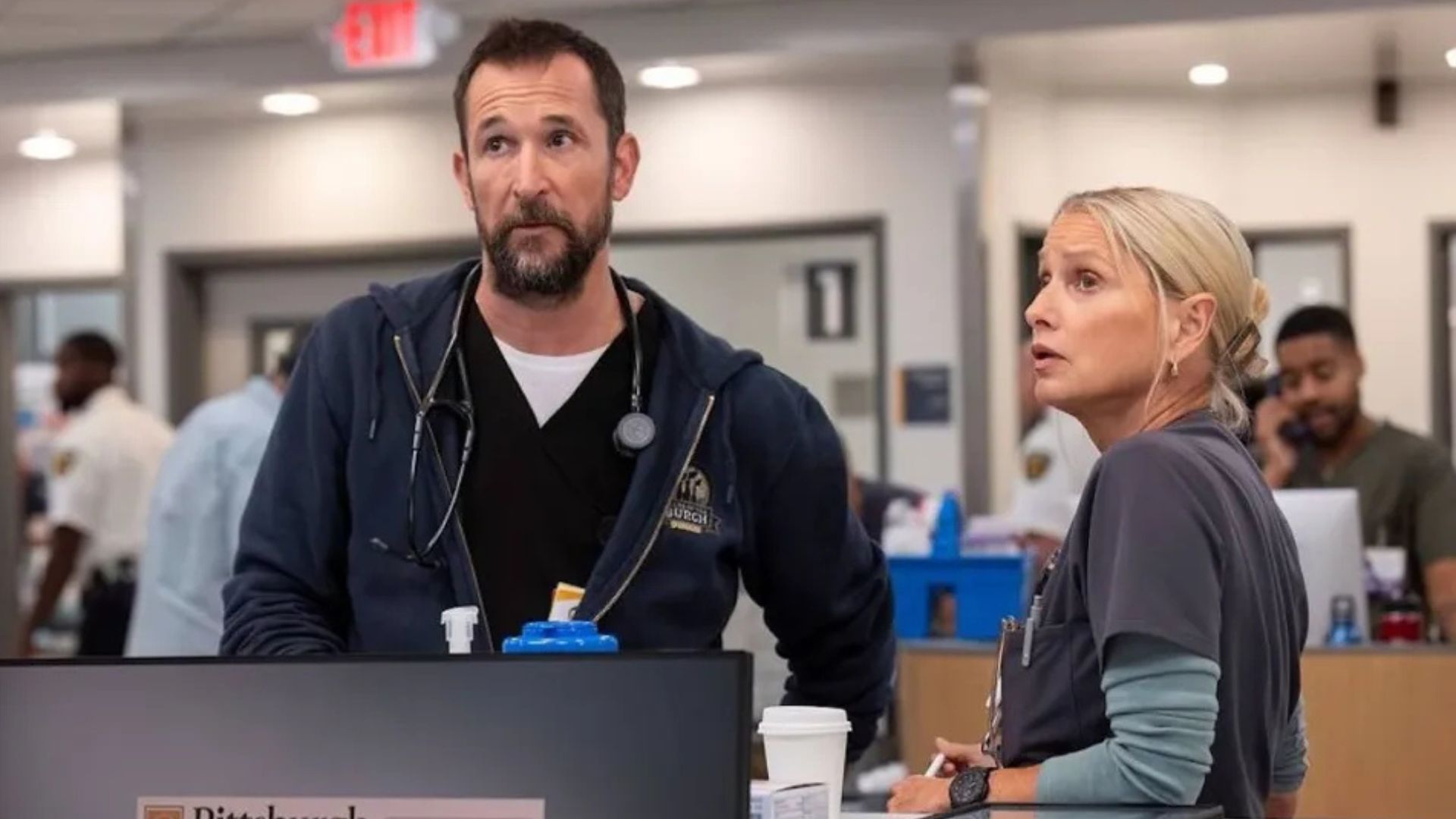
Created by showrunner R. Scott Gemmill and starring Noah Wyle, The Pitt is a high-profile medical drama produced by Warner Bros. Television alongside executive producer John Wells. Reuniting key creative talent behind ER, the series follows healthcare workers navigating the modern, high-pressure environment of a Pittsburgh hospital. While initial platform development was tied to Warner Bros. Discovery’s primary streaming service, Max, the series' presence on Netflix—whether through non-exclusive streaming arrangements, international distribution windows, or secondary licensing—represents a turning point in entertainment distribution.
For years, major media conglomerates operated under the belief that keeping premium content strictly exclusive to proprietary streaming services was the only way to win the "Streaming Wars." Companies invested billions of dollars building walled gardens, pulling hit series off third-party services to feed their own direct-to-consumer (DTC) platforms. However, escalating production costs, subscriber saturation, and Wall Street’s shift from prioritizing subscriber growth to demanding profitability forced studios to re-evaluate this approach.
Warner Bros. Television operating as an arms-dealer studio that licenses premier series like The Pitt to Netflix marks a return to fundamental entertainment economics. Rather than treating content strictly as leverage to sell monthly app subscriptions, studios are once again treating high-value television as an asset to be syndicated across every viable commercial window.
Why The Pitt Being on Netflix Matters to the Industry
The distribution path of The Pitt on Netflix carries significant implications for studio executives, streaming platforms, creators, and consumers alike. Analyzing why this distribution arrangement matters reveals several core trends shaping the future of television.
- Warner Bros. Television (IP)
- Max (First Window / Co-Exclusive DTC)
- Netflix (Global SVOD Licensing Engine)
- High-Volume Reach, Monetization, & Extended Long-Tail Value
1. The Breakdown of the Exclusive "Walled Garden" Model
The most critical implication of The Pitt arriving on Netflix is the confirmation that total streaming exclusivity is financially unsustainable for legacy studios. When media companies restricted their film and television catalogs strictly to their in-house platforms, they surrendered billions of dollars in traditional third-party licensing revenue.
By making content available on rival platforms, legacy studios create immediate, high-margin revenue streams. A non-exclusive licensing model allows Warner Bros. Discovery to collect substantial licensing fees from Netflix while simultaneously retaining the show on its owned-and-operated platform, Max. This dual-window distribution proves that content can generate enterprise value across multiple environments without diluting the primary brand.
2. The Power of "The Netflix Effect"
Netflix maintains an unmatched global footprint, reaching over 280 million paying subscribers worldwide. When third-party studio series land on Netflix, they frequently experience a massive resurgence in cultural relevance and viewership—a phenomenon widely documented as "The Netflix Effect."
Recent years demonstrated this dynamic when licensed legacy shows like Suits, as well as premium HBO library titles like Band of Brothers, Ballers, and Insecure, dominated global streaming charts after being added to Netflix. For a new procedural drama like The Pitt, placement on Netflix ensures immediate access to a vast, passive-viewing audience that might never discover the show behind a single-service paywall. Increased viewership elevates the show’s brand equity, driving merchandise sales, international format sales, and award recognition.
3. Revitalizing the High-Volume Procedural Drama
During the height of peak TV, streaming platforms prioritized short, cinematic, 6-to-8 episode miniseries. While high-budget limited series generate critical acclaim, they are often difficult to monetize long-term because subscribers finish them quickly and move on, contributing to subscription churn.
The Pitt was greenlit with a 15-episode order, signaling a deliberate return to traditional broadcast-style seasonal structures. Medical procedurals, legal dramas, and police series thrive on longer episode runs because they build deep character familiarity and lend themselves to continuous binge-watching. Bringing a 15-episode medical drama to Netflix gives the platform a steady stream of re-watchable hours, satisfying subscriber demand for multi-season, comfort-viewing procedural television.
4. Re-establishing Studio Autonomy and Monetization
Historically, Hollywood studios functioned as independent production engines that sold content to whichever network paid the highest fee. The vertical integration craze of 2019 forced production arms (like Warner Bros. Television) to act primarily as internal suppliers for in-house distribution arms (like Max).
The licensing of The Pitt signals a return to studio autonomy. Warner Bros. Television can act as a true third-party supplier, extracting top-dollar licensing fees from market leaders like Netflix. This shifts the financial risk away from a single streaming platform and distributes capital costs across global partners, guaranteeing profitability for high-budget productions regardless of individual platform performance.
Comparing Distribution Models in Modern Television
To understand how The Pitt fits into current industry practices, it helps to compare traditional and modern distribution mechanisms across revenue, reach, and financial risk.
| Distribution Model | Primary Revenue Mechanism | Global Reach & Audience Scale | Financial Risk for Studio | Strategic Primary Objective |
|---|---|---|---|---|
| Exclusive First-Party SVOD | Monthly subscription fees; platform retention | Restricted to proprietary app subscriber base | High (Studio bears 100% of production & distribution cost) | Drive app sign-ups and reduce platform subscriber churn |
| Non-Exclusive Dual Licensing (e.g., The Pitt) | Upfront licensing fees + shared SVOD subscription value | Maximum (Appears on both specialized & mass-market apps) | Low-to-Moderate (Upfront fee offsets production budget) | Maximize immediate revenue and broad cultural reach |
| Traditional Linear Syndication | Local broadcast ad-sales & per-episode licensing fees | Regional/National linear broadcast viewers | Low (Leverages existing library assets) | Monetize catalog IP post-first-run broadcast window |
| FAST (Free Ad-Supported TV) | Programmatic digital ad-insertion revenue | Broad, free access for un-subscribed digital viewers | Very Low (Low streaming infrastructure cost) | Monetize low-engagement back-catalog content |
Legal, Guild, and Royalty Implications for Creators
The shift toward multi-platform licensing directly impacts how creative talent is compensated. During the early streaming era, traditional syndication residuals were largely replaced by upfront buyouts or fixed platform-buyout fees. Creators, writers, and actors frequently expressed frustration over losing out on long-term backend royalties when a show became a massive hit on a single streaming service.
With series like The Pitt streaming across platforms like Netflix and Max:
- Residual Negotiations: Collective bargaining agreements negotiated by SAG-AFTRA, the WGA, and the DGA include explicit formulas for foreign and domestic SVOD licensing. When a studio licenses a show to a secondary platform, it triggers new residual payment obligations to cast and crew.
- Profit Participation: High-profile showrunners and lead talent like Noah Wyle often retain backend profit participation points. Non-exclusive licensing agreements generate clean, accountable licensing revenue that accelerates the timeline for a show to reach net profitability.
- IP and Legal Precedents: The production of medical dramas by established creators also highlights intellectual property boundaries. When legacy creatives return to familiar genres (such as the team behind ER creating The Pitt), multi-platform distribution amplifies scrutiny around format rights, character copyright, and studio ownership boundaries.
What This Licensing Shift Means for Viewers
For the average television viewer, the distribution of The Pitt on Netflix represents a shift toward platform convenience.
- Legacy Era
- Multiple Subscriptions Required
- Siloed Content
- Current Era
- Strategic Co-Licensing
- Hit Shows Accessible on Primary Apps
- Reduced Subscription Fatigue: Viewers no longer need to subscribe to every individual media company's app to watch top-tier original drama. Netflix acts as an aggregator for major television events.
- Flexible Viewing Windows: While premiere episodes may debut on primary platforms or regional services first, secondary licensing windows allow patient viewers to watch full seasons within their existing subscription packages.
- Sustained Show Renewals: When a show is profitable due to licensing revenue, studios are far less likely to cancel it abruptly after one or two seasons. High viewing metrics on Netflix provide studios with the financial incentive to order additional 15-episode seasons, giving fans long-term story continuity.
Frequently Asked Questions
Is The Pitt a direct spin-off or reboot of ER?
No. The Pitt is an original medical drama series created by R. Scott Gemmill. While it stars Noah Wyle and shares key executive producers (such as John Wells) who worked on ER, it features entirely new characters, a modern Pittsburgh hospital setting, and updated storylines distinct from the classic NBC series.
Why did Warner Bros. Discovery license content like The Pitt to Netflix?
Warner Bros. Discovery adopted a multi-platform content strategy to maximize revenue and reach broader audiences. Licensing high-quality series to Netflix generates upfront licensing fees, offsets production budgets, and exposes the show to Netflix's massive global subscriber base without abandoning Warner Bros.' own platforms.
What is "The Netflix Effect" in modern television?
"The Netflix Effect" refers to the dramatic surge in viewership, cultural visibility, and media coverage a television show experiences when added to Netflix. Due to Netflix's algorithm-driven discovery engine and massive international user base, licensed titles frequently hit top streaming charts long after their initial release.
Why is the 15-episode season order for The Pitt significant?
Most modern streaming series feature short runs of 6 to 10 episodes. A 15-episode season order represents a hybrid approach between short streaming seasons and traditional 22-episode broadcast TV formats. This longer run allows for deeper character development, procedural case-of-the-week storytelling, and better long-tail monetization.
Will more studios license their original shows to rival platforms in 2026?
Yes. The entertainment industry has largely pivoted away from strict platform exclusivity. Legacy media companies routinely balance direct-to-consumer platform needs with third-party licensing to secure guaranteed revenue, reduce financial risk, and maintain sustainable production schedules.
Strategic Takeaway for the Media Landscape
The availability of The Pitt on Netflix illustrates that content performance matters more than platform exclusivity. For media companies, success in 2026 is defined by maximizing the return on production investments across every available distribution channel. For creators, multi-platform licensing offers broader cultural reach and sustainable compensation. For viewers, it marks a welcome return to centralized, accessible television entertainment.
Image Gallery