How to Break Food Obsession in Dogs: A Comprehensive Behavioral Guide
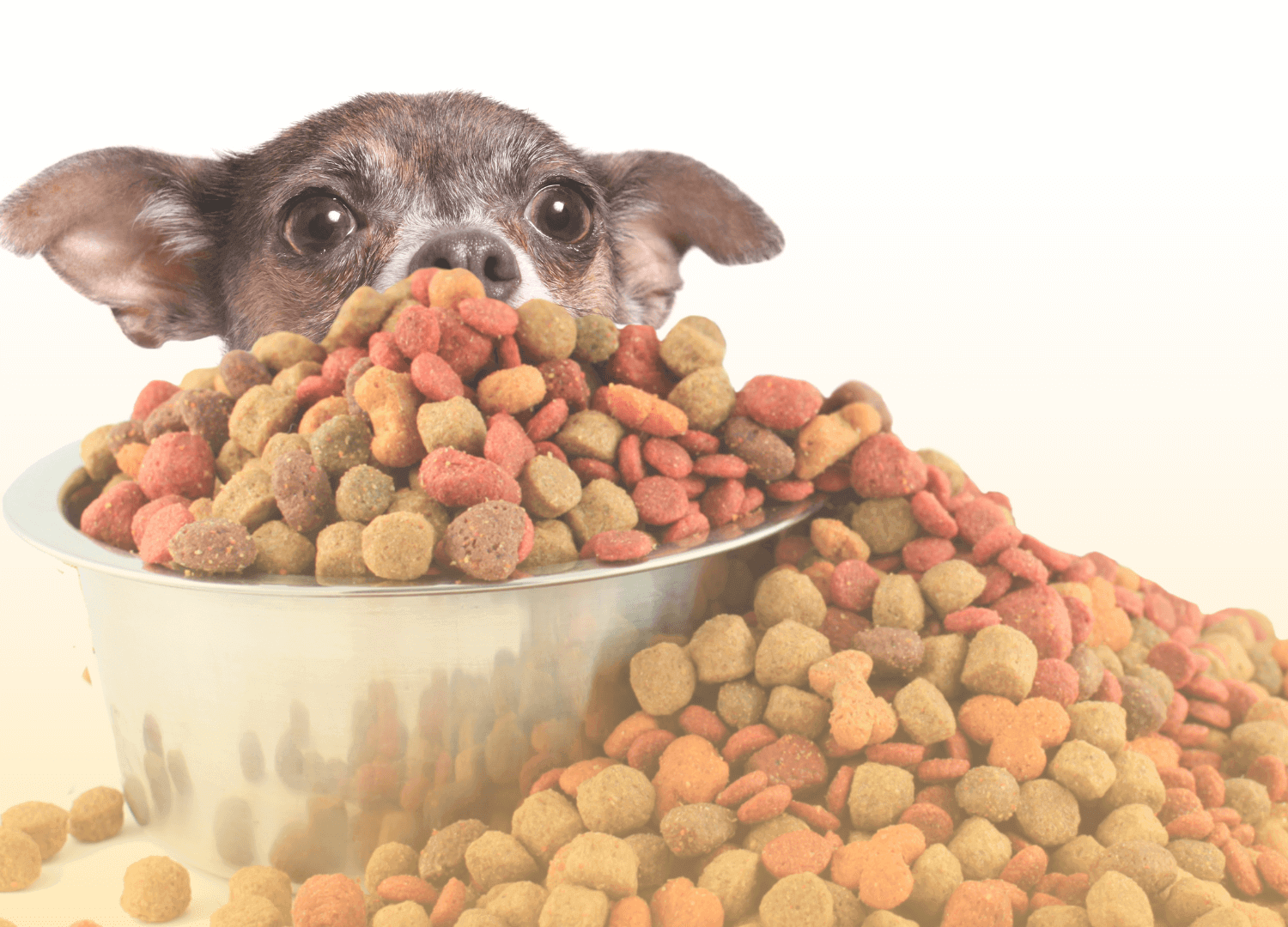
Breaking a food obsession in dogs requires a structured approach that prioritizes medical evaluation, environmental management, and the re-establishment of feeding boundaries. An obsessive focus on food often manifests as constant begg...
Breaking a food obsession in dogs requires a structured approach that prioritizes medical evaluation, environmental management, and the re-establishment of feeding boundaries. An obsessive focus on food often manifests as constant begging, scavenging, resource guarding, or high-anxiety behaviors around mealtime, which can significantly diminish a dog's quality of life and create stress within a household.
Contents
Understanding the Roots of Food Obsession
Before implementing behavioral modifications, it is essential to distinguish between a canine's natural scavenger instinct and a clinical obsession. Dogs are facultative carnivores with an evolutionary history as opportunistic feeders. In many cases, food obsession is a learned behavior reinforced by intermittent rewards. However, owners must first rule out underlying physiological drivers.
Several medical conditions can drive pathological hunger (polyphagia). If a dog suddenly begins displaying extreme food-seeking behavior, a veterinary examination is the first mandatory step. Conditions such as diabetes mellitus, Cushing’s disease, hyperthyroidism, or malabsorption syndromes can cause a dog to feel constantly starved. Furthermore, certain medications, particularly corticosteroids like prednisone, are known to induce intense hunger as a side effect. By securing a clean bill of health, you ensure that the behavioral plan is appropriate and that you are not suppressing a genuine physical need.
The Role of Environmental Management
Once medical causes are excluded, management becomes the primary tool for reducing the dog’s stress levels and the frequency of "obsessive" triggers. Management is not a cure, but it is an essential foundation that prevents the rehearsal of unwanted behaviors.
- Eliminate Opportunistic Scavenging: Ensure all trash cans are secured with locking lids. If the dog is prone to counter-surfing, install physical barriers or crate the dog during high-risk times, such as meal preparation or kitchen cleanup.
- Controlled Feeding Environments: Move the dog’s feeding station to a quiet, low-traffic area. If you have multiple dogs, feed them in separate rooms or crates to eliminate the competition-induced anxiety that often fuels rapid eating and resource guarding.
- Predictability: Feed at consistent times. When a dog knows exactly when sustenance is coming, the compulsion to scan the environment for "windfalls" often decreases.
Implementing Behavioral Modification Techniques
To break the cycle of obsession, you must shift the dog’s focus from "food-seeking" to "task-fulfillment."
Counter-Conditioning and Desensitization If your dog exhibits anxiety or intensity when you enter the kitchen, use counter-conditioning to change their emotional response. Start by rewarding the dog for calm behaviors at a distance from the food source. Use a "place" command to teach the dog that their job during your meal prep is to remain on a mat or in a bed. By rewarding the dog for staying away from the food, you replace the high-arousal pursuit of food with a low-arousal state of waiting.
Increasing Mental Enrichment Many dogs develop food obsessions because their lives lack sufficient mental stimulation. If a dog’s only "job" is to wait for the next meal, food becomes the primary focus of their existence. Incorporate daily training sessions that require problem-solving. Use puzzle toys or slow-feeders instead of standard bowls. By making the dog "work" for their calories, you burn mental energy, which often satisfies the dog's drive to forage in a way that is structured rather than obsessive.
Comparative Methods for Mealtime Management
Choosing the right feeding strategy depends on the severity of the obsession and the dog's baseline temperament. The following table compares common methods for managing food-intense behavior.
| Method | Best For | Mechanism | Primary Limitation |
|---|---|---|---|
| Fixed Scheduling | General begging | Removes uncertainty | Does not address boredom |
| Puzzle Feeders | Fast eaters/Scavengers | Increases engagement time | High maintenance/cleanup |
| "Place" Training | Kitchen intruders | Teaches impulse control | Requires consistent training |
| Multi-meal Splitting | Medical polyphagia | Maintains blood glucose | Requires owner availability |
Common Mistakes to Avoid
When working to curb food-related behaviors, consistency is the most important variable. One of the most frequent errors is "variable reinforcement." If you ignore the dog’s begging five times but give in to the "sad eyes" on the sixth attempt, you have effectively turned the behavior into a slot machine. The dog will learn that the "jackpot" eventually arrives if they persist long enough, which actually makes the behavior more resistant to extinction.
Additionally, avoid using punishment-based methods such as shouting or physical displacement. Since food obsession is often linked to anxiety, punishment can increase the dog's stress, potentially leading to defensive resource guarding. Focus instead on "negative punishment"—which, in behavioral terms, means the removal of the reward (you) when the unwanted behavior (begging) occurs. If the dog begs, immediately leave the room or remove the food, teaching them that begging results in the loss of their goal, not the acquisition of it.
Troubleshooting Persistent Obsession
If you have implemented structural changes and consistent training for several weeks without improvement, reconsider the dog's daily routine. High-energy breeds or working-line dogs may require significantly more physical exercise than the average pet owner provides. A tired, mentally satisfied dog is rarely an obsessive one.
If the behavior remains extreme despite these efforts, consult a veterinary behaviorist. These professionals can provide a formal assessment to determine if the dog has developed a Canine Compulsive Disorder (CCD). In some clinical cases, pharmaceutical support alongside a rigorous behavior modification program is necessary to lower the dog's baseline arousal enough to make learning possible.
Frequently Asked Questions
Why does my dog follow me into the kitchen even when he has already eaten? Dogs are social foragers. Often, following you is a learned association rather than a sign of hunger. The dog has learned that being near you during food preparation increases the odds of a dropped crumb or a scrap. By consistently ignoring this behavior and using a "place" command, you can break the association between your location and the availability of treats.
Is it normal for a dog to act frantic at mealtime? While some excitement is normal, "frantic" behavior—such as spinning, vocalizing, or snapping—is a sign of poor impulse control or competition-induced stress. This should be addressed through training, such as requiring a "sit" or "stay" before the bowl is placed on the floor, to ensure the dog remains in a calm state before eating.
Do puzzle feeders actually help with obsession? Yes, for many dogs, puzzle feeders satisfy the innate, biological drive to forage. Instead of consuming a meal in 30 seconds, the dog must navigate a challenge, which provides a constructive outlet for their food-focused energy and prevents the "vacuuming" behavior that often leads to digestive upset.
Could my dog's food brand be contributing to the obsession? It is possible. If a food is extremely low in fiber or imbalanced, the dog may feel physically unsatisfied despite consuming the correct number of calories. Consult your veterinarian about whether a higher-satiety diet (often higher in fiber) might assist in managing the dog's hunger levels.
When should I involve a professional trainer? If the food obsession has escalated into resource guarding—where the dog growls, snaps, or bites when you approach their food bowl or a high-value treat—you should stop self-managed training immediately. Resource guarding is a safety issue that requires the guidance of a certified professional to modify without risking injury.
To begin the process of breaking food obsession, start by logging your dog's daily routines for one week. Identify the exact moments when the obsession peaks, then implement a management strategy for each trigger. Consistency in your response to these moments is the most effective path toward a more balanced, less food-focused companion.
Image Gallery