How the University of Maryland Handles Long-Term Life Insurance
The University of Maryland (UMD) manages life insurance benefits through the Maryland State Employee Benefits Division, utilizing MetLife as the primary insurance carrier for the 2026 plan year. Employees can access basic term life ins...
The University of Maryland (UMD) manages life insurance benefits through the Maryland State Employee Benefits Division, utilizing MetLife as the primary insurance carrier for the 2026 plan year. Employees can access basic term life insurance, supplemental life insurance for themselves and dependents, and Accidental Death and Dismemberment (AD&D) coverage, primarily managed via the Statewide Personnel System (SPS) Workday portal.
Contents
The University of Maryland, as a constituent institution of the University System of Maryland (USM), does not operate an independent life insurance company. Instead, it provides access to group policies negotiated at the state level. For employees, understanding how these "long-term" protections function requires distinguishing between basic coverage provided as a standard benefit and supplemental layers that allow for higher coverage limits over the duration of one's career.
The Structure of Life Insurance at the University of Maryland
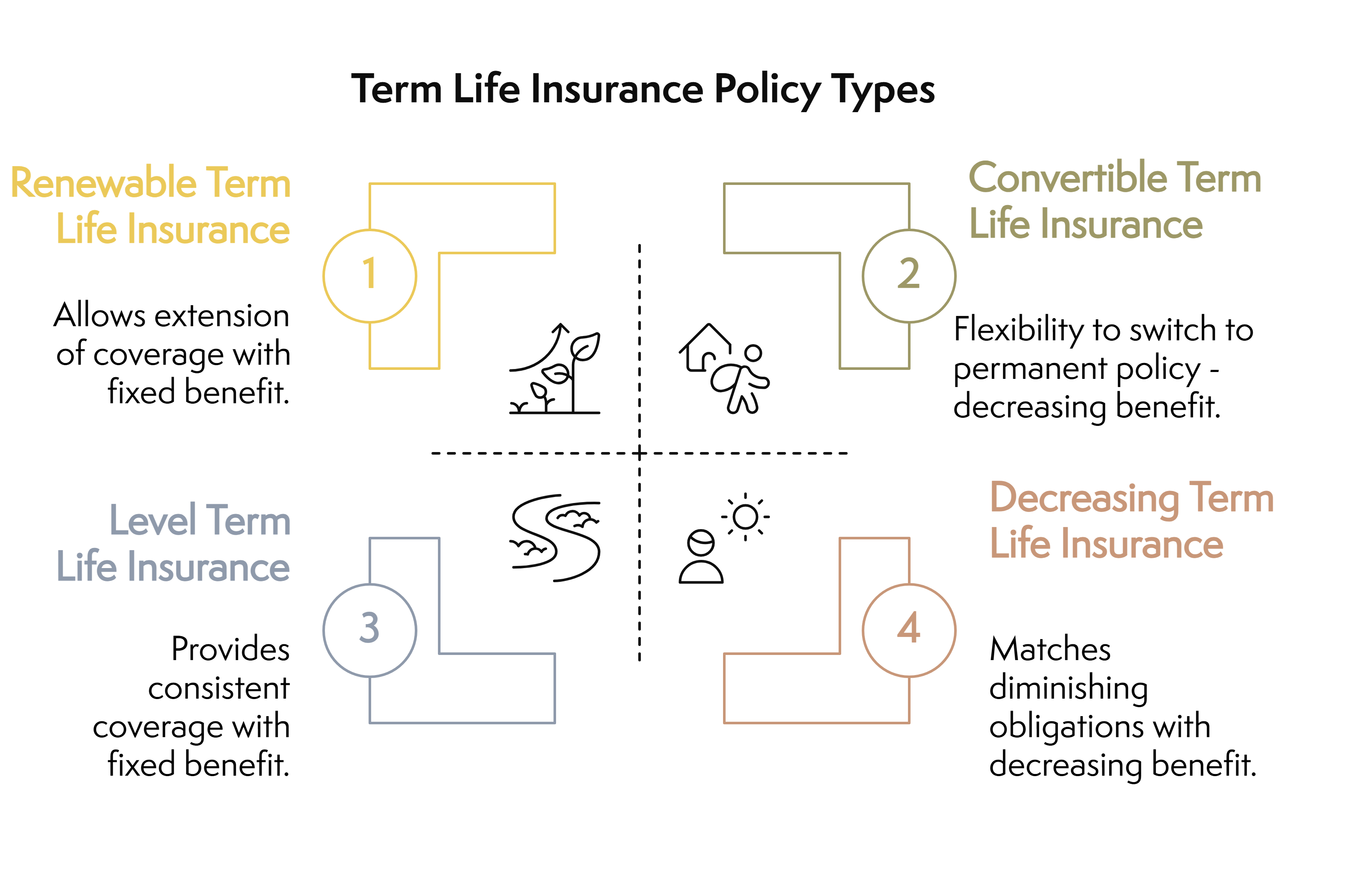
Life insurance at UMD is structured as a "Group Term" policy. Unlike "Whole Life" or "Permanent Life" insurance, which builds cash value over time, term insurance provides a death benefit for a specific period—in this case, for the duration of your employment with the university.
The administration of these benefits is a collaborative effort between the University Human Resources (UHR) office and the Maryland Department of Budget and Management (DBM). While UMD HR assists with local questions and onboarding, the actual policy terms, premium rates, and claims processing are governed by the state’s contract with MetLife.
The Role of MetLife in 2026
MetLife serves as the vendor responsible for underwriting the policies. This means that while you pay your premiums through payroll deductions at UMD, MetLife is the entity that evaluates medical evidence (when required) and pays out benefits to your beneficiaries. In 2026, the integration between the state's Workday system and MetLife’s platform allows for real-time updates to beneficiary designations and coverage levels.
Basic vs. Supplemental Life Insurance: Core Differences
UMD offers two primary tiers of life insurance protection. Understanding the distinction between these is vital for long-term financial planning.
Basic Term Life Insurance
Basic life insurance is designed to provide a foundational level of financial protection. For many state employees, this is an entry-level policy that provides a fixed dollar amount of coverage.
- Coverage Limits: Employees generally select coverage in increments of $10,000. In 2026, the state allows for a maximum of $300,000 in combined life insurance coverage for the employee.
- Cost Structure: Premiums are subsidized by the State of Maryland, making this significantly more affordable than a private individual policy.
- Enrollment: New hires are eligible to enroll within their first 60 days of employment without providing medical history.
Supplemental Life Insurance
Supplemental insurance allows employees to increase their coverage beyond the basic limits. This is particularly relevant for employees with dependents, mortgages, or other significant long-term financial obligations.
- Dependent Coverage: Employees can also purchase supplemental life insurance for their spouses and eligible children. For 2026, spouse coverage is typically available in $10,000 increments up to $150,000 (not to exceed the employee's total coverage).
- Evidence of Insurability (EOI): If an employee chooses to increase their supplemental coverage during an Open Enrollment period—rather than when they are first hired—MetLife may require an EOI. This is a medical questionnaire (and sometimes a physical exam) used to determine the risk level of the applicant.
Eligibility and Enrollment Requirements
Eligibility for life insurance at the University of Maryland is tied to your employment status. Generally, to be eligible for the state-sponsored life insurance plan, you must be a "Regular" status employee (Faculty or Staff) working at least 50% of a full-time equivalent (FTE) position.
Enrollment Windows
- Initial Hire: You have 60 days from your start date to enroll. During this period, coverage is "guaranteed issue," meaning you cannot be denied for medical reasons.
- Open Enrollment: Held annually (usually in the fall), this allows employees to change their coverage for the upcoming 2026–2027 plan year.
- Qualifying Life Events (QLE): Significant events such as marriage, divorce, the birth of a child, or the loss of other coverage allow for a mid-year enrollment window. These changes must usually be submitted through the SPS Workday system within 60 days of the event.
The Importance of the SPS Workday Portal
The State of Maryland utilizes the Workday platform for all benefit elections. UMD employees must log in to this portal to:
- Elect or waive life insurance coverage.
- Update beneficiary information (Primary and Contingent).
- Review current premium deductions.
- Upload required documentation for dependents (e.g., marriage certificates or birth certificates).
Understanding the Costs and Premiums in 2026
The cost of life insurance at UMD is "age-banded." This means the monthly premium increases as the employee enters new age brackets (e.g., 30-34, 35-39, etc.). Premiums are deducted directly from the employee's bi-weekly paycheck on a post-tax basis.
| Coverage Component | Maximum Limit (2026) | Medical Evidence Required? |
|---|---|---|
| Basic/Supplemental Life (Employee) | $300,000 total | Only if increasing after initial hire |
| Spouse Life Insurance | $150,000 | Yes, if over the "guaranteed" threshold |
| Child Life Insurance | $10,000 or $20,000 | No |
| Accidental Death (AD&D) | $300,000 | No |
Note: AD&D is separate from life insurance. It pays out only in the event of an accidental death or a specific type of dismembering injury. It is often much cheaper than standard life insurance because the "trigger" for payment is more restrictive.
Managing Beneficiaries and Claims
One of the most critical aspects of how UMD handles life insurance is the management of beneficiaries. A beneficiary is the person (or entity) who receives the payout upon the employee's death.
Primary vs. Contingent Beneficiaries
- Primary: The first person in line to receive the benefit.
- Contingent: The person who receives the benefit only if the primary beneficiary is deceased at the time of the claim.
UMD employees are encouraged to review their beneficiaries annually during Open Enrollment. Failure to update these after a divorce or family death can lead to legal complications, as the state is contractually obligated to pay the person listed on the official Workday record, regardless of current family dynamics.
The Claims Process
In the event of an employee’s death, the UMD University Human Resources office works with the family to initiate the claim. The family must provide a certified copy of the death certificate. Once UHR notifies the State Employee Benefits Division, the claim is forwarded to MetLife for final adjudication and payment.
Portability and Conversion: What Happens After UMD?
A common question regarding "long-term" life insurance is whether the policy can be kept after leaving the university. UMD’s group term policy offers two options: Portability and Conversion.
1. Portability
Portability allows you to "take the policy with you" as a term policy if you leave UMD for another job or retire. You must apply for portability within a specific window (usually 31 days) after your coverage ends. The rates will likely change from the "group rate" to a "portable rate," which is generally higher but still potentially lower than a new private policy.
2. Conversion
Conversion allows you to change your group term policy into an individual permanent (Whole Life) policy. This does not require a medical exam, making it a valuable option for employees with chronic health conditions who might not qualify for insurance elsewhere. However, Whole Life premiums are significantly more expensive than Term premiums.
Comparison: UMD Benefits vs. Private Life Insurance
While the UMD life insurance plan is convenient and often cheaper for younger employees, it has limitations that some staff may find restrictive.
- Cap on Coverage: The $300,000 limit in 2026 may be insufficient for a primary breadwinner with a high mortgage or multiple children headed to college. Many financial advisors recommend 10x to 15x your annual salary in coverage, which often exceeds the UMD maximum.
- Employment Link: Because it is a group policy, the coverage is fundamentally linked to your job. While portable, the process of maintaining it after employment requires proactive paperwork and higher costs.
- No Cash Value: As a term policy, there is no "savings" component. You are paying for the protection only.
For these reasons, many University of Maryland faculty and staff use the university plan as "base" coverage and supplement it with a private, individual term policy that they own independently of their employer.
Common Mistakes to Avoid
- Ignoring the EOI Request: If you sign up for high levels of supplemental insurance, MetLife will send an email or letter requesting medical information. If you do not complete this within the deadline, your coverage will be capped at the previous guaranteed limit.
- Forgetting Dependent Age Outs: Child life insurance typically ends when the child reaches age 26. The system does not always automatically adjust your premiums downward immediately; it is the employee's responsibility to manage their elections during Open Enrollment.
- Assuming AD&D is Life Insurance: AD&D does not cover death from natural causes (illness, heart attack, etc.). Relying solely on AD&D for family protection is a significant risk.
- Improper Beneficiary Names: Using vague terms like "my children" instead of legal names can delay the payout by months as the insurance company verifies legal heirs.
Frequently Asked Questions
Can I change my life insurance amount at any time?
No. Outside of your initial 60-day hiring window, you can only change your coverage during the annual Open Enrollment period or if you experience a Qualifying Life Event (QLE) such as a birth, marriage, or divorce. Any increases requested during Open Enrollment may require Evidence of Insurability (a health review).
Does UMD provide a free life insurance policy?
While some private employers provide a "1x salary" policy for free, the University of Maryland (via the State of Maryland) generally requires employees to pay the premiums for their selected coverage amount. However, the rates are group-negotiated and highly competitive compared to the open market.
What happens to my life insurance if I go on Leave Without Pay (LWOP)?
If you are on approved Leave Without Pay, you may be able to continue your life insurance coverage by paying the full premium (including the state's portion, if applicable) directly to the State Employee Benefits Division. Failure to make these payments will result in a cancellation of the policy.
Is the life insurance benefit taxable to my beneficiaries?
Generally, life insurance death benefits are not subject to federal income tax. However, if the policy is large enough, it may be considered part of the deceased's estate for estate tax purposes. It is advisable to consult a tax professional for specific 2026 tax code implications regarding large payouts.
Can I have both Basic and Supplemental life insurance?
Yes. At UMD, these are often viewed as a single pool of coverage selected in $10,000 increments. You simply choose the total amount of protection you need, up to the $300,000 limit, and the system calculates the premium based on that total.
Practical Recommendation
For most University of Maryland employees, the state-sponsored life insurance through MetLife is an excellent, low-cost way to secure foundational protection. To maximize this benefit in 2026:
- Maximize Guaranteed Issue: Enroll in the maximum amount you think you might need during your initial 60-day hiring window to avoid medical exams later.
- Audit Your Beneficiaries: Log in to the SPS Workday portal at least once a year to ensure your primary and contingent beneficiaries reflect your current life situation.
- Evaluate Gaps: If your financial obligations (mortgage, tuition, debt) exceed $300,000, look into a private term life insurance policy to sit alongside your UMD coverage.
- Keep Records: Ensure your loved ones know that your life insurance is managed through the State of Maryland and where to find your UMD employee ID, as this will be required to start a claim.
Image Gallery