Why the China Population is So Large: Historical and Socio-Economic Drivers
China's massive population is the result of thousands of years of intensive wet-rice agriculture, which supports high caloric density, combined with long periods of relative political stability. In the mid-20th century, rapid improveme...
China's massive population is the result of thousands of years of intensive wet-rice agriculture, which supports high caloric density, combined with long periods of relative political stability. In the mid-20th century, rapid improvements in public health and a "pro-natalist" government stance led to a modern population explosion before growth eventually slowed.
Contents
As of 2026, China remains one of the two most populous nations on Earth, alongside India. While the country is currently navigating a demographic transition characterized by a shrinking and aging workforce, the sheer scale of its population—roughly 1.4 billion people—is the legacy of deep-rooted geographic, cultural, and political factors. Understanding why China reached this magnitude requires looking beyond modern headlines into the foundational elements of its civilization.
The Geographic and Agricultural Foundation
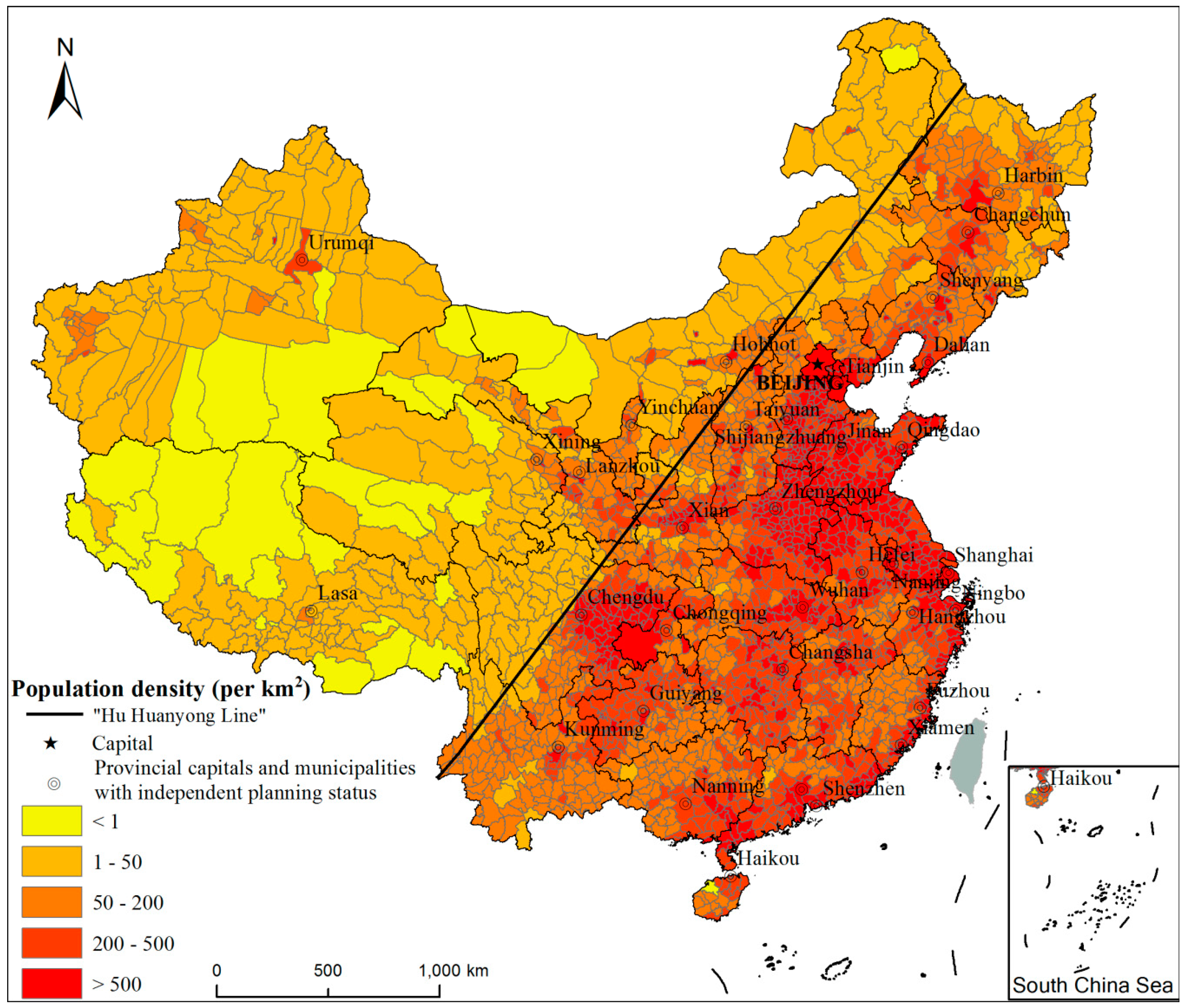
The primary reason for China’s historical population lead over other regions lies in its geography and the specific type of agriculture it fostered. For centuries, the fertile floodplains of the Yellow and Yangtze Rivers provided the perfect environment for intensive farming.
The Superiority of Wet-Rice Cultivation
Unlike the wheat-based agriculture of Europe and the Middle East, China mastered wet-rice cultivation. Rice is an exceptionally efficient crop; it produces significantly more calories per acre than wheat or barley. A single hectare of rice can support more people than a single hectare of almost any other cereal grain.
Furthermore, rice farming is labor-intensive, requiring complex irrigation systems and careful seedling transplantation. This created a self-reinforcing cycle: more labor was needed to increase yields, and the higher yields provided enough food to support a larger labor force. Over generations, this allowed Chinese territories to maintain a much higher population density than Western nations during the medieval and early modern periods.
Introduction of New World Crops
In the 17th and 18th centuries, during the Qing Dynasty, the introduction of crops from the Americas—such as sweet potatoes, corn, and peanuts—triggered a secondary agricultural revolution. These crops could grow in hilly or sandy soils where rice could not. By expanding the amount of arable land, the Qing Dynasty oversaw a population boom that saw the number of people in China double from approximately 150 million to 300 million in just over a century.
Socio-Cultural Pillars: Confucianism and Lineage
The cultural fabric of China has historically placed immense value on large families. For over two millennia, Confucianism served as the moral and social backbone of Chinese society, emphasizing filial piety and the continuation of the family lineage.
The Necessity of Male Heirs
In traditional Chinese society, sons were essential for performing ancestral rites and providing social security for elderly parents. Because infant mortality rates were historically high, families often aimed for multiple sons to ensure at least one would survive to adulthood. This cultural imperative meant that high fertility rates were not just a personal preference but a social and economic necessity.
Large Families as Economic Units
In a pre-industrial agrarian society, children were viewed as economic assets rather than liabilities. A larger family meant more hands for the harvest, more protection for the village, and more stability for the household. This mindset persisted well into the 20th century, creating a significant demographic momentum that was difficult to shift even as the country began to urbanize.
Political Stability and Imperial Expansion
While Europe was often fragmented into warring states, China spent long centuries as a unified empire under a centralized bureaucracy. While there were certainly periods of upheaval and civil war, the long stretches of relative peace (Pax Sinica) during the Han, Tang, Ming, and early Qing dynasties allowed for steady population growth.
Centralized Governance
The Chinese imperial state was exceptionally good at large-scale engineering and disaster relief. The construction of the Grand Canal, for example, allowed for the transport of grain from the fertile south to the more arid north, preventing localized famines from devastating the population. This level of logistical coordination was largely unmatched in the pre-modern world, allowing China to recover from shocks more quickly than other regions.
Territorial Consolidation
The expansion of the Chinese state also brought diverse ethnic groups and vast new territories under a single administrative umbrella. This consolidation prevented the frequent border wars that stunted population growth in other parts of the world, creating a massive, contiguous internal market and a stable environment for family life.
The 20th Century Explosion: 1949–1979
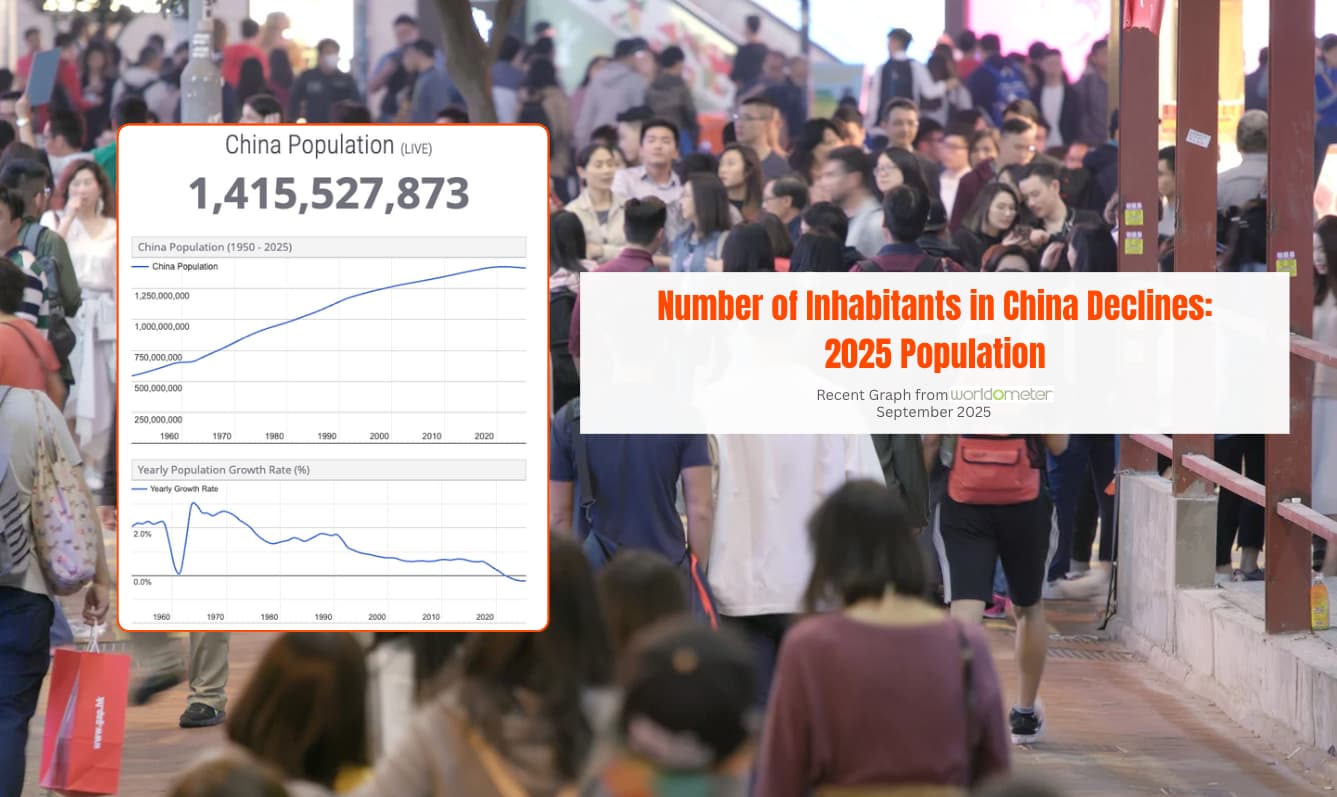
The most dramatic spike in China's population occurred in the mid-20th century. When the People’s Republic of China was founded in 1949, the population stood at roughly 540 million. By the time the One-Child Policy was introduced in 1980, that number had surged to nearly 1 billion.
Mao Zedong’s "Strength in Numbers"
In the early years of his leadership, Mao Zedong viewed a large population as a source of national strength and a vital defense against foreign imperialism. He famously argued that "of all things in the world, people are the most precious." During the 1950s, the government encouraged large families and initially restricted the use of contraception. Although the Great Leap Forward caused a catastrophic famine and a temporary dip in numbers, the subsequent rebound was explosive.
The Public Health Revolution
Simultaneous with pro-natalist views, China underwent a massive improvement in public health. The "Barefoot Doctors" program and national immunization campaigns drastically reduced infant mortality and eradicated many infectious diseases. Life expectancy, which was approximately 35 years in 1949, rose to 65 years by the late 1970s. This transition—where birth rates remained high while death rates plummeted—is the classic recipe for a "population bomb."
Demographic Comparison and Milestones
To understand the scale of China's growth relative to history, it is helpful to look at the population estimates across different eras.
| Historical Era | Estimated Population | Primary Driver of Growth |
|---|---|---|
| Han Dynasty (2 CE) | ~60 Million | Development of iron tools and irrigation. |
| Song Dynasty (1100) | ~100 Million | Expansion of fast-ripening Champa rice. |
| Late Qing (1850) | ~430 Million | Introduction of New World crops (corn, potatoes). |
| PRC Founding (1949) | ~540 Million | End of major civil wars and foreign occupation. |
| Reform Era (1980) | ~980 Million | Rapid public health improvements and high birth rates. |
| Current (2026) | ~1.4 Billion | Momentum from previous growth, despite declining birth rates. |
The Impact of Population Policies
By the late 1970s, the Chinese leadership realized that the rapid population growth was threatening to outpace economic development and resource availability. This led to the implementation of the One-Child Policy in 1980, one of the most radical social engineering projects in human history.
Curbing the Growth
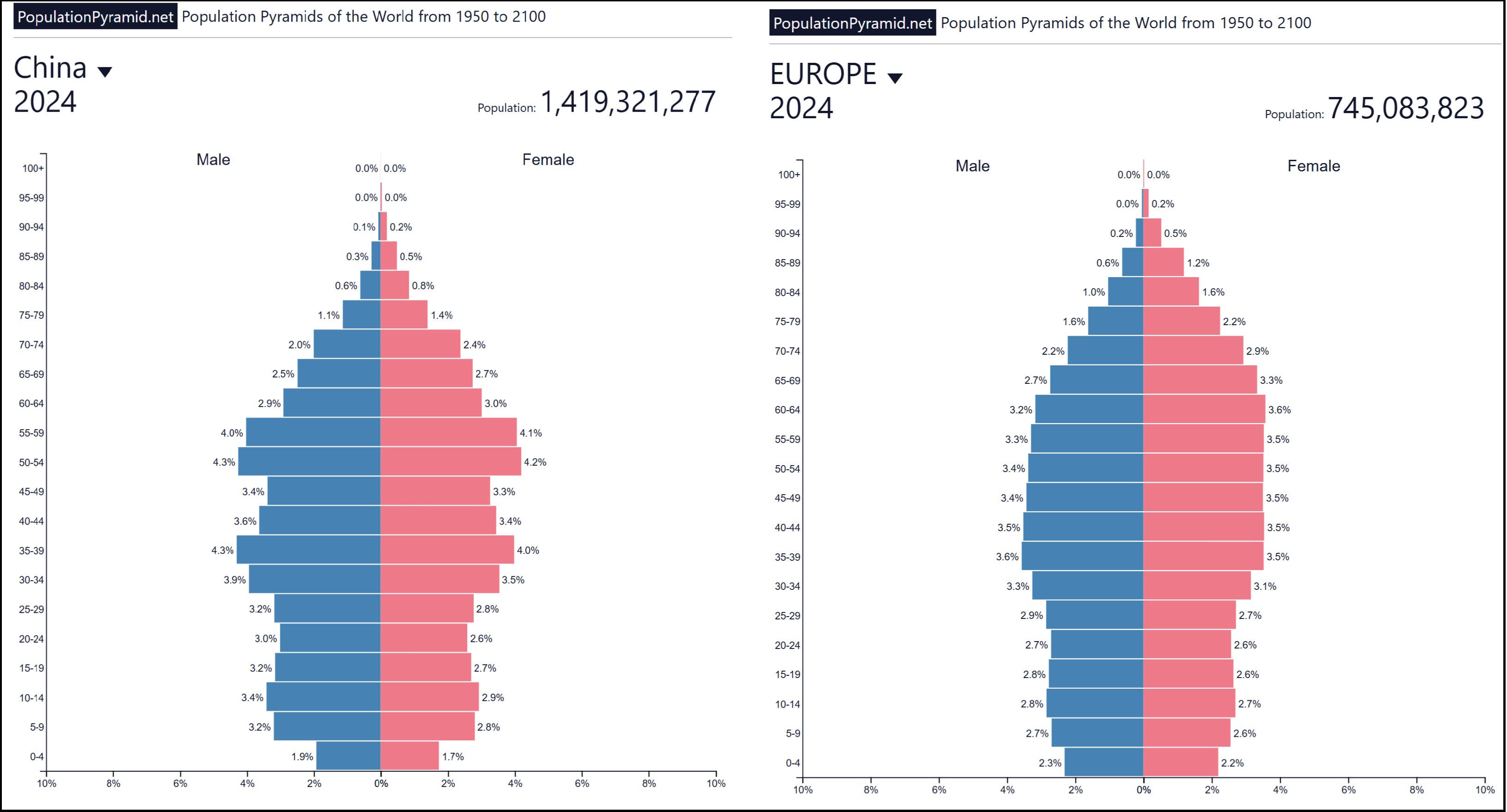
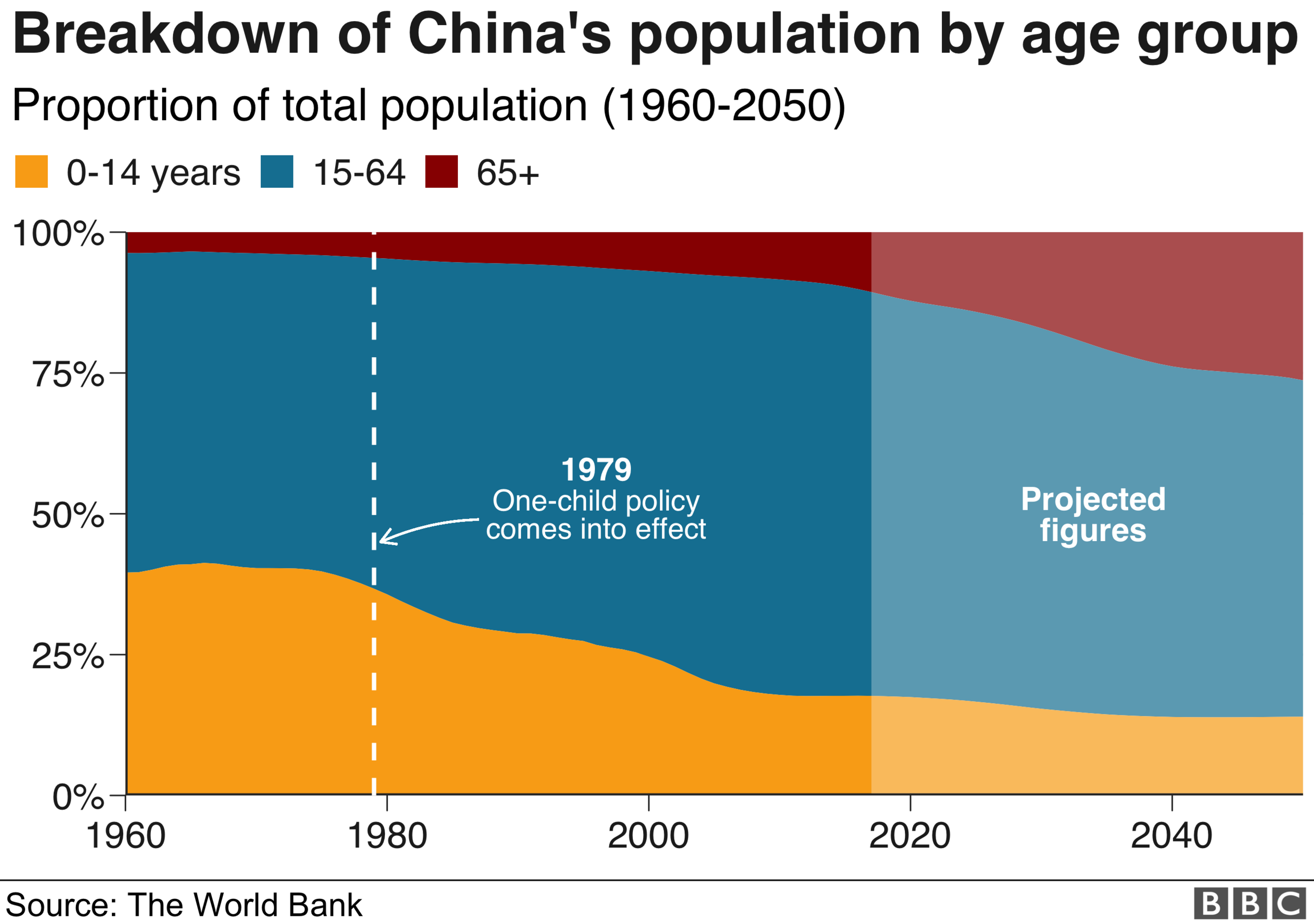
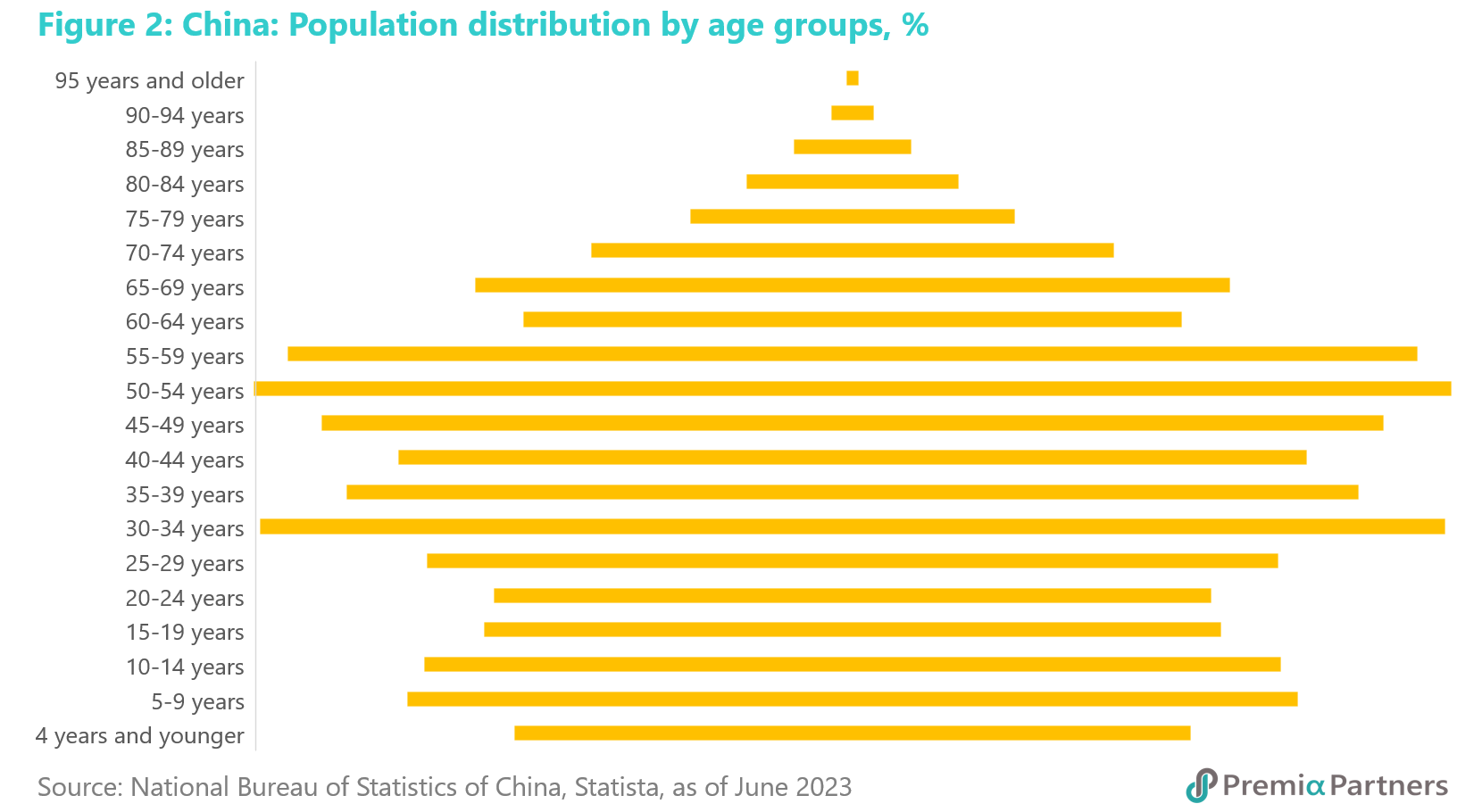
The policy was highly effective at slowing the rate of increase. Experts estimate that it prevented several hundred million births over three decades. However, it also created a massive demographic imbalance. As the country moved into the 2020s, the population began to age rapidly, and the workforce started to shrink.
The Shift to Three Children
Recognizing the impending demographic crisis, the government shifted to a two-child policy in 2016 and a three-child policy in 2021. Despite these changes, birth rates in 2026 remain at historic lows. The very factors that once drove growth—intensive labor and large family units—have been replaced by high urban living costs and a shift in cultural values toward smaller families.
Summary of Growth Factors
China's status as a demographic giant is not the result of a single event but a combination of several factors:
- High-Calorie Crops: Rice and later New World crops provided the sustenance needed for dense populations.
- Political Unity: A centralized state reduced the frequency of population-stunting conflicts.
- Cultural Values: A multi-millennial emphasis on lineage and ancestral worship prioritized large families.
- Medical Advancements: The 20th-century decline in mortality rates allowed more children to reach adulthood than ever before.
While China has been surpassed by India in total population as of recent years, the infrastructure, economy, and social structure of the nation are still defined by this massive human base.
Frequently Asked Questions
Is China's population still growing in 2026? No, China's population has officially begun to decline. While the total number remains massive (around 1.4 billion), the death rate has started to exceed the birth rate due to an aging society and low fertility among younger generations.
Why did India pass China in population? India passed China primarily because its fertility rate remained above the replacement level for much longer. China’s strict birth control policies and faster urbanization led to a quicker decline in birth rates compared to India’s more gradual demographic transition.
How did rice farming contribute to the population size? Wet-rice farming produces more food per acre than wheat or corn. Because rice could support more people on less land, Chinese civilizations were able to sustain much higher population densities than Western civilizations for most of recorded history.
What was the "Great Leap Forward's" impact on population? The Great Leap Forward (1958–1962) caused a massive famine that resulted in tens of millions of deaths and a sharp drop in birth rates. However, once the famine ended, the population saw a "compensatory" spike as birth rates surged in the mid-1960s.
What are the consequences of China's large population today? The legacy of a large population provides China with a massive domestic market, but it also presents challenges. The government must now manage an aging population with a shrinking tax base, leading to significant pressure on the pension and healthcare systems.
Next Steps for Research
To further understand the implications of China's population size, readers should examine the "Demographic Dividend" and how it fueled China's economic rise in the 1990s and 2000s. Additionally, researching the 2020 Census results provides detailed data on regional population shifts and urbanization rates within the country.
Image Gallery