How to Use the Associated Press Style Guide for Professional Writing
To use the Associated Press (AP) Stylebook effectively, writers must treat it as a dynamic reference tool rather than a static textbook. The guide provides standardized rules for grammar, punctuation, capitalization, and abbreviation t...
To use the Associated Press (AP) Stylebook effectively, writers must treat it as a dynamic reference tool rather than a static textbook. The guide provides standardized rules for grammar, punctuation, capitalization, and abbreviation to ensure consistency in journalism and corporate communications. Users should consult the alphabetical entries for specific style decisions, apply the "consistency" principle to their documents, and utilize digital search features for rapid verification of evolving standards.
Contents
Understanding the Role of the AP Stylebook
The Associated Press Stylebook is the definitive resource for newsrooms, public relations firms, and corporate communications departments. Its primary purpose is to create a uniform language that minimizes ambiguity and enhances readability. By adopting a shared standard, writers ensure that their audience focuses on the information provided rather than being distracted by inconsistent stylistic choices, such as varied ways to write dates, time, or geographic locations.
When you start using the AP Stylebook, recognize that it is not intended to replace standard English grammar rules. Instead, it functions as a manual of best practices for journalistic clarity. While it covers essential grammar, its true value lies in its specific instructions regarding sensitive terminology, numerical formatting, and the ethical presentation of data. For instance, the guide dictates how to handle controversial topics or rapidly changing social descriptors, making it an essential tool for maintaining institutional neutrality and accuracy in a 2026 media landscape.
Prerequisites and Access Options
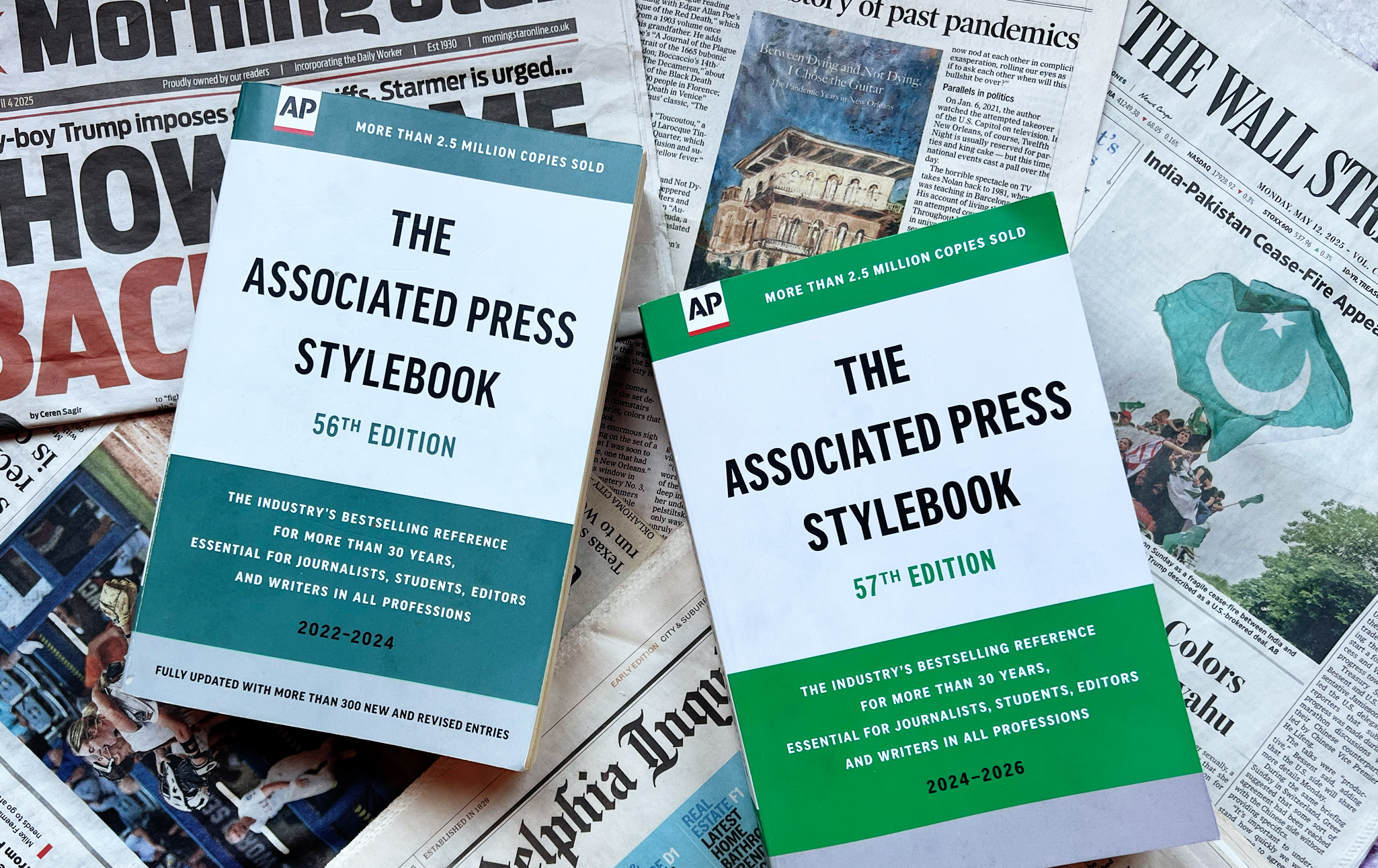
To implement AP style, you must first secure access to the current edition. As of 2026, the Associated Press offers several formats designed to suit different workflows. Organizations and individuals can choose between the print edition, the online subscription service, or specialized integrations.
- AP Stylebook Online: This is the most efficient choice for professional environments. It includes an "Ask the Editor" feature, search functionality, and regular updates that keep pace with language shifts.
- Print Edition: The softcover version is published annually. While portable, it lacks the real-time search capabilities and immediate updates of the digital version.
- AP Styleguard: This is a software plug-in designed for integration with word processors like Microsoft Word. It automatically scans documents for common style violations, offering suggestions based on the latest AP guidelines.
Before choosing your format, consider the frequency of your writing needs. If your work involves daily publication, the digital subscription or the integrated software is highly recommended to ensure you are consistently applying the most current rules.
Applying AP Style: A Step-by-Step Workflow
Using the guide effectively requires a systematic approach to editing. You should not attempt to memorize the book; instead, develop a workflow that relies on quick lookups and consistent verification.
1. Establish Your Base
Before you begin writing, establish your primary style document. If you are writing for an external publication, confirm if they have their own "house style" that deviates from the standard AP manual. Most news organizations, for example, have "addenda" that modify AP rules for their specific brand.
2. Search by Keyword
When you are unsure of a formatting rule, navigate to the search bar in the online portal or the index of the print edition. Search for the root of your question (e.g., "percent," "dates," or "states"). AP style often requires specific treatments that differ from common usage, such as spelling out numbers one through nine and using figures for 10 and above.
3. Maintain Internal Consistency
If a specific term is not explicitly covered in the Stylebook, choose a logical format and apply it consistently throughout the entire document. The AP Stylebook emphasizes that consistency is the hallmark of professional writing.
4. Leverage the "Ask the Editor" Feature
For complex scenarios or evolving terminology, the online subscription allows users to query the AP editorial staff. This is particularly useful for niche subjects, emerging technologies, or sensitive societal topics where standardized rules may be in flux.
Key Differences: AP Style vs. Other Manuals
Writers often confuse AP style with Chicago Manual of Style (CMOS) or APA style. Understanding these distinctions is critical to ensure you are applying the correct set of constraints to your work.
| Feature | AP Style | Chicago (CMOS) | APA Style |
|---|---|---|---|
| Primary Use | Journalism & PR | Book Publishing | Social Sciences |
| Numbers | 1-9 spelled out; 10+ figures | 1-100 spelled out | Figures for 10+ |
| Titles | Minimal capitalization | Extensive capitalization | Sentence case |
| Goal | Conciseness & Speed | Precision & Detail | Scientific Clarity |
As shown in the table, AP style prioritizes brevity and space efficiency, which makes it ideal for news reports where every word counts. In contrast, academic styles like APA prioritize detailed citations and formal presentation. Using the wrong guide can result in a document that appears unprofessional or ill-suited for its intended venue.
Common Areas for Style Application
To improve your efficiency, familiarize yourself with these high-frequency sections of the Stylebook:
- Numerals: AP style dictates specific rules for ages, dimensions, and financial data. For example, always use figures for ages (e.g., "a 5-year-old boy"), but spell out numbers when they begin a sentence.
- Datelines: Understand the specific formatting for location indicators, which include city names in all caps followed by the state or country.
- Job Titles: AP style is strict about when to capitalize titles (only when they immediately precede a name).
- Abbreviations: The guide outlines which states should be abbreviated and when, typically requiring states to be spelled out in the body of a story but allowing for specific abbreviations in datelines or tabular material.
Troubleshooting Common Style Violations
Even experienced writers frequently encounter "style drift." When you find your work being rejected or heavily edited, analyze the feedback to identify repeating errors. Common pitfalls include:
- Over-capitalization: Writers often capitalize common nouns out of respect or habit. AP style favors lowercase usage for titles and generic terms.
- Incorrect Punctuation: Pay close attention to the use of the Oxford comma. AP style generally omits it unless it is necessary to avoid confusion, which is a major point of departure from other guides.
- Outdated Terminology: Language evolves, and so does the Stylebook. If you are using a print edition from several years ago, you may be using terms that have since been discouraged or replaced by the AP for accuracy or inclusivity. Always rely on the most recent digital update.
Frequently Asked Questions
Does AP style change every year?
Yes. The Associated Press updates the Stylebook annually to reflect shifts in language, cultural norms, and emerging technology. The online version is updated throughout the year, making it the most reliable source for current usage.
Should I memorize the AP Stylebook?
No. Memorization is unnecessary and inefficient. Focus on understanding the core philosophy of the guide—conciseness, consistency, and clarity—and use the reference tools to look up specific rules as needed during the editing process.
Why do some news organizations have their own style guides?
While AP provides a comprehensive baseline, many organizations have specific needs based on their audience or regional focus. These "house styles" exist to add a layer of brand-specific consistency that the general AP rules may not cover.
How do I cite sources using AP style?
AP style does not use traditional footnoting in the way that academic styles (like MLA or APA) do. Instead, it integrates attribution into the narrative flow of the text, typically using "said," "stated," or "according to" to identify sources clearly and concisely.
Is AP style appropriate for books?
Generally, no. AP style is designed for newspapers and online news outlets where space is at a premium. Most book publishers prefer the Chicago Manual of Style because it offers a more nuanced approach to complex, long-form content.
Final Recommendation
To master the Associated Press style, incorporate a digital subscription into your daily writing routine. Make it a habit to check the guide for every number, title, and proper noun that creates hesitation. By treating the Stylebook as an active editing companion rather than a passive reference, you will significantly reduce the time spent in the revision phase and produce copy that meets the highest standards of professional journalism.
Image Gallery