Understanding How an Executive Security Agency Operates
An executive security agency operates by integrating intelligence-led risk assessment with proactive protection strategies to ensure the safety, privacy, and continuity of high-profile individuals. These agencies deploy highly trained...
An executive security agency operates by integrating intelligence-led risk assessment with proactive protection strategies to ensure the safety, privacy, and continuity of high-profile individuals. These agencies deploy highly trained protection details, conduct technical site surveys, and manage logistical support, shifting from reactive defense to a sophisticated model of threat mitigation and avoidance.
Contents
The Foundation of Executive Protection
At its core, an executive security agency is fundamentally different from standard site security or uniformed guard services. The primary mission is "Close Protection"—the physical safeguarding of a client—which relies on the philosophy that true security is found in the absence of a threat rather than the engagement of one.
When an agency is engaged, the process begins long before a physical detail is deployed. The agency conducts an exhaustive risk assessment. This document identifies potential adversaries, environmental hazards, and vulnerabilities inherent in the client’s lifestyle, profession, and travel requirements. This foundational phase determines the "Protection Envelope," which defines the scope of personnel, armored vehicle requirements, and the level of medical support needed.
Operational Lifecycle: From Assessment to Execution
The operational model of a high-end agency follows a cyclical, intelligence-driven workflow. This process ensures that security is dynamic and responsive to shifting variables in the client’s environment.
- Advance Planning and Reconnaissance: Before a client arrives at any location, the agency sends an "Advance Team." These professionals scout routes, identify primary and secondary egress points, vet local medical facilities, and establish communications with local law enforcement.
- Threat and Vulnerability Analysis (TVA): The agency maintains a continuous feedback loop regarding global, regional, and specific threats directed at the principal. This includes monitoring digital footprints and social media sentiment that could signal a stalker or a targeted extremist threat.
- Personnel Deployment: The detail is composed of diverse skill sets. A typical team may include a Detail Leader, who manages the operation; a driver-medic, who specializes in emergency extraction and medical care; and Close Protection Officers (CPOs) who maintain the physical perimeter around the principal.
- Logistical Synchronization: Beyond physical muscle, the agency acts as a concierge of security. They manage private aviation security, hotel room sanitization (checking for covert surveillance devices), and secure transportation fleets.
Technical and Digital Security Integration
In 2026, the operational mandate of a security agency has expanded significantly into the cyber-physical domain. An executive security agency does not merely protect the body; they protect the executive’s data. This involves performing regular "Technical Surveillance Counter-Measures" (TSCM) to sweep offices and residences for electronic eavesdropping devices or hidden cameras.
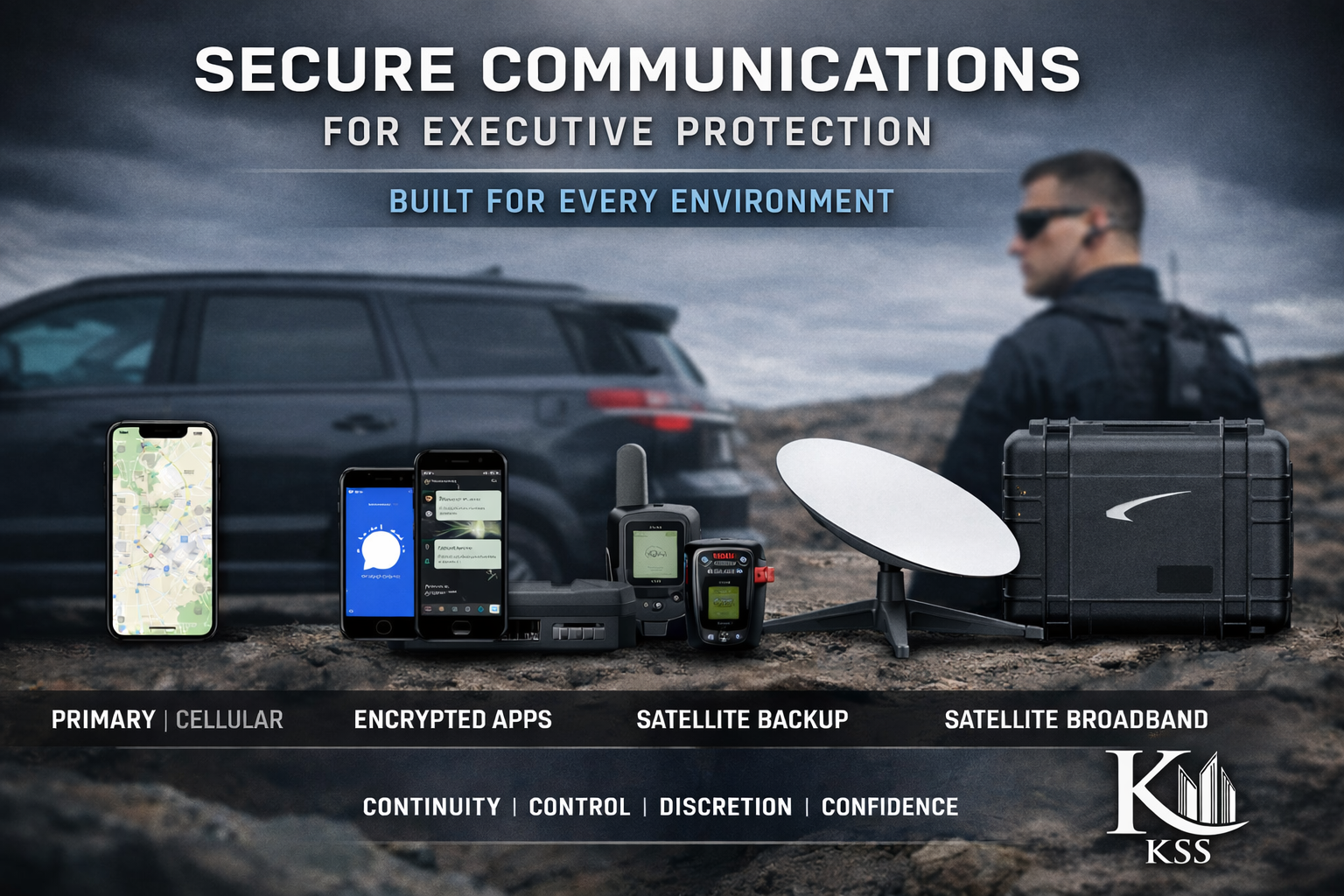
Furthermore, the agency oversees the digital sanitization of devices. They guide clients on secure communications—moving from insecure public platforms to encrypted, enterprise-grade channels—and monitor the dark web for leaked credentials or identity theft attempts that could expose the principal to extortion.
Standard Operational Differences
To understand the efficacy of an agency, it is essential to distinguish between standard guard services and executive protection operations.
| Feature | Standard Guard Service | Executive Security Agency |
|---|---|---|
| Primary Goal | Asset/Property Deterrence | Human Life/Privacy Preservation |
| Operational Stance | Static, Reactive | Dynamic, Proactive/Avoidance |
| Training Focus | Access Control, Reporting | Evasive Driving, Medical, Intelligence |
| Environmental Awareness | Fixed-Post Monitoring | Holistic Threat Modeling |
| Client Interaction | Periodic Verification | Continuous Proximity/Shadowing |
The Role of Intelligence and Counter-Surveillance
A key differentiator for a premier security agency is the use of counter-surveillance. While a uniformed guard might be a visual deterrent, counter-surveillance operatives remain inconspicuous. They monitor the perimeter of the principal’s location to detect if the principal is being followed or watched.
This operational layer is crucial because many threats against executives begin with a long period of reconnaissance by the adversary. By detecting the "watcher" before they become an "actor," the agency can alter the client's itinerary or adjust the security posture, neutralizing the threat before it escalates to a confrontation.
Legal and Ethical Constraints
Executive security agencies must operate within a strict legal framework. This includes international laws regarding armed escorts, regional jurisdictional requirements for security licensing, and privacy laws.
Agencies are legally obligated to respect the principal’s need for autonomy while maintaining a "security override" authority. This means that if a client insists on a course of action that introduces an unacceptable level of risk (e.g., attending an unvetted public event), the agency has the technical and contractual right to refuse service or demand a change in plans to maintain the security mandate. This professional friction is a vital part of the agency’s duty of care.
Frequently Asked Questions
How does an agency determine the size of a protection detail? The detail size is determined by the "Threat Level Matrix." A low-risk executive might only require a single, multi-skilled driver-medic, while a high-profile corporate leader or public figure may require a full team including a detail leader, multiple CPOs, and a dedicated digital security lead.
Is it necessary for executive security agents to be armed? Not always. In many jurisdictions, and depending on the client’s preference, agencies focus on non-lethal protection and rapid evacuation (the "extract-and-evade" model). Arming the detail is a legal and tactical decision based on local laws, the specific threat assessment, and the client's corporate policy.
How does an agency handle medical emergencies? Most modern executive protection teams include personnel with TCCC (Tactical Combat Casualty Care) or EMT certification. They carry specialized trauma kits and have pre-coordinated plans with local trauma centers to ensure rapid, secure transport in a medical crisis.
Does an executive security agency provide digital-only services? Yes. Many agencies offer "Executive Privacy Services" that focus solely on scrubbing personal information from data brokers, managing secure Wi-Fi at home, and protecting the executive's digital footprint without needing a physical bodyguard on site.
Next Steps for Implementation
If you are evaluating whether to engage an executive security agency, begin by conducting a private, third-party risk audit. Do not go directly to a security firm; instead, hire a specialized risk consultancy to provide an unbiased assessment of your current vulnerabilities. Once you have a verified list of risks, solicit bids from firms that provide specific evidence of experience in your industry and geographic region. Ensure that any agency you consider provides proof of current licensing, comprehensive liability insurance, and detailed references regarding their operational standard operating procedures.
Image Gallery