China Orient Asset Management in China's Financial Sector: Role, Business Model, and Systemic Impact
China Orient Asset Management Co., Ltd. (China Orient) serves as one of China’s four original state-owned financial asset management companies (AMCs). Established to absorb non-performing loans from major state commercial banks, the en...
China Orient Asset Management Co., Ltd. (China Orient) serves as one of China’s four original state-owned financial asset management companies (AMCs). Established to absorb non-performing loans from major state commercial banks, the enterprise manages non-performing assets, corporate debt restructurings, real estate risk resolution, and multi-tier financial services to maintain financial stability across China's banking and capital markets.
Contents
- Ministry of Finance / NCSSF / Huijin
- China Orient Asset Management Co., Ltd.
- Distressed Assets
- Bank NPLs
- Debt Workouts
- Equity Swaps
- Banking & Securities
- Bank of Dalian
- Dongxing Sec.
- Offshore Funds
- Insurance & Trust
- China United Insurance
- Credit Ratings
- Distressed Assets
- China Orient Asset Management Co., Ltd.
Origins and Evolution in China's Financial Sector
To understand China Orient’s role in China’s modern financial architecture, one must examine the state-led financial reform initiatives of the late 1990s. Following the 1997 Asian Financial Crisis, China’s state-owned commercial banks faced heavy burdens of non-performing loans (NPLs) resulting from policy-directed lending to inefficient state-owned enterprises (SOEs).
In 1999, the State Council created four national financial asset management companies under the direct oversight of the Ministry of Finance:
- China Orient Asset Management Corporation: Originally designated to process NPLs carved out from Bank of China.
- China Cinda Asset Management: Designated to handle bad debts from China Construction Bank.
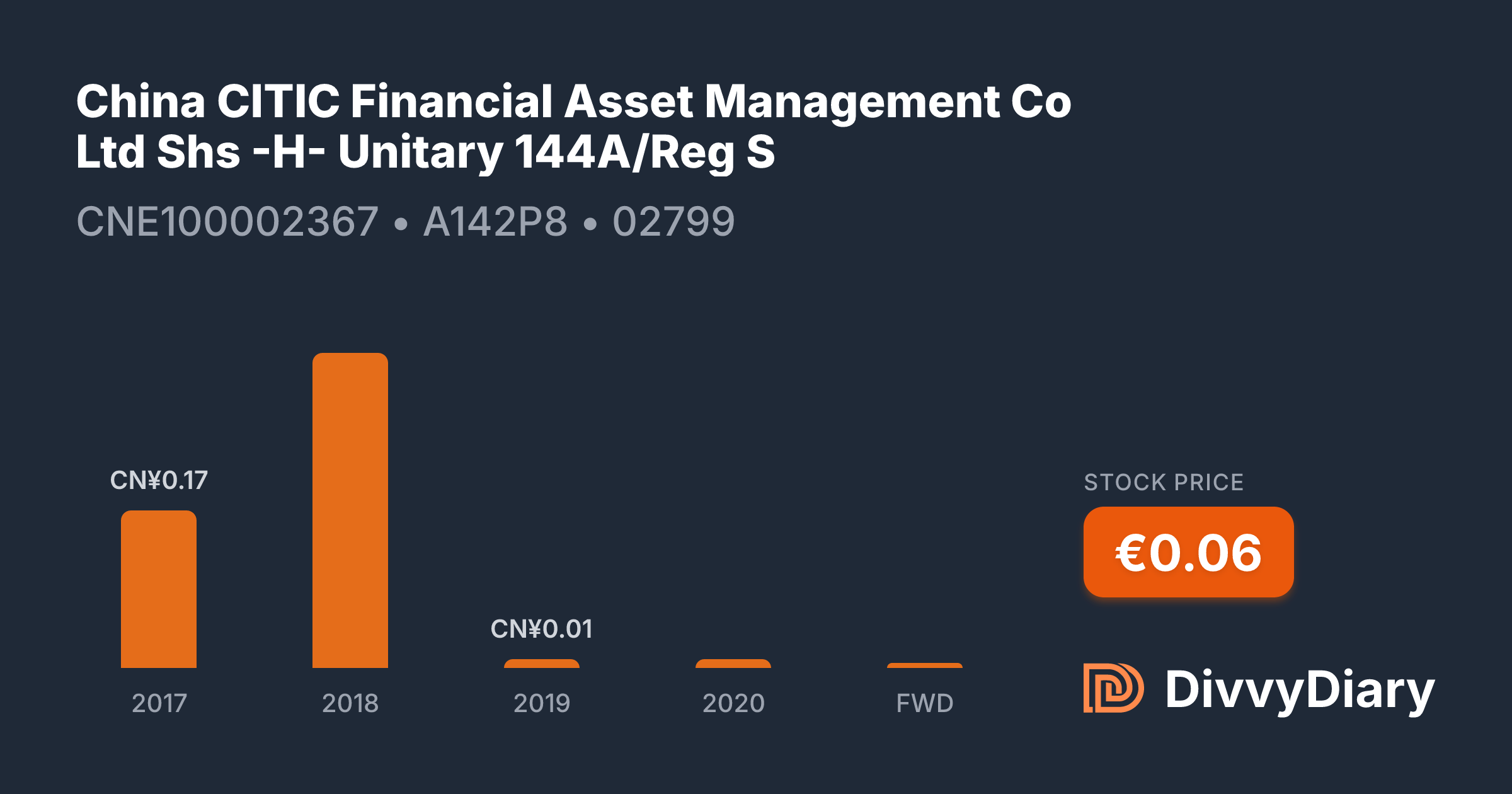
- China Huarong Asset Management: (Rebranded as China CITIC Financial Asset Management) Designated for Industrial and Commercial Bank of China (ICBC).
- China Great Wall Asset Management: Designated for Agricultural Bank of China.
China Orient was capitalized by the Ministry of Finance to acquire, manage, and liquidate massive portfolios of non-performing loans at face value using state-backed policy bonds. This structural intervention insulated the primary banking sector from systemic insolvencies, restored foreign investor confidence, and paved the way for the historical recapitalization and initial public offerings (IPOs) of China's major commercial banks.
Over the subsequent decade, as the initial ten-year policy mandate for NPL resolution concluded, China Orient transformed from a single-purpose bad-bank repository into a commercialized financial holding group. In 2016, the institution officially converted into a joint-stock limited company, taking the corporate name China Orient Asset Management Co., Ltd., with equity participation from national institutions, including the Ministry of Finance and the National Council for Social Security Fund (NCSSF).
Core Business Operations and Institutional Ecosystem
China Orient operates a dual-engine corporate strategy: preserving systemic financial stability through non-performing asset resolution, while running a comprehensive financial services franchise that spans commercial banking, securities, insurance, and trust management.
- Financial Institutions & Regulators
- NPL Portfolio Transfer & Distressed Debt Acquisition
- China Orient Asset Management (COAMC)
- Debt Recovery & Liquidation
- Debt-to-Equity Swaps
- Special Situation Restructuring
- Rebalanced Balance Sheets & Capitals
1. Distressed Asset Management (Primary Core Business)
Distressed Asset Management (DAM) remains China Orient's foundational discipline. The company operates across both bank-sourced distressed assets (financial NPLs) and non-bank distressed assets (non-financial corporate debt, stressed real estate receivables, and defaulted bonds).
- Financial NPL Acquisition and Disposal: Purchasing wholesale non-performing loan portfolios from policy banks, state commercial banks, joint-stock commercial banks, and urban commercial banks through competitive auctions or negotiated transfers.
- Non-Financial Distressed Debt: Acquiring overdue receivables, defaulted corporate bonds, and troubled trade credits directly from industrial enterprises to alleviate liquidity bottlenecks.
- Debt Restructuring & Workouts: Restructuring underlying loan terms—such as extend-and-pretend arrangements, interest write-downs, collateral swaps, and principal repurchases—to enable temporary distressed corporate debtors to regain solvency.
- Debt-to-Equity Swaps (DES): Converting senior non-performing claims into equity stakes in viable state-owned or private enterprises. This reduces the target firm's leverage ratio while allowing China Orient to realize upside value during corporate recovery or public listing exit.
2. Integrated Financial Subsidiaries
Through decades of market expansion and strategic acquisitions, China Orient built a multi-license financial entity. Key subsidiaries include:
- Bank of Dalian Co., Ltd.: Provides a urban commercial banking platform, offering corporate banking, retail services, and treasury operations that complement China Orient’s debt refinancing capabilities.
- Dongxing Securities Co., Ltd.: A publicly listed full-service investment bank (SSE: 601198) providing equity underwriting, bond issuance, M&A advisory, asset management, and equity research.
- China United Property & Casualty Insurance Co., Ltd. (China United Insurance): Operates nationwide, offering property, casualty, and agricultural insurance, serving as an institutional capital provider for long-term investments.
- China Orient International Holdings Limited: Headquartered in Hong Kong, functioning as the international platform for offshore debt issue, cross-border asset transactions, structural financing, and overseas investment management.
- Golden Credit Rating International Co., Ltd.: Provides domestic credit evaluation services, credit rating assessments, and risk research for China's interbank and exchange bond markets.
Operational Mechanics: How China Orient Disposes of Distressed Debt
The operational workflow of China Orient's core NPL division relies on valuation, portfolio acquisition, risk isolation, and flexible resolution strategies tailored to market cycles.
- Portfolio Origination & Audit
- Sourcing from commercial banks and financial institutions
- Due diligence, collateral verification, cash flow analysis
- Pricing & Portfolio Acquisition
- Valuation modeling discounted against historical recovery
- Bidding via public auctions or bilateral transactions
- On-Balance-Sheet Structuring & Categorization
- Allocation to workout teams vs. passive holding portfolios
- Provisioning against expected recovery timelines
- Execution Strategy
- Debt Restructuring & Term Adjustments
- Asset Foreclosure & Auction Sale
- Liquidation & Bankruptcy
- Liquidation & Exit
- Capital recovery, asset disposal, debt equity sale
Valuation and Due Diligence
Before acquiring an NPL portfolio from a selling institution, China Orient conducts comprehensive audits of underlying collateral. Legal ownership checks, physical asset inspections, environmental liability assessments, and judicial execution prospects determine the discounted acquisition price.
Acquisition Structures
Transactions occur primarily via two frameworks:
- Traditional Outright Purchase (Disposal Model): China Orient buys NPL portfolios at a deep discount, assuming all risk and operational responsibility for maximizing recovery through foreclosures, asset auctions, or third-party resales.
- Restructuring Model: China Orient acquires claims on troubled firms while simultaneously negotiating a binding restructuring agreement with the primary debtor or strategic third-party sponsors, establishing predefined repayment terms, interest adjustments, and security enhancements.
Strategic Role in Addressing China's Economic Challenges
China Orient acts as a state-backed counter-cyclical stabilizer during periods of structural deleveraging, market dislocation, and economic adjustment.
- Macro Economic Systemic Financial Risks
- Real Estate Sector Dislocation
- Local Government Debt & Small Bank NPLs
- China Orient Mitigation Interventions
- Project Bailouts & Housing Completion
- Tier-2 Regional Bank Capitalization
- Corporate Restr. & Debt Swaps
Real Estate Sector Stabilizer
The financial stress among property developers created systemic vulnerabilities across China's banking system and local economies. China Orient, alongside its peer national AMCs, executes targeted property resolution programs:
- Housing Completion Funds ("Bao Jiao Lou"): Providing targeted liquidity, bridge financing, and senior loan restructurings to complete unfinished residential housing developments, working in partnership with local municipalities.
- Asset Carve-outs and Liquidation: Acquiring high-quality commercial assets, land reserves, and equity stakes from distressed developers, isolating healthy assets from contagion risks while satisfying creditor claims.
Restructuring Local Government and Small-Bank Debt
Smaller financial entities—including city commercial banks, rural commercial banks, and rural credit cooperatives—frequently lack the operational capacity or capital buffers to absorb massive non-performing assets. China Orient absorbs bulk portfolios from local lenders, reducing systemic risk in regional banking centers. It also assists in restructuring off-balance-sheet liabilities associated with local government financing vehicles (LGFVs).
Comparison: National AMCs vs. Regional AMCs vs. Foreign Debt Investors
China’s market for non-performing loans features a tiered regulatory structure. Understanding China Orient’s distinct positioning requires comparing it to regional AMCs and foreign institutional distressed debt managers.
| Characteristic / Operational Pillar | China Orient Asset Management (National AMC) | Regional/Local AMCs | Foreign Distressed Debt Investors |
|---|---|---|---|
| Primary Regulatory Body | National Financial Regulatory Authority (NFRA) & MOF | Provincial Financial Regulatory Bureaus | SAFE / PBoC Regulatory Frameworks |
| Operational Scope | Nationwide across all provinces and industries | Restricted primarily to home province | Cross-border portfolio acquisition subject to capital controls |
| Financial Licenses Held | Comprehensive (Bank, Securities, Insurance, Trust, Ratings) | Limited (Mostly asset management, rare minority trust holdings) | None (Requires domestic partnership or onshore vehicle) |
| NPL Acquisition Rights | Direct inter-bank nationwide portfolio auctions | Bulk purchase within provincial boundaries | Secondary purchase from National or Regional AMCs |
| Access to Funding | Policy-aligned bank lines, domestic bonds, central bank backstops | Local bank loans, local state-owned enterprise equity, local bonds | Global private equity funds, offshore bond issuance |
| Core Strategic Function | Systemic risk mitigation, macro stability, debt workout | Localized financial ecosystem rescue, regional SME support | High-yield asset acquisition, opportunistic restructuring |
Regulatory Framework and the "Return to Core Business" Mandate
Over the past decade, financial regulators restructured the operating parameters for state-owned AMCs. Under guidelines enforced by the National Financial Regulatory Authority (NFRA), China Orient and its peers operate under a strict policy framework designated as "Return to Core Business" (回归主业).
- Regulatory Mandate (NFRA / MOF) "Return to Core Business"
- Permitted Focus Areas
- Direct NPL Portfolio Acquisition
- Corporate Debt Workouts
- Debt-to-Equity Swaps (DES)
- Industrial Rescue & Restructuring
- Restricted / Phased Out
- Speculative Real Estate Lending
- Non-Core Shadow Banking
- High-Leverage Equity Arbitrage
- Unrelated Commercial Ventures
- Permitted Focus Areas
Regulatory Guidance Framework
- De-emphasizing Non-Core Shadow Banking: Regulators phased out high-risk real estate lending and speculative mezzanine debt investments that were disguised as distressed debt operations during prior expansion phases.
- Focusing Capital on Real Economy Distresses: Capital allocation is mandated to prioritize real economy challenges, such as industrial overcapacity consolidation, strategic technology sector restructuring, and completing residential real estate projects.
- Risk Isolation and Subsidiary Governance: National AMCs must enforce strict ring-fencing between asset management operations and financial subsidiaries (such as banking and securities arms) to prevent internal risk transmission.
Key Operational Challenges and Industry Outlook
Despite its critical position in China’s state financial sector, China Orient navigates structural and operational pressures.
Asset Recovery and Valuation Pressures
- Collateral Devaluation: A significant portion of legacy NPL portfolios is secured by commercial land rights, industrial properties, and real estate assets. Prolonged real estate adjustments lower secondary liquidation values, requiring higher impairment allowances and extending disposal cycles.
- Secondary Market Liquidity: Finding ultimate buyers for large distressed industrial plants or non-performing assets requires extended workout horizons, impacting internal rates of return (IRR).
Funding Costs vs. Asset Yields
China Orient relies heavily on the issuance of financial bonds, interbank borrowings, and credit lines to fund upfront asset acquisitions. Managing the spread between financial borrowing costs and real asset liquidation proceeds requires active capital management, duration matching, and balance-sheet discipline.
Frequently Asked Questions
What is China Orient Asset Management's connection to the Bank of China?
China Orient was established by the Ministry of Finance in 1999 to take over and resolve the legacy non-performing loans of the Bank of China. While it operated independently following its incorporation, it maintains ongoing business relationships with the Bank of China across credit markets, debt transfers, and underwriting.
How does China Orient acquire non-performing loans?
China Orient acquires non-performing loans primarily through competitive portfolio auctions organized by commercial banks, direct bilateral transactions with state financial institutions, and specialized asset transfers overseen by financial regulators.
What is the difference between China Orient and traditional commercial banks?
Commercial banks focus on accepting customer deposits and issuing performing loans to corporate and retail borrowers. China Orient is a specialized asset management institution that purchases already non-performing or distressed loans from commercial banks, restructures troubled enterprise debt, and manages non-bank financial subsidiaries.
How does China Orient support real estate market restructuring?
China Orient provides targeted liquidity funds, debt extension agreements, and project completion financing for stalled housing developments. It acquires stressed assets directly from developers, restructures underlying liabilities, and brings in healthy state construction partners to deliver completed homes to buyers.
Is China Orient a state-owned enterprise?
Yes. China Orient Asset Management Co., Ltd. is a central state-owned financial enterprise under the operational and ownership oversight of China's Ministry of Finance, alongside participating state institutional investors such as the National Council for Social Security Fund.
Strategic Action Plan for Institutional Counterparties
For financial institutions, corporate borrowers, asset managers, and international investors navigating transactions with China Orient, recommended operational procedures include:
For Banks Selling NPL Portfolios:
- Maintain complete legal collateral chains, structural loan agreements, and registration deeds prior to portfolio bidding to minimize valuation deductions during China Orient's due diligence process.
- Utilize standardized digital asset verification systems to expedite legal transfer clearances.
For Corporate Debtors Seeking Restructuring:
- Proactively present turnaround business plans alongside structural collateral enhancements when entering workout negotiations with China Orient's asset management divisions.
- Evaluate Debt-to-Equity Swap (DES) options early in corporate distress cycles to preserve operational liquidity and avoid judicial liquidation procedures.
For International Distressed Debt Investors:
- Engage with China Orient's offshore subsidiary platforms (such as China Orient International in Hong Kong) for co-investment structures, special situation funds, and cross-border secondary asset acquisitions.
- Ensure cross-border fund flows comply with current State Administration of Foreign Exchange (SAFE) capital account registration guidelines when participating in domestic asset sales.
Disclaimer: This article provides factual market analysis and structural information regarding China's financial sector and asset management frameworks. It does not constitute investment advice, legal advice, or official financial regulatory solicitation.
Image Gallery