What the Fish Rain Forest Debate Reveals About Ecological Balance and Environmental Policy
The "fish rain forest debate" highlights the complex ecological and economic tensions surrounding aquatic life protection within tropical rain forest watersheds. Specifically, it reveals how watershed management, indigenous resource ri...
The "fish rain forest debate" highlights the complex ecological and economic tensions surrounding aquatic life protection within tropical rain forest watersheds. Specifically, it reveals how watershed management, indigenous resource rights, and industrial activities intersect to expose major gaps in current environmental conservation frameworks.
Contents
Understanding the Core Conflict in Watershed Ecosystems
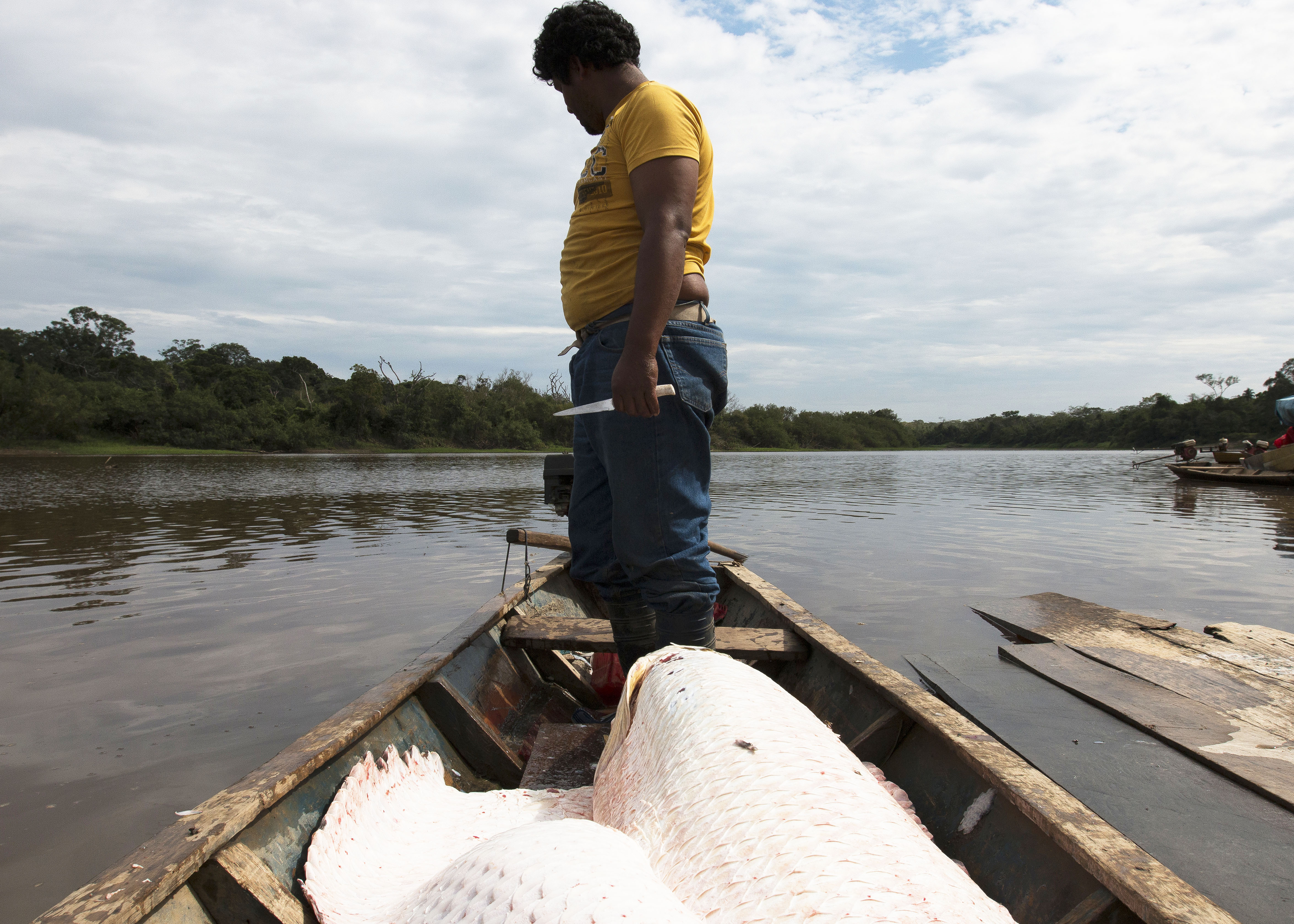
At the heart of the debate is the intricate relationship between rain forest canopies, river networks, and aquatic biodiversity. Tropical rain forests are not merely terrestrial zones of dense vegetation; they function as hydrologic engines that sustain vast river ecosystems. When seasonal floods inundate forest floors—as seen in the Amazon and Congo basins—fish migrate into the submerged woodlands to feed on fallen fruits, seeds, and insects. This biological coupling creates a high-stakes arena where conservationists, commercial interests, and local communities collide.
The debate brings to light several foundational questions:
- How do upstream industrial projects, such as mining and commercial agriculture, impact downstream aquatic habitats?
- To what extent can traditional indigenous management practices protect fish stocks better than top-down state regulations?
- What are the economic trade-offs of restricting resource extraction in sensitive watershed zones?
Examining these questions requires moving beyond surface-level environmental rhetoric to evaluate the underlying ecological mechanics and socio-economic pressures driving the controversy.
Ecological Interdependence: Forests and Aquatic Life
To understand why the debate is so contentious, one must examine the biophysical links connecting terrestrial trees to aquatic fauna. Forest canopies shade waterways, maintaining temperature ranges necessary for fish spawning. Simultaneously, decomposing organic matter from the forest floor provides the base of the aquatic food web.
- Rain Forest Canopy
- Shade & Organic Detritus
- Hydrologic Runoff & Seasonal Floods
- Aquatic Food Web & Fish Migration
When deforestation or land-use conversion disrupts this cycle, the consequences for fish populations are immediate and severe. Siltation from cleared land smothers fish eggs, while the loss of riparian vegetation removes vital food sources. The debate reveals a systemic failure in environmental impact assessments, which often evaluate terrestrial and aquatic ecosystems as separate entities rather than a unified watershed continuum.
Socio-Economic Pressures and Indigenous Rights
Beyond biology, the debate exposes deep fractures regarding land tenure and resource rights. Indigenous populations and traditional riverine communities often rely on seasonal fish migrations for subsistence and local economies. However, state governments frequently grant concessions for logging, mining, and large-scale hydroelectric dams that compromise these vital waterways.
Key Stakeholder Perspectives
| Stakeholder Group | Primary Interest | Core Argument in the Debate |
|---|---|---|
| Indigenous Communities | Food security, cultural preservation, sustainable stewardship | Watershed protection is essential for physical survival and cultural continuity; external extraction threatens customary rights. |
| Industrial Developers | Economic growth, resource extraction, energy generation | Modern mitigation technology and environmental offsets can balance industrial output with localized conservation goals. |
| Conservation NGOs | Biodiversity preservation, carbon sequestration, habitat integrity | Fragmented policy approaches fail to protect migratory corridors; strict regulatory boundaries are non-negotiable. |
| Government Regulators | Revenue generation, national infrastructure, compliance enforcement | Balancing competing economic demands requires flexible zoning rather than blanket prohibitions on watershed use. |
This multi-faceted friction demonstrates that the debate is not merely about fish or trees, but about who holds the authority to manage vital natural capital.
Policy Gaps and Regulatory Shortcomings
A critical revelation of the discourse is the inadequacy of current regulatory frameworks. Many national environmental laws treat terrestrial forestry management and freshwater fisheries under entirely different administrative departments. This administrative division creates severe blind spots:
- Fragmented Jurisdiction: Forestry agencies focus on timber yields and carbon accounting, while fisheries boards monitor catch quotas. Neither agency holds primary responsibility for the health of the transitional floodplain zone.
- Weak Cumulative Impact Assessments: Environmental approvals are frequently granted on a project-by-project basis, ignoring the cumulative degradation caused by multiple upstream dams or agricultural runoff basins.
- Enforcement Deficits: Even where robust protections exist on paper, remote forest regions suffer from chronic underfunding, making on-the-ground monitoring nearly impossible.
Comparative Analysis of Watershed Management Models
To resolve these tensions, policymakers increasingly look toward integrated river basin management. The table below compares traditional sector-specific regulation with modern integrated watershed management approaches.
| Feature | Sector-Specific Regulation (Traditional) | Integrated Watershed Management (Proposed) |
|---|---|---|
| Administrative Scope | Siloed departments (Forestry vs. Fisheries) | Cross-sectoral governance bodies |
| Monitoring Focus | Point-source pollution and single-species quotas | Whole-ecosystem health, water flow, and habitat connectivity |
| Community Involvement | Minimal consultation; top-down enforcement | Co-management models incorporating indigenous knowledge |
| Adaptability | Rigid, slow to respond to ecological tipping points | Adaptive management based on real-time ecological indicators |
Common Misconceptions in the Conservation Discourse
Navigating the fish rain forest debate requires clearing up several persistent myths that often derail constructive policy discussions:
- Myth: Protecting fish in rain forest watersheds means halting all economic activity.
- Fact: Integrated management models demonstrate that sustainable agroforestry, selective harvesting, and ecotourism can generate revenue while preserving watershed integrity.
- Myth: Indigenous management is static and unscientific.
- Fact: Traditional ecological knowledge is often rooted in centuries of empirical observation regarding seasonal fish migrations and hydrological cycles, offering high-precision guidance for conservation.
- Myth: Climate change is secondary to local deforestation impacts.
- Fact: Climate change exacerbates the severity of droughts and unseasonal floods, making watershed resilience more critical than ever to buffer against climatic shocks.
Frequently Asked Questions
What is the primary cause of the fish rain forest debate?
The debate stems from conflicting demands for industrial resource extraction—such as logging, mining, and dam construction—and the conservation of aquatic and terrestrial ecosystems that sustain local biodiversity and indigenous livelihoods.
How do rain forest trees directly affect freshwater fish populations?
Trees provide shade to regulate water temperature, contribute organic matter that forms the base of the food web, and create seasonal flooded forests where many fish species feed, breed, and seek refuge during high-water periods.
Why are current environmental policies failing to resolve these conflicts?
Most regulatory bodies separate terrestrial forestry management from freshwater fisheries administration. This fragmentation prevents effective oversight of transitional floodplain zones and ignores the cumulative impacts of industrial projects.
What role do indigenous communities play in watershed conservation?
Indigenous communities often act as frontline stewards whose traditional ecological knowledge provides sustainable management practices. Their involvement is vital for successful co-management and enforcement of conservation rules.
How does climate change influence this ecological debate?
Changing precipitation patterns and extreme weather events alter flood pulses in rain forest river basins, stressing migratory fish species and increasing the vulnerability of both forests and human communities.
Practical Next Actions for Policymakers and Conservationists
Resolving the systemic issues highlighted by the debate requires concrete structural shifts rather than temporary compromises:
- Unify Administrative Mandates: Governments should establish unified watershed management authorities that combine forestry, fisheries, and water resource governance under a single legislative framework.
- Strengthen Indigenous Rights: Formalize land tenure and co-management agreements with indigenous groups, recognizing their historical track record in sustainable resource stewardship.
- Mandate Cumulative Impact Studies: Require rigorous, basin-wide environmental assessments before approving new industrial concessions near critical river networks.
By addressing these foundational areas, stakeholders can move past polarized disputes and build resilient management systems capable of protecting both the economic needs of local populations and the ecological integrity of tropical watersheds.
Image Gallery