Complete Guide to Computer Financing Options: Strategies, Costs, and Eligibility
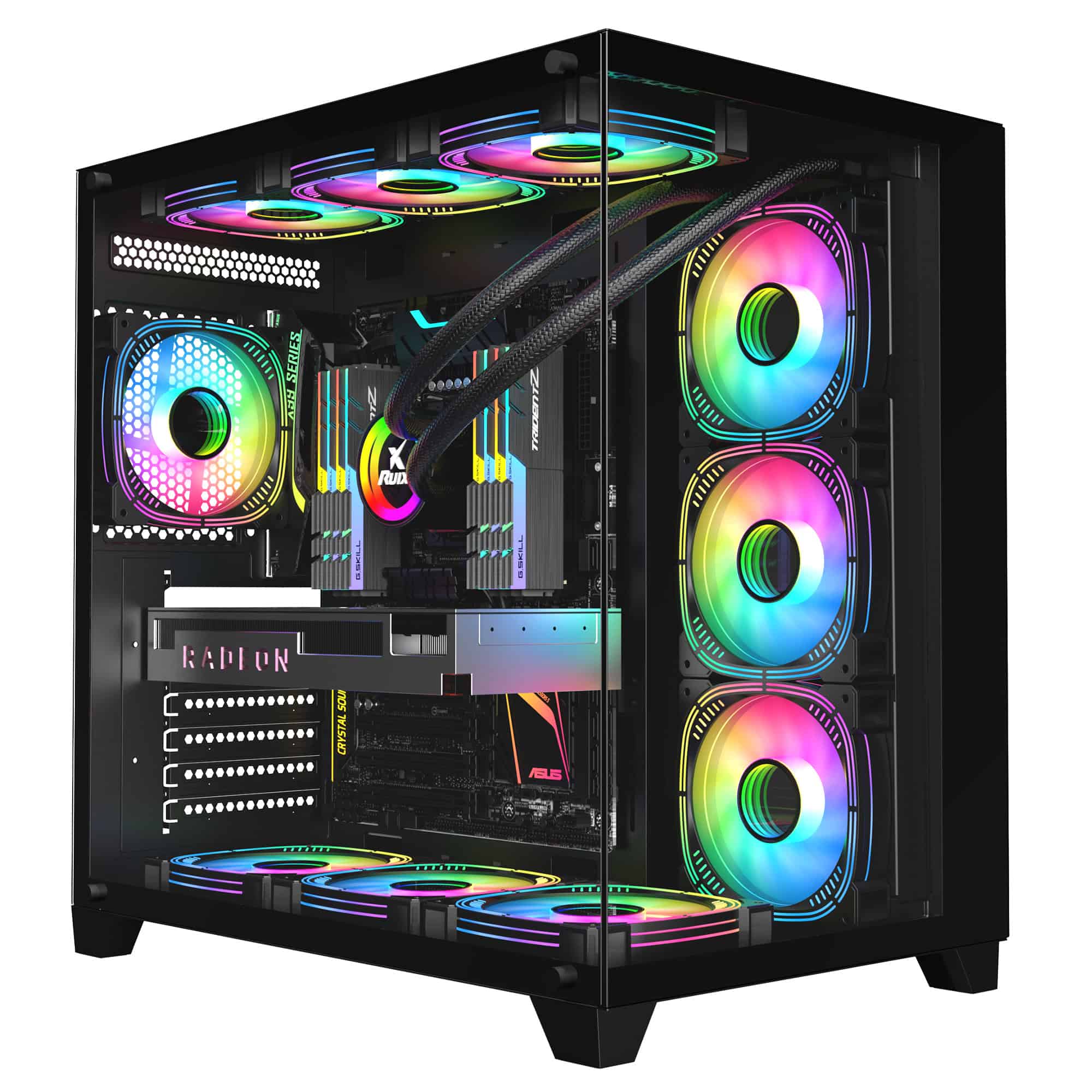
Computer financing allows buyers to purchase laptops, desktop workstations, or custom PC builds immediately while spreading out the cost over weekly, monthly, or quarterly payments. Common options include manufacturer 0% APR promotiona...
Computer financing allows buyers to purchase laptops, desktop workstations, or custom PC builds immediately while spreading out the cost over weekly, monthly, or quarterly payments. Common options include manufacturer 0% APR promotional cards, Buy Now Pay Later (BNPL) platforms, unsecured personal loans, consumer credit cards, and lease-to-own programs.
Contents
Disclaimer: The information provided in this guide is for educational and informational purposes only and does not constitute professional financial advice. Credit terms, interest rates, and eligibility requirements vary by lender and individual credit history.
Primary Computer Financing Pathways Explained
Securing hardware funding requires balancing immediate cash flow needs against long-term interest charges and potential impacts on your credit rating. Different financing structures carry vastly different financial implications depending on your credit profile and repayment strategy.
Manufacturer and Retailer Credit Cards (0% APR Promotions)
Major hardware manufacturers (such as Apple, Dell, HP, and Lenovo) and retail giants (such as Best Buy and Micro Center) partner with financial institutions to offer store-branded credit cards or dedicated financing accounts. These accounts frequently feature 0% Annual Percentage Rate (APR) promotional periods ranging from 6 to 36 months.
Under a true 0% APR promotion, your monthly payments are calculated to divide the purchase price evenly across the promotional period without accruing interest. However, buyers must distinguish between true 0% APR financing and deferred interest plans.
With deferred interest, if the total balance is not paid off before the promotional period ends, interest is charged retroactively to the original purchase date at the standard purchase APR (often 25% to 35%).
- Best for: Buyers with good-to-excellent credit who can reliably pay off the full balance within the designated promotional timeframe.
- Key Consideration: Always verify whether the financing agreement uses equal monthly payments (true 0% APR) or deferred interest rules.
Buy Now, Pay Later (BNPL) Services
Buy Now, Pay Later services like Affirm, Klarna, Afterpay, and PayPal Pay in 4 have become integrated into direct-to-consumer checkout pages across major technology stores. BNPL structures typically fall into two categories:
- Short-Term Pay-in-4: The total purchase price is divided into four equal installments due every two weeks over six weeks. These plans rarely incur interest or hard credit inquiries, making them accessible and straightforward for lower-cost purchases.
- Long-Term Financing: For expensive workstations or high-end gaming laptops exceeding $1,000, BNPL providers offer 3- to 36-month repayment plans. Depending on your creditworthiness, interest rates range from 0% to 36% APR.
Unlike traditional credit cards, BNPL agreements are generally closed-end installment loans tied directly to a single purchase, making it harder to overspend beyond the initial cart amount.
Unsecured Personal Loans
An unsecured personal loan from a bank, credit union, or online lender provides a lump-sum payout that you repay in fixed monthly installments over one to five years. Personal loans do not require collateral, and interest rates are fixed based on your income and credit score.
Personal loans are particularly useful when building high-end custom workstations, purchasing equipment from multiple vendors, or combining peripheral hardware (such as specialized monitors, software licenses, and desk ergonomics) into a single monthly bill.
Credit unions frequently offer competitive interest rates on personal loans compared to traditional commercial banks, especially for members with fair-to-good credit profiles.
Lease-to-Own (Rent-to-Own) Programs
Lease-to-own contracts—serviced by platforms like Progressive Leasing, Katapult, or FlexShopper—allow consumers to acquire hardware without undergoing traditional hard credit checks. Instead, approval relies on income history, active bank account status, and job stability.
While lease-to-own programs provide access to essential hardware for individuals with poor or limited credit, they are the most expensive financing method. Under a standard 12-month lease agreement, total payments often equal two to three times the retail price of the computer.
Most lease-to-own agreements offer early payoff options (such as a 90-day buyout promotion) that significantly reduce the effective interest rate if executed quickly.
Comparing Computer Financing Options
The following table compares the primary computer financing routes, outlining standard credit requirements, typical rate structures, repayment terms, and core risks.
| Financing Type | Credit Requirement | Typical APR / Cost Structure | Repayment Term | Primary Benefit | Key Pitfall / Risk |
|---|---|---|---|---|---|
| 0% APR Store Cards | Good to Excellent (670+) | 0% during promo period; 25%–35% regular APR | 6 to 36 months | Zero interest cost if paid on time | Retroactive interest fees if unpaid by promo end |
| 0% Intro APR Credit Card | Good to Excellent (670+) | 0% intro rate; 18%–30% standard variable APR | 12 to 21 months | Flexibility across multiple purchases | Potential revolving debt spiral if balance remains |
| BNPL (Short-Term) | None to Fair (550+) | 0% APR (Pay-in-4 model) | 6 weeks | Soft credit check; fast approval | Auto-debit missed payment fees or bank overdrafts |
| BNPL (Long-Term) | Fair to Good (600+) | 0% to 36% APR simple interest | 3 to 36 months | Fixed monthly payments; no deferred interest | High APR for fair-credit borrowers |
| Personal Loans | Fair to Excellent (580+) | 7% to 36% fixed APR | 12 to 60 months | Consolidated funding for hardware & software | Long repayment terms outlasting asset lifetime |
| Lease-to-Own | No Credit / Bad Credit | Implicit APR often exceeds 100% | 12 months | No hard credit check required | Total cost can double or triple retail value |
How to Choose Financing Based on Your Credit Profile
Selecting the correct computer financing option depends heavily on your current FICO credit score, disposable income, and how quickly you can amortize the loan balance.
- Determine Your Credit Score
- 670+ Good/Exc: 0% APR Store Cards / Intro Credit Cards
- 580-669 Fair: BNPL Monthly / Personal Loans (Credit Union)
- <580 Low/No: BNPL Pay-in-4 / Lease-to-Own / Refurb Cash
Excellent to Good Credit (FICO Score 670+)
Borrowers with strong credit profiles have access to the lowest borrowing costs.
- Primary Choice: 0% APR store financing (e.g., Apple Card Monthly Installments, Dell Preferred Account) or a consumer 0% intro APR credit card.
- Strategy: Calculate the exact monthly amount required to clear the balance one month before the promotional offer expires. Set up automated payments to guarantee you never miss a deadline or trigger retroactive interest penalties.
Fair Credit (FICO Score 580 to 669)
Borrowers in the fair credit tier may face higher interest rates on credit cards or store financing products.
- Primary Choice: Fixed-rate BNPL installment plans or personal loans from a local credit union.
- Strategy: Look for financing options that use simple interest rather than compound or deferred interest. Simple interest ensures that extra principal payments immediately reduce total interest accrued.
Poor Credit or No Credit History (FICO Score Below 580)
Individuals with damaged credit or a thin credit file must exercise caution to avoid predatory finance charges.
- Primary Choice: BNPL Pay-in-4 programs, refurbished hardware cash purchases, or short-term lease-to-own with a 90-day payoff plan.
- Strategy: Avoid standard 12-month lease-to-own terms whenever possible. If using lease-to-own, prioritize paying off the balance within the early buyout window (typically 90 days) to avoid extreme lease markups. Alternatively, consider purchasing certified refurbished commercial laptops (such as off-lease enterprise computers), which deliver strong performance at a fraction of retail prices.
The Hidden Costs of Computer Financing
While financing spreads out cost, unmanaged loan terms can inflate the overall price of your technology purchase.
Deferred Interest Clauses
Deferred interest is one of the most common pitfalls in retail hardware financing. Under a deferred interest agreement, interest accrues in the background from day one at high standard rates (often 28.99% or higher).
If you clear 99% of the balance but leave $20 unpaid when the promotion expires, the lender retroactively assesses the full interest amount on the entire initial purchase price from the date of purchase.
Depreciation vs. Loan Duration
Computers are fast-depreciating technology assets. Consumer laptops typically lose 30% to 50% of their market value within the first 18 to 24 months.
Financing a laptop over a long term—such as a 48-month or 60-month personal loan—creates a financial situation where you owe significantly more on the loan than the computer is worth on the secondary market. Aim to match your financing term to the hardware's functional lifespan, ideally keeping repayment terms to 24 months or less.
Impact on Credit Utilization Rate
Opening a retail store credit card with a low credit limit (e.g., a $1,500 limit for a $1,400 computer purchase) results in a nearly 100% credit utilization ratio on that account. High utilization negatively impacts your credit score, even if all payments are made on time.
If preserving your credit score is a priority, personal installment loans or BNPL options that do not report standard revolving credit balances may be preferable.
Step-by-Step Application and Purchase Strategy
- Define Equipment Requirements: Determine your required hardware specifications (CPU, RAM, storage, GPU) to avoid over-purchasing hardware beyond your actual productivity or entertainment needs.
- Check Your Credit Profile: Request your free annual credit report and check your FICO score through your bank to understand which financing tier you qualify for.
- Calculate the Full Amortization Plan: Take the total purchase price (including local sales tax and shipping fees) and divide it by the number of promotional months to determine your target monthly payment.
- Review the Loan Agreement Terms: Verify whether the agreement uses simple interest or deferred interest, check for pre-payment penalties, and confirm late fee structures.
- Automate Payments: Set up automatic monthly deductions from your primary checking account to prevent missed payment fees or voiding your promotional rates.
Frequently Asked Questions
Can I finance a computer with no credit history?
Yes. Options for individuals with no credit history include short-term BNPL Pay-in-4 plans, lease-to-own programs, and co-signed personal loans. Additionally, some credit unions offer credit-builder installment loans that can be used to fund technology purchases while establishing a positive credit history.
What is the difference between equal monthly payments and deferred interest?
Equal monthly payments split the total cost across the promotional period at a verified 0% APR, charging no interest as long as minimum payments are met. Deferred interest accumulates interest from the purchase date behind the scenes; if the entire balance is not paid off before the promotion ends, all accumulated interest is added to your remaining balance.
Does applying for computer financing hurt my credit score?
Applying for store credit cards, consumer credit cards, or personal loans triggers a hard credit inquiry, which may temporarily drop your credit score by a few points. Short-term BNPL options and lease-to-own services generally perform soft credit inquiries, which do not affect your credit score.
Is it better to lease or buy a computer?
Buying or financing-to-own is generally better for personal use, gaming, and long-term asset retention. Leasing makes sense primarily for corporate entities or specialized businesses that upgrade hardware fleets every two to three years and want to treat computer hardware strictly as an operating expense (OpEx) for tax efficiency.
Practical Recommendation
If you have a FICO score of 670 or higher, prioritize a true 0% APR promotional agreement through a manufacturer installment program or a 0% intro APR credit card, ensuring the entire balance is paid off before the promotion ends.
If your credit score is below 600 or unestablished, avoid multi-year lease contracts; instead, use a short-term Pay-in-4 BNPL plan or buy a reliable, certified refurbished enterprise computer with cash to avoid high interest charges.
Image Gallery