Why the Southern Diet Sparks Intense Health Debate: Tradition vs. Epidemiology
The Southern diet sparks a significant health debate because it is statistically linked to high rates of heart disease, stroke, and type 2 diabetes, yet it remains a cornerstone of American cultural identity. While medical researchers...
The Southern diet sparks a significant health debate because it is statistically linked to high rates of heart disease, stroke, and type 2 diabetes, yet it remains a cornerstone of American cultural identity. While medical researchers emphasize the risks of fried foods and added fats, culinary historians argue that the modern, processed version of the diet overshadows its nutritious, plant-based roots.
Contents
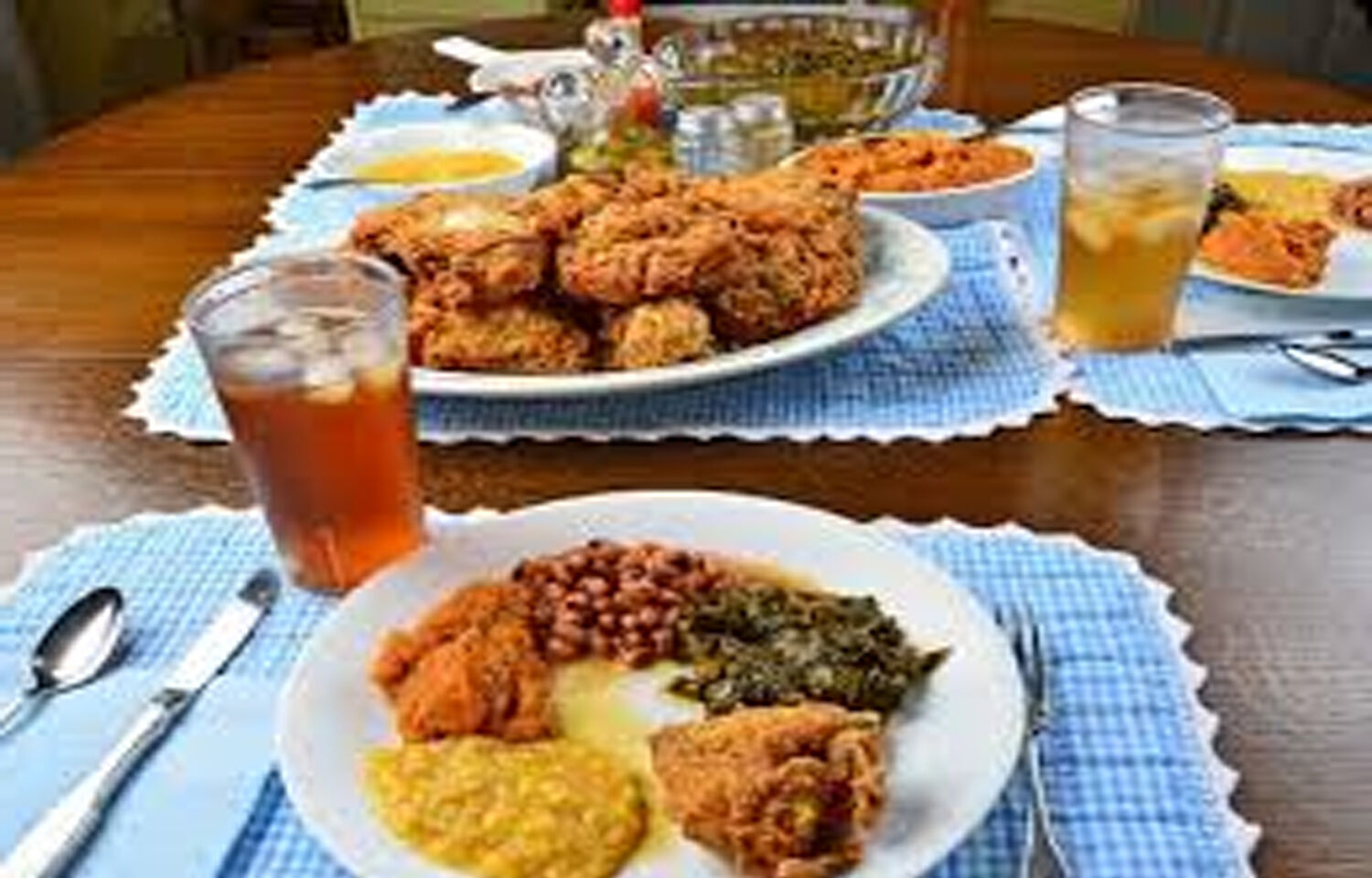
The Southern diet is more than just a collection of recipes; it is a complex intersection of history, geography, and public health. For decades, the Southeastern United States has been labeled the "Stroke Belt" by epidemiologists due to the disproportionately high mortality rates from cardiovascular events in the region. At the center of this phenomenon lies a dietary pattern characterized by fried foods, organ meats, processed meats, added fats, and sugar-sweetened beverages.
However, as we move through 2026, the conversation has shifted. The debate no longer focuses solely on "good" versus "bad" foods, but rather on the systemic factors that have shaped Southern eating habits and the medical evidence that highlights the physiological consequences of this specific nutritional profile.
Defining the "Southern Dietary Pattern" in Clinical Research
To understand why the Southern diet is a subject of medical scrutiny, one must first define what researchers mean when they use the term. In large-scale longitudinal studies, such as the Reasons for Geographic and Racial Differences in Stroke (REGARDS) study, the "Southern dietary pattern" is categorized by high intakes of:
- Fried Foods: Including fried chicken, fried fish, and fried vegetables (like okra or green tomatoes).
- Organ Meats: Liver, chitlins, and other offal.
- Processed Meats: Bacon, ham, sausage, and deli meats used for seasoning.
- Added Fats: Lard, butter, and heavy gravies.
- Egg-Based Dishes: Often prepared with additional fats.
- Sugar-Sweetened Beverages: Specifically "sweet tea," which serves as a primary hydration source for many in the region.
This specific combination of high sodium, saturated fats, and refined sugars creates a metabolic environment that many physicians consider a "perfect storm" for chronic illness. The debate arises when this clinical definition is applied broadly to a diverse region, often ignoring the traditional "garden-to-table" aspects of Southern cooking that involve legumes and leafy greens.
The Epidemiology of the Stroke Belt
The strongest evidence fueling the health debate comes from the REGARDS study, which has followed over 30,000 participants for years. The data consistently shows that individuals who most closely adhere to the Southern dietary pattern have a 56% higher risk of cardiovascular disease compared to those who eat it less frequently.
The physiological impact is multifaceted. The high sodium content, largely from processed meats and seasoned salts, contributes to chronic hypertension—the leading risk factor for stroke. Simultaneously, the heavy reliance on trans fats and saturated fats from frying oils increases LDL cholesterol, leading to atherosclerosis (the hardening of the arteries).
In 2026, healthcare providers in the South are increasingly focusing on "Metabolic Syndrome," a cluster of conditions—increased blood pressure, high blood sugar, excess body fat around the waist, and abnormal cholesterol levels—that occur together. The Southern diet is frequently cited as a primary driver of this syndrome in the region, leading to higher rates of kidney failure and sudden cardiac death than the national average.
The Cultural Counter-Narrative: The "Garden South"
A significant part of the debate involves culinary historians and nutritionists who argue that the "Southern diet" being criticized by doctors is a distorted, commercialized version of the original. They point out that for much of the 19th and early 20th centuries, the Southern diet was primarily vegetable-based.
Traditional Southern "soul food" and rural Appalachian cooking relied heavily on:
- Legumes: Black-eyed peas, butter beans, and crowder peas.
- Cruciferous Vegetables: Collard greens, turnip greens, and mustard greens.
- Whole Grains: Cornmeal and stone-ground grits.
The debate intensifies here: critics of the medical consensus argue that the problem isn't "Southern food" itself, but the industrialization of that food. When traditional greens are boiled for hours with large amounts of fatback or ham hocks, or when fresh fish is replaced by frozen, breaded patties, the nutritional profile shifts from health-promoting to disease-promoting. This nuance is vital for public health interventions that aim to be culturally sensitive rather than dismissive of regional heritage.
Comparative Nutritional Profiles: Southern vs. Mediterranean
To illustrate why the Southern diet is often viewed unfavorably in medical literature, it is frequently compared to the Mediterranean diet, which is widely considered the gold standard for longevity.
| Feature | Southern Dietary Pattern | Mediterranean Dietary Pattern |
|---|---|---|
| Primary Fat Source | Lard, Butter, Vegetable Shortening | Extra Virgin Olive Oil |
| Protein Focus | Fried Chicken, Pork, Organ Meats | Fish, Poultry, Legumes |
| Vegetable Preparation | Boiled with animal fats, often fried | Raw, sautéed in olive oil, or roasted |
| Primary Beverage | Sweetened Iced Tea | Water, Red Wine (moderate) |
| Sodium Content | High (cured meats, seasoning salts) | Low (herbs and spices for flavor) |
| Glycemic Index | High (biscuits, white rice, sweets) | Low (whole grains, nuts) |
This comparison highlights why the Southern diet is a focal point for reform. While both cultures value fresh produce, the preparation methods and fat choices in the Southern pattern significantly increase caloric density and inflammatory markers in the blood.
The Role of Socioeconomics and Food Access
One cannot discuss the health debate surrounding the Southern diet without addressing the "Food Environment." The Southern United States has some of the highest rates of poverty and "food deserts"—areas where residents lack access to affordable, high-quality fresh food.
In many rural Southern communities, the only accessible food sources are convenience stores or fast-food chains. These outlets prioritize shelf-stable, highly processed foods that mimic the flavors of the Southern diet (salty, fatty, and sweet) but lack any of the nutritional benefits of the traditional garden-based ingredients.
The health debate, therefore, is not just about personal choice; it is about infrastructure. Public health experts argue that criticizing the Southern diet is futile without addressing the economic conditions that make high-calorie, low-nutrient food the most rational choice for families on a tight budget. By 2026, many initiatives are focusing on "Prescription Produce" programs in the South to bridge this gap.
Modern Adaptations and the "New South" Kitchen
As the debate continues, a middle ground is emerging. Chefs and nutritionists are developing what is often called "Healthy Southern" or "New South" cuisine. This movement seeks to preserve the flavor profiles and cultural significance of the diet while mitigating its health risks.
Key strategies include:
- Smoking instead of Salting: Using smoked paprika or small amounts of smoked turkey to achieve the "smoky" flavor of ham hocks without the same level of saturated fat.
- Quick-Blanching Greens: Instead of boiling greens for hours until they lose their vitamins, modern Southern chefs are often sautéing them quickly in heart-healthy oils.
- Oven-Frying: Using air-fryer technology or high-heat roasting to mimic the crunch of fried chicken with a fraction of the oil.
- Natural Sweeteners: Reducing the sugar in sweet tea or using fruit infusions to provide flavor without the glycemic spike.
This evolution is critical because it acknowledges that the Southern diet is a living tradition. If the diet can adapt to include the medical insights of the last few decades, it may eventually shed its reputation as a primary driver of the "Stroke Belt" statistics.
Frequently Asked Questions
Is the Southern diet the only reason for high stroke rates in the South?
No. While the diet is a major contributor, other factors include higher rates of smoking, lower physical activity levels, and limited access to preventative healthcare. This combination of factors is often referred to as the "Southern Risk."
Can you eat a healthy version of the Southern diet?
Absolutely. A diet focused on the traditional Southern staples of beans, peas, okra, and greens—prepared with minimal added fats and salts—aligns closely with modern nutritional recommendations for fiber and micronutrient intake.
What is the specific link between the Southern diet and kidney disease?
The high sodium content leads to hypertension, which is the second leading cause of kidney failure. Additionally, the diet's high acid load (from processed meats) can place extra strain on the kidneys over time, accelerating the decline of function in those with pre-existing conditions.
Is "Soul Food" the same as the "Southern Diet"?
While they overlap significantly, "Soul Food" specifically refers to the culinary heritage of African Americans in the South. The health debate affects both, but many researchers emphasize that the most damaging aspects (excessive frying and sugar) are common across all ethnic groups in the Southern region.
How has the REGARDS study changed our view of this diet?
Before REGARDS, many believed geography or genetics were the primary reasons for the Stroke Belt. The study proved that when people outside the South adopt the Southern dietary pattern, their risk of heart disease increases regardless of where they live, pointing directly to the food as a causal factor.
Practical Recommendations for Balancing Tradition and Health
If you are looking to enjoy Southern culinary traditions without the associated health risks, consider the following actions:
- Redefine the "Main Dish": Treat meats as a seasoning rather than the centerpiece. Let a bowl of field peas or a large serving of collard greens be the star of the plate.
- Audit Your Liquids: Switch from pre-sweetened tea to "half-and-half" (half sweet, half unsweet) or gradually reduce the sugar content to allow your palate to adjust to the natural flavor of the tea.
- Change Your Fats: Replace lard or bacon grease with monounsaturated fats like olive oil or avocado oil when sautéing vegetables.
- Use Herbs for Flavor: Instead of reaching for the salt shaker or "seasoned salt," use garlic, onions, peppers, and vinegar to provide the "zing" that Southern food is known for.
By focusing on the "Garden South" roots of the cuisine, it is possible to honor the cultural heritage of the region while protecting cardiovascular and metabolic health.
Image Gallery