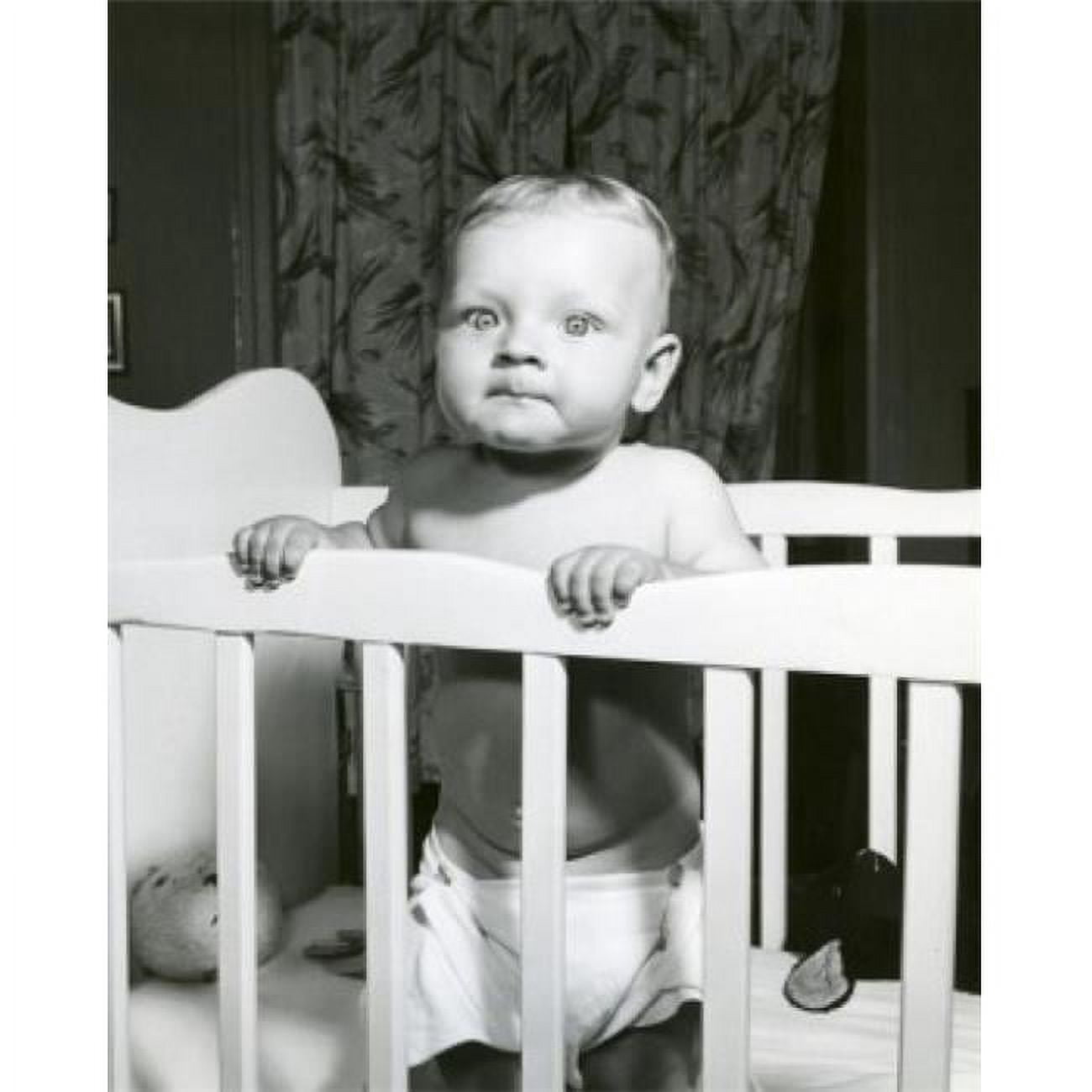
Is a Ghost Baby in a Cot Real? Investigating the Phenomena Behind Apparitions in Nurseries
When parents or paranormal researchers report seeing a ghost baby in a cot, they are describing a haunting phenomenon where an apparent infant apparition or disembodied infant crying is perceived near or inside a crib or bassinet. From...
When parents or paranormal researchers report seeing a ghost baby in a cot, they are describing a haunting phenomenon where an apparent infant apparition or disembodied infant crying is perceived near or inside a crib or bassinet. From a literal and scientific perspective, such paranormal entities are not real; however, the sensory experiences, psychological conditions, and environmental factors that trigger these chilling encounters are very real and deeply impactful.
Contents
Understanding the Phenomenon of Nursery Apparitions
The concept of a ghost baby in a cot sits at a fascinating intersection of folklore, psychology, and environmental science. When individuals report seeing an infant apparition, they are describing a powerful personal experience, but one that lacks empirical validation within the framework of modern science. To understand why these occurrences feel so authentic to those who experience them, researchers divide the phenomenon into distinct categories: psychological states, physiological anomalies, and environmental influences.
In many cases, the setting itself amplifies the intensity of the experience. A nursery is a room charged with high emotional stakes, deep protective instincts, and, frequently, profound exhaustion. When a parent enters a dimly lit nursery late at night, their brain is primed to detect any threat to a vulnerable infant. This hyper-vigilance creates a fertile ground for sensory misinterpretations, where everyday objects or shadows take on the distinct shape of a child.
Furthermore, cultural narratives and ghost stories heavily influence how these sensory anomalies are interpreted. Throughout history, folklore has populated homes with spirits of the departed, and nurseries are uniquely positioned in the collective imagination as spaces heavy with life, birth, and, tragically, infant mortality from past centuries. When an unexplained sound or visual glitch occurs, human psychology naturally reaches for a narrative framework to explain the unknown, often landing on the supernatural.
Scientific and Psychological Explanations for Apparitions
To determine why people genuinely believe they have witnessed a ghost baby in a cot, medical and psychological professionals look to well-documented phenomena that trick the human brain and sensory system. The human mind is not a video recorder; it is an active interpreter of incomplete data, especially under conditions of stress, fatigue, or altered states of consciousness.
Sleep Paralysis and Hypnagogic Hallucinations
One of the most common scientific explanations for nocturnal apparitions, including ghost babies, is sleep paralysis accompanied by hypnagogic or hypnopompic hallucinations. Sleep paralysis occurs when a person wakes up or falls asleep and finds themselves temporarily unable to move or speak. During this state, the brain remains in a REM (Rapid Eye Movement) sleep phase while conscious awareness is active.
This neurological crossover frequently triggers vivid, terrifying hallucinations. People experiencing sleep paralysis often report feeling a heavy pressure on their chest, hearing footsteps, or seeing distinct visual entities in the room—such as a small figure hovering over or resting inside a cot. Because the waking mind is still influenced by dream states, these hallucinations feel indistinguishable from reality.
Pareidolia and Visual Misinterpretation
Pareidolia is a psychological phenomenon where the brain perceives a meaningful image—such as a human face or form—in a random or ambiguous visual pattern. In a dimly lit nursery, a pile of laundry, a draped blanket, shadows cast by mobile toys, or the slats of the wooden crib can easily be misinterpreted by a tired brain as the outline of an infant. Once the brain makes an initial misidentification, it often locks onto that interpretation, convincing the viewer that a physical form is present.
Sleep Deprivation and Exhaustion
New parents, caregivers, and individuals working irregular hours frequently suffer from chronic sleep deprivation. Lack of sleep severely impairs cognitive function, emotional regulation, and sensory processing. Prolonged sleep deprivation can lead to micro-dreams, visual distortions, and heightened anxiety, all of which make an individual vastly more susceptible to seeing things that are not there.
Environmental Factors and Household Anomalies
Beyond internal psychological and physiological triggers, several physical factors within a home can create eerie effects that people mistake for paranormal activity. These environmental variables can be measured, tested, and resolved using rational investigation.
Infrasound and Electromagnetic Fields
Infrasound—sound waves operating at frequencies below the human hearing threshold (typically below 20 Hz)—has been linked to feelings of dread, unease, and even visual disturbances. Certain environmental sources, such as faulty home ventilation systems, wind passing through narrow architectural gaps, or nearby industrial equipment, can generate infrasound. Research suggests that these low-frequency vibrations can cause the human eyeball to resonate slightly, potentially inducing shadowy visual artifacts in peripheral vision.
Similarly, high electromagnetic fields (EMFs) generated by faulty wiring, old fuse boxes, or appliances placed near a nursery have occasionally been anecdotally linked to feelings of being watched or experiencing mild hallucinations, though scientific consensus on this specific link remains debated.
Auditory Pareidolia and House Settling
Nurseries are rarely completely silent. Old houses settle, creating creaks, groans, and popping sounds in wood and drywall. Plumbing systems produce water hammer effects, and HVAC ducts expand and contract with temperature changes. A tired parent hearing these routine household noises may interpret a settling floorboard or a whistling draft as the sound of a baby sighing, shuffling, or crying within an empty cot.
Comparative Overview of Explanations vs. Paranormal Beliefs
To clearly distinguish between empirical reality and perceived phenomena, the following table compares the rational explanations for nursery apparitions against traditional supernatural interpretations.
| Category | Rational / Scientific Explanation | Traditional Paranormal Belief |
|---|---|---|
| Primary Cause | Sleep paralysis, neurological misfire, or extreme sleep deprivation. | Residual psychic energy or restless spirit of a deceased infant. |
| Visual Sighting | Pareidolia caused by shadows, clothing, or furniture shapes in low light. | Direct manifestation of an apparition or ghost in the cot. |
| Auditory Cues | House settling, plumbing noises, wind drafts, or auditory hallucinations. | Disembodied crying, cooing, or footsteps near the nursery furniture. |
| Verification | Resolves with increased lighting, video monitoring, and proper rest. | Persists across multiple witnesses despite environmental changes. |
| Emotional Impact | High stress, anxiety, or post-partum vulnerability amplifying perception. | A sense of sorrow, haunting, or unexplained protection from beyond. |
Investigating and Troubleshooting Nursery Unease
If you or someone you know has experienced an unsettling event in a nursery and wants to rule out environmental or psychological factors before jumping to conclusions, a systematic approach can help restore peace of mind.
- Improve Lighting and Visibility: Eliminate deep shadows by adjusting nightlights or using soft, ambient lighting. Clear away piles of clothing, blankets, or stuffed animals that could form ambiguous shapes in the dark.
- Prioritize Rest: Chronic sleep deprivation is the single greatest catalyst for nocturnal misperceptions. Establishing a sleep rotation or seeking support from family members can dramatically reduce hallucinatory episodes caused by exhaustion.
- Inspect Environmental Systems: Check for faulty wiring, drafty windows, or plumbing issues that might generate strange sounds or infrasound vibrations. Ensuring the home is structurally sound removes physical triggers for unease.
- Utilize Neutral Monitoring: Installing a reliable video baby monitor with infrared night vision provides an objective, real-time record of the room. Reviewing footage can often quickly demystify shadow movements or settling sounds.
- Consult Healthcare Professionals: If visual or auditory anomalies persist while fully awake and well-rested, consulting a physician or mental health professional is a crucial step to rule out neurological or stress-related medical conditions.
Frequently Asked Questions
Are ghost babies scientifically possible?
No scientific evidence supports the existence of ghosts, spirits, or paranormal infant apparitions. Controlled studies and investigations into hauntings consistently trace these experiences back to known psychological, physiological, or environmental causes.
Why do people specifically report seeing apparitions in nurseries?
Nurseries are spaces associated with intense emotional investment, vulnerability, and parental hyper-vigilance. The combination of late-night visits, fatigue, and the presence of specialized furniture like cots creates a psychological environment where pareidolia and sleep-related hallucinations are more likely to occur.
Can sleep deprivation cause you to see ghosts?
Yes. Severe sleep deprivation heavily impacts brain function, leading to micro-sleeps, perceptual distortions, and hypnagogic-like states where the waking mind interprets dreams or ordinary stimuli as physical reality.
How can I stop feeling creeped out in my baby's nursery?
Addressing the physical environment is the most effective first step. Ensure proper lighting, remove clutter that casts strange shadows, service noisy HVAC or plumbing fixtures, and ensure you are getting adequate rest. Utilizing a video monitor can also provide objective reassurance.
What should I do if I suspect a medical cause for seeing things?
If you experience persistent visual or auditory disturbances while fully awake and rested, you should consult a qualified medical doctor or mental health professional to evaluate sleep disorders, neurological health, or stress-related conditions.
Next Steps for Homeowners and Parents
Experiencing an unexplained sight or sound in a child's room can be deeply unsettling, but it is almost always anchored in natural phenomena rather than the supernatural. By prioritizing rest, optimizing the physical environment of the room, and relying on objective tools like video monitors, parents can easily dispel anxiety and ensure that the nursery remains a safe, peaceful space for rest and care. If unusual sensory experiences persist despite these steps, consulting a healthcare professional is the most prudent path forward.
Image Gallery