The Net Worth of Richard Jefferson: Basketball Career, Media Contracts, and Financial Growth
Richard Jefferson holds an estimated net worth between $40 million and $45 million, accumulated primarily through a 17-season NBA career as a versatile small forward, a championship title with the Cleveland Cavaliers, and a lucrative t...
Richard Jefferson holds an estimated net worth between $40 million and $45 million, accumulated primarily through a 17-season NBA career as a versatile small forward, a championship title with the Cleveland Cavaliers, and a lucrative transition into sports broadcasting and media analysis.
Contents
Evaluating the financial portfolio of a retired professional athlete requires examining more than just raw salary figures. Modern sports economics involve complex contract structures, career longevity factors, strategic brand endorsements, and successful second-act media careers. For Richard Jefferson, his financial standing reflects both his earnings on the basketball court and his marketability off it, transitioning seamlessly from a high-flying NBA role player to a prominent voice in sports media. Understanding the mechanics of his net worth sheds light on how contemporary professional athletes preserve and expand their wealth long after retiring from active competition.
NBA Career Earnings and Salary Breakdown
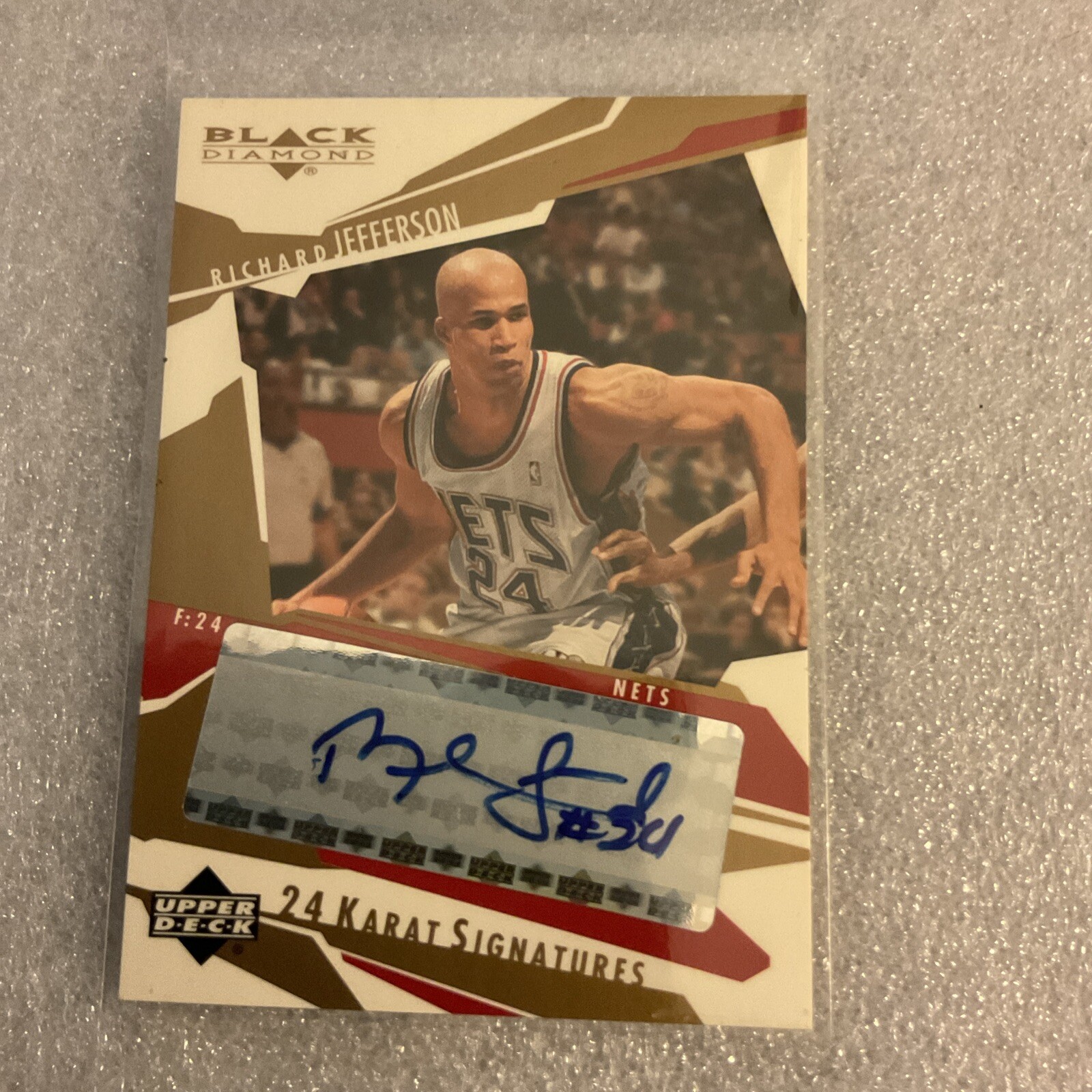
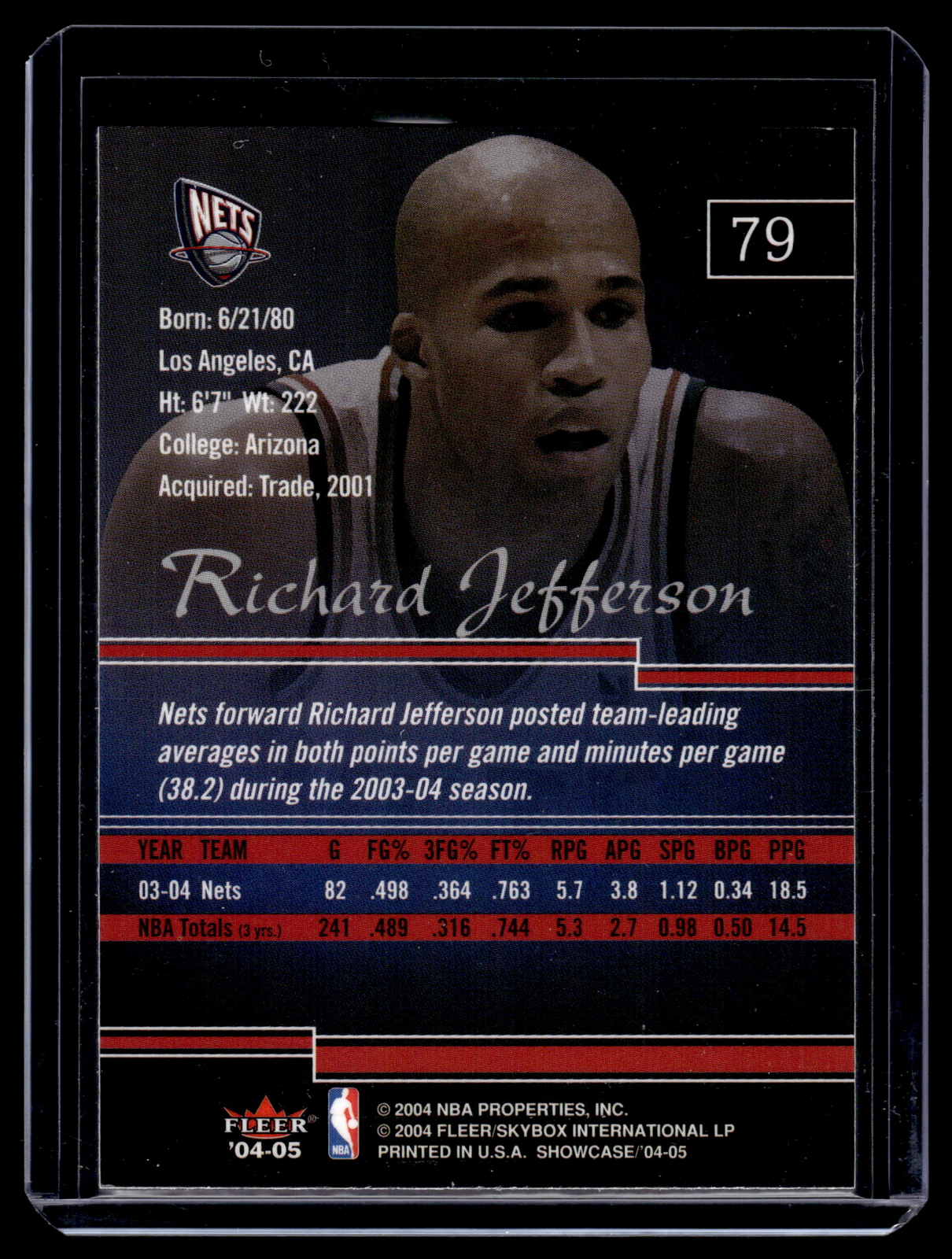
Richard Jefferson entered the NBA as the 13th overall pick in the 2001 NBA Draft, selected by the Houston Rockets and immediately traded to the New Jersey Nets. Over a span of 17 seasons, Jefferson played for several franchises, including the New Jersey Nets, Milwaukee Bucks, San Antonio Spurs, Golden State Warriors, Utah Jazz, Dallas Mavericks, Cleveland Cavaliers, and Denver Nuggets.
During his playing career, Jefferson earned substantial compensation through standard NBA contracts. According to historical salary tracking databases, his total on-court career earnings amounted to approximately $115 million before taxes, agent fees, and professional expenses. His peak earning years coincided with his time with the New Jersey Nets and the multi-year contract extensions he signed during the mid-2000s, when maximum and near-maximum contracts reflected a rising salary cap era.
The financial structure of an NBA player's contract requires careful accounting. Federal, state, and local taxes—often referred to as "jock taxes"—along with agent commissions (typically capped around 4% to 10% under NBA Players Association guidelines) and union dues significantly reduce gross earnings. Consequently, a player grossing $115 million typically retains roughly 50% to 55% of those funds net of taxes and fees. Jefferson’s ability to remain productive well into his thirties allowed him to secure veteran minimum contracts and mid-level exceptions late in his career, padding his lifetime basketball earnings while playing for contending teams.
| Team / Era | Contract Phase | Estimated Gross Earnings |
|---|---|---|
| New Jersey Nets (2001–2008) | Rookie Scale & Multi-Year Extension | ~$55,000,000 |
| Milwaukee Bucks & San Antonio Spurs (2008–2010) | Veteran Core Contracts | ~$28,000,000 |
| Golden State Warriors & Utah Jazz (2010–2013) | Rotation and Veteran Deals | ~$22,000,000 |
| Dallas Mavericks & Cleveland Cavaliers (2013–2017) | Veteran Minimum / Championship Era | ~$10,000,000 |
Championship Success and Market Value Impact
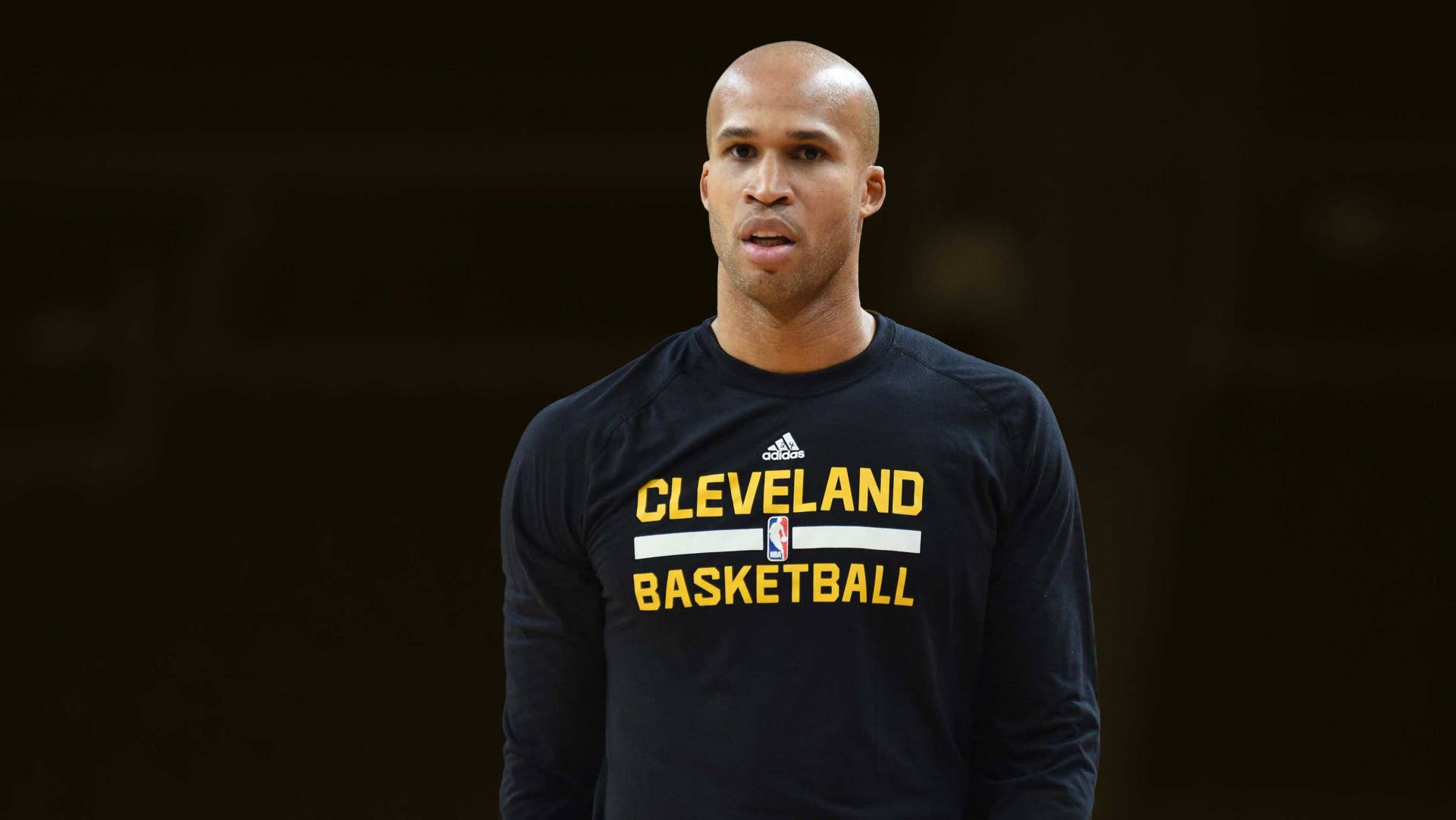
A critical milestone in Richard Jefferson's career occurred during the 2015–2016 NBA season with the Cleveland Cavaliers, where he played a pivotal role off the bench during their historic NBA Finals comeback against the Golden State Warriors. Winning an NBA championship elevates an athlete's historical status, which translates directly into post-retirement opportunities.
In professional sports, legacy carries commercial value. Players who capture championships often command higher fees for speaking engagements, secure more lucrative television analyst positions, and enjoy enhanced public recognition. For Jefferson, the championship ring validated his career durability and cemented his status as a respected, knowledgeable basketball mind. This credibility laid the groundwork for his second career in sports media, proving just as valuable to his long-term net worth as any late-career salary check.
Transition to Sports Media and Broadcasting Contracts
Following his official retirement from the NBA in 2018, Jefferson did not step away from the game; instead, he pivoted immediately into sports broadcasting. Over the subsequent years, he established himself as one of the most entertaining, articulate, and sharp analysts in modern basketball media.
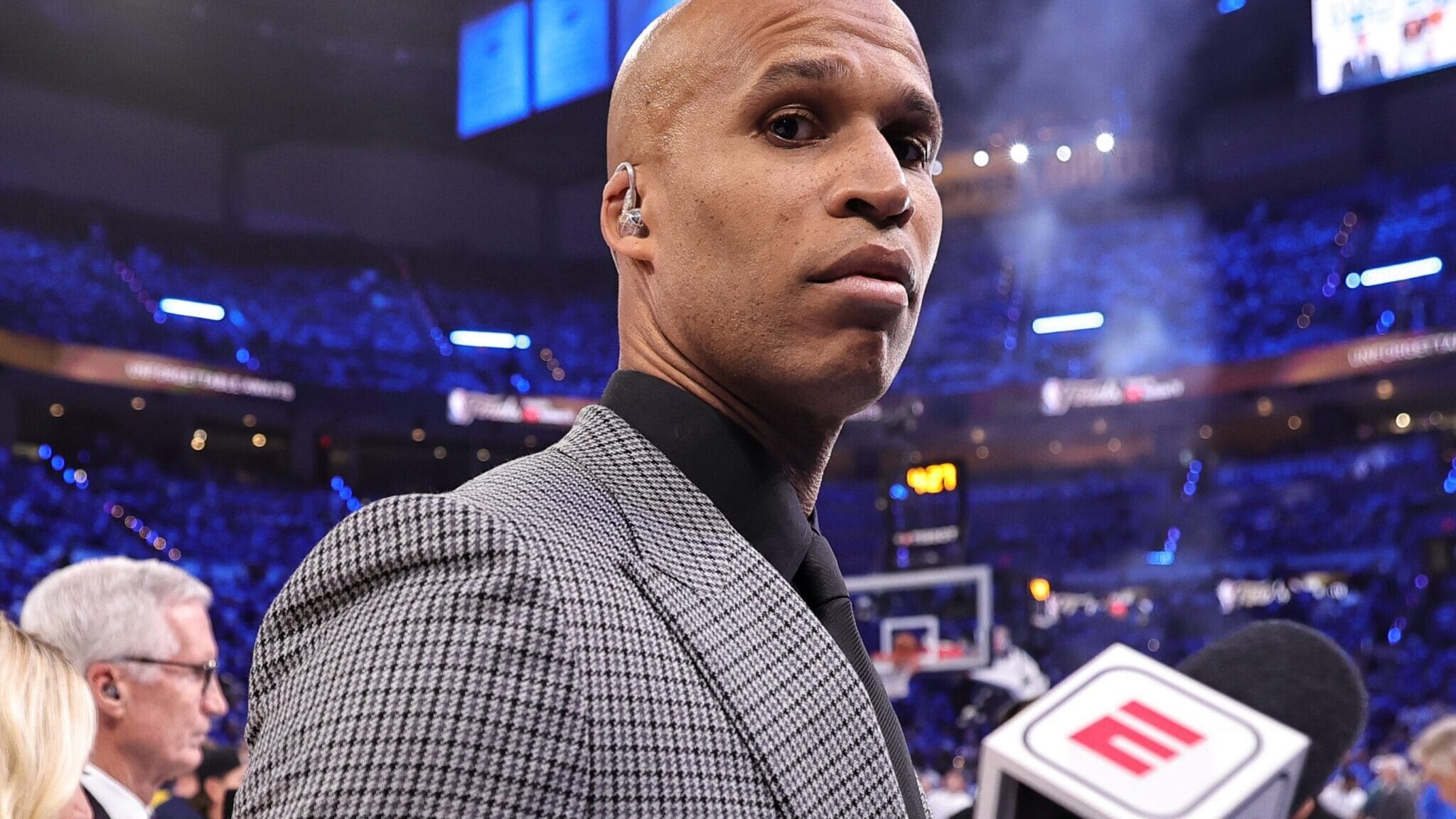
Jefferson’s media portfolio includes prominent roles with ESPN as a game and studio analyst, contributor positions across various digital platforms, and co-hosting the popular Road Trippin' podcast. Major sports networks invest heavily in former players who can bridge the gap between traditional tactical analysis and contemporary internet culture. While exact compensation figures for television analysts are rarely made public in their entirety, top-tier broadcasters at major networks command salaries running into the millions of dollars annually.
This steady stream of media income serves as a powerful wealth-preservation and accumulation engine. Unlike lump-sum career earnings that must be invested carefully to outpace inflation, ongoing broadcasting contracts provide active, high-yield cash flow that supports continued wealth growth long after retirement.
Real Estate Investments and Asset Management
Professional athletes frequently utilize real estate as a primary vehicle for wealth preservation. Throughout his playing career, Jefferson acquired significant residential properties in major metropolitan areas associated with the teams he played for, including New Jersey, San Antonio, and Los Angeles.
Real estate investments offer a hedge against inflation and provide capital appreciation over time. While specific property transactions fluctuate based on market conditions, athletes advised by professional wealth management firms typically allocate a balanced percentage of their portfolios to diversified assets, including municipal bonds, index funds, private equity, and commercial real estate holdings. Effective asset management ensures that the liquid capital earned during an athlete's prime playing years continues to generate passive income well into retirement.
Endorsements, Business Ventures, and Financial Literacy
During his active playing days, Jefferson participated in standard athletic endorsement deals, partnering with major footwear and apparel brands like Nike. While his off-court endorsement profile was not as commercially pervasive as contemporaries like LeBron James or Dwyane Wade, his steady presence in high-market teams ensured consistent secondary income.
Furthermore, modern professional athletes benefit from structured financial education programs provided by the National Basketball Players Association (NBPA) and league office. These programs teach wealth management, risk mitigation, and the importance of avoiding high-risk, speculative investments. Jefferson’s longevity in the league and smooth transition into media suggest a disciplined approach to personal finance, protecting his capital from the common pitfalls that affect professional athletes post-retirement.
Frequently Asked Questions
What is Richard Jefferson's primary source of wealth?
Richard Jefferson’s wealth originates from his 17-season NBA career, during which he earned approximately $115 million in salary, combined with his post-retirement career as a high-profile sports broadcaster and analyst for ESPN.
How much did Richard Jefferson make during his NBA career?
Before taxes, agent commissions, and professional expenses, Jefferson's cumulative on-court NBA salary was roughly $115 million. His highest-earning single-season salaries exceeded $15 million during the peak years of his multi-year contract extensions.
When did Richard Jefferson retire from the NBA?
Jefferson officially announced his retirement from professional basketball in October 2018, following a 17-year career that included an NBA championship with the Cleveland Cavaliers in 2016.
What media roles does Richard Jefferson currently hold?
Jefferson works as an NBA game and studio analyst for ESPN. He is also well-known for co-hosting the Road Trippin' podcast, where he discusses basketball culture, league news, and behind-the-scenes player perspectives.
How does Jefferson's media career impact his net worth?
His ongoing work in sports broadcasting provides a consistent, high-level annual income stream. This regular cash flow supplements his accumulated basketball savings and long-term investment portfolio, supporting sustained financial stability.
Conclusion and Next Actions
Evaluating Richard Jefferson's net worth illustrates the blueprint for a successful professional athletic career followed by a seamless media transition. With an estimated net worth between $40 million and $45 million, his financial standing reflects the rewards of career longevity, disciplined asset management, and a highly marketable second act in broadcasting. For observers tracking sports economics, Jefferson serves as an example of how athletes can leverage both on-court success and off-court communication skills to secure long-term financial prosperity. Readers interested in deeper financial analysis of sports contracts can consult official NBA labor archives and public salary disclosures through platforms like Spotrac or Basketball-Reference.
Image Gallery