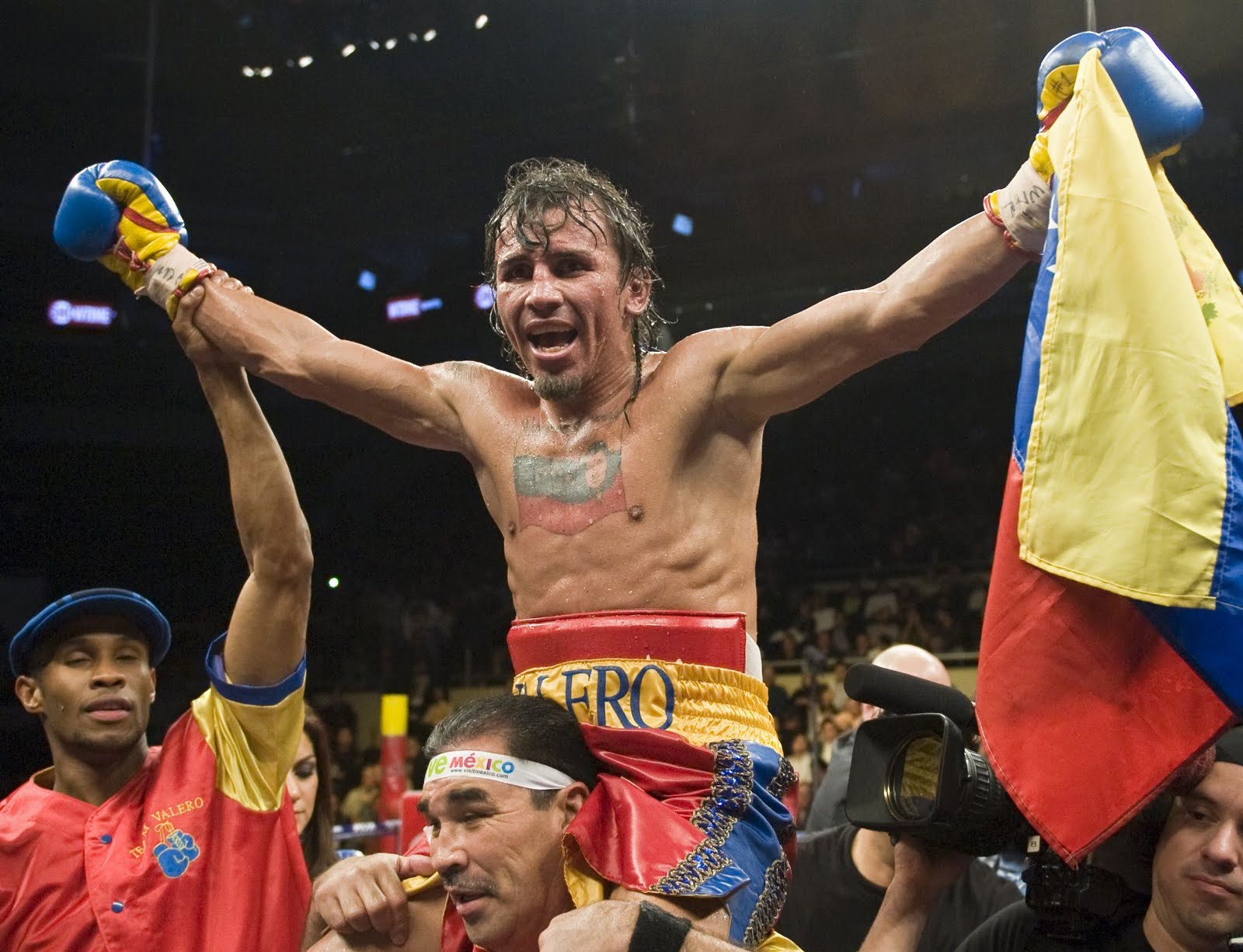
Understanding the Financial Legacy and Edwin Valero Net Worth Figure
The professional boxing career of Edwin Valero, while defined by his extraordinary 27-0 undefeated record and 100% knockout ratio, did not result in a significant, lasting net worth. At the time of his death in 2010, his financial hold...
The professional boxing career of Edwin Valero, while defined by his extraordinary 27-0 undefeated record and 100% knockout ratio, did not result in a significant, lasting net worth. At the time of his death in 2010, his financial holdings were negligible due to his brief career, legal expenditures, and personal instability, leaving no substantial estate or publicly documented net worth figure.
Contents
The Trajectory of a Polarizing Talent
To understand the financial standing of Edwin Valero, one must analyze his professional trajectory. Born in Venezuela in 1981, Valero rose through the ranks of the super featherweight and lightweight divisions with a level of ferocity rarely seen in the modern era. His technical skill combined with immense punching power made him a global sensation, eventually leading him to hold the WBA Super Featherweight and WBC Lightweight titles.
However, professional boxing economics are strictly tied to high-profile pay-per-view events and championship purse structures. While Valero participated in several major televised bouts, his career was severely hampered by medical suspensions in the United States—specifically following a 2001 motorcycle accident—and his own volatile behavioral issues. These factors prevented him from engaging in the lucrative mega-fights that typically define the net worth of elite world-champion boxers.
Economic Realities of Mid-Career Boxers
In the sport of boxing, "net worth" is often a misleading metric for fighters who do not reach the echelon of global superstars like Floyd Mayweather or Manny Pacquiao. For a fighter like Valero, income was generated on a fight-by-fight basis.
- Purse Deductions: A boxer's reported purse is rarely their take-home pay. Out of a standard purse, significant percentages are paid to trainers, managers, promoters, and medical staff.
- Operational Costs: Training camps, sparring partners, and travel expenses are often deducted from the athlete's earnings before they ever see a payout.
- Legal and Personal Liabilities: Throughout his career, Valero faced numerous legal challenges. Financial resources that might have been saved or invested were likely redirected toward legal counsel and the cost of living during his periods of inactivity.
Because Valero's career was tragically cut short at the age of 28, there was no opportunity for the "legacy earnings" period that many veteran boxers enjoy through endorsements, commentary roles, or promotional work.
Comparing Career Earnings vs. Net Worth
It is a common misconception to equate a fighter's total career earnings with their net worth at the time of their passing. Net worth is calculated by taking an individual's total assets—including real estate, investments, and savings—and subtracting all liabilities.
In the case of Edwin Valero, there is no evidence of a diversified investment portfolio, business ventures, or long-term real estate holdings. Public records from the period following his 2010 death do not indicate an estate of significant financial value. His financial life was characterized by a reliance on immediate fight purses to cover current expenses rather than the accumulation of wealth.
| Financial Factor | Impact on Valero's Wealth |
|---|---|
| Fight Purses | Primary income source; limited by short, frequent hiatuses. |
| Endorsement Deals | Non-existent or negligible due to public controversies. |
| Legal Expenditures | Substantial negative impact on liquid cash flow. |
| Career Duration | Short professional window (2002–2010) prevented compounding interest. |
| Asset Liquidity | No evidence of long-term investments or property portfolios. |
The Impact of Behavioral and Legal Challenges
The volatility of Valero's life outside the ring had a direct, measurable impact on his financial trajectory. In professional sports, marketability is a key driver of net worth. When a fighter becomes associated with criminal allegations—including domestic abuse and assault—broadcasters and sponsors typically terminate or avoid association.
Valero’s inability to fight in the United States for the latter half of his career restricted him to markets with smaller purses, primarily in Venezuela, Japan, and Mexico. This geographical restriction meant he could not access the massive television contracts available to fighters operating within the Nevada or New York boxing circuits. By 2010, his earning potential had been effectively stifled by his inability to secure sanctioned fights in major jurisdictions.
Why No Official Valuation Exists
Financial analysts and estate researchers often rely on probate records, tax filings, or public disclosures to estimate the net worth of public figures. For an athlete of Valero’s status during that era, no such public documentation exists. The absence of a "net worth figure" in the public record is not merely an omission; it is a reflection of the fact that he was a working-class athlete whose income was volatile and whose life ended before he could achieve financial stability.
When searching for "Edwin Valero net worth," many web sources may provide speculative figures based on arbitrary multipliers of his fight purses. These estimates fail to account for the standard 30–40% industry deductions for support teams, taxes, and overhead. Readers should view any specific dollar amount claimed for his net worth with extreme skepticism, as these are typically generated by algorithms rather than audited financial data.
Frequently Asked Questions
Was Edwin Valero wealthy at the time of his death? No. There is no evidence that he possessed significant wealth. His financial life was characterized by professional instability and a reliance on short-term income from boxing bouts.
How much did he earn per fight? His purses varied widely depending on the venue and opponent. While he reached championship levels, his inability to fight in major US markets for several years limited his ability to command the multi-million dollar purses seen by his contemporaries.
Did endorsements contribute to his net worth? No. Due to his volatile public behavior and legal issues, Valero did not secure corporate sponsorships that would have contributed to his overall net worth.
Are there official documents regarding his estate? No public record of an estate or probate filing exists that suggests he left behind a significant financial legacy. His assets were negligible compared to the professional standard for a world-champion boxer.
Moving Forward with Historical Context
In summary, the search for the Edwin Valero net worth figure is an inquiry into a career defined more by raw athletic potential than by financial success. The economic reality for Valero was one of constant flux, where the high costs of maintaining a professional boxing career and navigating complex legal issues consistently offset his earning power.
When researching the careers of athletes from this era, it is essential to distinguish between gross earnings and personal wealth. For Valero, the lack of a documented net worth serves as a stark reminder of how professional instability and personal hardship can prevent even the most gifted athletes from achieving long-term financial security. If you are conducting research for academic or historical purposes, rely only on primary sources such as public court records or official boxing sanctioning body reports, and avoid websites that assign arbitrary financial valuations to individuals without verified asset documentation.
Image Gallery