Understanding the Essential Functions and Applications of a Base Coat
A base coat is a foundational layer of coating applied directly to a surface before the primary color or top layer. It is used to enhance adhesion, protect the underlying surface from staining or damage, and create a smooth, uniform te...
A base coat is a foundational layer of coating applied directly to a surface before the primary color or top layer. It is used to enhance adhesion, protect the underlying surface from staining or damage, and create a smooth, uniform texture that ensures the final finish is durable and aesthetically consistent.
Contents
Whether you are performing a professional manicure, refinishing a vintage automobile, or painting a structural surface, the base coat serves as the critical bridge between the raw material and the decorative finish. In 2026, the technology behind these coatings has evolved significantly, incorporating advanced polymers and eco-friendly solvents, yet the fundamental purpose remains the same: ensuring the longevity and quality of the entire coating system.
The Role of Base Coats in Professional Nail Care
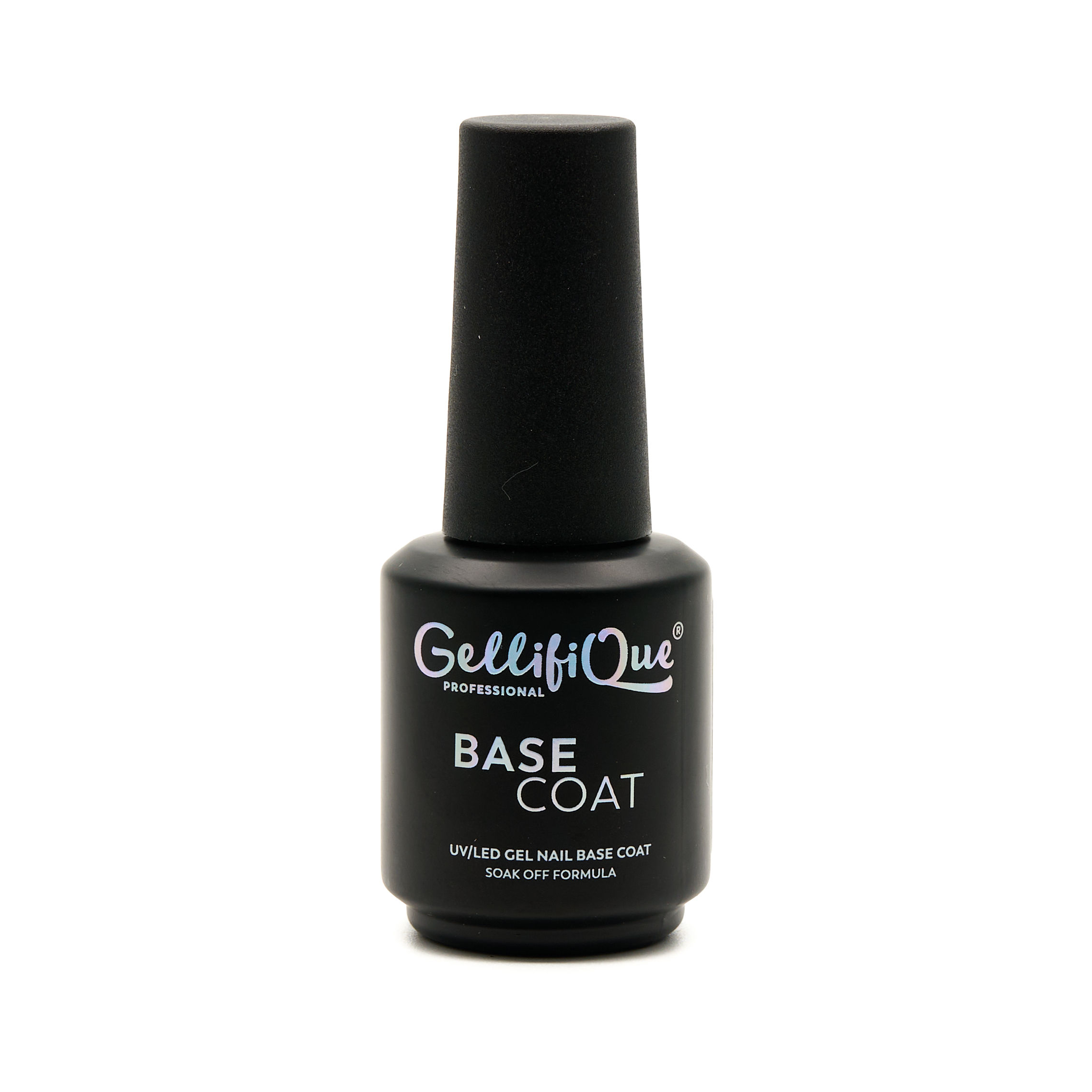
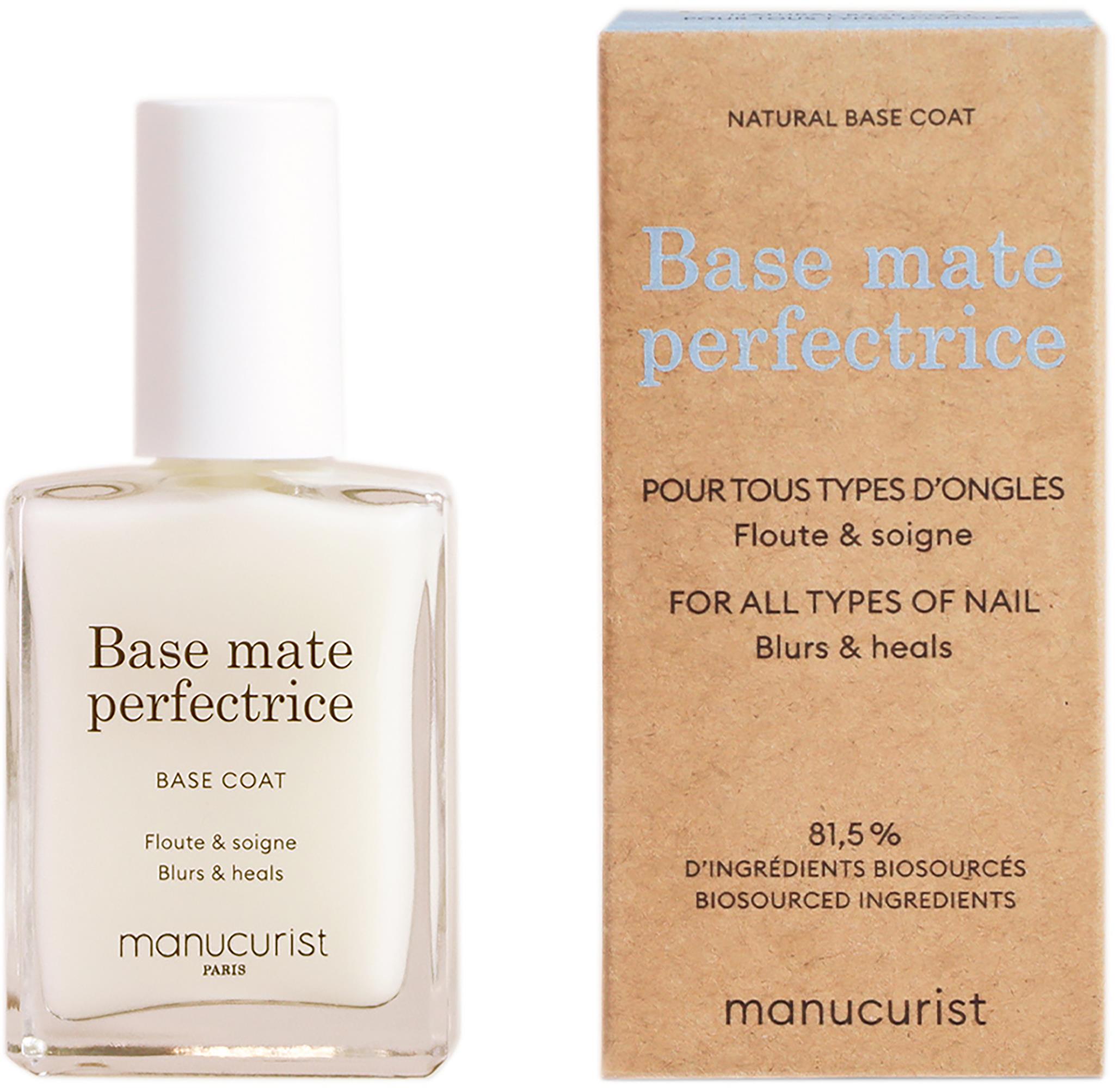
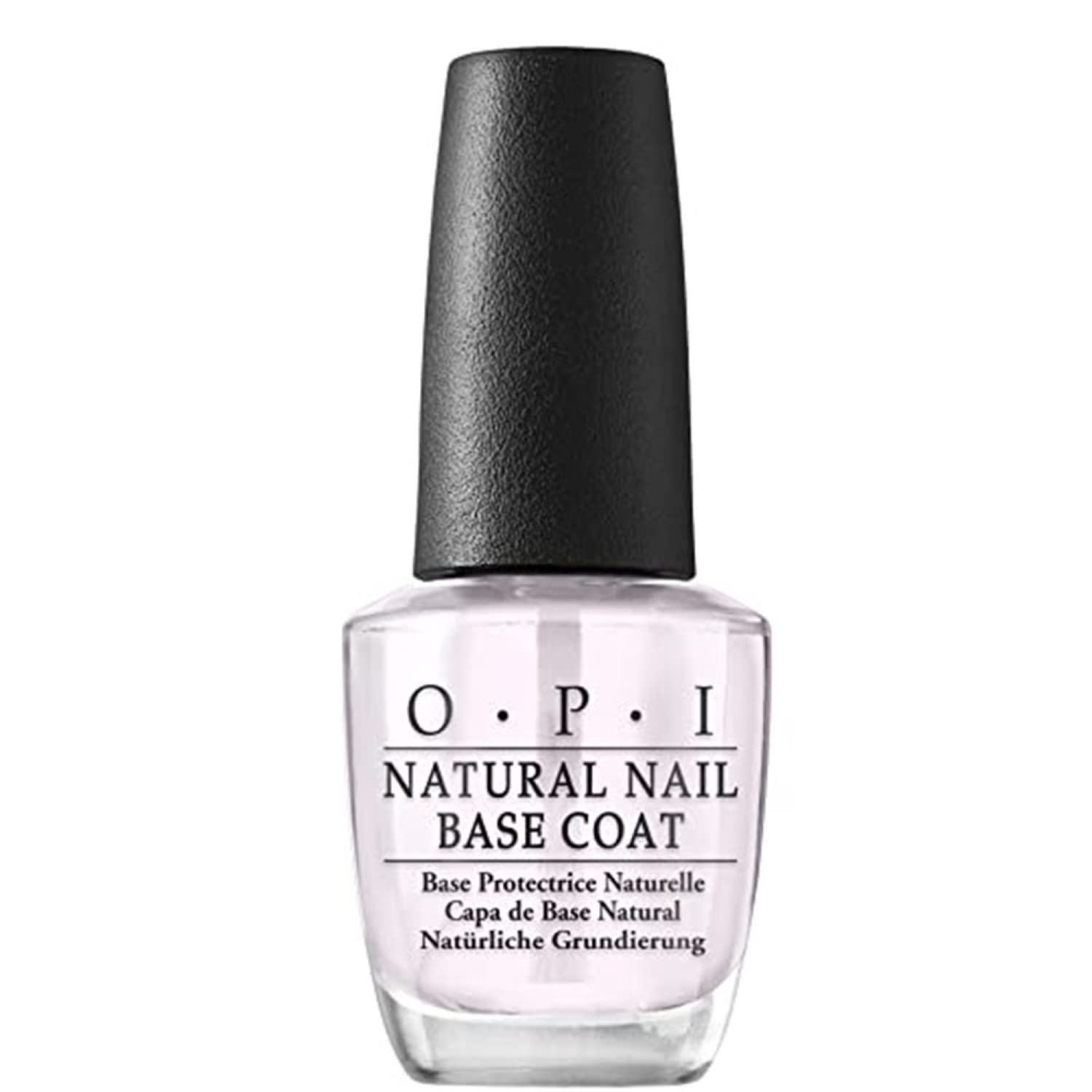
In the beauty and cosmetology industry, a base coat is an indispensable component of any professional manicure or pedicure. While it may appear to be a simple clear polish, its chemical formulation is specifically engineered to perform tasks that standard color polishes cannot.
Prevention of Nail Staining and Discoloration
One of the most immediate benefits of using a base coat is the protection it offers against pigment migration. Darker nail polishes—particularly reds, blues, and deep purples—contain heavy concentrations of dyes and pigments. Without a protective barrier, these chemicals can penetrate the porous keratin layers of the natural nail plate, leading to persistent yellowing or staining that can take weeks to grow out. A high-quality base coat acts as a non-porous shield, trapping pigments within the polish layers and keeping the natural nail pristine.
Enhancing Adhesive Properties
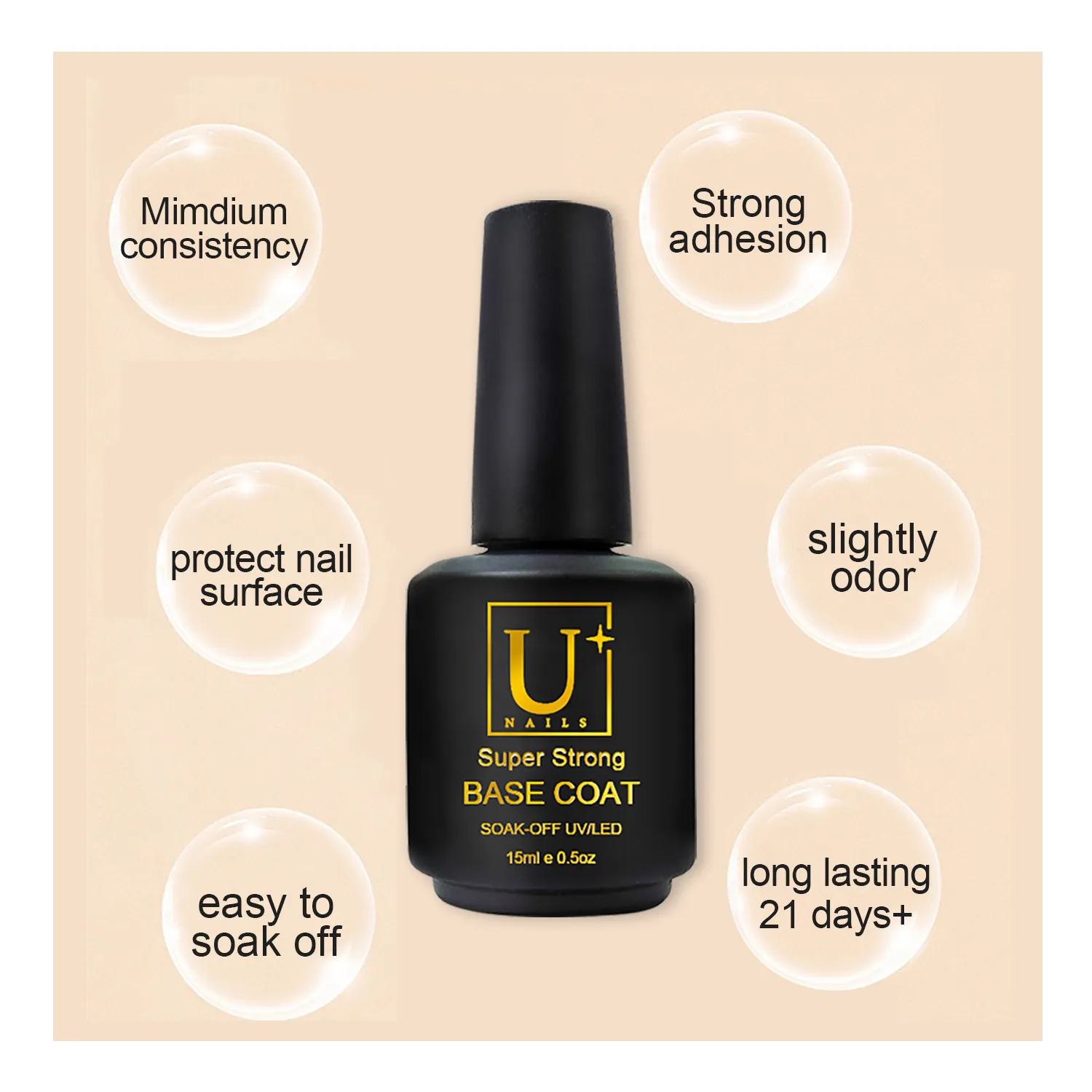
The surface of a natural nail is smooth and contains natural oils, which are inherently "anti-adhesive" for traditional solvent-based polishes. Base coats are formulated with a higher percentage of resins and plasticizers compared to color coats. These ingredients are designed to "bite" into the microscopic ridges of the nail plate while remaining flexible. This creates a "double-sided tape" effect, where one side of the film bonds to the nail and the other provides a chemically receptive surface for the color polish to cling to, significantly reducing the likelihood of chipping or peeling.
Surface Leveling and Ridge Filling
As we age or experience certain health conditions, the nail plate can develop vertical ridges or irregularities. Applying a color coat directly over an uneven surface often accentuates these flaws, as the light reflects off the "hills and valleys" of the nail. Specialized ridge-filling base coats contain larger particles (such as silica or specialized minerals) that settle into the grooves, creating a perfectly level canvas. This results in a "high-gloss" finish that looks professional and uniform.
Technical Specifications of Automotive Base Coats
In the context of automotive refinishing, the term "base coat" refers to a specific stage in a multi-stage paint system. Unlike "single-stage" paints where the gloss and color are mixed, a base coat/clear coat system separates these functions for superior durability and depth.
Color Delivery and Pigment Suspension
The automotive base coat is the layer that carries the actual color, metallic flakes, or pearlescent pigments. Because it is not responsible for the final gloss or UV protection (those are handled by the clear coat), it can be formulated with a much higher pigment load. This allows for thinner applications that provide full "hide" or opacity, which is essential for achieving the complex, shimmering effects seen on modern vehicles in 2026.
Chemical Interaction with Primers and Clear Coats
The base coat is designed to be applied over a cured primer-surfacer. It must possess specific solvent properties that allow it to slightly "melt" into the primer for a mechanical bond, while providing a stable surface for the clear coat to follow. If the base coat is too thick or applied in improper environmental conditions, it can lead to "delamination," where the clear coat eventually peels away from the color underneath.
Dry Times and "Flash" Points
Automotive base coats are engineered to "flash" (the evaporation of solvents) very quickly. This rapid drying is necessary because the base coat is inherently matte and porous. It must dry enough to hold the metallic flakes in their specific orientation before the heavy, wet clear coat is applied over the top.
Comparing Types of Base Coats and Their Applications
Choosing the right base coat requires understanding the specific needs of the project. The following table outlines the most common types of base coats used in various industries as of 2026.
| Base Coat Type | Primary Industry | Key Benefit | Ideal Use Case |
|---|---|---|---|
| Standard Bonding | Nail Care | Maximum Adhesion | Everyday manicures on healthy nails. |
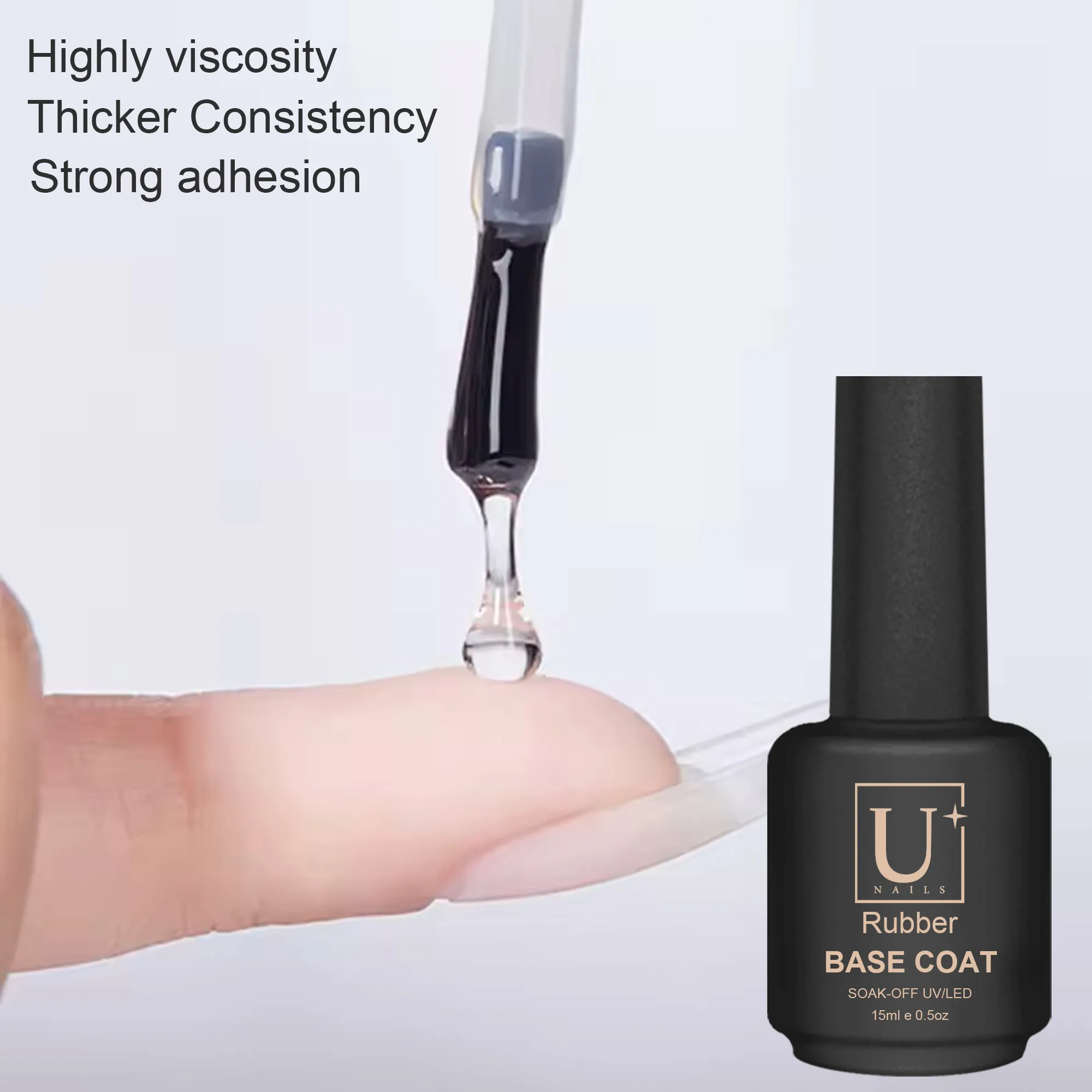
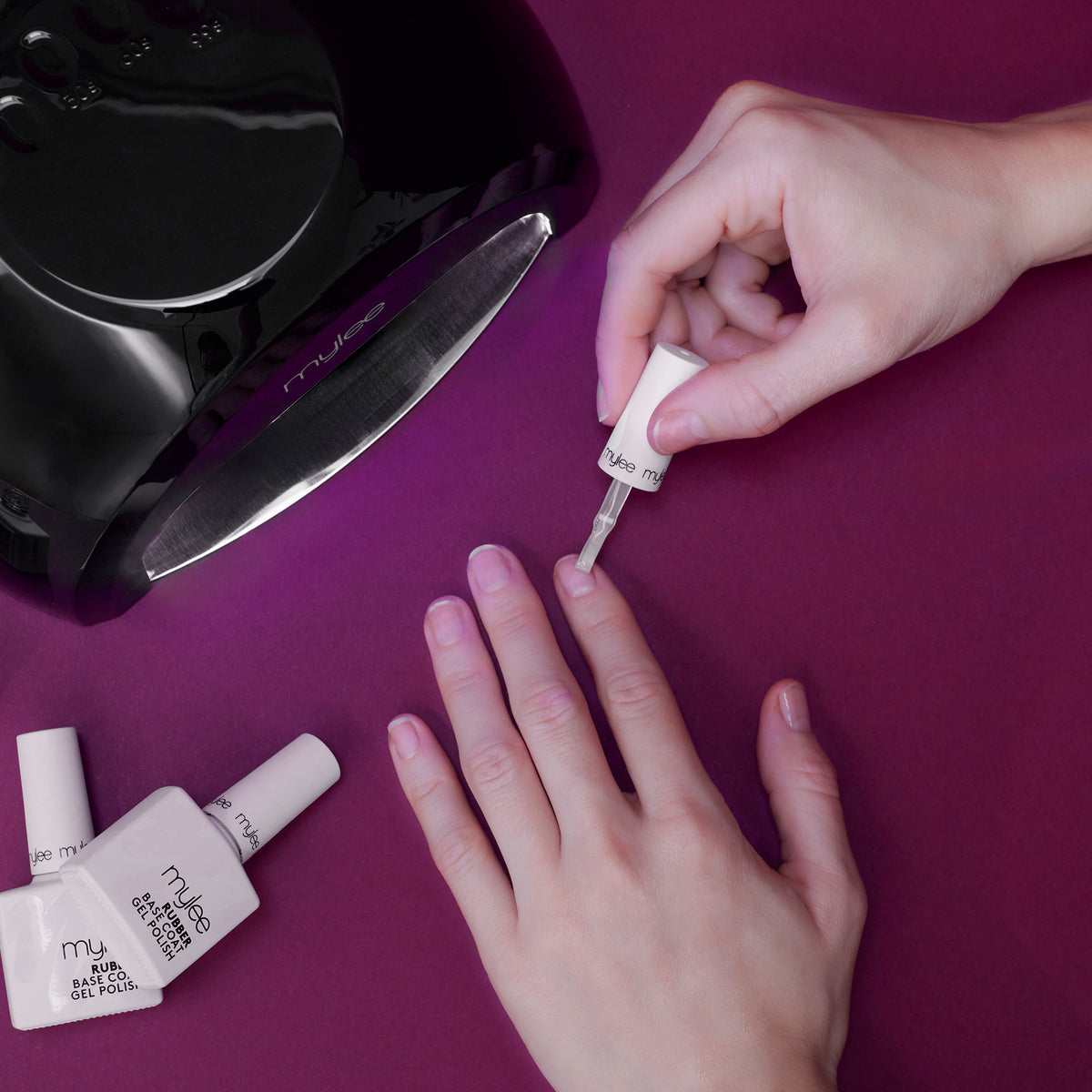
| Rubber Base | Nail Care | High Flexibility | Strengthening weak, brittle, or bendy nails. |
| Peel-Off Base | Nail Care | Easy Removal | Temporary nail art or glitter polish. |
| Solvent-Borne | Automotive | Fast Dry Times | Professional collision repair and custom painting. |
| Waterborne | Automotive | Low VOC / Eco-Friendly | Factory-standard finishes and environmental compliance. |
| Acid-Free Primer | Industrial/Nails | Non-Corrosive Bonding | Sensitive surfaces or clients with allergies. |
The Consequences of Skipping the Base Coat
It is a common mistake for DIY enthusiasts to skip the base coat in an effort to save time. However, this oversight usually leads to three primary failures that necessitate more work in the long run.
- Premature Failure: Without the adhesive resins found in a base coat, the top layers have nothing to grip. This leads to "sheets" of paint or polish lifting off the surface within days, rather than weeks.
- Surface Damage: On nails, this manifests as staining. On industrial surfaces or wood, the pigments can bleed into the substrate, making it impossible to return to a natural look later.
- Wasted Material: Because a base coat provides a uniform color foundation, you often need fewer layers of expensive color polish or paint to achieve full coverage. Skipping it usually means you spend more on the decorative layer to hide the inconsistencies of the substrate.
Application Best Practices and Troubleshooting
To ensure a base coat performs its intended function, the surface must be properly prepared. This is a universal truth across all disciplines.
- Decontamination: For nails, this involves using an isopropyl alcohol or acetone-based cleanser to remove natural oils. For automotive work, it involves a grease and wax remover. Any residual oil will cause the base coat to "fish-eye," creating small circular voids where the coating cannot stick.
- Thin Applications: Base coats are not meant to provide bulk. Applying a base coat too thickly can trap solvents underneath, leading to bubbling or a "soft" finish that never fully cures.
- Curing Times: In the case of UV-cured gel base coats, ensuring the lamp is at the correct wavelength (typically 365-405nm) is vital. Under-cured base coats are a leading cause of contact dermatitis in the beauty industry and structural failure in industrial settings.
Common Troubleshooting Scenarios
- Bubbling: Usually caused by shaking the bottle (introducing air) or applying the coat in direct sunlight/high heat, which causes the surface to skin over before the bottom solvents can escape.
- Peeling at the Edges: This typically indicates that the surface was not cleaned thoroughly near the perimeter, or the coating was applied too close to the cuticle or trim, allowing moisture to seep under the edge.
Frequently Asked Questions
Does a base coat take longer to dry than a top coat?
Generally, no. Base coats are formulated with lighter resins that are designed to dry or "flash off" quickly to allow for the next layer. In automotive applications, a base coat may dry to the touch in 10-15 minutes, whereas a high-solids clear coat may take hours to fully harden.
Can I use a top coat as a base coat?
This is not recommended. Top coats are formulated for hardness, shine, and UV protection; they do not contain the adhesive resins necessary to bond to a raw surface. Using a top coat as a base will usually result in the entire manicure or paint job peeling off in a single piece.
Is a primer the same thing as a base coat?
In some industries, the terms are used interchangeably, but technically they are different. A primer is designed to seal a surface and prevent corrosion, while a base coat is designed to provide color and a receptive surface for the final finish. In nail care, the "base coat" effectively performs both roles.
Why does my base coat stay sticky after curing?
If you are using a gel-based system, the sticky layer (known as the inhibition layer) is intentional. It consists of uncured monomers that allow the next layer of color to chemically bond to the base. You should not wipe this layer off unless the specific product instructions direct you to do so.
Can I use a base coat on its own?
Yes, particularly in nail care. Many people use a "treatment base coat" (containing vitamins or calcium) to protect their nails and give them a slight sheen without the commitment of a full color manicure. However, in automotive work, a base coat is too porous to be left exposed and will degrade quickly without a clear coat.
Final Recommendation
For the best results, always treat the base coat as the most important layer of your project. Whether you are painting a car or your nails, the quality of the finish is entirely dependent on the integrity of the foundation. Invest in a high-quality, industry-specific base coat and allow it sufficient time to bond or dry according to the manufacturer's specifications. If you are dealing with a difficult surface, such as oily nail beds or high-gloss plastic, consider a specialized "high-adhesion" base coat to ensure your work lasts.
Image Gallery