SonicWall Cloud Secure Edge License Explained: A Comprehensive Guide to Tiers and Costs
SonicWall Cloud Secure Edge licensing is a subscription-based model calculated per user, providing scalable Zero Trust Network Access (ZTNA) and Secure Access Service Edge (SASE) functionality. Distributed in tiered packages—Essential,...
SonicWall Cloud Secure Edge licensing is a subscription-based model calculated per user, providing scalable Zero Trust Network Access (ZTNA) and Secure Access Service Edge (SASE) functionality. Distributed in tiered packages—Essential, Advanced, and Premier—the licensing covers private application access, secure web gateway features, and cloud application security managed through a unified cloud-native console.
Contents
Understanding SonicWall Cloud Secure Edge
As of 2026, SonicWall Cloud Secure Edge (CSE) has solidified its position as the cornerstone of SonicWall’s security-as-a-service portfolio. Born from the acquisition of Banyan Security, CSE represents a fundamental shift from traditional perimeter-based security to a modern Zero Trust architecture.
The licensing for CSE is designed to address the challenges of a decentralized workforce where users access internal resources, SaaS applications, and the open internet from various locations and devices. Unlike traditional firewall licensing that is often tied to physical hardware capacity, CSE licensing is cloud-orchestrated and focused on the identity and health of the user rather than the throughput of a box.
The primary goal of the CSE license is to replace or augment legacy VPNs with a more granular, identity-aware access method. By decoupling the security enforcement from the hardware, SonicWall allows organizations to scale their security posture globally without the need to deploy physical appliances in every branch office or data center.
The Core Licensing Framework
SonicWall Cloud Secure Edge follows a Named User subscription model. This means that a license is required for every unique individual who needs to access the protected network resources.
Subscription Intervals
Licenses are typically available in 1-year, 3-year, and 5-year terms. Longer-term commitments generally offer a lower price-per-user, which is the standard approach for enterprise-grade SaaS products in 2026. These subscriptions include not only the right to use the software but also continuous threat intelligence updates, firmware/software maintenance, and 24/7 technical support.
The Seat Metric
A "seat" refers to a single user. While one user might have multiple devices (a laptop, a smartphone, and a home tablet), the license is tied to the user's identity. This simplifies management for IT administrators who no longer need to track the number of devices connected to a VPN concentrator. However, there are often soft limits on the number of concurrent device registrations per user to prevent license sharing and security risks.
Management via MySonicWall
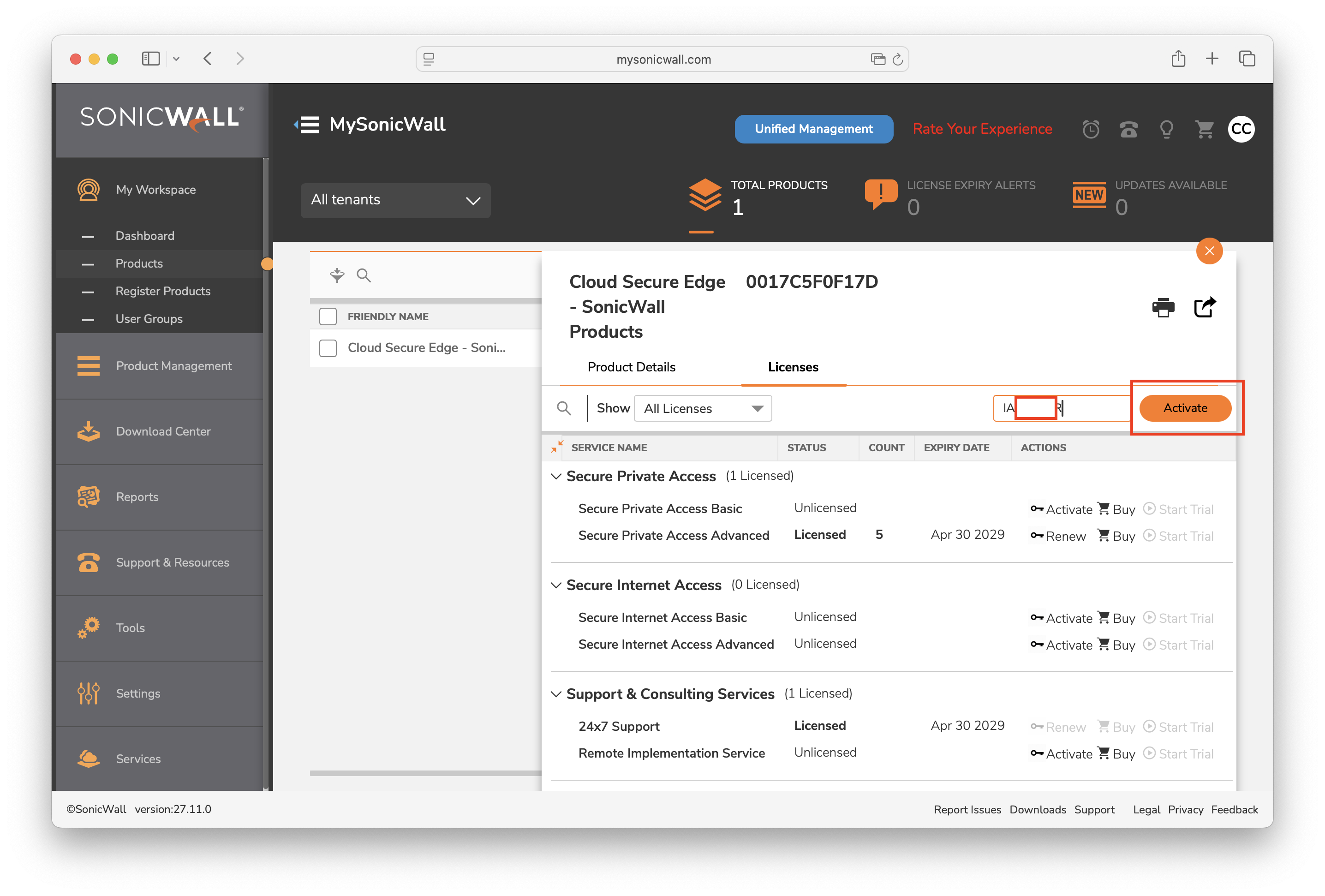
All CSE licenses are provisioned and managed through the MySonicWall portal. When a license is purchased, it is applied to a specific "Tenant." This multi-tenant architecture is particularly beneficial for Managed Service Providers (MSPs) who oversee multiple clients, as it allows for centralized billing and policy distribution.
Breaking Down the Licensing Tiers
SonicWall has structured CSE into three distinct tiers to cater to different organizational sizes and security requirements. These tiers—Essential, Advanced, and Premier—dictate which specific SASE components are unlocked.
1. Cloud Secure Edge Essential
The Essential tier is designed for small to medium-sized businesses (SMBs) that need to replace an aging VPN with a more secure ZTNA (Zero Trust Network Access) solution.
- Primary Focus: Private Access.
- Key Features: Secure access to on-premises or private cloud applications (RDP, SSH, Web), basic identity provider integration, and the Cloud Secure Edge mobile/desktop agent.
- Ideal For: Organizations primarily concerned with securing remote access to internal servers and file shares.
2. Cloud Secure Edge Advanced
The Advanced tier introduces sophisticated security layers beyond simple access. It is the most common choice for mid-market enterprises that must meet strict compliance standards.
- Primary Focus: Private Access + Device Posture.
- Key Features: Everything in Essential, plus Device Health Checks. This ensures that a user can only connect if their device has an active antivirus, encrypted disk, and the latest OS patches. It also includes "Agentless" access for third-party contractors who cannot install software on their personal machines.
- Ideal For: Regulated industries (finance, healthcare) where the state of the hardware is as important as the identity of the user.
3. Cloud Secure Edge Premier
The Premier tier is a full-stack SASE (Secure Access Service Edge) offering. It combines private access with internet security.
- Primary Focus: Total Security (Private Access + Internet Access).
- Key Features: Everything in Advanced, plus Secure Web Gateway (SWG) and Cloud Access Security Broker (CASB) features. This allows admins to control where users go on the internet, block malicious URLs, and prevent data leakage to unapproved SaaS applications like personal Dropbox or Google Drive accounts.
- Ideal For: Global enterprises requiring a single solution for remote access, web filtering, and data loss prevention.
Feature Comparison Table
| Feature | Essential | Advanced | Premier |
|---|---|---|---|
| User-Based Subscription | Yes | Yes | Yes |
| ZTNA (Private Access) | Yes | Yes | Yes |
| Identity Provider Integration | Basic | Advanced | Full |
| Agentless Access | No | Yes | Yes |
| Device Posture Checks | No | Yes | Yes |
| Secure Web Gateway (SWG) | No | No | Yes |
| CASB & DLP | No | No | Yes |
| 24/7 Support | Included | Included | Included |
Technical Requirements and Prerequisites
Before deploying a SonicWall Cloud Secure Edge license, certain technical components must be in place. Licensing alone does not create a secure perimeter; it authorizes the use of the infrastructure.
- Identity Provider (IdP): CSE requires an external source of truth for user identities. Compatible systems include Microsoft Entra ID (formerly Azure AD), Okta, Ping Identity, and Google Workspace. The license allows the CSE controller to sync with these directories.
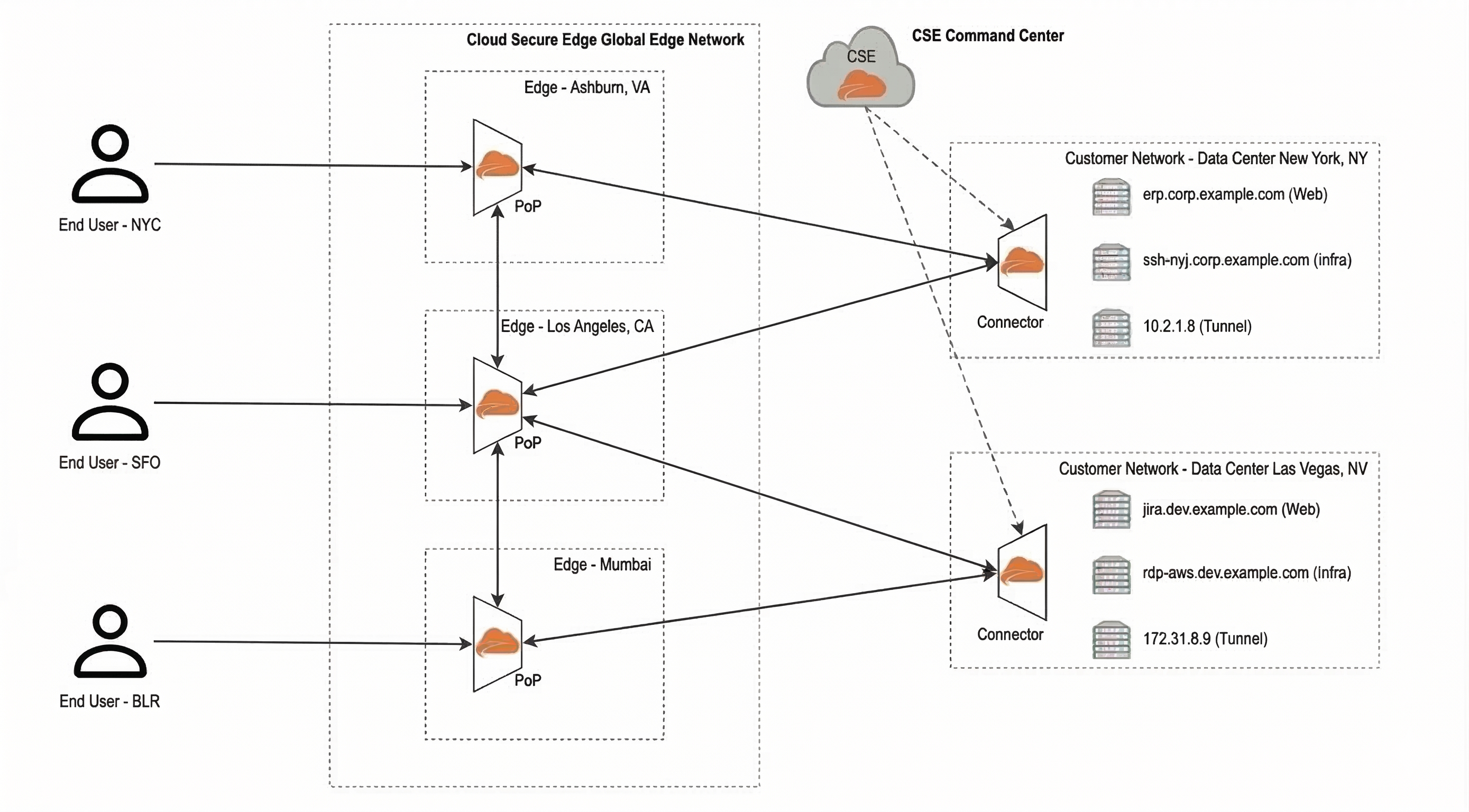
- Connectors: For Private Access, you must deploy a "Connector" (a lightweight virtual machine) inside your data center or cloud VPC. While the Connector software is free, you need a valid license to register it to the SonicWall cloud.
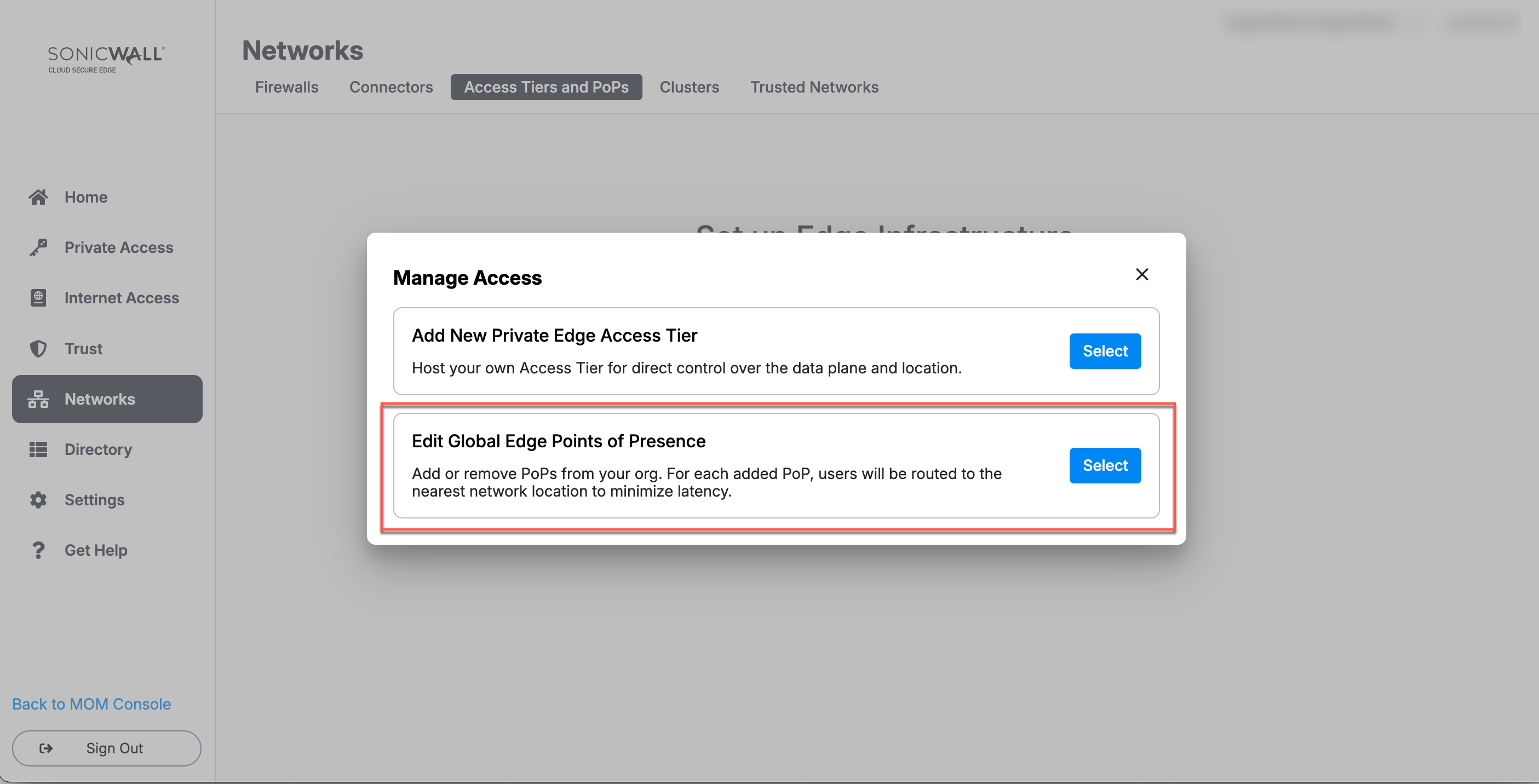
- Global Edge Points of Presence (PoPs): The license grants your users access to SonicWall’s global network of PoPs. These PoPs act as the traffic inspectors. The closer the user is to a PoP, the lower the latency.
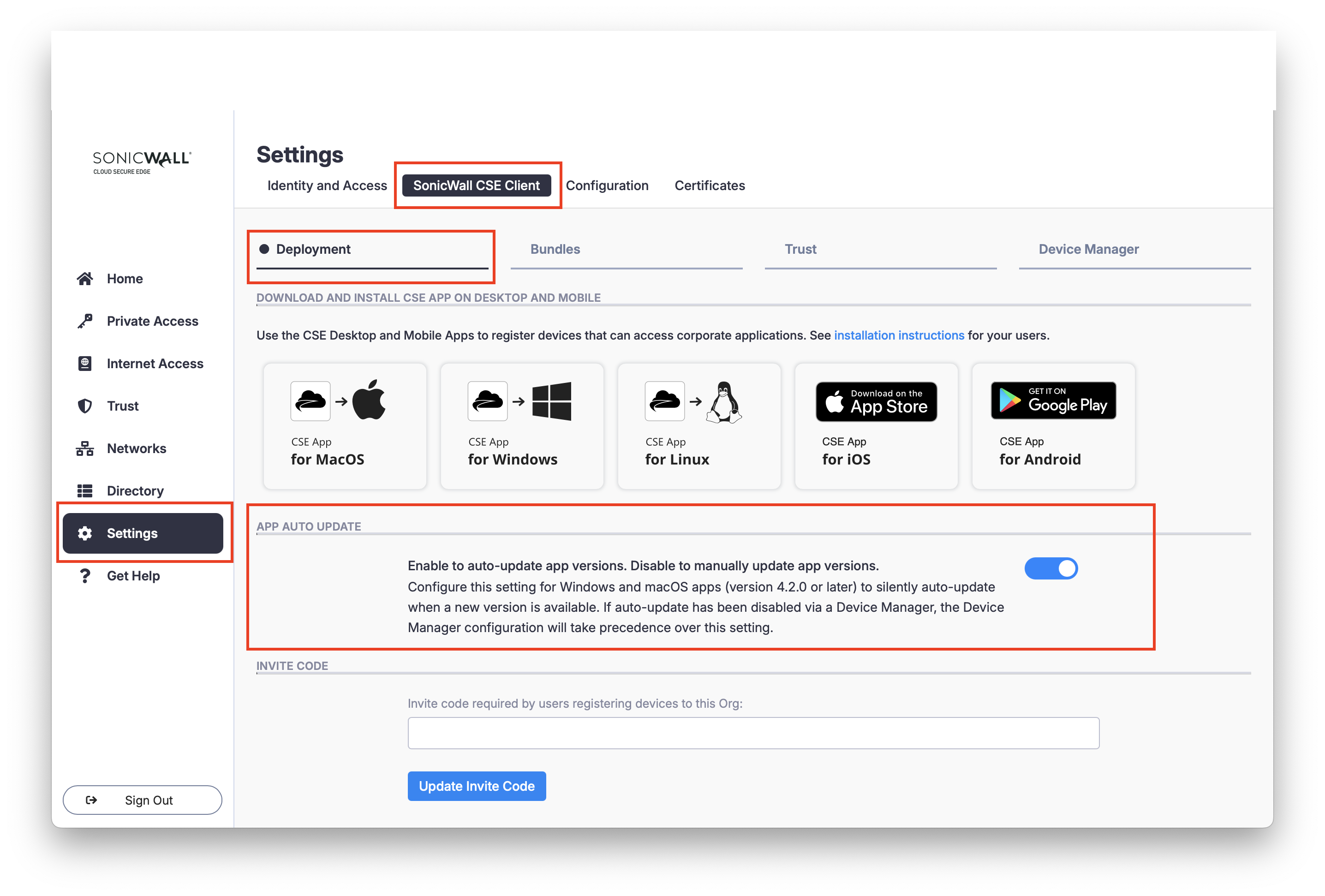
- Client Software: Most deployments require the installation of the Cloud Secure Edge App on Windows, macOS, Linux, iOS, or Android. The license covers the distribution and updates of this software.
Cost Considerations and ROI
When evaluating the cost of SonicWall Cloud Secure Edge licensing, it is important to look beyond the initial invoice. Organizations should conduct a total cost of ownership (TCO) analysis comparing CSE to traditional firewall-based VPNs.
Direct Costs
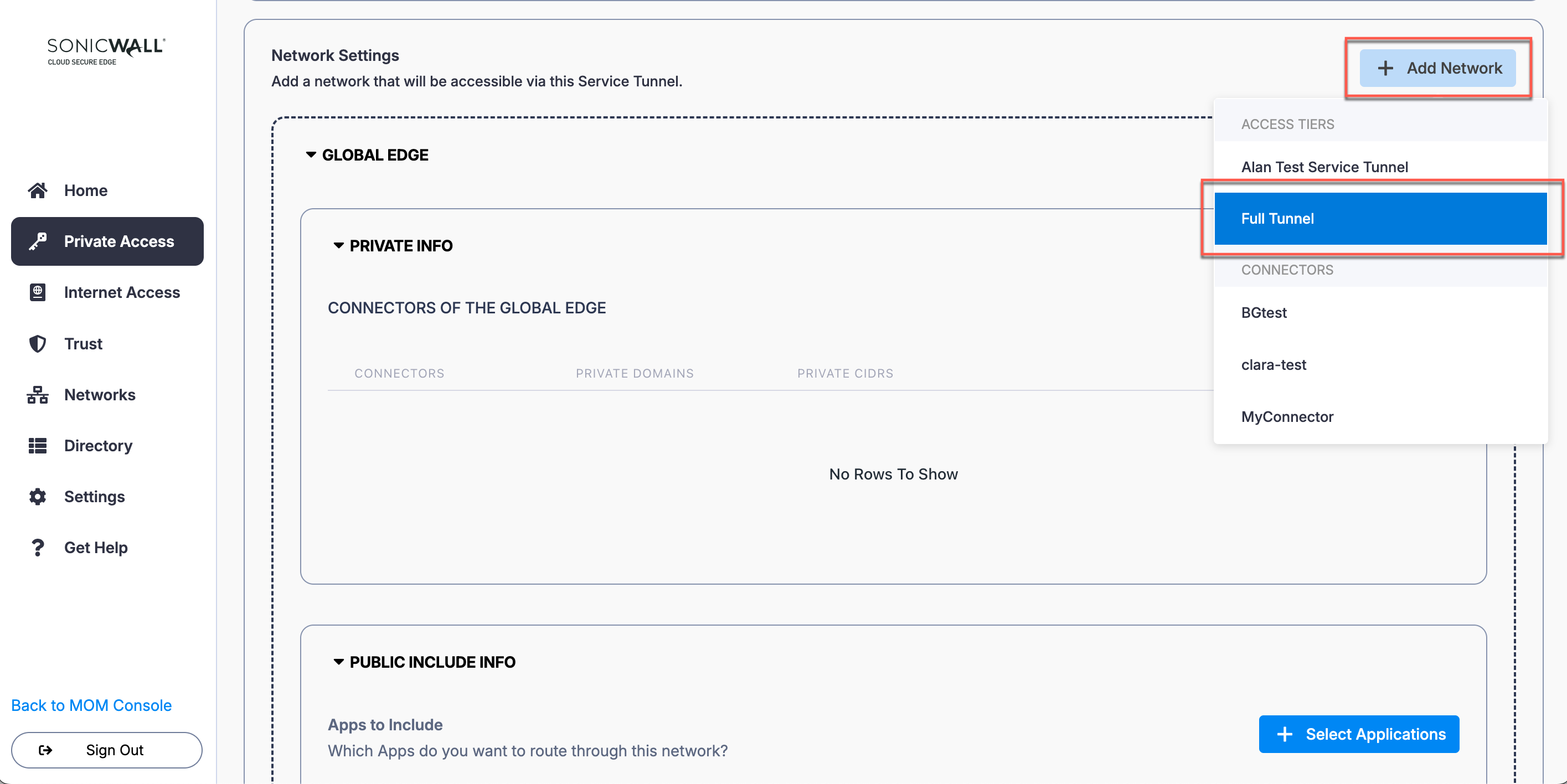
The direct cost is the annual per-user fee. In 2026, pricing is competitive with other SASE leaders like Zscaler or Palo Alto Networks, but SonicWall often provides better value for existing customers who already use SonicWall firewalls (Gen 7 and above), as these can often act as "Connectors" or "Service Tunnels" to the Cloud Secure Edge.
Indirect Savings
- Reduced Hardware: By moving to a cloud-delivered security model, organizations can often downsize their headquarter firewalls because they are no longer terminating thousands of VPN tunnels.
- Simplified Management: A single policy created in the CSE console applies to users everywhere. This reduces the administrative hours spent on managing disparate firewall rules across multiple branch offices.
- Bandwidth Efficiency: With the Premier tier (SWG), internet traffic is offloaded directly to the cloud rather than being backhauled to a central data center, significantly reducing MPLS or dedicated internet line costs.
Common Licensing Mistakes to Avoid
- Underestimating Seat Count: Organizations often forget to account for temporary contractors, seasonal workers, or service accounts that may require access. Always buy a 5-10% buffer of seats to avoid service interruptions.
- Choosing the Wrong Tier for Compliance: Many companies purchase the Essential tier only to realize later that their insurance or regulatory body requires Device Posture Checks, which are only available in the Advanced tier and above.
- Ignoring the "Connectors": While the license is per-user, the performance is determined by how many Connectors you deploy. A single license can support multiple Connectors, but failing to deploy enough of them can create bottlenecks that users mistake for "licensing issues."
- Misunderstanding Agentless Limits: Agentless access (Advanced/Premier) is excellent for browser-based apps but does not support thick-client applications like legacy SQL tools or custom ERP software. Ensure your user workflows match the tier capabilities.
Frequently Asked Questions
Can I mix and match tiers within a single tenant?
Generally, SonicWall requires all users within a single tenant to be on the same licensing tier to ensure policy consistency. However, for large enterprise environments, you should consult with a SonicWall representative as custom "hybrid" configurations are sometimes handled through multiple tenants or specific enterprise agreements.
What happens if I exceed my licensed user count?
SonicWall Cloud Secure Edge usually provides a grace period or "overage" allowance. If you consistently exceed your seat count, the MySonicWall portal will flag the account, and you may be prevented from adding new users until additional licenses are purchased. It is rare for existing users to be "locked out" immediately, but performance and support may be impacted.
Is the license transferable between users?
Yes. Because it is a subscription model, you can decommission a user (e.g., an employee who has left the company) and reassign that "seat" to a new employee. This is handled instantly through the CSE management console by updating the synchronized group from your Identity Provider.
Does the license include the cost of the cloud hosting?
Yes. The subscription covers the compute and storage costs within SonicWall’s global cloud infrastructure. There are no "hidden" data transfer fees for traffic passing through the Secure Edge PoPs, which provides a predictable monthly or annual cost for IT budgeting.
How does CSE licensing interact with my existing SonicWall firewalls?
SonicWall Cloud Secure Edge is designed to be "firewall agnostic," meaning it works even if you use hardware from other vendors. However, if you have SonicWall Gen 7 firewalls, they can be integrated as "Secure Office" locations, allowing for a seamless transition between on-premises security and cloud-edge security under a unified licensing umbrella.
Next Steps for Implementation
To get started with SonicWall Cloud Secure Edge, the first step is to conduct a User Access Audit. Identify how many users require access and what types of applications they are reaching (Web-based vs. Legacy).
For most organizations in 2026, starting with a Trial License is highly recommended. SonicWall typically offers a 30-day evaluation of the Premier tier, allowing you to test ZTNA, SWG, and Device Posture features simultaneously. Once the proof of concept is complete, you can easily convert the trial tenant into a production environment by applying the purchased license keys in the MySonicWall portal.
Image Gallery