How to Choose an Online Nurse Anesthesia Program
Choosing a nurse anesthesia program with online components requires verifying its accreditation by the Council on Accreditation of Nurse Anesthesia Educational Programs (COA) and evaluating how the hybrid curriculum balances remote did...
Choosing a nurse anesthesia program with online components requires verifying its accreditation by the Council on Accreditation of Nurse Anesthesia Educational Programs (COA) and evaluating how the hybrid curriculum balances remote didactic coursework with mandatory, in-person clinical rotations. Prospective students should prioritize programs with high first-time board pass rates and diverse clinical sites.
Contents
Selecting the right program to become a Certified Registered Nurse Anesthetist (CRNA) is one of the most significant decisions a nursing professional will make. As of 2026, the landscape of nurse anesthesia education has fully transitioned to the doctoral level, meaning all entry-level programs now culminate in a Doctor of Nursing Practice (DNP) or a Doctor of Nurse Anesthesia Practice (DNAP). While the "online" label is attractive for its flexibility, it is a common misconception that a nurse anesthesia program can be completed entirely remotely. Because anesthesia is a high-stakes, hands-on medical specialty, "online" programs are actually hybrid models where the foundational sciences are taught virtually, while clinical residencies and simulation labs require physical attendance.
The Reality of Online Education in Anesthesia
Before diving into specific selection criteria, it is essential to understand what "online" means in the context of a CRNA program. The Council on Accreditation of Nurse Anesthesia Educational Programs (COA) mandates rigorous standards that include thousands of hours of direct patient care. Therefore, an online program typically refers to the didactic portion—the "classroom" phase—of the curriculum.
In 2026, many top-tier universities have adopted a hybrid structure. In these models, students may spend the first 12 to 15 months engaging in synchronous or asynchronous online learning, covering advanced pharmacology, anatomy, physiology, and anesthesia principles. However, once the clinical phase begins, students must relocate to or live near assigned clinical sites. When evaluating a program, you must distinguish between programs that allow you to stay home for the entire didactic phase versus those that require occasional "on-campus intensives" for high-fidelity simulation training.
Prioritizing Accreditation and Certification Eligibility
The first and most critical step in your search is verifying that the program is accredited by the COA. This is not merely a quality marker; it is a legal requirement for your future career. Only graduates of COA-accredited programs are eligible to sit for the National Certification Examination (NCE) administered by the National Board of Certification and Recertification for Nurse Anesthetists (NBCRNA).
Beyond institutional accreditation, look for the program's specific standing. If a program is on "probationary" status, it may signal underlying issues with faculty turnover, clinical site availability, or student outcomes. Choosing a program with a full 10-year accreditation cycle is the safest bet for educational stability. Furthermore, ensure the program meets the requirements of the American Association of Nurse Anesthetists (AANA) standards for 2026, which emphasize leadership, evidence-based practice, and healthcare policy alongside clinical skills.
Evaluating Board Pass Rates and Attrition
A program’s effectiveness is best measured by the success of its graduates. Two metrics are non-negotiable when comparing online nurse anesthesia programs:
- First-Time Pass Rate on the NCE: The national average typically hovers around 84–88%. Top-tier programs consistently achieve 90% or higher. A high first-time pass rate indicates that the curriculum—even when delivered online—is sufficiently rigorous to prepare students for the complexities of the national board exam.
- Attrition Rate: This measures the percentage of students who drop out or fail out of the program. While CRNA school is notoriously difficult, an exceptionally high attrition rate (above 15%) may suggest a lack of student support, poor faculty-to-student ratios, or a "weed-out" culture that can be particularly isolating in a remote learning environment.
In 2026, most programs are required to publish these statistics on their official websites. If they are not readily available, it is a significant red flag.
Clinical Site Diversity and Autonomy
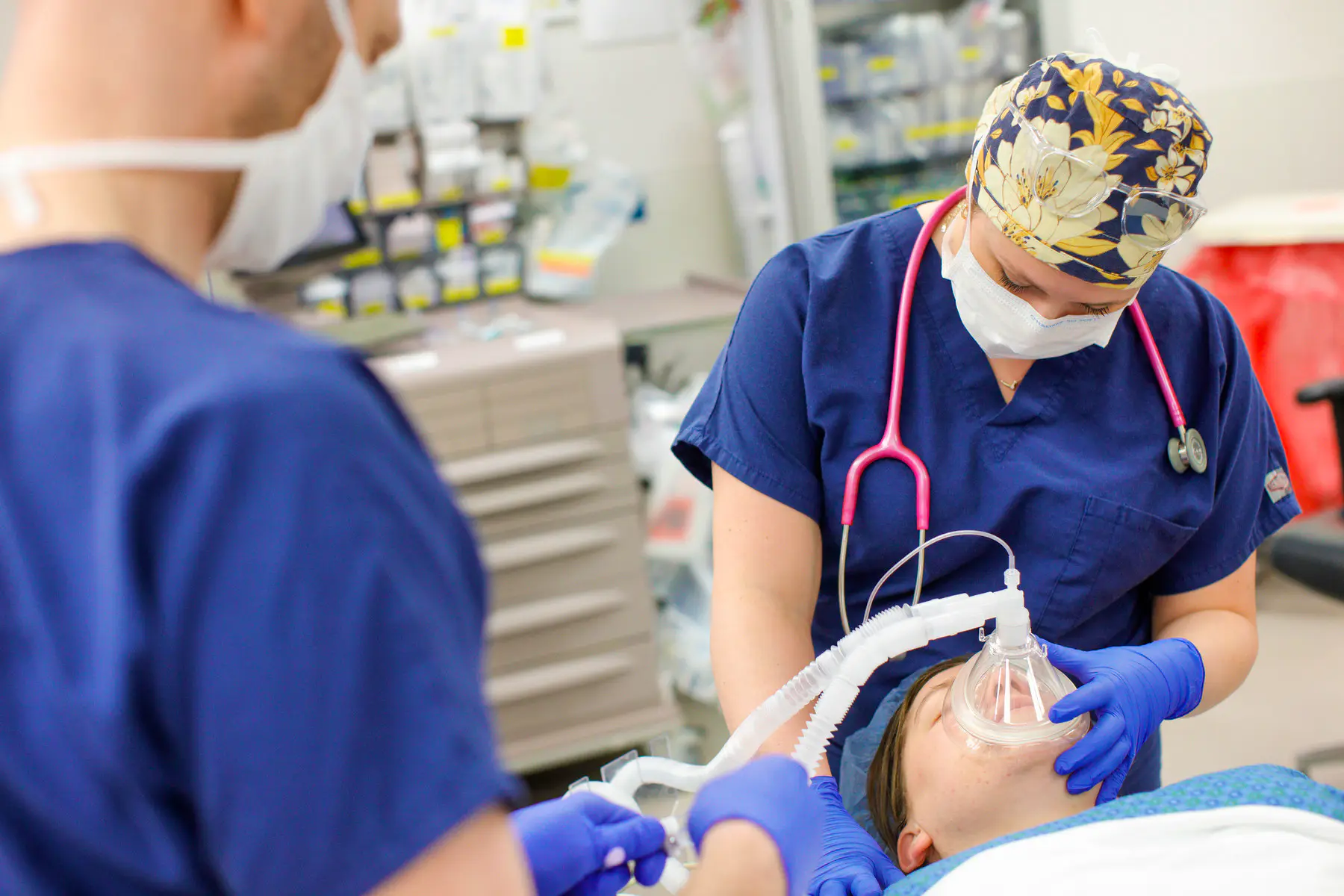
While the didactic portion may be online, your future career will be defined by your clinical training. When choosing a hybrid program, investigate the geographical distribution and the quality of the clinical affiliates.
A high-quality program should offer access to a wide range of cases, including:
- General Surgery: Basic abdominal, orthopedic, and ENT cases.
- Specialty Rotations: Cardiovascular, neurosurgical, pediatric, and obstetric anesthesia.
- Regional Anesthesia: Programs that offer extensive experience in ultrasound-guided nerve blocks provide a competitive edge in the 2026 job market.
Ask whether the program utilizes "all-CRNA" sites or "ACT" (Anesthesia Care Team) models. Training at an all-CRNA site often allows for greater student autonomy, as you are not competing with anesthesiology residents for procedures like intubations or spinal placements. In a hybrid program, you must also clarify if you are responsible for finding your own clinical sites—a task that is incredibly difficult and should ideally be handled by the university’s clinical coordinator.
Comparing Front-Loaded vs. Integrated Curricula
How an online program structures its timeline will significantly impact your learning experience. There are two primary models:
Front-Loaded Curriculum
In this model, you complete all (or nearly all) didactic coursework online before ever stepping into a hospital for clinicals.
- Pros: Allows you to focus entirely on the science without the exhaustion of clinical shifts; offers the most flexibility for those living far from the campus during the first year.
- Cons: There can be a "knowledge gap" where you may forget some theoretical concepts by the time you start applying them in the operating room.
Integrated Curriculum
In this model, online didactic work and in-person clinical rotations occur simultaneously, usually after a brief introductory period.
- Pros: Immediate application of theory to practice; allows for a more gradual build-up of clinical skills.
- Cons: Extremely demanding schedule; requires you to live near your clinical site from day one, potentially negating the benefits of an "online" program.
For most students, the front-loaded model is the preferred choice for online CRNA education, as it allows for a more manageable transition into the rigorous doctoral-level workload.
Technology, Support, and Faculty Engagement
The quality of an online nurse anesthesia program depends heavily on its digital infrastructure. During your interviews or info sessions, ask about the learning management system (LMS) and student support services.
- Synchronous vs. Asynchronous: Does the program require you to be online at specific times for live lectures (synchronous), or can you watch recorded sessions at your convenience (asynchronous)? Synchronous learning often fosters better engagement and immediate feedback from faculty.
- Faculty Accessibility: In a remote setting, how accessible are the professors? Are there dedicated virtual office hours? Because anesthesia is a specialized field, having direct access to experienced CRNA faculty is vital.
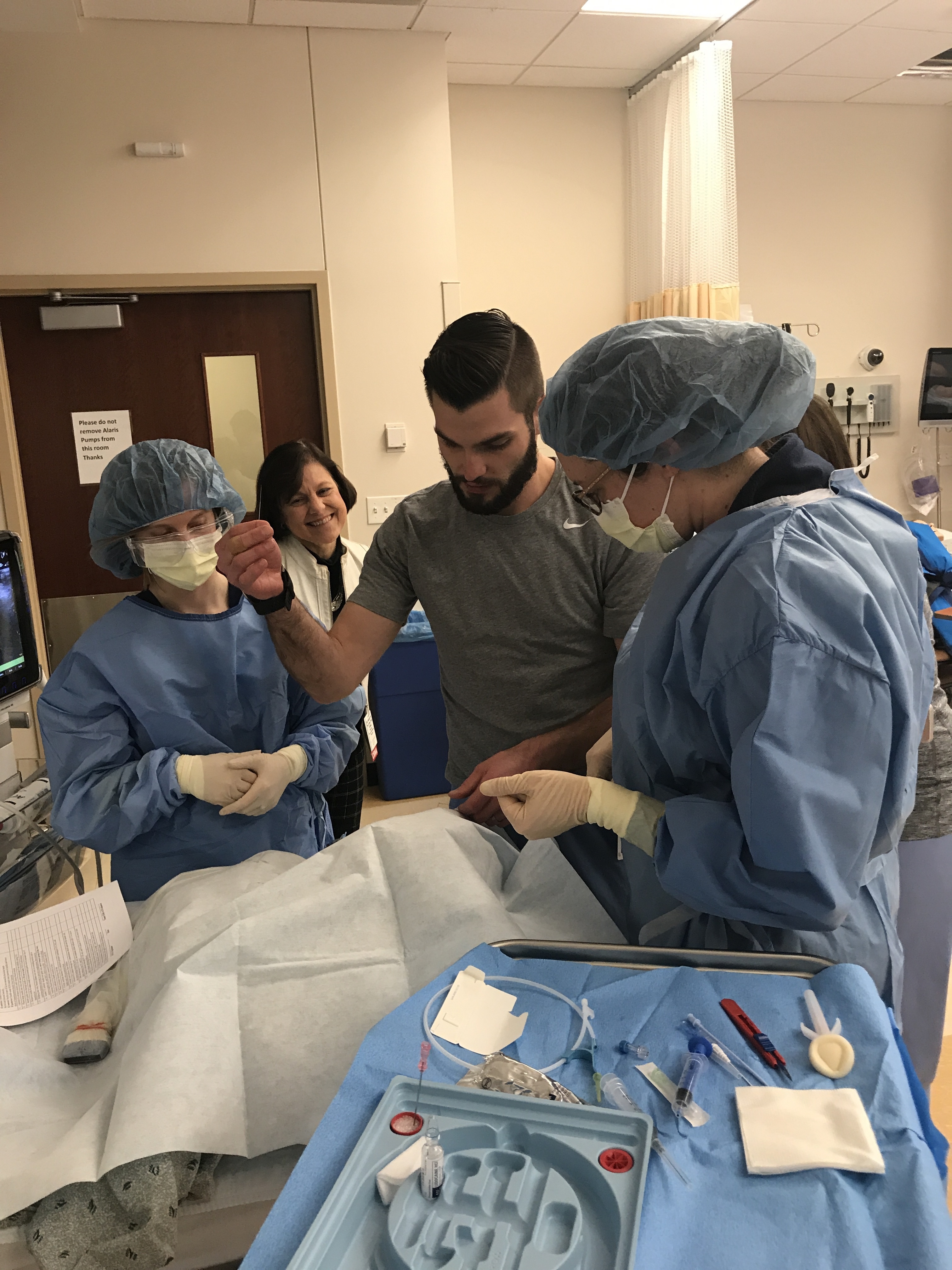
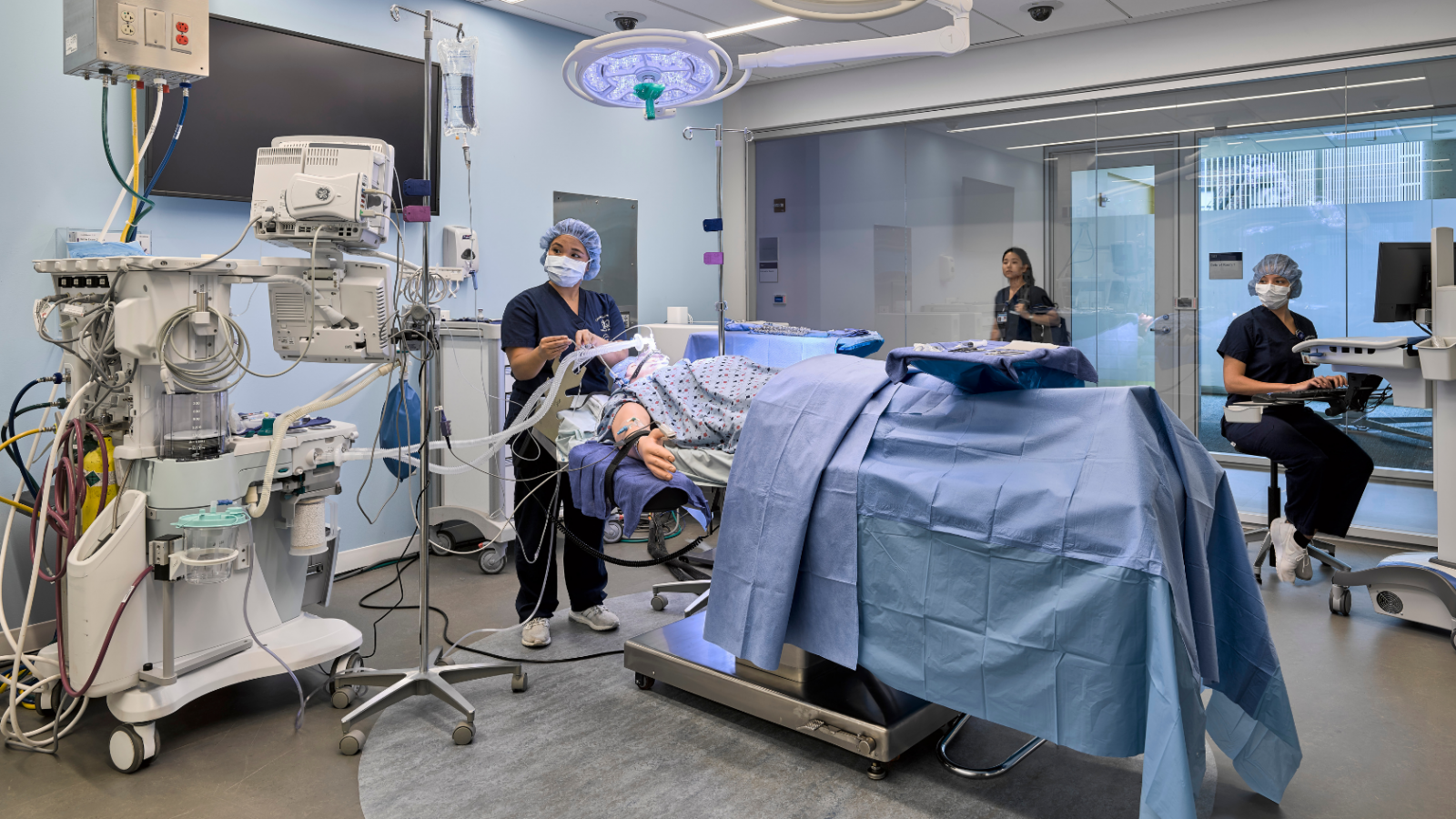
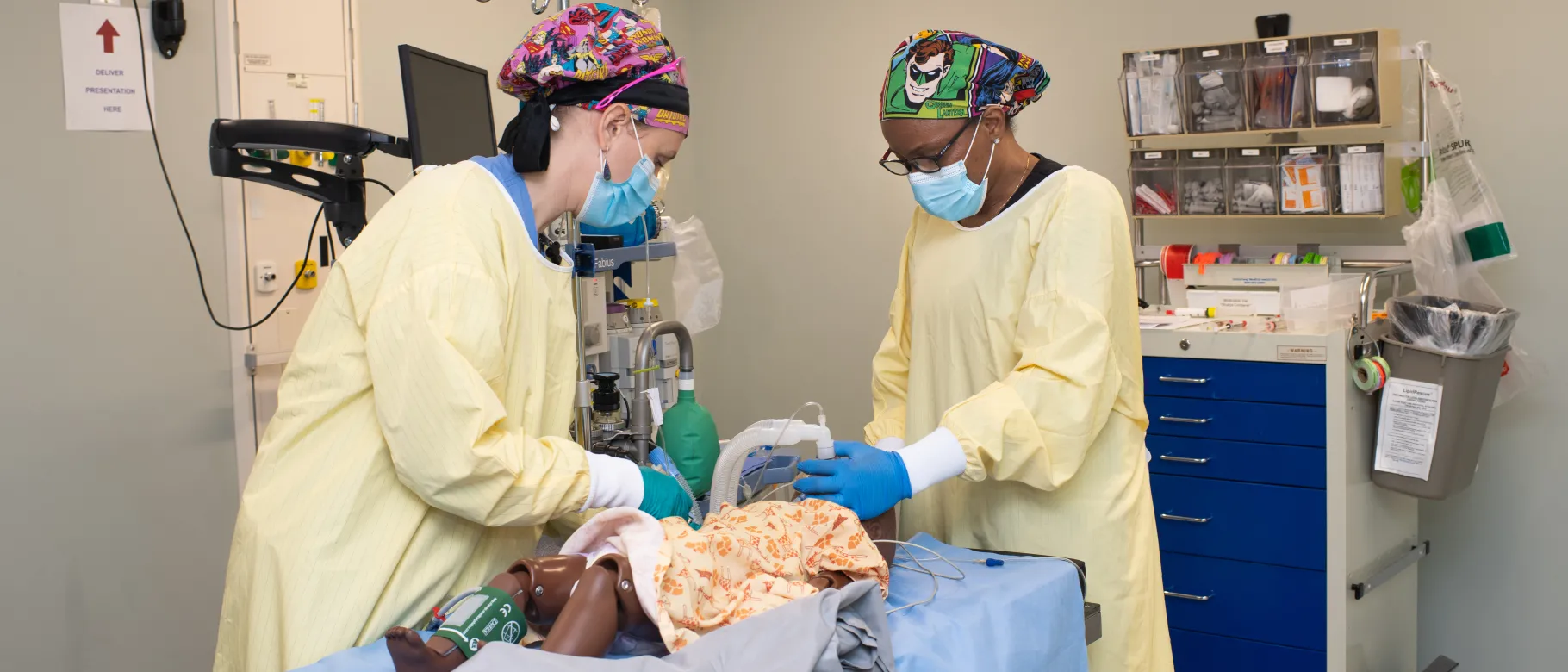
- Simulation Labs: Even the best online didactic program must have high-fidelity simulation labs. Check how often the program requires you to travel to campus for "SIM" days, where you practice managing anesthesia crises in a controlled environment.
Financial Considerations and the "No-Work" Rule
The cost of a DNP or DNAP in nurse anesthesia is substantial. In 2026, tuition for these three-year programs can range from $60,000 to over $200,000. When choosing a program, look beyond the "sticker price" of tuition.
| Factor | Description | Estimated Impact |
|---|---|---|
| Tuition & Fees | The base cost of the 36-month doctoral program. | High |
| Travel & Housing | Costs for "on-campus intensives" and relocation for clinicals. | Moderate to High |
| Opportunity Cost | Nearly all programs prohibit working as an RN during the program. | Very High |
| Clinical Fees | Some sites charge additional fees for rotations or equipment. | Low |
| Certification Costs | NCE exam fees and self-assessment exams (SEE). | Low |
A critical mistake some applicants make is assuming an online program will allow them to continue working in the ICU. The sheer volume of study required—often 60 to 80 hours per week—makes employment nearly impossible and often grounds for dismissal from the program.
Frequently Asked Questions
Can I complete a CRNA program 100% online?
No. While many programs offer the didactic (classroom) portion online, the COA requires extensive in-person clinical hours and simulation lab training. You will always be required to attend clinical rotations in person.
Do online programs have the same reputation as traditional ones?
Yes, provided they are accredited by the COA. In the anesthesia community, the reputation of a program is built on its board pass rates and the clinical competency of its graduates, not whether the physics and pharmacology lectures were delivered in a classroom or via a web portal.
Is the DNP or DNAP required for all new students in 2026?
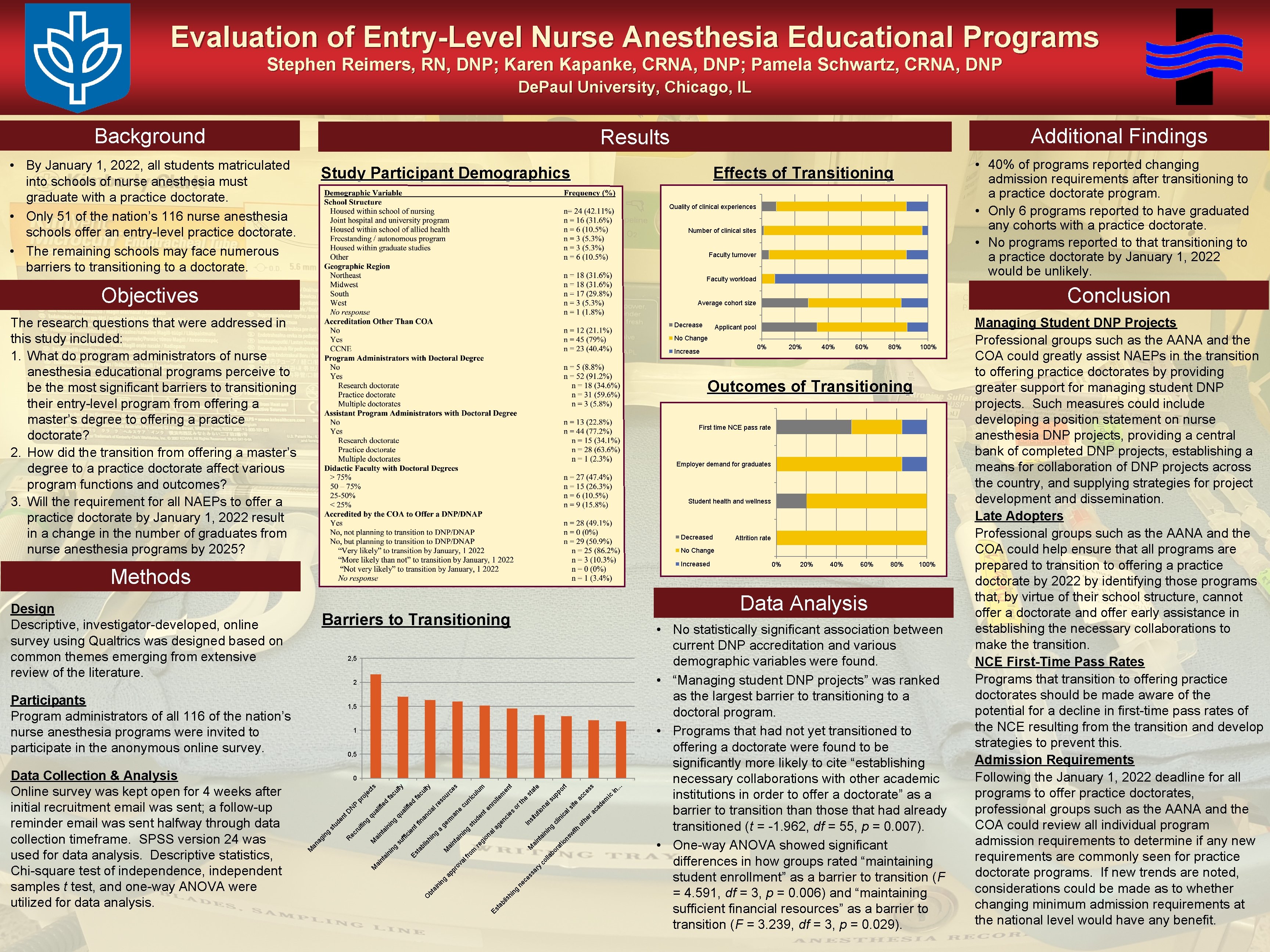
Yes. All students entering a nurse anesthesia program after January 1, 2022, must be enrolled in a doctoral program to graduate by the 2025/2026 deadline. Master's programs for entry into anesthesia practice are no longer an option.
How many clinical hours are required in a hybrid program?
The COA requires a minimum of 2,000 clinical hours and a minimum of 650 cases across various anesthesia types. Most top programs exceed these minimums to ensure their students are well-prepared for independent practice.
Will I need to travel if I choose an online program?
Most likely, yes. You will need to travel to the main campus for simulation check-offs and potentially relocate to various clinical sites across different states or regions, depending on where the university has established its affiliate agreements.
What are the prerequisites for these programs in 2026?
Standard prerequisites include a BSN or higher, a current RN license, at least one year (though two or more is preferred) of full-time experience in a critical care setting (ICU), and certifications like CCRN (Critical Care Registered Nurse).
Final Recommendation for Prospective Students
When choosing an online nurse anesthesia program, do not prioritize convenience over clinical quality. The "best" program is the one that offers a robust, accredited curriculum, a supportive remote learning environment, and a diverse range of clinical sites that will challenge you to become a safe and autonomous provider. Start your search by narrowing down programs with a first-time NCE pass rate above 90%, then evaluate their clinical placement process to ensure you won't be left searching for your own rotations. Success in anesthesia school depends on a foundation of strong critical care experience and a commitment to three years of intensive, full-time study.
Image Gallery