Understanding The Ring Magazine Pound for Pound Rankings: 2026 Edition
The Ring Magazine’s pound-for-pound (P4P) rankings represent the definitive assessment of the world’s best active boxers, evaluated regardless of their weight class. As of 2026, these rankings prioritize technical mastery, quality of o...
The Ring Magazine’s pound-for-pound (P4P) rankings represent the definitive assessment of the world’s best active boxers, evaluated regardless of their weight class. As of 2026, these rankings prioritize technical mastery, quality of opposition, and historical achievement, currently featuring elite champions such as Oleksandr Usyk, Naoya Inoue, and Terence Crawford at the pinnacle of the sport.
Contents
The Concept and Philosophy of Pound-for-Pound
The term "pound-for-pound" is one of the most storied concepts in combat sports, designed to level the playing field in a hypothetical sense. Because a 112-pound Flyweight cannot physically compete against a 200-pound plus Heavyweight, the P4P list asks a fundamental question: If all fighters were the exact same size, who would possess the superior skill set, ring IQ, and athleticism?
Historically, the concept is most often attributed to the era of Sugar Ray Robinson. While Heavyweights like Joe Louis dominated the headlines, aficionados recognized that Robinson, competing at Welterweight and Middleweight, possessed a level of fluid movement, punching power, and defensive wizardry that transcended his physical dimensions. The Ring Magazine, established in 1922 and often referred to as "The Bible of Boxing," formalized these debates into a structured ranking system that remains the industry gold standard.
In 2026, the P4P rankings are more than just a list for fans to debate; they are a vital marketing tool and a badge of honor for the fighters. Being ranked in the "Ring Top 10" significantly increases a fighter's commercial value, influencing purse negotiations and pay-per-view distribution deals.
The Ring Magazine's Ranking Methodology
Unlike sanctioning bodies (WBA, WBC, IBF, and WBO) which rank fighters within specific weight classes to determine mandatory challengers for their own titles, The Ring operates as an independent journalistic entity. Their rankings are determined by the Ring Editorial Board in consultation with a global panel of boxing journalists and historians.
The methodology for the P4P list is grounded in three primary pillars:
1. Results
The most objective criterion is the fighter's actual win-loss record, with a heavy emphasis on recent performance. A victory over a fellow Top 10 P4P entrant or a reigning world champion carries significantly more weight than a win over a journeyman. In the current 2026 landscape, the "undisputed" status—holding all four major belts in a single division—is often the minimum requirement for entering the top five of the list.
2. Performance
Numbers on a record do not tell the whole story. The "eye test" plays a crucial role in The Ring's assessments. A fighter who dominates an elite opponent for 12 rounds without taking damage will be ranked higher than a fighter who wins a controversial split decision against the same opponent. The panel looks for technical proficiency, versatility, and the ability to adapt to different styles.
3. Track Record
Longevity and the "strength of schedule" are vital. A fighter who has defended their title multiple times against top-tier contenders or has successfully moved up through multiple weight classes to win championships will always have the edge. This is why multi-division champions like Naoya Inoue and Terence Crawford have maintained such a long-standing grip on the top spots.
The Current Landscape: Top 10 Analysis
As we navigate the boxing calendar of 2026, the P4P list is characterized by a mix of legendary veterans cementing their legacies and "new guard" talents who have unified divisions with unprecedented speed.
The Elite Trio: Usyk, Inoue, and Crawford
For several years, the top three positions have been a rotating door between Oleksandr Usyk, Naoya Inoue, and Terence Crawford.
- Oleksandr Usyk: Having moved from undisputed Cruiserweight champion to undisputed Heavyweight champion, Usyk defies the traditional P4P logic by being a naturally smaller man who consistently outboxes giants. His 2024 and 2025 campaigns solidified his place as a tactical genius whose stamina and footwork are unparalleled in the history of the heavyweights.
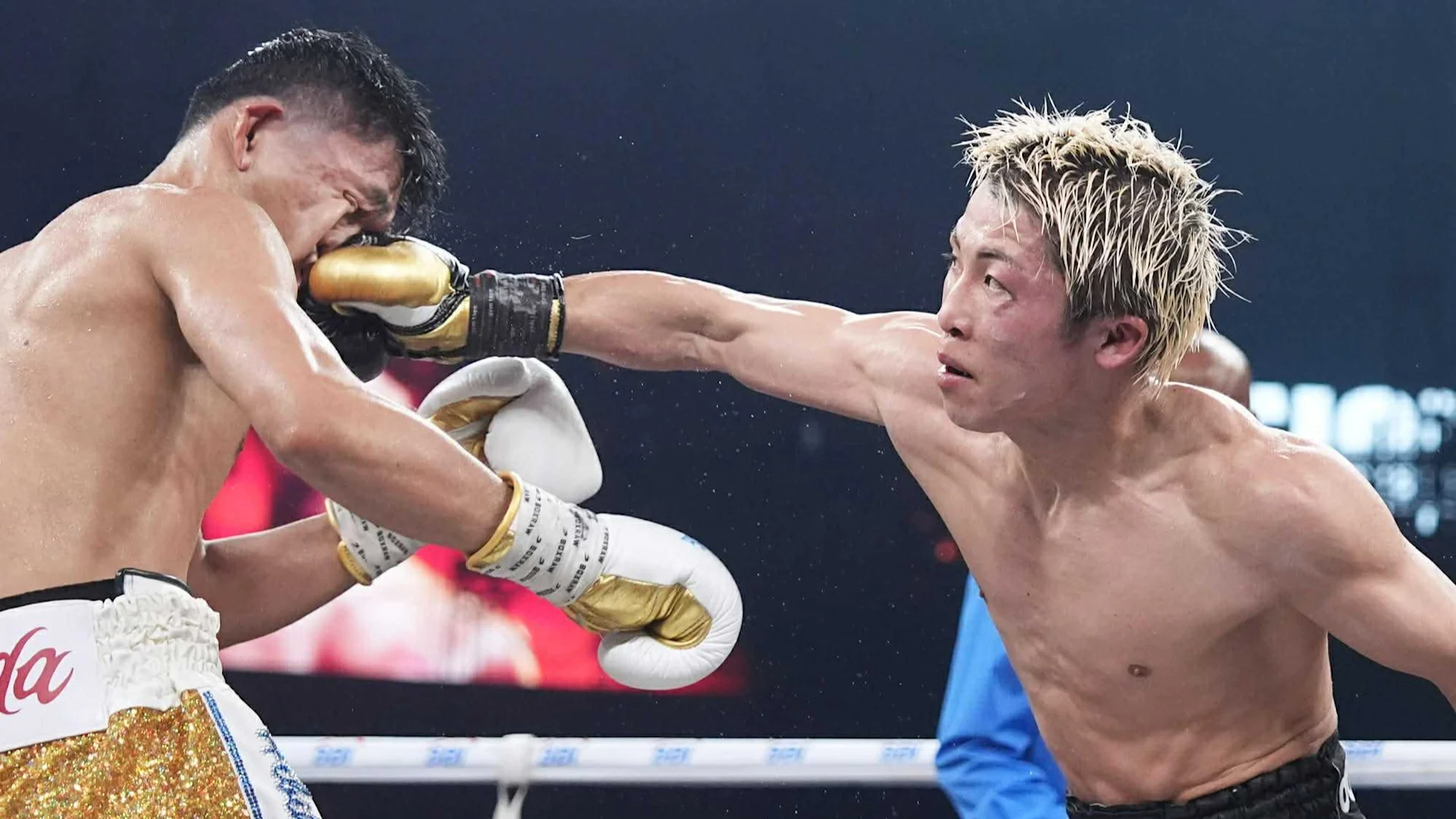
- Naoya "The Monster" Inoue: The Japanese phenom has dominated every weight class he has entered, from Light Flyweight to Super Bantamweight. His ability to carry devastating one-punch power into higher divisions while maintaining lightning speed makes him the quintessential P4P fighter.
- Terence Crawford: Known for his switch-hitting ability and clinical finishing, Crawford’s mastery across three and four weight classes remains the benchmark for modern boxing versatility.
The Rising Contenders
Behind the established legends, fighters like Jesse "Bam" Rodriguez and Jaron "Boots" Ennis have surged up the rankings. Rodriguez, in particular, has gained acclaim for his "giant-killing" runs in the lower weight classes, defeating established legends with a high-volume, high-pressure style that is both aesthetically pleasing and technically sound.
The Official Ring P4P Standings (2026 Representative Data)
The following table reflects the standing of the world’s elite based on the most recent evaluative period. Note that records and rankings fluctuate based on active fight results and editorial board votes.
| Rank | Fighter | Record | Weight Class | Key Achievement |
|---|---|---|---|---|
| 1 | Oleksandr Usyk | 23-0 (14 KOs) | Heavyweight | Two-division Undisputed Champion |
| 2 | Naoya Inoue | 28-0 (25 KOs) | Super Bantamweight | Four-division World Champion |
| 3 | Terence Crawford | 41-0 (31 KOs) | Junior Middleweight | Two-division Undisputed Champion |
| 4 | Jesse Rodriguez | 21-0 (14 KOs) | Junior Bantamweight | Multi-weight divisional dominance |
| 5 | Dmitry Bivol | 24-0 (12 KOs) | Light Heavyweight | Technical mastery; wins over P4P elites |
| 6 | Canelo Alvarez | 62-2-2 (39 KOs) | Super Middleweight | Four-division Champion; Career Longevity |
| 7 | Artur Beterbiev | 21-0 (20 KOs) | Light Heavyweight | 100% KO ratio in world title fights |
| 8 | Gervonta Davis | 31-0 (29 KOs) | Lightweight | Explosive power and defensive growth |
| 9 | Jaron Ennis | 33-0 (29 KOs) | Welterweight | Exceptional switch-hitting and ring IQ |
| 10 | Junto Nakatani | 29-0 (21 KOs) | Bantamweight | Three-division Champion; rising star |
Why The Ring Ranking Differs from Other Lists
While organizations like ESPN, DAZN, and the Transnational Boxing Rankings Board (TBRB) also maintain P4P lists, The Ring remains the most cited. This is primarily due to the "Ring Belt" policy. The Ring only recognizes one true champion per division—the man who has beaten the previous champion or won a box-off between the top two contenders.
This rejection of the "alphabet soup" (the multiple belts offered by the WBC, WBA, IBF, and WBO) gives The Ring a level of prestige and clarity that sanctioning bodies lack. When The Ring ranks a fighter as P4P Number 1, it is an acknowledgment that they are the "lineal" best, free from the political maneuvering of the major sanctioning organizations.
Common Controversies in P4P Rankings
No ranking system is without its critics. In the boxing community, several recurring debates influence how fans perceive the P4P list:
- Inactivity: If a top-ranked fighter does not compete for 12 to 18 months, should they be removed? The Ring generally has a policy of removal after one year of inactivity, but exceptions are made for injury or extreme circumstances.
- The "Eye Test" vs. Résumé: Some fans argue that a young, undefeated prospect looks "better" than a veteran, even if the veteran has beaten more world champions. The Editorial Board must balance the potential of a "Boots" Ennis with the proven track record of a Canelo Alvarez.
- Weight Bullying: There are often arguments that fighters who boil down to lower weights just to have a size advantage should be penalized in P4P rankings, as the spirit of the list is about skill regardless of size.
Frequently Asked Questions
How often are the rankings updated?
The Ring P4P rankings are updated almost immediately following a major fight involving a ranked contender. Typically, the Ratings Panel meets digitally on a weekly basis to discuss the previous weekend's results and decide if any movement is warranted.
Does The Ring have a separate women’s P4P list?
Yes. Since the late 2010s, The Ring has maintained a dedicated Women’s Pound-for-Pound list. This list is currently topped by elite champions like Claressa Shields and Katie Taylor, following the same rigorous methodology used for the men’s rankings.
Can a fighter be ranked if they don't hold a world title belt?
While rare, it is possible. If a fighter is widely considered the best in their division but has been denied a title shot due to boxing politics or promotional disputes, the panel may still include them based on their dominant performances against high-level opposition.
What happens when a fighter moves up in weight?
Moving up in weight and winning a title is one of the fastest ways to climb the P4P rankings. It proves that the fighter's skills are not dependent on a physical advantage over smaller opponents. Conversely, moving down in weight is often viewed with skepticism unless the fighter remains dominant.
Who is the highest-ranked fighter of all time?
While subjective, many historians point to Sugar Ray Robinson as the perennial P4P King. In the modern era (the last 30 years), Floyd Mayweather Jr., Manny Pacquiao, and Bernard Hopkins are the names most frequently cited as having the longest and most significant reigns at the top of the list.
Final Recommendation for Following Rankings
To stay truly informed on the pound-for-pound landscape, it is recommended to follow The Ring Magazine’s official website or their digital edition. While social media "influencer" rankings provide entertainment, the Ring Ratings Panel provides the historical context and journalistic integrity necessary to understand a fighter’s true place in boxing history. For the most accurate and up-to-date information, check the rankings specifically after "mega-fight" weekends, as these are the moments when the hierarchy of the sport is most likely to shift.
Image Gallery