Meeting Minutes and Digital Platform Motions: Operational Record-Keeping in Modern Governance
Accurate meeting minutes and formal digital platform motions serve as the legal and operational backbone of modern organizations, ensuring transparent decision-making, regulatory compliance, and unambiguous historical records. When boa...
Accurate meeting minutes and formal digital platform motions serve as the legal and operational backbone of modern organizations, ensuring transparent decision-making, regulatory compliance, and unambiguous historical records. When boards, committees, and member-based associations transition their deliberations to collaborative software, maintaining the integrity of digital votes and motion histories requires rigorous procedural frameworks.
Contents
The Intersection of Governance and Digital Platforms
Modern organizational governance relies heavily on collaborative software, specialized board portals, and cloud-based communication tools. As distributed teams and remote boards conduct their affairs across digital channels, the boundary between casual discussion and formal corporate action can easily blur. Understanding how to capture meeting minutes and digital platform motions properly is essential for protecting an entity from legal liabilities, governance disputes, and compliance failures.
In traditional settings, a motion is verbalized, seconded, debated, and voted upon in real time within a physical room, with a secretary recording the outcome by hand or via audio transcription. In a digital environment, motions may be submitted asynchronously over several days, amended through comment threads, and voted on via digital polling features. Without strict adherence to organizational bylaws and statutory requirements, these digital workflows can introduce vulnerabilities that invalidate corporate actions or obscure accountability.
Defining Digital Platform Motions
A digital platform motion is a formal proposal submitted, debated, or voted upon using software tools such as specialized board portals (e.g., Diligent, Boardable), collaborative workspace applications (e.g., Microsoft Teams, Slack), or dedicated voting software. Unlike impromptu chat messages, a valid motion must retain its formal structure:
- The Proposer: The specific individual who introduces the motion.
- The Second: The member who formally supports bringing the motion to the floor (where required by parliamentary procedure).
- The Exact Text: Unambiguous wording that dictates the exact action, expenditure, or policy change.
- The Voting Record: An auditable log of who voted aye, nay, or abstained, tied to verifiable user credentials.
The Role of Meeting Minutes in Digital Workflows
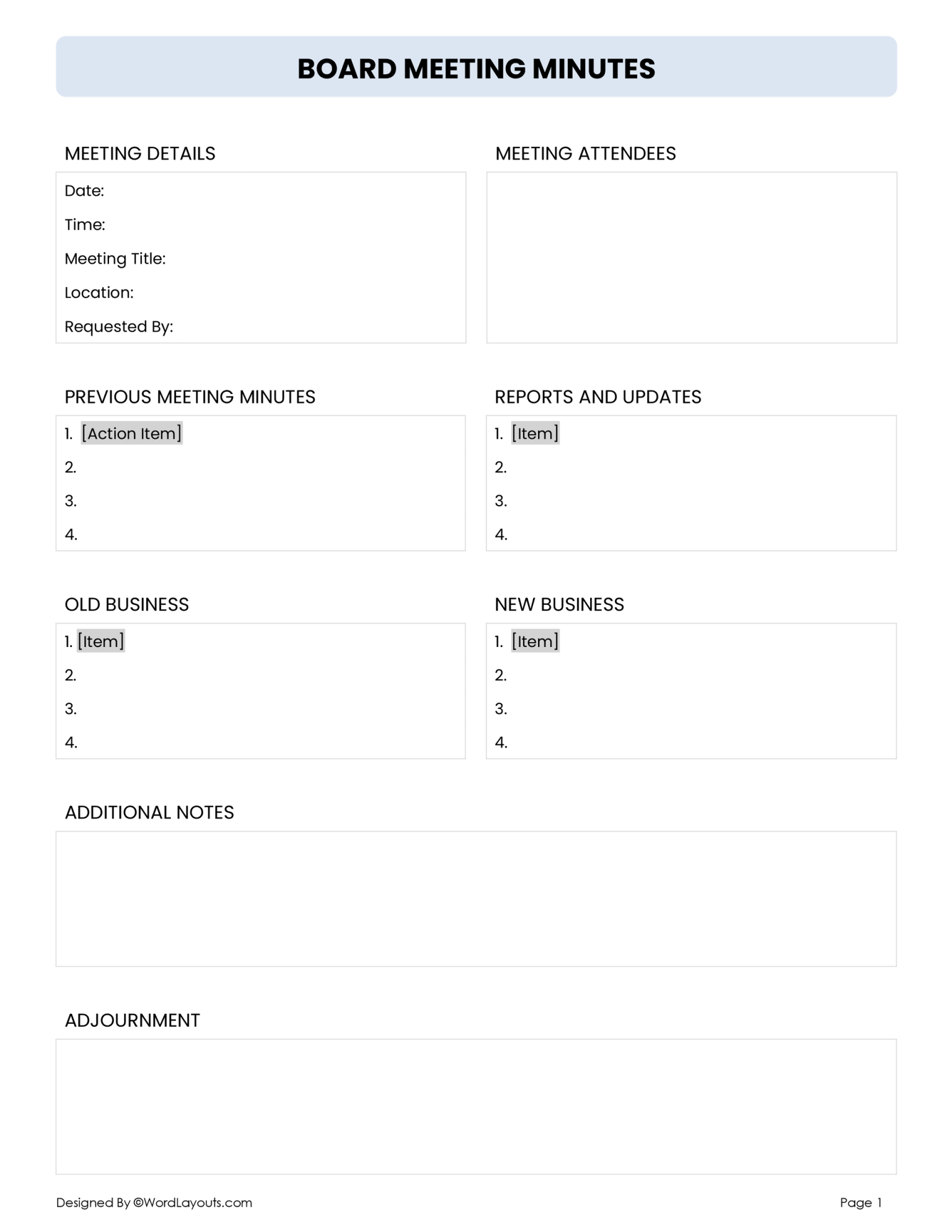
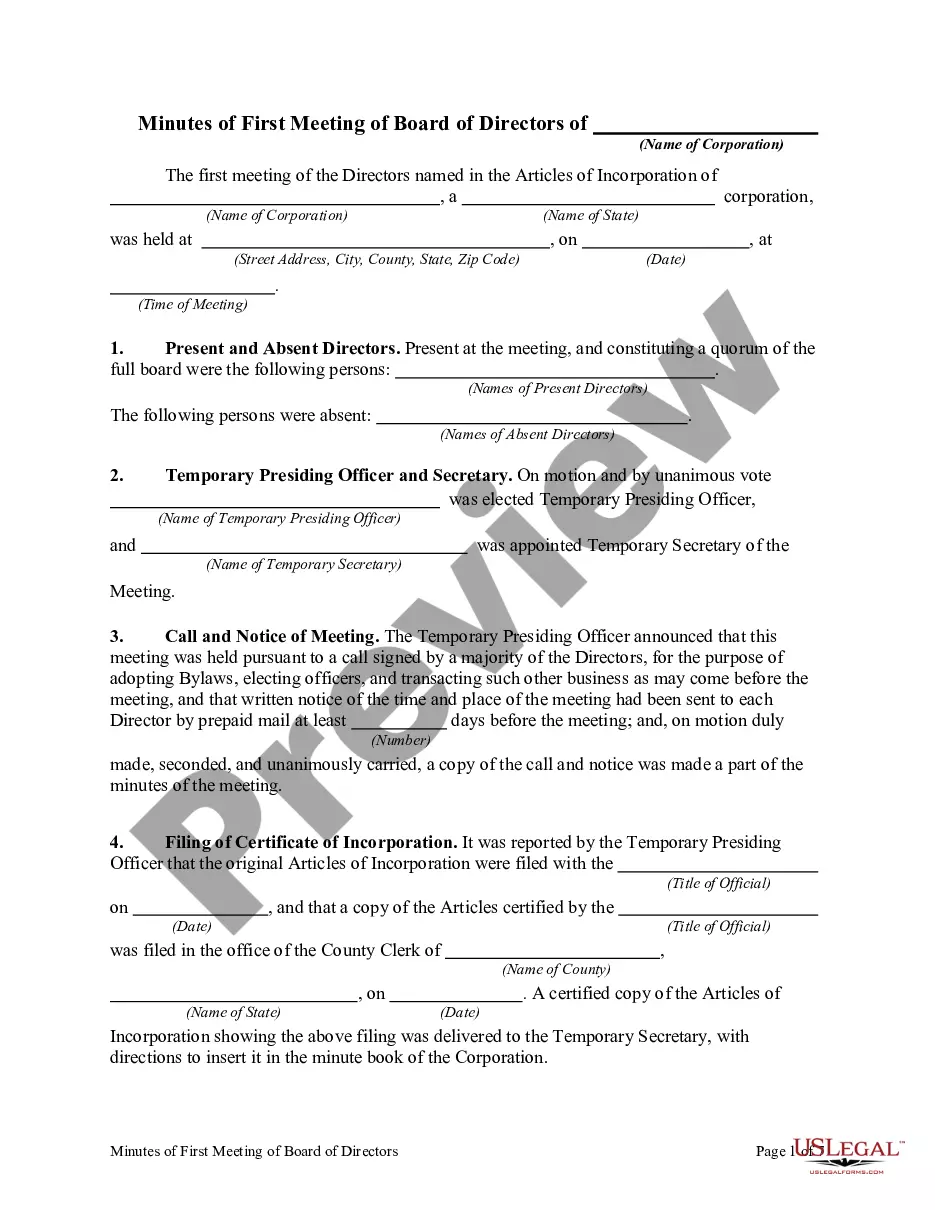
Meeting minutes are the official legal record of an organization's proceedings. When meetings occur over digital platforms or involve asynchronous digital motions, the minutes must bridge the gap between electronic logs and permanent records. Minutes do not need to be a verbatim transcript; rather, they must capture the essence of the deliberations, the exact text of every motion introduced, whether it passed or failed, and any declared conflicts of interest.
Failing to properly document digital platform motions in the official minutes can lead to severe consequences. Regulatory bodies, auditing firms, and courts routinely examine corporate minutes to verify whether fiduciary duties were met. If a major financial decision or structural change is approved via an unverified chat thread without corresponding formal minutes, the organization may face challenges regarding the validity of that action.
Legal and Regulatory Frameworks Governing Digital Governance
Operating an organization through digital platforms does not exempt it from established corporate law, nonprofit regulations, or organizational bylaws. Most corporate statutes—such as state nonprofit and for-profit corporation acts—dictate how meetings must be called, what constitutes a quorum, and whether electronic voting is legally permissible.
State Statutes and Corporate Charters
Before implementing digital platform motions, administrators must consult their governing jurisdiction's laws and their own foundational documents (articles of incorporation, bylaws, and board resolutions). Many jurisdictions have updated their corporate codes to explicitly permit electronic meetings and unanimous written consents, provided certain security and authentication standards are met.
- Electronic Transactions Acts: Many regions have adopted frameworks similar to the Uniform Electronic Transactions Act (UETA) or Electronic Signatures in Global and National Commerce Act (E-SIGN), which grant electronic records and signatures the same legal standing as paper documents.
- Bylaw Provisions: If an organization's bylaws explicitly require "in-person roll-call votes" or state that meetings must occur in a physical assembly, digital platform motions may violate internal rules unless the bylaws are formally amended first.
Authentication and Non-Repudiation
A critical legal requirement for digital governance is ensuring non-repudiation—the assurance that someone cannot successfully deny the authenticity of their signature or vote. Digital platforms utilized for official motions must incorporate robust authentication protocols:
- Multi-factor authentication (MFA) to verify user identities.
- Cryptographic logs that record the timestamp, IP address, and account identifier for every vote cast.
- Immutable audit trails that prevent administrators or users from altering historical voting data after a session is closed.
Best Practices for Recording Digital Platform Motions
Translating parliamentary procedure into digital workflows requires deliberate structural choices. Secretaries and governance professionals must establish standardized protocols for drafting, seconding, and recording motions within software environments.
Standard Operating Procedures for Electronic Motions
To maintain clarity and legal compliance, organizations should enforce a rigid template for any motion introduced on a digital platform.
[MOTION ID] - [DATE] - [PROPOSER LAST NAME] Text: "Move to approve the allocation of $15,000 for Q3 software infrastructure upgrades." Status: Carried (Yes: 8, No: 1, Abstain: 0)
- Pre-Meeting Submission: Motions submitted prior to a meeting should be uploaded to the central document repository or board portal rather than buried in an email chain or chat app.
- Clear Amendments: If a motion is modified during digital discussion, the platform must track version history so that voters know whether they are voting on the original text or an amended version.
- Recording Abstentions: Digital voting tools often default to binary (Yes/No) choices. Secretaries must ensure that members have a clear mechanism to formally abstain or record a conflict of interest.
Managing Asynchronous Voting
Many digital platforms allow for asynchronous voting—where board members cast votes over a multi-day window rather than during a live session. While efficient, this practice requires strict procedural safeguards:
- Quorum Verification: The platform must verify that a quorum of eligible voters has participated in the asynchronous vote for it to be legally binding.
- Closure Deadlines: A precise date and time must be established for the closure of the voting window, after which no further votes or changes are accepted.
- Ratification: Best governance practice dictates that any asynchronous motions passed between meetings should be formally ratified and entered into the minutes at the next official meeting.
Comparing Governance Tools for Minutes and Voting
Selecting the right digital platform directly impacts the ease of recording minutes and managing motions. Organizations typically choose between specialized board portals, general collaboration suites, or dedicated voting applications.
| Platform Type | Primary Strengths | Compliance & Security Risks | Best Suited For |
|---|---|---|---|
| Specialized Board Portals (e.g., Diligent, Boardable) | Immutable audit trails, integrated minute-building tools, encrypted document storage. | Higher subscription cost; requires user adoption training. | Formal corporate boards, regulated financial institutions, large nonprofits. |
| General Collaboration Tools (e.g., Microsoft Teams, Slack) | High familiarity, real-time communication, integrated file sharing. | Chat history can become cluttered; default settings may lack immutable voting logs. | Informal committees, internal staff teams, preliminary working groups. |
| Dedicated Voting Software (e.g., ElectionBuddy, PollUnit) | Highly secure ballot customization, automated tallying, anonymous voting options. | Lacks qualitative context; does not capture meeting discussion or nuanced debate. | Large membership assemblies, annual general meetings, elections. |
Common Pitfalls and Troubleshooting Strategies
Even with advanced technology, digital governance is prone to specific operational failures. Recognizing these challenges helps administrative teams safeguard their records.
Fragmented Communication Channels
One of the most frequent mistakes is conducting official business across unmanaged channels—such as personal text messages, direct messaging apps, or personal email threads. When board members debate and vote across disparate channels, compiling an accurate set of meeting minutes becomes nearly impossible, and discoverability in the event of a legal audit is severely compromised.
- Solution: Establish a mandatory policy that all official motions and votes must occur exclusively within the approved board portal or during formally recorded video conferences.
Incomplete or Vague Minute-Taking
A common error in digital minute-taking is copying and pasting raw chat transcripts directly into the official record. Chat logs often contain irrelevant banter, fragmented thoughts, and unclear references. Conversely, summarizing a complex digital debate too broadly can obscure the rationale behind a decision.
- Solution: The secretary should extract only the actionable outcomes—motions, seconds, amendments, vote tallies, and assigned action items—while maintaining a secure reference link to the underlying digital discussion thread if further context is required.
Frequently Asked Questions
Are digital platform motions legally binding for registered corporations?
Yes, provided they comply with state corporate statutes, the organization's governing bylaws, and establish verifiable authentication (such as secure user logins and immutable audit logs) that prove the identity of the voters and the exact wording approved.
How should a secretary handle emergency motions passed via email?
Emergency votes conducted via email or messaging platforms should be documented with a formal confirmation document. The secretary must capture the exact time the email was sent, the responses received, and formally present the record at the subsequent regular meeting for official ratification and inclusion in the minutes.
What is the difference between a chat transcript and official meeting minutes?
A chat transcript is a chronological, verbatim record of everything typed during a communication session, including informal discussion. Official meeting minutes are a legally curated summary focusing strictly on formal actions taken, motions introduced, vote counts, and governance outcomes.
Can board members abstain from digital votes?
Yes. Digital voting platforms must be configured to allow abstentions or recusals, particularly when a board member faces a conflict of interest. Failing to provide an abstention option can compromise the validity of the vote.
How long should digital voting logs and board portal records be retained?
Retention periods vary by jurisdiction and organizational type, but most corporate governance standards require permanent retention of official meeting minutes, foundational bylaws, and high-level financial or structural motion records. Organizations should consult their legal counsel and document retention schedules.
Conclusion and Recommended Next Actions
Mastering the intersection of meeting minutes and digital platform motions requires a balanced approach combining robust software security, strict adherence to parliamentary procedure, and meticulous administrative record-keeping. Organizations must move beyond ad-hoc digital chats and implement structured workflows that withstand legal scrutiny.
To upgrade your organization's digital governance today, take the following steps:
- Audit Current Practices: Review existing bylaws to confirm whether electronic meetings and digital voting are explicitly permitted.
- Standardize Software: Transition official voting and motion tracking into a secure, centralized board portal with immutable audit trails.
- Train Secretaries and Officers: Establish clear templates for recording motions, managing amendments, and logging vote tallies accurately in every set of meeting minutes.
Image Gallery