Securing Life Insurance After a Stroke: A Guide to Coverage Eligibility
Obtaining life insurance after a stroke is possible, though your options often depend on the time elapsed since the event, the severity of the neurological damage, and your ongoing health management. While insurers view a stroke as a s...
Obtaining life insurance after a stroke is possible, though your options often depend on the time elapsed since the event, the severity of the neurological damage, and your ongoing health management. While insurers view a stroke as a significant risk factor, many carriers will consider applications once a specific recovery period has passed and secondary health markers, such as blood pressure and cholesterol, are effectively controlled.
Contents
Understanding Underwriting Perspectives on Stroke
Insurance underwriters function as risk assessors. When you disclose a history of a stroke, they look at the underlying cause to determine the likelihood of a recurrence. A stroke occurs when blood flow to the brain is interrupted or reduced, preventing brain tissue from getting oxygen and nutrients.
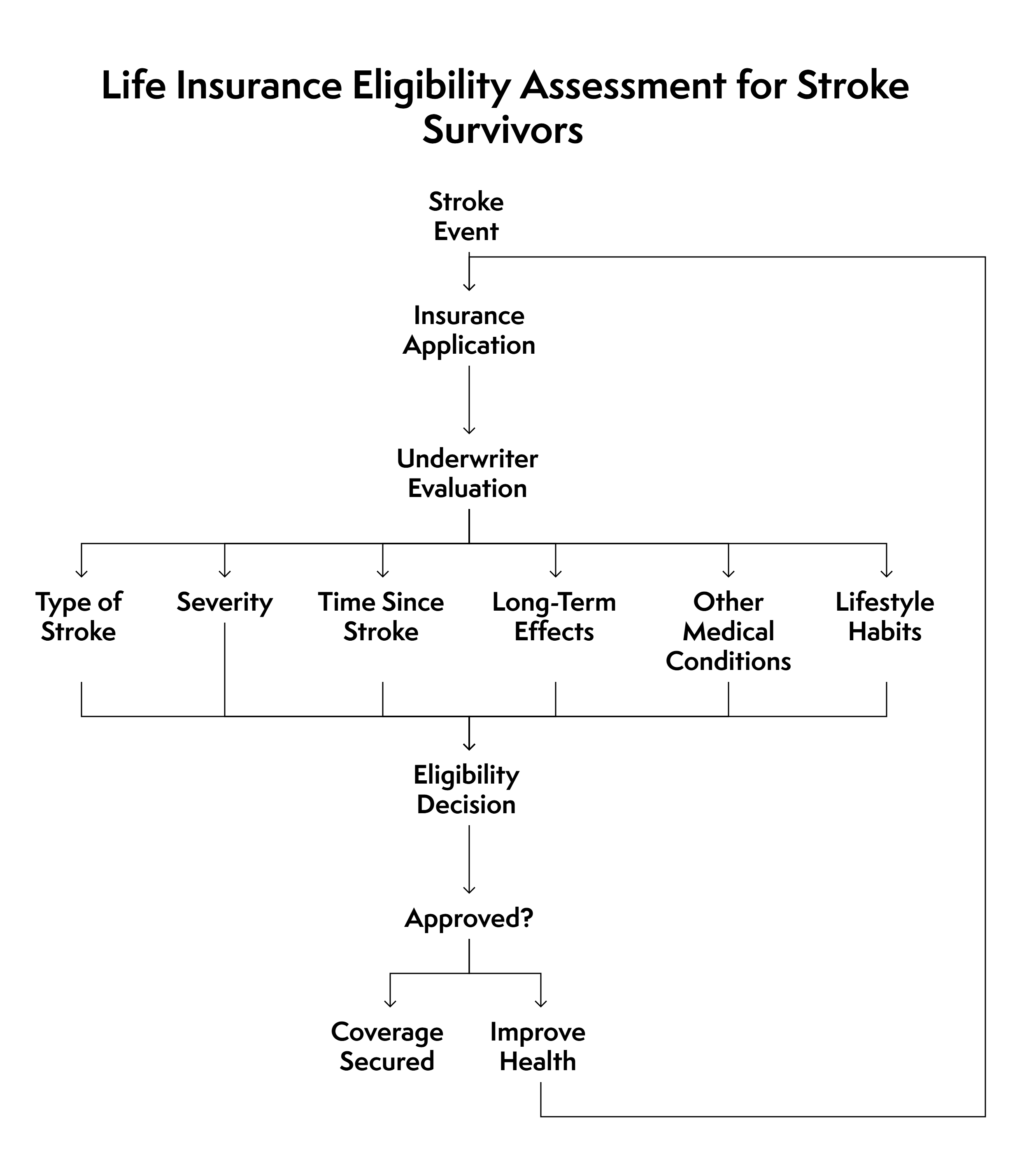
Underwriters categorize strokes into two main types: ischemic (caused by a blocked artery) and hemorrhagic (caused by a leaking or burst blood vessel). An ischemic stroke caused by a transient, fixable issue—such as a resolved carotid artery blockage—is often viewed more favorably than a hemorrhagic stroke, which may indicate systemic vascular fragility. Your application will be evaluated based on the "stability" of your condition. If you have successfully managed the causative factors for several years, you are a much more attractive candidate for standard underwriting than someone who experienced a stroke within the last 12 months.
The Importance of the "Waiting Period"
In the life insurance industry, there is an informal but critical concept known as the "waiting period." Most life insurance companies are reluctant to offer standard term or whole life insurance until at least 12 to 24 months have passed since the stroke.
During this period, the insurer needs to see that you have stabilized. They will request an Attending Physician Statement (APS) to review medical records. This report will look for:
- Residual Impairment: Are there long-term motor, speech, or cognitive deficits?
- Medication Adherence: Are you strictly following a prescribed regimen for blood thinners, blood pressure medication, or statins?
- Lifestyle Adjustments: Have you ceased smoking, improved your diet, or established a regular exercise routine under medical supervision?
If you apply too soon, you will likely face an automatic postponement or a high-rated premium. Waiting until you have a documented record of recovery and stability significantly improves your chances of being approved at a non-table-rated premium.
Comparing Insurance Options for Stroke Survivors
Not all life insurance policies are created equal, and your post-stroke profile may exclude you from certain "instant issue" or "no medical exam" products.
| Policy Type | Medical Requirement | Availability Post-Stroke | Cost Impact |
|---|---|---|---|
| Fully Underwritten Term | Full Exam/Records | Possible (After 1-2 years) | Best if healthy |
| Simplified Issue | Health Questions | Difficult immediately | Higher premiums |
| Guaranteed Issue | None | High | Expensive/Lower coverage |
| Group Coverage | Usually None | Usually Available | Standard group rates |
Fully underwritten policies offer the lowest premiums but require the most scrutiny. If you have significant lingering issues, a guaranteed issue policy may be the only path. These policies do not ask about your medical history but usually have a "graded death benefit," meaning the full payout is not available until you have held the policy for two or three years.
How to Prepare for the Application Process
Before applying, conduct an audit of your health data. Underwriters prioritize objective evidence. You should work with your primary care physician to ensure your medical file is comprehensive and up-to-date.
- Review Your Records: Ask your doctor for your most recent lipid panels, blood pressure logs, and specialist reports regarding the stroke.
- Consult an Independent Broker: Do not apply to a single carrier directly. Use an independent insurance broker who specializes in "impaired risk" underwriting. These experts know which companies are currently most lenient toward stroke survivors based on current 2026 industry guidelines.
- Be Transparent: Never omit a history of stroke on an application. Doing so constitutes material misrepresentation, which allows an insurer to contest a claim and deny a death benefit to your beneficiaries.
- Draft a Cover Letter: In some cases, a brief, factual letter explaining your lifestyle changes, your adherence to medication, and your doctor’s positive prognosis can provide the necessary context to an underwriter reviewing your file.
Addressing Secondary Health Factors
A stroke is rarely an isolated event in the eyes of an underwriter; it is viewed as a marker for metabolic syndrome. Insurers will check if you have other comorbidities, such as Type 2 diabetes, obesity, or atrial fibrillation.
If you have a history of stroke but maintain perfect blood pressure (typically 120/80 or lower) and have achieved a healthy weight, your "rating" will be significantly lower. A "rating" is an additional percentage of premium added to your policy cost because of the increased risk. The goal is to present a "clean" picture where the stroke appears as an isolated incident that has been managed rather than a sign of progressive vascular disease.
Frequently Asked Questions
Will I be automatically denied life insurance after a stroke? No. Most carriers will not automatically deny you, but they may postpone your application if the stroke occurred recently. Once you have demonstrated stability for at least one to two years, your eligibility for standard or sub-standard coverage increases significantly.
Does it matter what type of stroke I had? Yes. Ischemic strokes, especially those triggered by a specific, resolved incident, are generally viewed more favorably than hemorrhagic strokes. Hemorrhagic strokes often imply an underlying issue with vessel integrity, which carries a higher long-term risk profile for underwriters.
Should I use a "no medical exam" policy? "No exam" policies often ask health questions. If they ask about stroke history, you must answer truthfully. If you are denied due to your history, it may become part of the MIB (Medical Information Bureau) database, which other insurers can see. It is usually better to apply for fully underwritten insurance through an impaired-risk specialist.
Can I get a better rate over time? Yes. Life insurance is not static. If you have a policy that was issued with a high "rating" due to your stroke, you can often request a "reconsideration" after several years of excellent health and clean medical exams, potentially lowering your future premiums.
What if I have permanent disabilities from my stroke? If you have persistent physical or cognitive challenges, you may not qualify for traditional term life insurance. In this case, you should explore "Guaranteed Issue" whole life insurance. While the coverage amounts are lower and the premiums higher, they provide a necessary financial vehicle for final expenses.
Professional Advice Limitation
This information is for educational purposes and does not constitute medical or financial advice. Insurance underwriting guidelines change frequently and vary by carrier. You should consult with a licensed life insurance professional and discuss your health history with your physician before making financial commitments.
Next Steps
If you are ready to pursue coverage, start by requesting a copy of your medical records from the specialist who treated your stroke. Once you have these documents, contact an independent broker who has experience in "high-risk" or "impaired-risk" life insurance underwriting. They can perform an informal "pre-screen" with multiple carriers to find the best possible rate before you submit a formal application.
Image Gallery