Transformers One Gross Earnings in Detail: Complete Box Office Breakdown and Financial Analysis
Paramount Pictures and Hasbro's animated prequel Transformers One earned $128.9 million worldwide during its theatrical run, consisting of $59.0 million in domestic gross (United States and Canada) and $69.9 million across internationa...
Paramount Pictures and Hasbro's animated prequel Transformers One earned $128.9 million worldwide during its theatrical run, consisting of $59.0 million in domestic gross (United States and Canada) and $69.9 million across international territories. Against a reported production budget of $75 million, the film faced a challenging theatrical environment, relying heavily on post-theatrical windows and merchandising to achieve overall profitability.
Contents
Global Box Office Performance Overview
Transformers One arrived in theaters in September 2024 as the first fully computer-animated theatrical film in the Transformers franchise since 1986's The Transformers: The Movie. Produced by Paramount Animation, Hasbro Entertainment, New Republic Pictures, and Di Bonaventura Pictures, the origin story aimed to revitalize the brand with a lower production cost relative to its live-action predecessors.
While the film achieved widespread critical acclaim, its total box office performance fell short of industry expectations for a major studio IP release. Understanding the full financial picture requires examining how theatrical revenues are split between studios and exhibitors, alongside production and marketing overhead costs.
Worldwide Gross Breakdown:
- Domestic Gross (US & Canada): $59,044,000 (45.8%)
- International Gross: $69,850,000 (54.2%)
- Total Box Office Revenue: $128,894,000
Theatrical Revenue Shares and Rental Yields
Box office gross earnings do not translate directly to studio revenue. Movie theaters (exhibitors) retain a significant percentage of ticket sales:
- Domestic Receipts: Studios typically retain approximately 50% of domestic box office gross. For Transformers One, a $59 million domestic total yielded roughly $29.5 million back to Paramount and co-financiers.
- International Receipts (Excluding China): Studios generally return about 40% of gross earnings from standard international territories. From the estimated $53 million earned in non-China overseas markets, studio rental income totaled approximately $21.2 million.
- Chinese Market Receipts: In China, foreign studios receive a reduced share of roughly 25% of box office earnings unless operating under specialized distribution buyouts. With Transformers One generating approximately $16.8 million in China, the studio net share reached around $4.2 million.
Combining these distribution channels, Paramount and its financial partners generated an estimated $54.9 million in direct theatrical rentals from the $128.9 million global gross.
Financial Metrics and Budget Analysis
Evaluating Transformers One requires placing its box office gross alongside production, prints and advertising (P&A), and licensing expenses. Animated features frequently require extensive global promotional campaigns, which add substantial costs beyond the core animation budget.
| Financial Metric | Reported Value / Estimated Figure |
|---|---|
| Production Budget | $75,000,000 |
| Estimated Marketing & P&A Budget | $40,000,000 – $50,000,000 |
| Domestic Opening Weekend | $24,614,000 |
| Domestic Total Gross | $59,044,000 |
| International Total Gross | $69,850,000 |
| Worldwide Total Gross | $128,894,000 |
| Estimated Studio Rental Share | ~$54,900,000 |
| Breakeven Threshold (Theatrical) | ~$180,000,000 – $190,000,000 |
The Breakeven Threshold Explained
A standard industry benchmark dictates that a major theatrical release requires a worldwide gross of roughly 2.5 times its production budget to achieve profitability purely through theatrical tickets. This ratio accounts for theater concessions splits, international taxes, distribution fees, and global marketing.
For Transformers One, a $75 million production cost established a theatrical breakeven target of approximately $187.5 million. Falling roughly $58.6 million short of this baseline meant the film's initial theatrical run operated at an immediate deficit, placing the burden of profitability on secondary ancillary markets.
Domestic vs. International Box Office Progression
Domestic Run and Tracking Trajectory
Transformers One opened domestically on September 20, 2024. Early pre-release tracking projected an opening weekend between $30 million and $40 million, buoyed by positive reactions from early fan screenings and press previews.
However, the film debuted to $24.6 million, finishing second at the weekend box office behind Warner Bros.' Beetlejuice Beetlejuice, which earned $26 million in its third weekend of release.
Domestic Weekly Drop Off (First 4 Weeks):
- Week 1 (Opening): $24.6M
- Week 2: $8.9M (-63.8%)
- Week 3: $5.3M (-40.4%)
- Week 4: $3.7M (-30.1%)
Key factors impacted the domestic trajectory:
- Severe Second-Week Drop: In its second weekend, the film experienced a steep 63.8% drop, grossing $8.9 million. The arrival of DreamWorks Animation's The Wild Robot on September 27 created direct, high-performing competition for family demographics.
- Long-Tail Stabilization: Despite the initial drop, word-of-mouth helped smooth subsequent weekend declines. The film retained steady screen counts through October, eventually wrapping its domestic run just under $60 million.
Key International Territories
Overseas performance generated $69.85 million, representing 54.2% of the total box office. International rollouts occurred in staggered windows across late September and October 2024 to align with local school holiday schedules.
- China: Leading all international markets, China contributed approximately $16.8 million. While lower than historical live-action Transformers grosses in the region (which routinely crossed $100M-$300M in previous decades), it represented a solid baseline for a non-traditional animated entry.
- Mexico & Latin America: Mexico delivered an estimated $5.2 million, supported by strong regional brand awareness for Cybertron lore and character toys.
- United Kingdom & Europe: European theatrical markets yielded modest returns, with the UK contributing roughly $4.8 million amidst heavy autumn counter-programming.
- Australasia: Australia and New Zealand combined for approximately $3.5 million over their respective holiday execution windows.
Key Drivers Behind the Commercial Outcome
The divergence between the critical acclaim of Transformers One and its modest theatrical earnings highlights several key industry dynamics.
1. Target Audience Disconnect and Marketing Tone
Initial promotional campaigns focused heavily on humor and youth-oriented banter between young Orion Pax (Chris Hemsworth) and D-16 (Brian Tyree Henry). This marketing strategy led older fans—a core audience for live-action entries—to perceive the project as exclusively tailored for young children.
Conversely, parents of very young children were initially hesitant due to the PG rating and mature sci-fi action themes. By the time reviews clarified that the narrative offered a rich, dramatic origin story suitable for all ages, the initial theatrical momentum had passed.
2. Direct Competition in the Animation Sector
The release of Transformers One coincided with a crowded fall animation window. Universal and DreamWorks launched The Wild Robot just one week later. The Wild Robot secured top critical reviews, strong emotional word-of-mouth, and sustained family audience attendance, effectively cannibalizing Transformers One's target market.
3. Shift in Consumer Viewing Habits
Post-pandemic shifts in theatrical consumption have particularly affected non-event animated movies. Audiences have become accustomed to shortened theatrical windows, often opting to wait for digital rental or streaming platforms like Paramount+ when choosing family viewing options.
Franchise Earnings Comparison
Comparing Transformers One to previous entries in the Transformers cinematic universe illustrates the changing financial profile of the franchise over time.
Worldwide Box Office Comparison Across Franchise Entries:
- Transformers: Dark of the Moon (2011): $1,123.8M
- Transformers: Age of Extinction (2014): $1,104.0M
- Transformers: Revenge of the Fallen (2009): $836.3M
- Transformers (2007): $709.7M
- Transformers: The Last Knight (2017): $605.4M
- Bumblebee (2018): $468.0M
- Transformers: Rise of the Beasts (2023): $439.0M
- Transformers One (2024): $128.9M
Contextualizing the Financial Shift
- Production Cost Efficiency: While Transformers One recorded the lowest box office total in the modern franchise history, its $75 million production cost was less than half the budget of Rise of the Beasts ($200 million) and Age of Extinction ($210 million).
- Return on Investment Ratio: The lower financial barrier meant that while Rise of the Beasts required upwards of $500 million to hit comfortable profitability, Transformers One carried significantly lower gross exposure for Paramount and Hasbro, minimizing potential corporate losses.
Post-Theatrical Revenue Streams and Long-Term Monetization
Because theatrical box office receipts represent only one part of a film's total revenue lifecycle, Transformers One was structured to generate long-term value through ancillary distribution windows.
Premium Video-on-Demand (PVOD) and Home Entertainment
Paramount transitioned Transformers One to Premium Video-on-Demand (PVOD) platforms on October 22, 2024—just 32 days after its theatrical release.
- High-Margin Digital Sales: PVOD rentals (priced initially at $19.99) and digital purchases ($24.99) allow studios to retain 70% to 80% of revenue, significantly higher than the 50% theatrical split.
- Physical Media & Collector's Editions: 4K UHD, Blu-ray, and Steelbook physical releases launched in late 2024 catered directly to adult collectors and franchise enthusiasts, generating steady, durable retail margins.
Streaming Licensing and Platform Value
Transformers One debuted on Paramount+ in late 2024. As an exclusive streaming offering, the title serves as a retention tool for Paramount’s direct-to-consumer platform while providing internal accounting value by fulfilling output obligations. Licensing agreements for secondary television windows and global VOD rights continue to yield recurring revenue.
Toy Lines and Consumer Merchandise Revenues
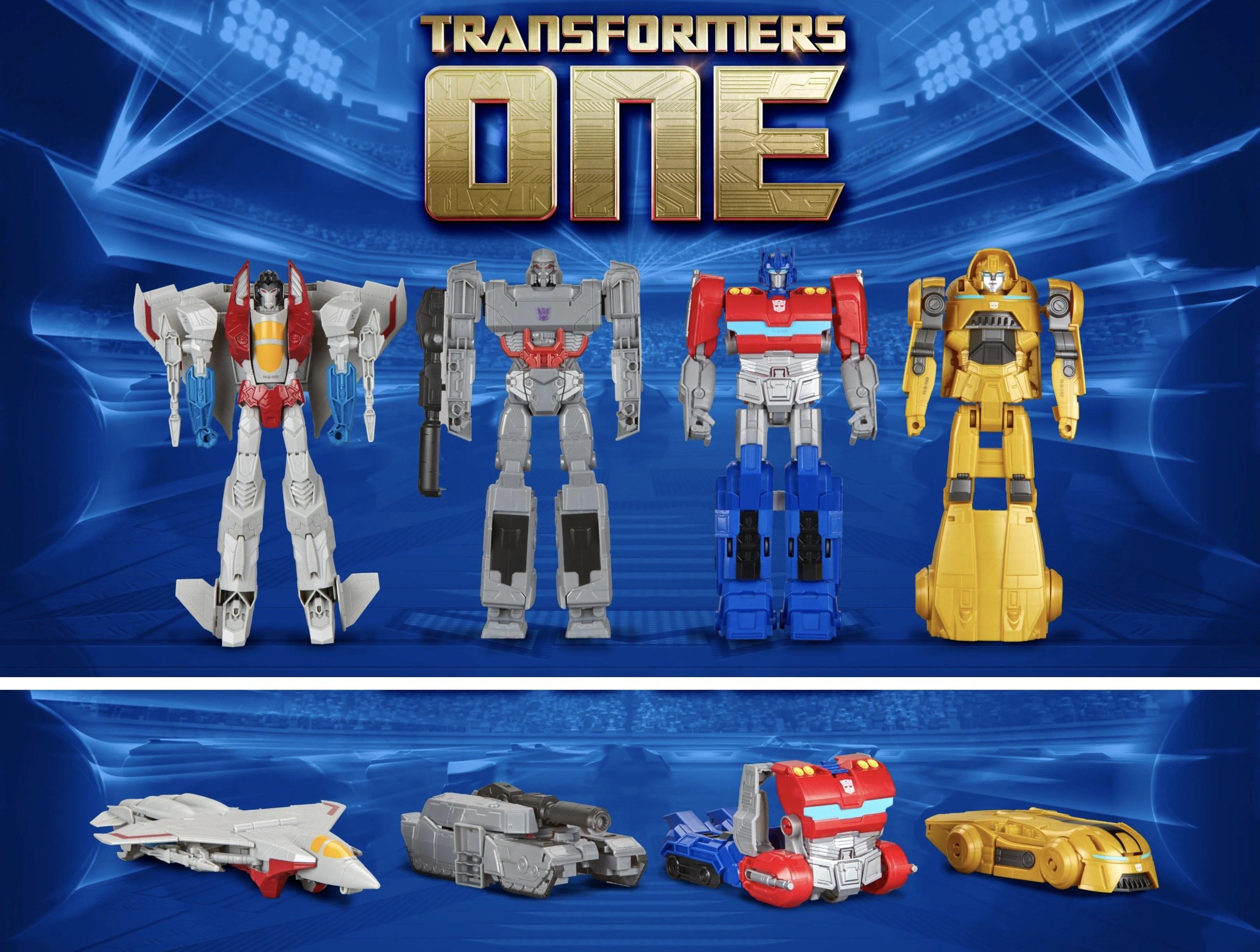
For Hasbro, Transformers is primarily an intellectual property ecosystem where theatrical films function partly as drivers for consumer products.
Hasbro Integrated Value Model:
- Film Production
- Consumer Engagement
- Toy & Merchandise Sales
- High-Margin Retail Cash Flow
- High-Margin Product Sales: Toy lines, action figures (Studio Series and Main Line), apparel, and interactive media linked to Transformers One generated substantial wholesale revenue.
- Corporate Offset: Unlike standalone film studios, Hasbro’s share of merchandise royalties and toy sales directly offsets film production losses, rendering Transformers One commercially viable for the corporate brand owner overall.
Strategic Takeaways for Future Animated IP
The financial results of Transformers One provide clear lessons for studio finance departments and IP managers:
- Budget Discipline Matters: Keeping the budget capped at $75 million saved the project from becoming a massive financial liability. Lowering production overhead is essential when rebooting or shifting genres within an established IP.
- Clear Marketing Positioning: Animated films targeted at dual audiences (children and nostalgic adults) require distinct marketing messaging that clearly communicates narrative depth early in the promotional cycle.
- The Power of Franchise Synergy: When evaluating animated blockbusters owned by toy manufacturers, box office receipts are only a piece of the financial equation. Toy sales and digital windows play a primary role in defining long-term campaign success.
Frequently Asked Questions
What was the final worldwide gross for Transformers One?
Transformers One finished its global theatrical run with approximately $128.9 million in gross box office revenue, consisting of $59.0 million from North America and $69.9 million from international markets.
Did Transformers One make a profit during its theatrical run?
No. Based on its $75 million production budget and an estimated $40 million to $50 million in marketing costs, the film required a theatrical gross of around $180 million to break even at the box office. Studio rental shares (~$54.9 million) fell short of covering combined expenses during the theatrical window alone.
What was the production budget of Transformers One?
The reported production budget for Transformers One was $75 million, making it the most cost-effective theatrical release in the modern Transformers franchise.
How did Transformers One compare to Transformers: Rise of the Beasts?
Transformers: Rise of the Beasts (2023) grossed $439 million worldwide against a $200 million budget. While Rise of the Beasts earned substantially more at the box office, Transformers One cost less than half as much to produce, greatly reducing the studio's financial risk.
How much money did Transformers One make in China?
Transformers One earned approximately $16.8 million in China, making it the film's highest-grossing individual international market.
Will Transformers One get a sequel despite its box office earnings?
While Paramount has not formally greenlit a theatrical sequel, strong home video sales, positive streaming metrics on Paramount+, and robust toy sales from Hasbro leave open the possibility for lower-budget direct-to-streaming follow-ups or future animated projects.
Practical Takeaway for Box Office Analysts
When analyzing animated properties tied to major consumer brands, box office performance should not be evaluated in isolation. While Transformers One fell short of traditional theatrical profitability metrics, its low $75 million production cost combined with strong PVOD uptake and Hasbro toy revenues mitigated studio risk. For future tracking, pay close attention to domestic second-week drop-offs and ancillary revenue performance, which frequently dictate the long-term viability of animated franchise reboots.
Image Gallery