Understanding the Names of Jewish Services: A Comprehensive Guide
Navigating the structure of Jewish prayer services requires familiarity with a specific vocabulary rooted in Hebrew and Aramaic. Jewish liturgy is organized by time, cycle, and occasion, with each service possessing a distinct name, un...
Navigating the structure of Jewish prayer services requires familiarity with a specific vocabulary rooted in Hebrew and Aramaic. Jewish liturgy is organized by time, cycle, and occasion, with each service possessing a distinct name, unique melodies, and specific ritual requirements that define the communal experience of worship.
Contents
The Daily Liturgy: Shacharit, Mincha, and Ma’ariv
The foundation of Jewish daily life is the practice of three primary services, corresponding to the times of day and reflecting the historical sacrificial offerings of the Jerusalem Temple. Understanding these names is the first step in decoding the synagogue calendar.
- Shacharit (Morning Service): Derived from the Hebrew word shachar, meaning "dawn," this is the most extensive daily service. It includes the recitation of the Shema, the Amidah (the Standing Prayer), and the public reading of the Torah on Mondays, Thursdays, and Shabbat.
- Mincha (Afternoon Service): Named for the mincha or "gift" offering brought in the Temple, this is a concise service. It typically consists of the Ashrei (Psalm 145) and the silent Amidah. Because it is performed during the workday, it is often the service where the congregation gathers for a brief moment of reflection.
- Ma’ariv (Evening Service): Also known as Arvit, this service begins at nightfall. It emphasizes the theme of the transition from day to night and includes the evening recitation of the Shema. Unlike the morning and afternoon services, Ma’ariv is technically considered optional under certain legal interpretations, though it has become a standard communal practice.
The Shabbat Experience: Kabbalat Shabbat and Musaf
The Sabbath, or Shabbat, introduces specialized services that celebrate the sanctity of the seventh day. These services vary slightly in content to mark the transition from the mundane to the holy.
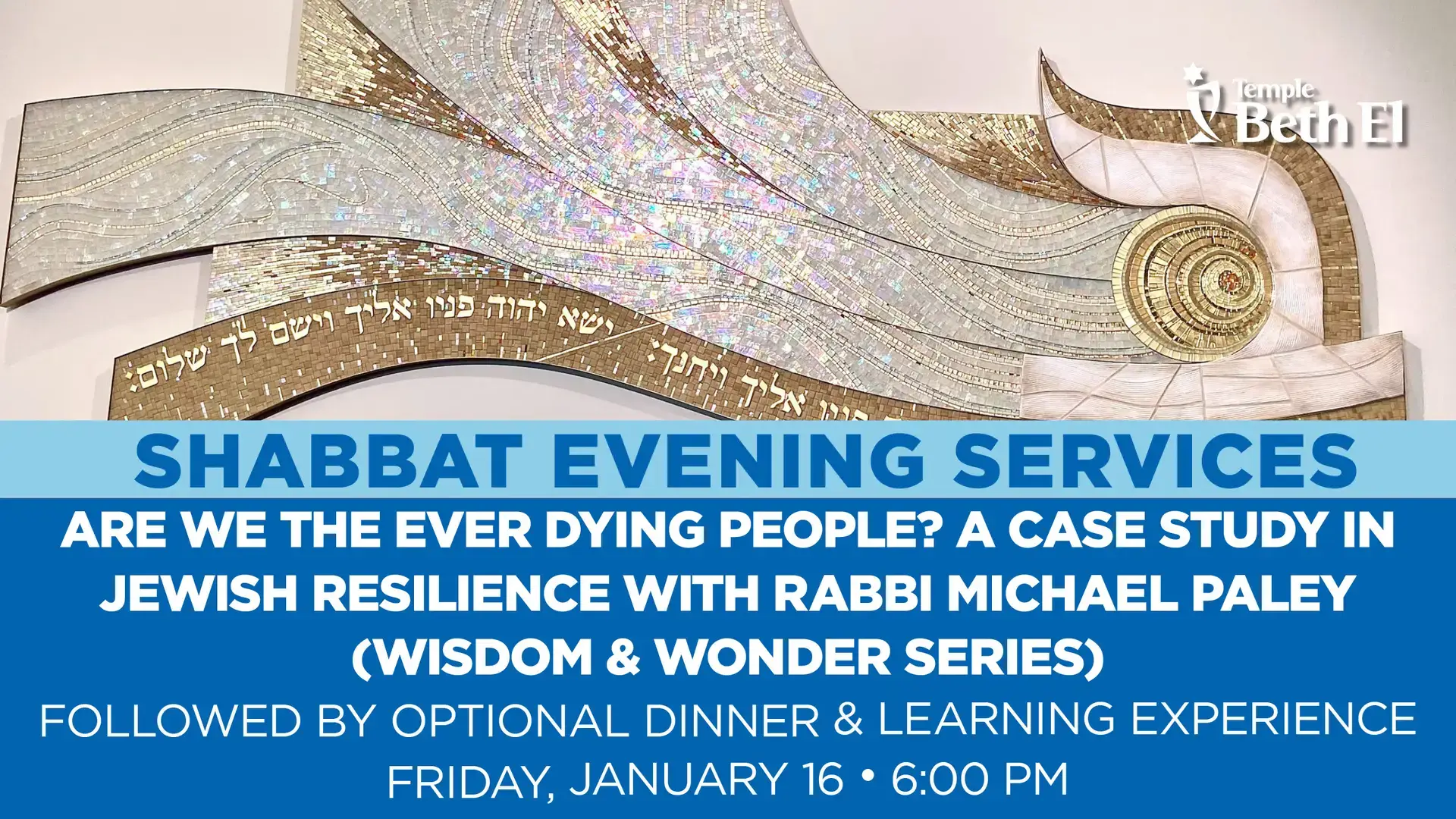
Kabbalat Shabbat Often translated as "welcoming the Sabbath," this service occurs on Friday evening before the formal Ma’ariv. It is a poetic collection of Psalms and the hymn Lecha Dodi, which personifies the Sabbath as a bride. This service is noted for its meditative quality, designed to help congregants shed the stresses of the work week.
Shacharit and Musaf On Shabbat morning, the service is expanded. After the standard Shacharit, the Torah service takes place, which involves the physical removal of the Torah scroll from the Ark for public reading. Following this, the congregation recites Musaf (literally "additional"). Musaf serves as the spiritual replacement for the additional sacrifices that were once offered in the Temple specifically on the Sabbath and holidays.
Categorizing Service Types
To distinguish between the various liturgical structures, it is helpful to categorize them by their timing and intent.
| Service Name | Time of Day | Primary Focus |
|---|---|---|
| Shacharit | Morning | Daily devotion and Torah reading |
| Mincha | Afternoon | Brief prayer and contemplation |
| Ma’ariv | Evening | Recitation of Shema and faith |
| Kabbalat Shabbat | Friday Sunset | Welcoming the Sabbath day |
| Musaf | Shabbat/Holiday Morning | Ritual addition for sacred days |
| Selichot | Late Night/Early Morning | Prayers for repentance |
Seasonal and Lifecycle Services
Beyond the daily and weekly cycle, Judaism features "specialty" services tied to the calendar or specific life events.
Selichot Selichot refers to prayers of penitence. While these can be recited throughout the year, they are most prominently associated with the period leading up to Rosh Hashanah (the Jewish New Year) and Yom Kippur (the Day of Atonement). The service is traditionally held in the late night or early morning hours, emphasizing introspection and the seeking of divine forgiveness.
Yom Tov Services On major festivals (such as Passover, Shavuot, and Sukkot), the liturgy undergoes further modification. These services follow the general structure of Shabbat—including the recitation of Musaf—but feature specific insertions in the prayers known as Ya'aleh V'yavo, which acknowledge the unique holiness of the festival day.
Yizkor The Yizkor service is a memorial prayer for the deceased. It is not a complete service in itself but an insertion into the morning liturgy on Yom Kippur, Shemini Atzeret, the seventh day of Passover, and the second day of Shavuot. During this time, those who have lost parents or close relatives gather to recite prayers of remembrance and pledge charity in honor of the departed.
Prerequisites for Participating in Services
Participation in Jewish services often requires adherence to specific communal standards. While these can vary by synagogue denomination (such as Orthodox, Conservative, or Reform), there are standard universal expectations:
- Minyan: Many parts of the liturgy—specifically the Kaddish (sanctification prayer), the Torah reading, and the Kedusha (sanctification in the Amidah)—require a minyan. A minyan is a quorum of ten adult Jews. In 2026, many communities continue to use digital platforms for auxiliary study, but the traditional minyan requirement for communal prayer remains physically centered in the synagogue.
- Attire: In many traditional settings, men wear a tallit (prayer shawl) during morning services and cover their heads with a kippah (skullcap). Standards for women vary significantly based on the specific movement and synagogue policy, ranging from inclusive head-covering requirements to voluntary participation.
- Language: The vast majority of the liturgy is in Hebrew. However, knowledge of the language is not a strict prerequisite for entry; most prayer books (siddurim) are printed with side-by-side translations into the local vernacular to facilitate comprehension.
Troubleshooting Common Confusion
One of the most common points of confusion for those new to these services is the difference between the "service" and the "Torah reading." People often assume that attending a service means seeing a Torah scroll. In reality, the Torah is only removed from the Ark on specific days: Monday, Thursday, Shabbat, and major holidays. If you attend a standard Tuesday morning Shacharit, you will participate in the prayer cycle, but you will not witness the Torah reading.
Another point of confusion is the start time. Because Jewish prayer times are often tied to the position of the sun, services may start at different clock hours throughout the year. Always verify the specific schedule for your local synagogue, as the time for "Mincha" in July will be significantly later than in December.
Frequently Asked Questions
Why do prayer services change on holidays? Holidays are considered days of increased holiness. The service is expanded with specific poems (piyyutim) and liturgical additions that highlight the historical or agricultural significance of the festival, such as the Hallel (psalms of praise).
Can I attend a service if I am not Jewish? Yes. Synagogues generally welcome visitors who are interested in observing. It is standard etiquette to dress modestly, ask a greeter for a prayer book, and follow the lead of the congregation regarding standing or sitting.
What is the Kaddish, and why is it said? The Kaddish is a prayer magnifying the name of God. It is often referred to as the "Mourner's Kaddish," though it is used throughout the service to mark transitions between different sections. Its presence indicates that a communal prayer has reached a milestone.
How do I find a local service? Most synagogues publish their schedules online. Look for the "Service Times" or "Calendar" tab on the official website of the local congregation. If you are traveling, the United Synagogue of Conservative Judaism or the Union for Reform Judaism websites provide locators for affiliated congregations.
Recommendation for Further Engagement
If you are looking to become more comfortable with these names and structures, the best next step is to obtain a siddur (prayer book) that includes commentary on the order of service. Reading the text in advance of the service will provide the necessary context to appreciate the flow of the prayers. For an immersive experience, consider attending a Friday evening Kabbalat Shabbat, as it is generally more melodic and welcoming to those who are still learning the liturgical structure.
Image Gallery