How to Choose Foundation Repair Dunedin FL: A Guide for Homeowners
Choosing a professional for foundation repair in Dunedin, Florida, requires a systematic approach to identifying soil-specific risks, verifying contractor credentials, and understanding the local regulatory environment. As a coastal co...
Choosing a professional for foundation repair in Dunedin, Florida, requires a systematic approach to identifying soil-specific risks, verifying contractor credentials, and understanding the local regulatory environment. As a coastal community situated within Pinellas County, Dunedin faces unique geological challenges—primarily shifting sandy soils and high water tables—that demand specialized engineering solutions rather than generic construction fixes.
Contents
Understanding the Dunedin Geological Context
Dunedin, like much of the Florida Gulf Coast, sits on a foundation of limestone bedrock overlaid with unconsolidated sand and clay deposits. Over time, the movement of groundwater can lead to the formation of sinkholes or localized soil erosion, which compromises the structural integrity of residential and commercial foundations. When you notice cracks in your drywall, sticking doors, or uneven floors, you are likely observing the symptoms of this underlying soil instability.
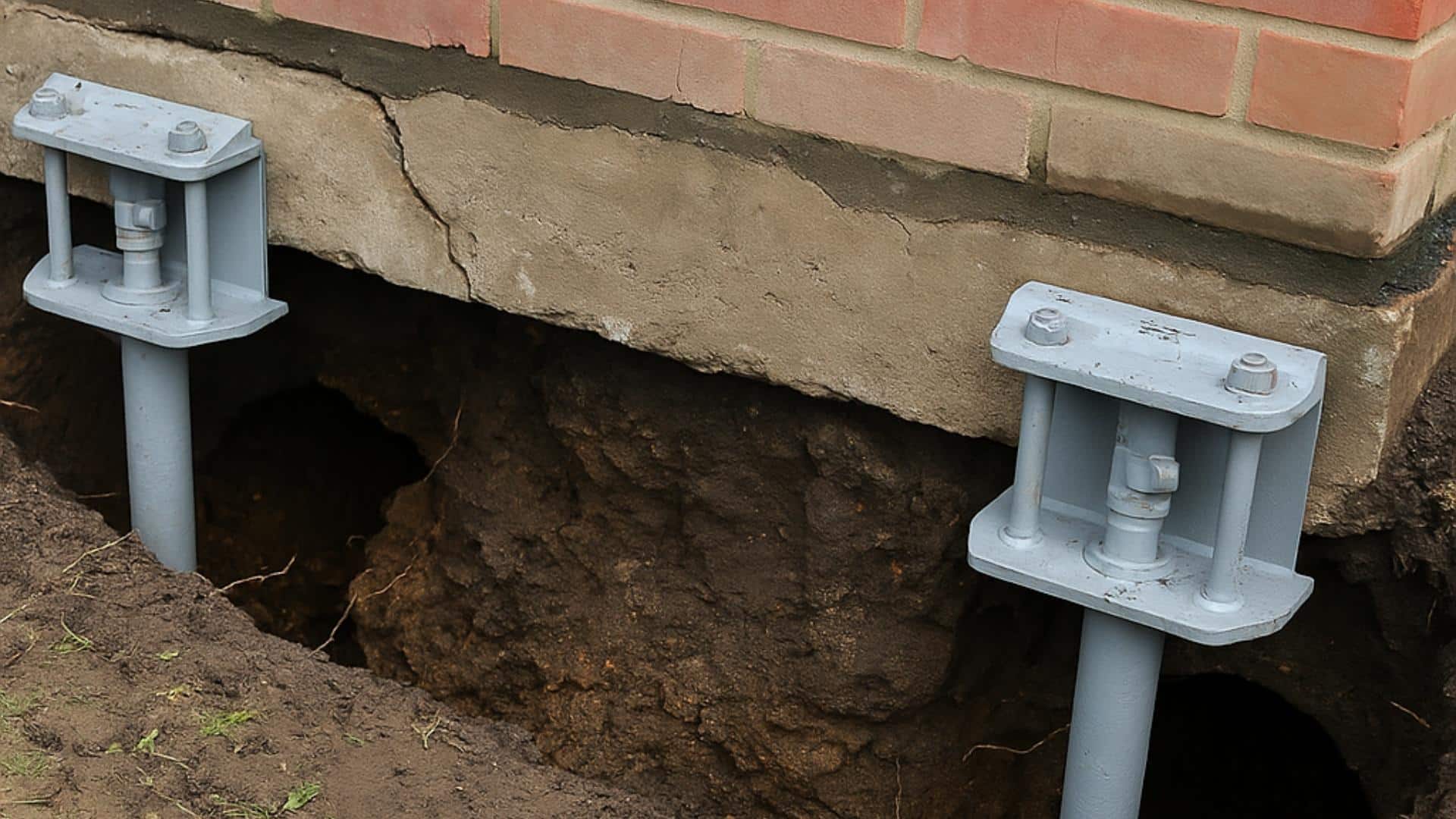
Because of these conditions, you should prioritize contractors who demonstrate a specific understanding of Florida’s geotechnical landscape. General home contractors may lack the specialized equipment—such as hydraulic piering systems or deep soil injection technology—required to stabilize a foundation effectively in this region.
Identifying the Signs of Foundation Failure
Before selecting a contractor, you must confirm that the issue is indeed foundational. Foundation problems often present in stages:
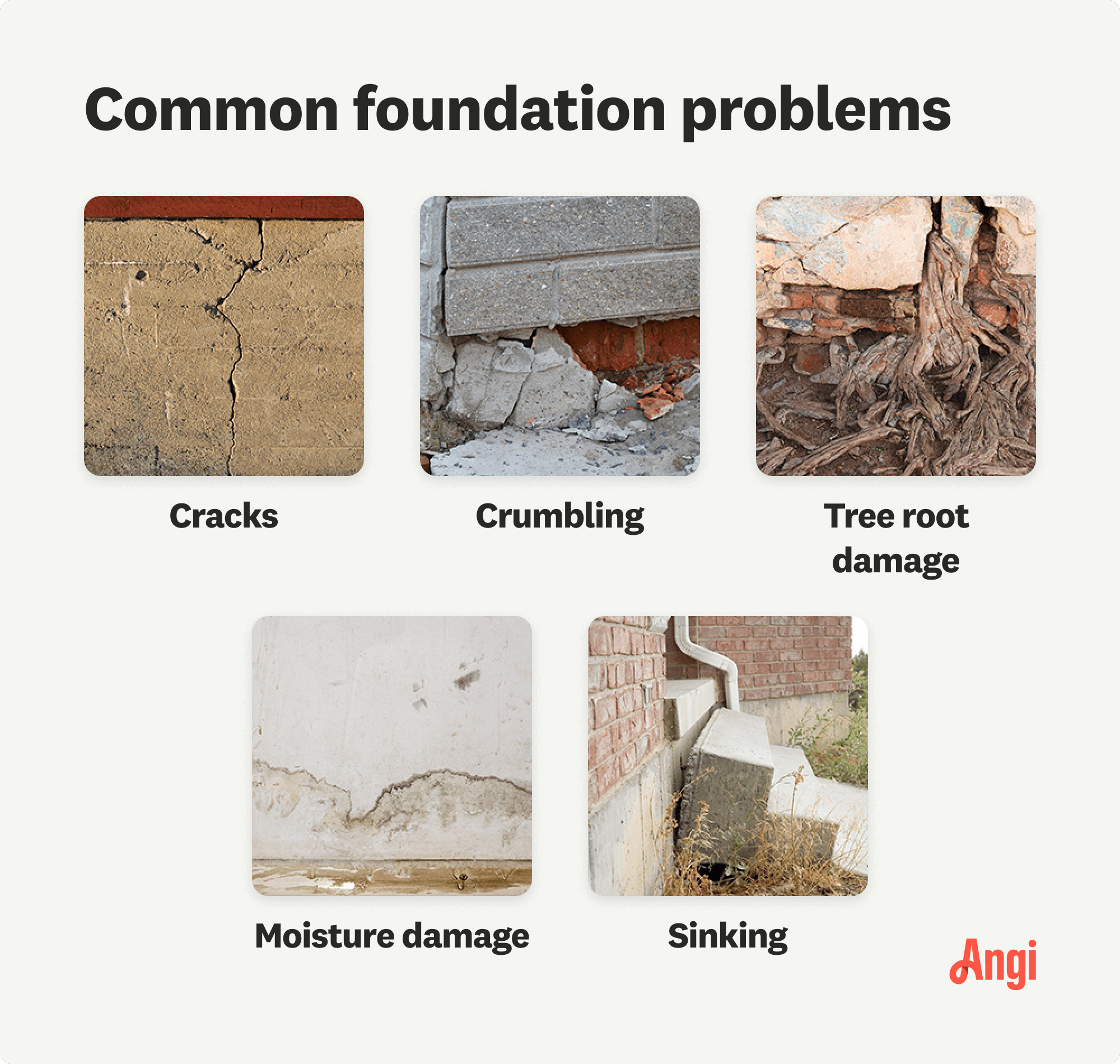
- Minor Symptoms: Hairline cracks in brick or concrete blocks, minor sticking of interior doors, or small gaps between window frames and walls.
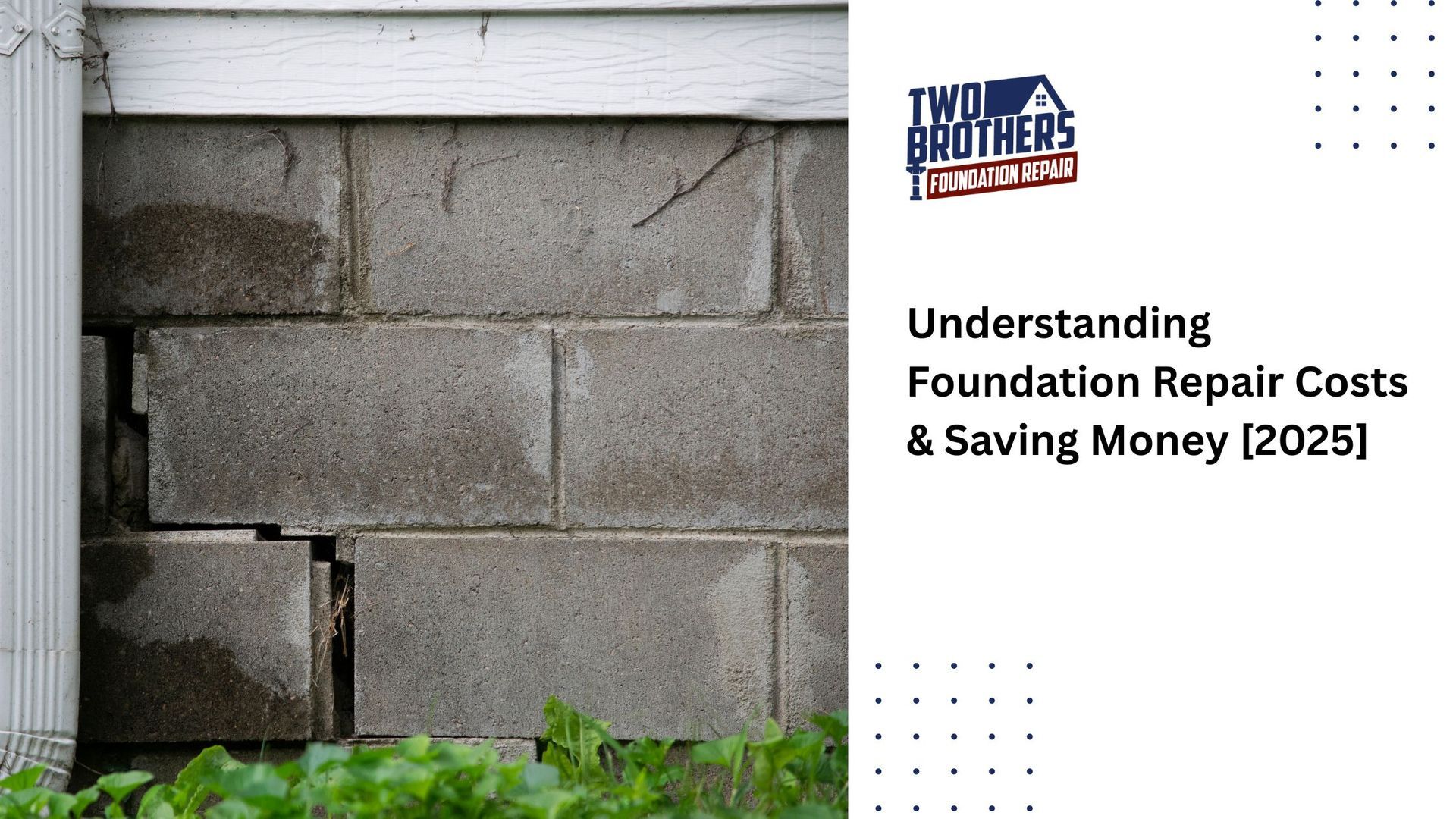
- Intermediate Symptoms: Large, diagonal cracks (stair-step patterns) in masonry, visible separations between the foundation and the ground, and noticeable floor sloping.
- Severe Symptoms: Significant structural bowing of walls, major plumbing leaks caused by shifting pipes, and complete failure of window or door operation.
If you suspect foundation movement, avoid attempting a DIY repair. The structural physics involved in lifting or stabilizing a building requires a licensed engineer’s analysis to ensure that the repair does not inadvertently cause stress fractures elsewhere in the structure.
Essential Criteria for Selecting a Contractor
When evaluating foundation repair companies in Dunedin, do not rely on marketing claims. Instead, utilize a verifiable checklist to ensure the firm is equipped to handle the specific demands of your property.
1. Licensure and Insurance
Verify that the company holds a current license from the Florida Department of Business and Professional Regulation (DBPR). For significant repairs, the contractor should possess a "Certified Building Contractor" or "Certified General Contractor" license. Furthermore, ensure they carry both general liability and workers' compensation insurance. In the event of an accident on your property, you want to ensure the liability remains with the contractor rather than becoming a claim against your homeowner’s insurance policy.
2. Engineering Verification
A reputable company will either employ a professional engineer (PE) or require a report from an independent, licensed structural engineer before beginning work. In Dunedin, if a project involves structural load-bearing changes, building permits from the City of Dunedin are mandatory. A contractor who suggests skipping the permit process or performing "emergency repairs" without engineering oversight should be disqualified immediately.
3. Warranty and Guarantee Standards
Foundation repairs are long-term investments. Review the warranty documentation carefully. A solid warranty should specify:
- Transferability: Does the warranty move to the next owner if you sell your home?
- Longevity: Most reputable firms offer warranties ranging from 10 to 25 years on piering systems.
- Scope: Does the warranty cover labor and materials, or only specific parts of the system?
Comparative Analysis of Foundation Repair Solutions
| Repair Method | Best For | Typical Durability | Estimated Complexity |
|---|---|---|---|
| Push Piers | Deep soil stabilization | High | Professional-grade |
| Helical Piers | Light structures/decks | High | Professional-grade |
| Slab Jacking | Settling concrete slabs | Medium | Moderate |
| Crack Injection | Cosmetic/Minor leaks | Low to Medium | Low/Maintenance |
The Step-by-Step Selection Process
To ensure you choose the right partner for your Dunedin property, follow this logical progression:
- Independent Inspection: Contact a structural engineer who has no affiliation with a repair company. They can provide an unbiased assessment of whether you truly need underpinning or if the issue is moisture-related and solvable through drainage management.
- Request Multiple Estimates: Obtain at least three written bids. Ensure each bid details the number of piers, the depth of installation, the material specifications, and the exact site cleanup requirements.
- Validate References: Request contact information for three clients in the Pinellas County area who had similar issues addressed within the last five years. Ask specifically about how the company handled permit delays or site debris.
- Permit Verification: Confirm that the contractor is familiar with the Dunedin Building Division requirements. They must be able to navigate the local inspection process for foundation work, which is strictly enforced for structural safety.
- Final Review: Examine the contract for "hidden" costs, such as the expense of repairing landscaping damaged during the pier installation or the cost of temporary relocation if the work requires significant interior structural support.
Avoiding Common Pitfalls
One of the most frequent mistakes homeowners make is prioritizing the lowest price over the quality of the support system. Foundation work is expensive; a low-bid contractor may be cutting corners by using inferior steel or failing to reach load-bearing strata. In the soft, sandy soils common to Dunedin, if a pier is not driven until it hits stable limestone or high-density material, it will eventually shift again, rendering the entire repair useless.
Additionally, do not overlook water management. Foundations often settle because of drainage issues. If your gutters discharge water directly against your foundation, or if your property lacks proper grading, the best repair in the world will eventually fail. Ensure your chosen contractor addresses the "why" behind the foundation movement, not just the "what."
Frequently Asked Questions
Does homeowners insurance cover foundation repair in Dunedin? Generally, no. Standard Florida homeowners insurance policies exclude settling or earth movement. Coverage usually only applies if the damage is caused by a "covered peril," such as a plumbing leak or an event explicitly named in your policy. Review your specific policy for "sinkhole" or "catastrophic ground cover collapse" riders.
How long does a foundation repair take? Most residential piering projects take between three to seven days. However, the pre-work engineering, permitting, and post-work inspection process can extend the timeline to several weeks.
Can foundation repair be done during the rainy season? While possible, it is not ideal. High water tables in Dunedin during the wet season can make excavation difficult and potentially unstable. If possible, schedule major subsurface work for the drier months, typically between November and April.
Do I need an engineer if the contractor offers a free inspection? Yes. A contractor's inspection is typically a sales process focused on what they can sell you. An independent licensed engineer provides an unbiased report focused on the structural safety of your home, which serves as a necessary baseline for comparing bids.
Next Action
Start by documenting the visible signs of foundation movement in your home, including photos and measurements of crack widths. Contact the City of Dunedin Building Division to confirm the permit requirements for your specific property type, then reach out to an independent structural engineer to obtain an objective assessment before contacting any repair companies for quotes.
Image Gallery