How a Montana Slip and Fall Lawyer Helps You Recover
A Montana slip and fall lawyer helps you recover by establishing property owner liability, gathering critical evidence, navigating complex insurance claims, and securing compensation for your injuries. They protect your rights under Mo...
A Montana slip and fall lawyer helps you recover by establishing property owner liability, gathering critical evidence, navigating complex insurance claims, and securing compensation for your injuries. They protect your rights under Montana’s modified comparative fault rules, handle all legal procedures, and advocate for maximum financial compensation while you focus on physical healing.
Contents
Disclaimer: This article provides general legal information for educational purposes and should not be construed as legal advice. Laws change over time and apply differently depending on specific factual circumstances. Consult a qualified Montana attorney for advice regarding an individual legal matter.
Understanding Premises Liability and Slip and Fall Claims in Montana
Slip and fall cases fall under the legal category of premises liability. Under Montana law, property owners and lawful possessors owe a duty of reasonable care to maintain safe premises for visitors, customers, and invited guests. When a property owner fails to repair a dangerous condition or fails to give adequate warning about an existing hazard, they can be held legally accountable for the resulting harm.
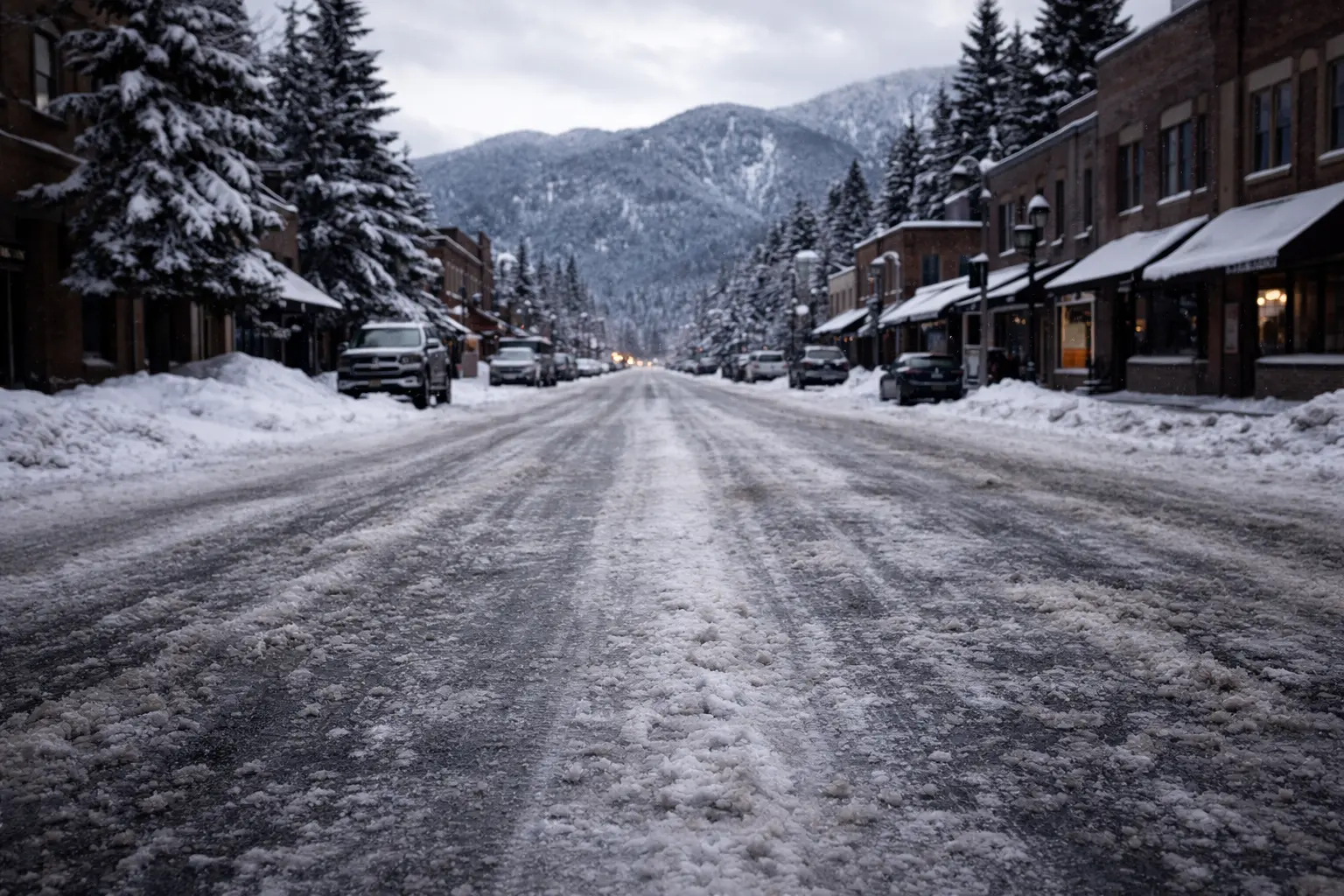
Montana's diverse landscape and extreme weather conditions present distinct challenges for property maintenance. Hazardous conditions frequently leading to slip and fall injuries across Montana include:
- Ice and Snow Accumulation: Uncleared sidewalks, frozen entryways, and hidden black ice near commercial building entrances or apartment complexes.
- Flooring Hazards: Unmarked wet floors, torn carpeting, cracked tiles, and sudden elevation changes between flooring materials.
- Structural Defects: Broken or missing handrails on stairwells, uneven outdoor walkways, poorly paved parking lots, and unlit walkways.
- Operational Negligence: Spills left uncleaned in grocery stores, cluttered aisles in retail establishments, or failure to post warning signs during routine maintenance.
In Montana, property owners are not automatically liable simply because an accident happened on their property. To succeed in a claim, an injured victim must establish that the landowner knew—or in the exercise of reasonable care should have known—of the dangerous condition and failed to address or warn about it within a reasonable timeframe.
The Crucial Roles of a Montana Slip and Fall Attorney in Your Recovery
Recovering from a serious fall involves more than managing medical care; it requires navigating legal, financial, and administrative obstacles. An experienced Montana slip and fall attorney acts as your advocate, carrying the legal burden so you can concentrate on your health.
1. Investigating the Incident and Gathering Critical Evidence
Evidence in premises liability cases can disappear rapidly. Commercial property owners may clean up spills, repair broken steps, or overwrite security footage within days or even hours of an incident. A slip and fall attorney acts quickly to preserve vital evidence by:
- Issuing formal spoliation letters to property owners demanding the preservation of surveillance camera recordings, maintenance records, and incident reports.
- Obtaining weather reports from local meteorological services to verify environmental conditions at the time of an outdoor fall.
- Interviewing eyewitnesses while their memories are fresh and documenting detailed statements.
- Photographing the exact scene of the incident, measuring hazard dimensions, and evaluating lighting levels.
2. Proving Fault Under Montana’s Modified Comparative Negligence Standard
Montana operates under a modified comparative negligence system defined in Montana Code Annotated (MCA) § 27-1-702. Under this law, an injured party can recover financial damages as long as their proportion of fault is not greater than the fault of the defendant (meaning 50% or less at fault). However, any financial recovery is reduced proportionally by the plaintiff's percentage of responsibility.
Insurance adjusters frequently claim that the injured victim was distracted, wearing improper footwear, or ignoring an obvious risk. A skilled Montana attorney counters these defense strategies by proving that the property owner's negligence was the primary cause of the incident.
3. Accurately Valuing Your Physical, Financial, and Emotional Loss
Severe slip and fall accidents can lead to significant injuries, such as traumatic brain injuries (TBIs), bone fractures, spinal cord damage, or torn ligaments. Determining the true legal value of your claim requires evaluating both immediate economic expenses and long-term consequences.
A lawyer collaborates with treating physicians, vocational experts, and economic consultants to calculate full compensation, including:
- Past and Future Medical Expenses: Emergency care, hospital stays, surgical procedures, physical therapy, prescription medication, and ongoing medical equipment needs.
- Lost Wages and Diminished Earning Capacity: Compensation for work days missed during initial recovery and adjustments for reduced long-term earning potential due to permanent physical limitations.
- Non-Economic Damages: Pain, suffering, emotional distress, loss of enjoyment of life, and physical impairment.
4. Managing Complex Negotiations with Insurance Companies
Insurance representatives are trained to minimize payouts and settle claims for as little as possible. They may ask for recorded statements or offer quick settlements before the full extent of your injuries is known. An attorney handles all communication with insurance adjusters, shielding you from manipulative settlement tactics and ensuring demands reflect the actual value of your claim.
Key Legal Standards and Deadlines in Montana
Navigating a premises liability claim requires adhering to strict statutory timelines and procedural rules under Montana law.
Montana Premises Liability Overview
| Legal Element | Statutory Standard & Practical Impact |
|---|---|
| Statute of Limitations | 3 Years (MCA § 27-2-204) for personal injury claims. Claims against government entities require filing administrative claims within much shorter timelines. |
| Comparative Fault Rule | Modified Comparative Negligence (MCA § 27-1-702). Recovery allowed if plaintiff is 50% or less at fault; financial award reduced by plaintiff's fault percentage. |
| Landowner Duty of Care | Duty of reasonable care under the circumstances to all lawful entrants (Richardson v. Corvallis Public School District No. 1). |
| Types of Recoverable Damages | Economic (medical bills, lost wages) and Non-Economic (pain and suffering, loss of capacity). |
Statute of Limitations
Under Montana Code Annotated (MCA) § 27-2-204, the standard statute of limitations for bringing a personal injury lawsuit based on negligence is three years from the date of the incident. Missing this filing deadline generally forfeits your right to seek financial compensation through the court system.
If the fall occurred on government-owned property (such as a municipal sidewalk, county building, or state agency office), special rules apply under the Montana Tort Claims Act. Victims must file formal administrative claims within shorter deadlines before a lawsuit can be submitted.
The Step-by-Step Legal Recovery Process
Working with a Montana slip and fall lawyer typically proceeds through several structured stages designed to secure full recovery.
- Incident Occurs
- Initial Medical Care & Attorney Consultation
- Preservation of Evidence & Legal Investigation
- Maximum Medical Improvement (MMI) & Evaluation of Claims
- Submission of Comprehensive Settlement Demand
- Negotiation / Mediation
- Settlement Reached
- Claim Resolved
- If Unresolved
- Formal Litigation in Montana District Court
- Settlement Reached
Step 1: Case Evaluation and Immediate Investigation
During the initial consultation, your attorney evaluates the facts surrounding your fall, reviews preliminary medical records, and identifies potentially responsible parties. Once retained, the legal team takes immediate action to inspect the accident site, request business records, and preserve surveillance video.
Step 2: Treating Injuries and Reaching Maximum Medical Improvement
Attorneys usually advise clients to complete required medical treatment or reach Maximum Medical Improvement (MMI) before concluding settlement negotiations. Reaching MMI ensures that all future medical expenses and permanent disability impacts are fully quantified.
Step 3: Formal Settlement Demand and Negotiation
Once the financial and physical losses are compiled, your lawyer drafts a comprehensive demand letter outlining the legal basis for liability, backed by evidence and itemized financial damages. The insurance carrier reviews the demand and typically responds with an offer, initiating formal settlement negotiations.
Step 4: Litigation and Trial Representation
If the insurance company refuses to offer a fair settlement, your attorney can file a civil complaint in the appropriate Montana District Court. Litigation involves formal discovery (exchanging documents and taking depositions), pre-trial motions, and court-mandated mediation. If a settlement still cannot be reached, your lawyer presents your case to a jury.
Frequently Asked Questions
What should I do immediately after a slip and fall in Montana?
Seek immediate medical attention to assess and treat your injuries. Report the incident to the property owner, store manager, or landlord, and ask for a written copy of any incident report created. Take clear photos of the hazard, your injuries, and your footwear. Gather contact details for any witnesses, and avoid making detailed statements or accepting fault before speaking with an attorney.
How much does it cost to hire a Montana slip and fall lawyer?
Most personal injury attorneys operate on a contingency fee basis. You pay no upfront retainers or out-of-pocket hourly legal fees. The attorney's fee is calculated as a pre-agreed percentage of the final financial settlement or trial award. If your lawyer does not recover compensation for you, you generally owe no legal fees.
Can I still recover damages if I was partially at fault for my fall?
Yes. Under Montana’s modified comparative fault law (MCA § 27-1-702), you can recover compensation as long as your share of responsibility is 50% or less. However, your total compensation award will be reduced by your percentage of fault. For example, if you are awarded $100,000 but found 20% at fault, your final recovery will be $80,000.
How long does a Montana slip and fall settlement take?
The timeline varies depending on the complexity of the case, the severity of your injuries, and the responsiveness of the insurance company. Straightforward claims with clear liability may resolve within six to twelve months. Cases involving severe long-term injuries, disputed liability, or court litigation can take a year or longer to resolve fully.
What if I fell on an icy public sidewalk in Montana?
Property owners in Montana municipalities often have a legal duty under local city ordinances to maintain public sidewalks adjacent to their property. However, claims involving city, county, or state government property fall under specific notice requirements and administrative rules. Consulting an attorney promptly helps ensure strict administrative deadlines are met.
Taking Action After an Injury
If you or a family member suffered injuries in a slip and fall accident on someone else's property in Montana, taking early action protects your rights. Retaining experienced legal representation ensures that critical evidence is preserved, insurance companies are held accountable, and your damages are evaluated accurately under state law. Schedule a free consultation with a licensed Montana personal injury attorney to review your legal options and begin your path toward recovery.
Image Gallery