What Are the Largest Nonprofits in the U.S. by Total Revenue 2023
Determining the largest nonprofits in the United States by total revenue for the fiscal year 2023 involves analyzing financial disclosures, annual Form 990 filings submitted to the Internal Revenue Service (IRS), and comprehensive sect...
Determining the largest nonprofits in the United States by total revenue for the fiscal year 2023 involves analyzing financial disclosures, annual Form 990 filings submitted to the Internal Revenue Service (IRS), and comprehensive sector reports compiled by financial watchdogs like Candid and Forbes. These organizations span diverse operational spheres, including healthcare systems, higher education endowments, international humanitarian relief, and major public charities.
Contents
Understanding the sheer economic scale of these entities requires looking beyond traditional business metrics. Unlike for-profit corporations that measure success by shareholder dividends and net profit margins, major nonprofit organizations operate under a tax-exempt status that requires every dollar of surplus revenue to be reinvested directly into their institutional missions. The fiscal year 2023 data reflects post-pandemic operational stabilization, shifting donor behaviors, fluctuating investment portfolios, and massive programmatic expenditures across America's most prominent public-serving institutions.
Defining Nonprofit Revenue and Financial Metrics
To accurately evaluate the largest nonprofits in the U.S., it is necessary to understand how total revenue is calculated under federal nonprofit accounting standards. On IRS Form 990, total revenue encompasses all financial inflows an organization receives over its annual accounting period. This includes contributions, gifts, grants, program service revenue, membership dues, investment income, net income from fundraising events, and sales of inventory or assets.
Program service revenue often forms the largest portion of total revenue for massive institutions such as university networks and hospital systems. For instance, when a patient pays for medical care at a non-profit hospital network or a student pays tuition at a private university, those payments are officially categorized as program service revenue rather than charitable donations. Conversely, traditional public charities like the United Way or Feeding America rely heavily on direct public contributions, corporate sponsorships, and federal grants.
Evaluating nonprofits solely by gross revenue also demands caution. A large healthcare network may report billions of dollars in revenue due to the high cost of medical services, yet operate on razor-thin net margins after accounting for clinical labor, medical supplies, and facility maintenance. Financial analysts evaluate these filings alongside balance sheets, net assets, and efficiency ratios to gauge true institutional stability and programmatic impact.
Top-Tier U.S. Nonprofits by Total Revenue
The landscape of the largest U.S. nonprofits is heavily dominated by integrated healthcare delivery systems and higher education institutions, alongside a select group of massive international aid and community foundations. Based on IRS Form 990 filings and aggregated sector research for the 2023 fiscal reporting periods, several distinct entities consistently rank at the apex of total financial turnover.
Healthcare networks routinely occupy the top positions due to the capital-intensive nature of modern medicine. Systems such as Kaiser Permanente, Ascension, and Mayo Clinic generate billions of dollars annually through patient care services, insurance premiums, and clinical research grants. While these entities function under strict non-profit charters, their operational budgets rival those of Fortune 500 corporations.
Beyond healthcare, educational and philanthropic giants wield immense financial capital. Organizations like the YMCA of the USA, Goodwill Industries, and major university endowments manage massive nationwide networks of independent affiliates, pooling their cumulative revenues under overarching national structures.
Summary of Major U.S. Nonprofits and Financial Profiles
| Organization Name | Primary Operational Sector | Estimated Annual Revenue (2023 Reports) | Primary Revenue Source |
|---|---|---|---|
| Kaiser Foundation Health Plan | Healthcare & Health Insurance | Multi-Billion Scale | Premium Fees & Program Services |
| Ascension Health | Integrated Healthcare System | Multi-Billion Scale | Patient Care & Medical Services |
| Mayo Clinic | Medical Research & Healthcare | Multi-Billion Scale | Patient Services & Research Grants |
| YMCA of the USA | Community Services & Recreation | Multi-Billion Scale | Program Fees, Memberships & Donations |
| Goodwill Industries International | Vocational Training & Retail | Multi-Billion Scale | Donated Goods Retail & Government Grants |
The Dominance of Healthcare and Hospital Systems
Healthcare institutions represent the single largest financial block within the upper echelon of American nonprofits. The integration of health plan administration and hospital delivery models allows organizations like Kaiser Permanente to command revenues that surpass those of many multinational commercial enterprises.
These organizations operate complex economic engines. Their revenue streams are diversified across commercial health insurance premiums, Medicare and Medicaid reimbursements, outpatient services, pharmaceutical sales, and specialized surgical procedures. The 2023 fiscal year presented unique economic pressures for these networks, including rising labor costs, nursing shortages, and inflationary pressures on medical hardware and pharmaceuticals. Despite these headwinds, total revenue figures remained historically high as patient volumes fully rebounded from earlier pandemic-era disruptions.
Furthermore, academic medical centers like the Mayo Clinic combine clinical revenue with substantial philanthropic endowments and federal research grants from the National Institutes of Health (NIH). This multi-pronged funding model ensures stability but also requires strict compliance with federal healthcare regulations, tax-exempt rules, and community benefit standards enforced by the IRS.
Public Charities and Humanitarian Relief Organizations
While healthcare networks lead in sheer gross revenue, traditional public charities and humanitarian organizations focus heavily on direct fundraising, institutional grants, and public mobilization. Organizations such as Direct Relief, Feeding America, and the American Red Cross manage massive logistical operations funded by millions of individual donors, corporate partners, and emergency disaster response grants.
For these entities, total revenue in 2023 was heavily influenced by geopolitical crises, domestic natural disasters, and shifts in corporate philanthropy. Unlike hospitals, whose revenue is tied directly to the provision of fee-for-service care, public charities experience greater volatility in contribution-based revenue. Economic uncertainties in 2023 prompted many individual donors to reevaluate their discretionary giving, forcing humanitarian nonprofits to rely increasingly on major gifts, institutional foundation grants, and automated recurring donation models.
Logistical efficiency remains a core scrutiny point for these organizations. Watchdog agencies such as Charity Navigator and Candid evaluate 2023 filings to ensure that high total revenues translate directly into low administrative overhead and high programmatic spending percentages, protecting public trust in large-scale philanthropy.
Accountability, Transparency, and Regulation
Operating a multi-billion-dollar nonprofit in the United States requires rigorous adherence to federal and state regulatory frameworks. The primary instrument of public accountability is the IRS Form 990, an annual information return that tax-exempt organizations must file to report their gross income, receipts, assets, and operational expenditures.
These documents are publicly accessible and serve as the foundational data source for financial researchers, journalists, and donors. In addition to federal oversight by the IRS, nonprofits are regulated by state attorneys general, who possess the legal authority to investigate financial mismanagement, excessive executive compensation, or misuse of charitable assets.
In recent years, institutional transparency has expanded beyond mandatory regulatory filings. Major nonprofits increasingly publish voluntary annual impact reports, audited financial statements certified by independent certified public accounting firms, and detailed environmental, social, and governance metrics. This heightened level of disclosure ensures that stakeholders can verify how massive revenue streams are governed and deployed toward public benefit.
Frequently Asked Questions
What constitutes total revenue for a nonprofit organization on IRS Form 990?
Total revenue on Form 990 includes all financial inflows received by the organization during its fiscal year. This encompasses contributions, gifts, grants, membership dues, investment income, special event proceeds, and program service revenue—such as tuition fees for universities or patient fees for healthcare systems.
Why are healthcare systems ranked among the largest nonprofits?
Healthcare systems generate massive revenues because modern medical care, hospital administration, and health insurance operations are capital-intensive. Even though these entities operate as tax-exempt public charities or social welfare organizations, the sheer volume of patient services and insurance premiums results in multi-billion-dollar financial turnovers.
Do tax-exempt nonprofits pay corporate income taxes on their revenue?
Generally, tax-exempt organizations recognized under Section 501(c)(3) of the Internal Revenue Code are exempt from federal corporate income tax on income related directly to their exempt purpose. However, they may still be subject to Unrelated Business Income Tax if they engage in substantial commercial activities unrelated to their core charitable mission.
How can the public verify the financial health of a major nonprofit?
The public can review official financial health by examining a nonprofit’s most recent IRS Form 990 through databases maintained by the IRS, Candid (Guidestar), or ProPublica. Additionally, independent charity evaluators like Charity Navigator provide aggregated ratings based on financial accountability, transparency, and results reporting.
Did the 2023 fiscal year change how nonprofits generate revenue?
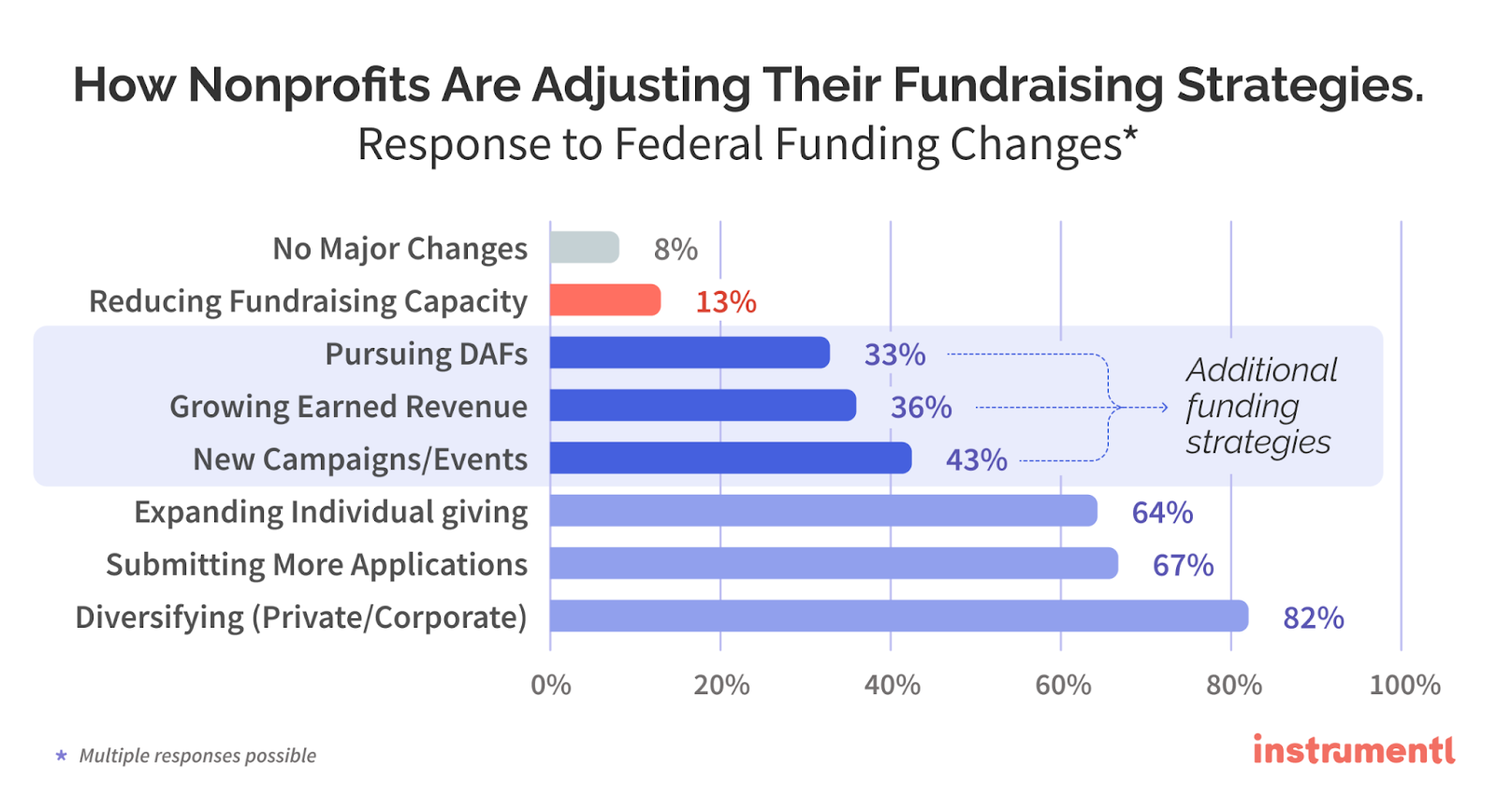
The 2023 fiscal year marked a period of post-pandemic stabilization. Nonprofits adapted to shifting donor retention rates, inflationary operational costs, and fluctuating investment markets, prompting many organizations to diversify their revenue streams through expanded digital fundraising and enterprise-level corporate partnerships.
Conclusion and Next Actions
Navigating the landscape of the largest U.S. nonprofits by 2023 total revenue demonstrates that America's tax-exempt sector is an economic titan driven primarily by complex healthcare delivery, higher education, and institutional philanthropy. When evaluating these organizations, stakeholders should look beyond headline revenue numbers to examine programmatic efficiency ratios, governance structures, and independent audit reports. For researchers, donors, and policymakers seeking deeper insights, reviewing official IRS Form 990 filings via Candid or consulting audited financial statements directly on an organization's investor relations portal provides the most accurate and verifiable financial assessment.
Image Gallery