Why Elevating an Injury Helps: The Science of Reducing Swelling and Accelerating Recovery
Elevating an injury helps primarily by utilizing gravity to assist the lymphatic and circulatory systems in draining excess fluid away from the damaged area. By positioning an injured limb above the level of the heart, you reduce hydro...
Elevating an injury helps primarily by utilizing gravity to assist the lymphatic and circulatory systems in draining excess fluid away from the damaged area. By positioning an injured limb above the level of the heart, you reduce hydrostatic pressure, which prevents fluid accumulation, minimizes inflammation, and alleviates the throbbing pain associated with localized swelling.
Contents
The Physiology of Injury and Edema
When soft tissue is damaged—whether through a sprain, strain, or contusion—the body initiates an immediate inflammatory response. This process is essential for healing, as it brings white blood cells and repair proteins to the site. However, the body often overcompensates, leading to an influx of fluid known as edema.
Capillaries at the injury site become more permeable, allowing fluid to leak into the surrounding tissues. Because blood flow is pressurized by the heart, this fluid tends to pool in the lower extremities or the injured area due to gravity. This accumulation exerts pressure on nerve endings, which is the primary cause of the intense, throbbing sensation felt after an injury. Elevating the injury acts as a mechanical counter-measure to this process, encouraging venous return and lymphatic drainage back toward the central circulation.
How Elevation Interfaces with the RICE Protocol
The RICE protocol—Rest, Ice, Compression, and Elevation—has been a foundational standard in sports medicine and first aid for decades. Elevation serves as the final, critical step in managing the hemodynamic effects of trauma.
- Rest: Prevents further tissue damage by limiting movement.
- Ice: Causes vasoconstriction, narrowing the blood vessels to limit initial bleeding and reduce metabolic activity in the area, which lowers the risk of secondary tissue damage.
- Compression: Provides external pressure to prevent fluid from pooling in the extracellular space.
- Elevation: Uses gravity to reduce hydrostatic pressure, effectively "emptying" the area of excess fluid that compression and ice have helped manage.
When these components are used in tandem, they create a synergistic effect that significantly lowers the volume of swelling. Without elevation, the effectiveness of compression and ice is limited because the fluid has nowhere to go but to remain in the interstitial space of the injured tissue.
Technical Requirements for Effective Elevation
For elevation to provide physiological benefits, it must be performed correctly. Simply resting a leg on a low footstool is often insufficient. The primary requirement is that the injured site must be positioned higher than the heart. This vertical alignment ensures that the pressure gradient is shifted in favor of venous and lymphatic return.
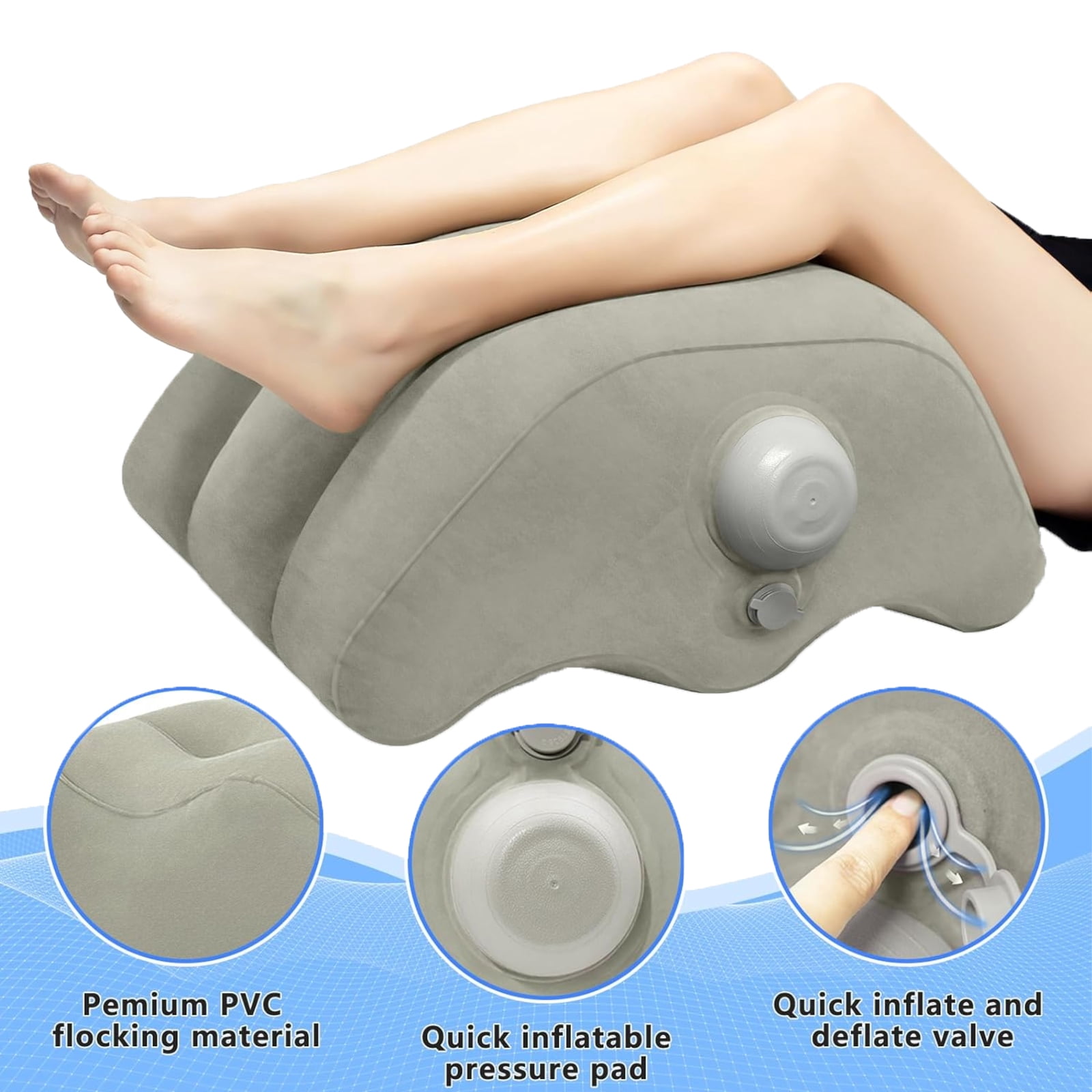
- Alignment: If the injury is in the lower leg or ankle, the patient must be reclined. Use pillows or a wedge cushion to raise the limb so that the ankle is physically higher than the chest.
- Duration: Experts generally recommend elevation for the first 24 to 48 hours following an acute injury. During this time, the inflammatory response is at its peak.
- Consistency: While constant elevation is not required 24/7, keeping the area elevated for 20- to 30-minute intervals throughout the day—or whenever the patient is resting—is the standard practice for preventing recurrence of acute swelling.
- Circulation Check: Ensure that the elevation support is not so tight or positioned in a way that it cuts off blood flow or causes numbness. The goal is to facilitate drainage, not to restrict arterial supply.
Comparing Elevation Strategies by Injury Type
The effectiveness of elevation can vary depending on the location and severity of the injury. Below is a comparison of how different body parts are typically managed.
| Injury Location | Elevation Goal | Primary Challenge |
|---|---|---|
| Ankle/Foot | Above heart level | Requires lying down; difficult to maintain while seated. |
| Wrist/Hand | Above elbow/heart | Easy to manage with a sling or propping on chest/pillows. |
| Knee | Heart level or slightly above | Requires full leg support to ensure the joint is not bent. |
| Shoulder | Neutral/supported | Elevation is less effective here; focus on immobilization. |
Risks and Common Mistakes
While elevation is a low-risk intervention, improper execution can lead to secondary complications. A common mistake is elevating an injury without considering the joint’s position. For instance, if a knee is elevated, it should be supported along its entire length; allowing the knee to hang off the edge of a stack of pillows can create a "tourniquet effect," where the pressure behind the knee restricts circulation, potentially increasing swelling rather than reducing it.
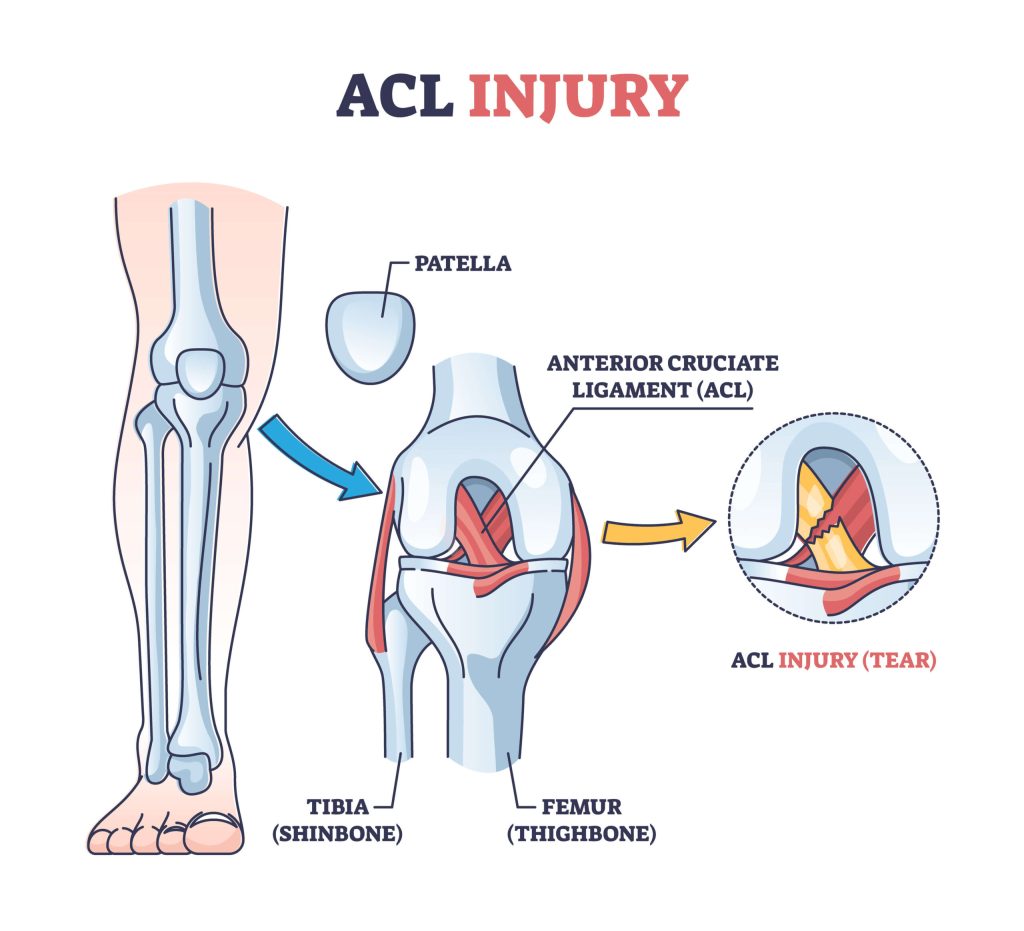
Furthermore, patients should be wary of assuming that elevation replaces medical assessment. If an injury is accompanied by a loss of sensation, inability to bear weight, or visible deformity, elevation is merely a temporary comfort measure until a healthcare provider can conduct an assessment. Relying solely on home remedies for severe fractures or ligament tears can lead to chronic instability or improper bone healing.
Integration with Modern Recovery Practices
In the context of 2026, recovery technology has evolved to include automated compression devices that mimic the effects of elevation. Pneumatic compression boots, for example, use rhythmic inflation to push fluid away from the extremities. However, even with the availability of such devices, elevation remains the most accessible, zero-cost method for initial triage.
For patients recovering from surgical procedures, such as orthopedic reconstructions, surgeons often provide rigid elevation protocols. These protocols are not suggestions but clinical requirements designed to prevent complications such as compartment syndrome or severe post-operative edema, which can delay the commencement of physical therapy.
Frequently Asked Questions
Does elevation help with chronic swelling? Elevation can provide temporary relief for chronic swelling associated with venous insufficiency, but it does not treat the underlying cause. If you experience persistent swelling without a history of acute trauma, you should consult a doctor to rule out circulatory or systemic health issues.
How high exactly should the injury be? The injured area should be higher than the heart. Imagine a straight line from the injury to the heart; if the injury is below that line, gravity will work against you. Using a foam wedge cushion is usually more stable than stacking loose pillows.
Can I elevate an injury for too long? Generally, no, provided you are comfortable. However, if you are immobile for long periods, you should perform gentle movements (like ankle pumps or finger wiggles) to maintain circulation and prevent stiffness in the surrounding joints.
Is it better to elevate or keep moving the limb? In the acute phase (first 48 hours), prioritizing elevation is key. As the inflammation subsides, your healthcare provider will likely introduce range-of-motion exercises. Movement is eventually necessary to prevent muscle atrophy, but only once the acute inflammatory phase has passed.
Does temperature affect the efficacy of elevation? Temperature affects blood vessel diameter. Using ice while elevating is highly effective because the ice constricts the vessels (limiting fluid entry) while the elevation drains the existing fluid (emptying the tissue).
Next Steps for Injury Management
If you have sustained an injury, begin the RICE protocol immediately to manage inflammation. Keep the affected area elevated as much as possible for the first two days. If the swelling does not show signs of improvement after 48 hours, or if you experience increasing pain, skin discoloration, or numbness, seek professional medical evaluation. Document the time of the injury and any interventions you have applied so that a healthcare provider can accurately assess your status and provide a professional treatment plan.
Image Gallery