Understanding the Security of U.S. Cloud Service Providers
The security of U.S. cloud service providers is defined by a robust framework of shared responsibility, federal compliance standards, and sophisticated technical controls. Organizations leveraging these services are protected by rigoro...
The security of U.S. cloud service providers is defined by a robust framework of shared responsibility, federal compliance standards, and sophisticated technical controls. Organizations leveraging these services are protected by rigorous encryption, physical data center security, and identity management, though users remain responsible for configuring access policies and securing their specific data workloads.
Contents
The Foundation of U.S. Cloud Security
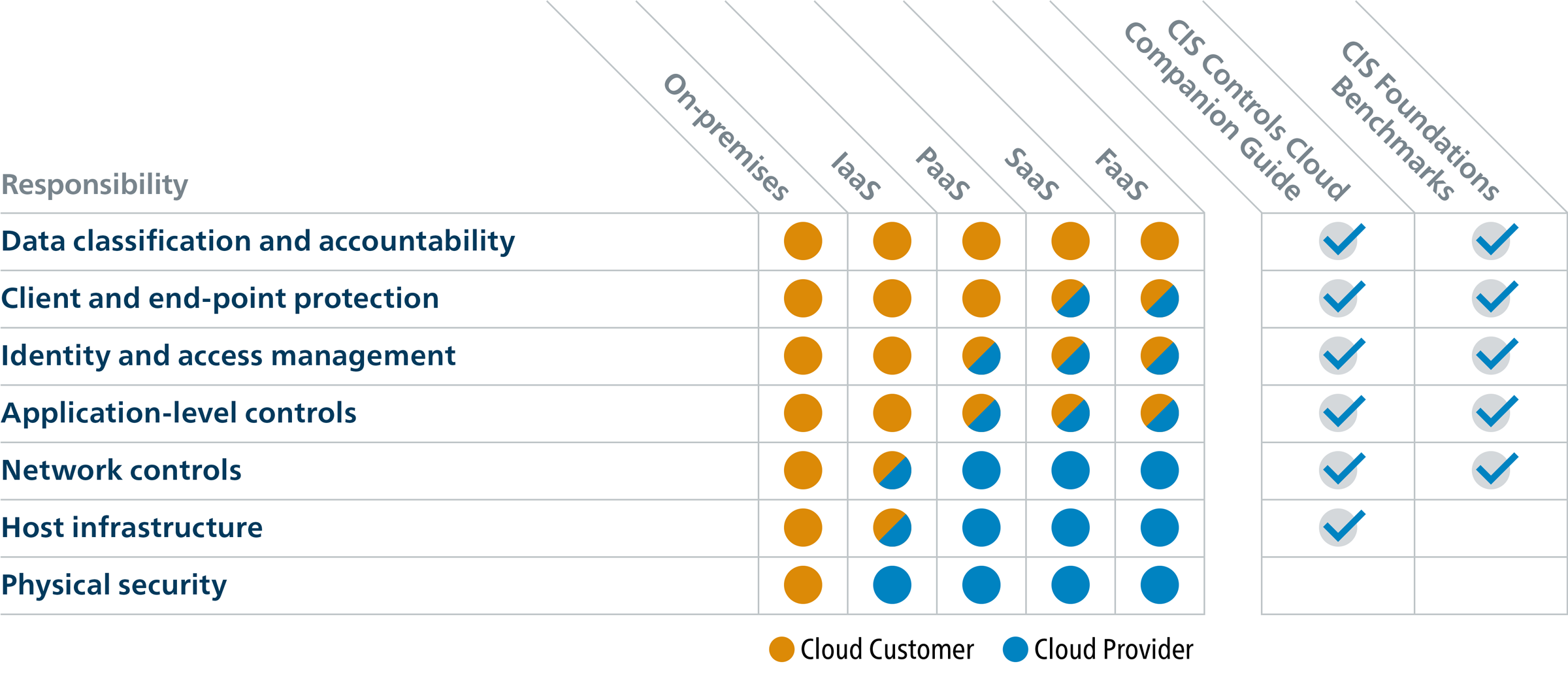
Cloud security in the United States relies on the principle of the "shared responsibility model." This model dictates that while the provider (such as Amazon Web Services, Microsoft Azure, or Google Cloud) is responsible for the security of the cloud—including the underlying infrastructure, global network, and physical data centers—the customer is responsible for security in the cloud. This includes the configuration of virtual firewalls, the management of user identities, and the encryption of data at rest and in transit.
For U.S.-based providers, this framework is heavily influenced by federal mandates. Organizations operating in regulated sectors, such as healthcare or defense, often require adherence to frameworks like the Federal Risk and Authorization Management Program (FedRAMP). FedRAMP standardizes security assessment and monitoring for cloud products and services, ensuring that U.S. government data remains secure across various cloud environments.
Key Security Infrastructure Components
U.S. cloud service providers invest billions annually in defensive technologies. To evaluate the security posture of these providers, it is essential to understand the layers of protection they deploy.
Physical and Environmental Controls
Physical security is the first line of defense. Major U.S. providers utilize data centers with biometric access controls, 24/7 video surveillance, and on-site security personnel. These facilities are designed to withstand natural disasters, power outages, and physical breaches. Furthermore, U.S. providers typically offer localized redundancy, allowing data to be replicated across multiple "Availability Zones" within a single geographic region to ensure business continuity.
Encryption and Key Management
Data protection is maintained through advanced cryptographic standards. Providers offer tools for both server-side encryption (automatically securing data written to disk) and client-side encryption (where the user manages the keys). By utilizing Hardware Security Modules (HSMs), U.S. providers enable customers to manage their own encryption keys, ensuring that even the cloud provider cannot access the plaintext data without explicit permission.
Identity and Access Management (IAM)
IAM serves as the primary gateway to cloud resources. Providers offer granular permission systems that allow administrators to enforce the "Principle of Least Privilege," ensuring that users and automated services only have the access necessary for their specific functions. Multi-Factor Authentication (MFA) and Single Sign-On (SSO) integrations are standard, providing a critical layer of defense against credential theft.
Comparative Framework for Cloud Service Provider Security
Evaluating the security of a provider often involves looking at their certification portfolio and technical offerings. The following table highlights common security pillars observed among major U.S. cloud providers.
| Feature Category | Security Implementation | Primary Customer Benefit |
|---|---|---|
| Regulatory Compliance | FedRAMP, HIPAA, SOC 2, PCI-DSS | Legal compliance for industry sectors. |
| Infrastructure Security | DDoS protection, WAF, Intrusion Detection | Prevention of external network attacks. |
| Data Sovereignty | U.S.-based region selection | Compliance with domestic data laws. |
| Transparency | Third-party audits, Service Trust Portals | Verification of security efficacy. |
| Key Management | Bring Your Own Key (BYOK) via HSM | Total control over data access. |
Navigating Compliance and Legal Requirements
The security of U.S. cloud providers is not solely defined by technology but by legal and regulatory standing. Companies handling sensitive information must ensure their cloud architecture aligns with specific legal frameworks.
- HIPAA (Health Insurance Portability and Accountability Act): For healthcare entities, U.S. providers offer Business Associate Agreements (BAAs) that outline the provider's responsibility for protecting Protected Health Information (PHI).
- FedRAMP (Federal Risk and Authorization Management Program): For agencies handling federal data, this program provides a standardized approach to security assessments. Choosing a "FedRAMP Authorized" provider ensures that the infrastructure meets high-level government security benchmarks.
- GDPR and Data Residency: While GDPR is a European regulation, U.S. providers offer tools to ensure that data remains within specified U.S. regions, addressing concerns regarding international data transfer and sovereignty.
Common Security Misconfigurations
Despite the high level of security provided by the infrastructure, the most frequent security breaches result from customer-side errors. Awareness of these common pitfalls is vital for maintaining a secure environment.
- Over-privileged Accounts: Assigning administrative rights to user accounts that do not require them is a primary vector for lateral movement by attackers.
- Open Storage Buckets: Misconfiguring permissions on cloud object storage (e.g., leaving a private database or bucket accessible to the public internet) remains a leading cause of data leaks.
- Lack of Logging and Monitoring: Failing to enable audit logs prevents organizations from detecting unauthorized access or identifying the root cause of a security event after it has occurred.
- Underutilized Encryption: Neglecting to encrypt sensitive data at rest or using default keys instead of customer-managed keys limits the effectiveness of the security stack.
How to Verify Provider Security
Before migrating to a cloud environment, organizations should perform due diligence to verify that the provider’s security practices align with their internal risk appetite.
- Review Service Trust Portals: Most major providers maintain a centralized "Trust Center" or portal where customers can download independent audit reports, such as SOC 2 Type II reports and ISO 27001 certifications.
- Consult Regulatory Mapping: Providers often supply "Compliance Maps" that explain exactly which features of their platform help customers achieve compliance with specific regulations like FISMA or PCI-DSS.
- Perform Shared Responsibility Mapping: Use the provider’s documentation to create a RACI (Responsible, Accountable, Consulted, Informed) matrix regarding who manages which security controls in your specific architecture.
Frequently Asked Questions
Are U.S. cloud providers more secure than on-premises data centers? Generally, yes. Large U.S. cloud providers operate at a scale that allows for security investments—such as automated threat detection and physical security automation—that are often cost-prohibitive for individual organizations to implement in private data centers.
What is the role of a Business Associate Agreement (BAA)? A BAA is a contract between a healthcare provider and a cloud service provider that establishes the cloud provider’s liability and commitment to protecting PHI under HIPAA. Without a signed BAA, a cloud provider cannot legally host healthcare data.
How do I ensure my data stays within U.S. borders? Most U.S. cloud providers allow users to select a "region" for their data deployment. By explicitly choosing regions located within the United States (e.g., US-East or US-West), you ensure that your data is stored on physical hardware located on U.S. soil.
What happens if a provider experiences a breach? U.S. cloud providers are bound by strict contractual obligations and legal requirements regarding the notification of data breaches. They typically provide incident response reports detailing the impact and the steps taken to remediate the vulnerability.
Is it safe to store encryption keys in the cloud? Yes, if you use a dedicated Key Management Service (KMS) or Hardware Security Module (HSM). These tools allow you to manage the lifecycle of your keys, including rotation and revocation, ensuring that you retain control over your data access.
Next Steps for Your Security Strategy
If you are currently evaluating or using U.S. cloud service providers, begin by auditing your current IAM policies and ensuring that MFA is enforced for every user. Following this, perform a comprehensive review of your public-facing resources to ensure no unintended data exposure exists. For organizations with high-security requirements, transition toward a "Zero Trust" architecture, where every request is verified, regardless of whether it originates from inside or outside the network. If your workload involves regulated data, consult the provider's specific compliance documentation to ensure you have enabled the necessary configurations to satisfy your legal obligations.
Image Gallery