Using a 401k Loan to Pay Off Credit Card Debt: Risks, Benefits, and Strategies for 2026
Using a 401k loan for credit card debt involves borrowing against your retirement savings to pay off high-interest balances. While it offers lower interest rates and no credit check, it carries significant risks, including potential ta...
Using a 401k loan for credit card debt involves borrowing against your retirement savings to pay off high-interest balances. While it offers lower interest rates and no credit check, it carries significant risks, including potential tax penalties if you leave your job and the loss of compounding investment growth for your future retirement.
Contents
Deciding whether to tap into your retirement savings to settle high-interest consumer debt is a complex financial maneuver. As of 2026, many households continue to navigate the friction between rising credit card APRs and the need for long-term retirement security. This strategy, often viewed as a "self-loan," can be a powerful tool for debt consolidation if executed with discipline, but it can also become a financial trap for those who do not address the underlying causes of their debt.
Understanding the Mechanics of a 401k Loan
A 401k loan is not a traditional loan from a bank; rather, it is a withdrawal of your own money that you agree to pay back to your account within a specified timeframe, usually five years. Because you are borrowing from yourself, the "interest" you pay is actually credited back to your own 401k account. This makes it fundamentally different from a personal loan or a credit card, where the interest represents a cost paid to a third-party lender.
The Internal Revenue Service (IRS) sets strict limits on how much you can borrow. Generally, you can borrow up to 50% of your vested account balance, or $50,000, whichever is less. An exception exists for small balances: if 50% of your vested balance is less than $10,000, you may be allowed to borrow up to $10,000, depending on your specific plan’s rules.
Vesting is a critical concept here. Only the money that "belongs" to you—your own contributions and the portion of employer matching funds that have met the plan's vesting schedule—can be used as collateral for the loan. If you have $100,000 in your account but only $60,000 is vested, your maximum loan amount would be $30,000.
The Financial Logic: APR Comparison
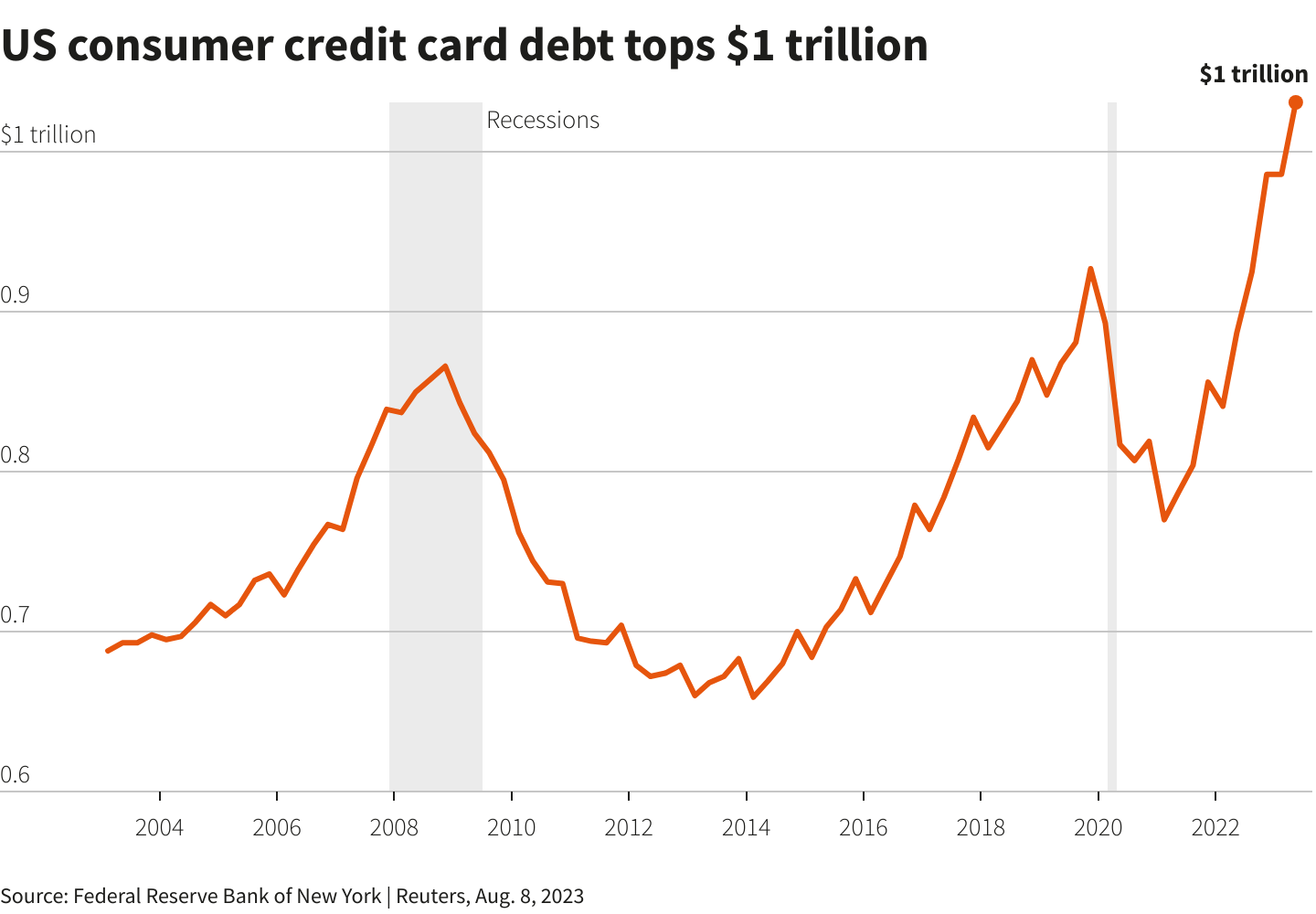
The primary driver for seeking a 401k loan for credit card debt is the interest rate arbitrage. In the current 2026 financial environment, the average credit card APR remains significantly higher than the interest rates charged on 401k loans.
Typically, the interest rate on a 401k loan is set at the Prime Rate plus 1%. If the Prime Rate is 7.5%, your loan rate would be 8.5%. Compared to credit card rates that often exceed 24% or even 30% for those with bruised credit, the 401k loan represents a massive reduction in the cost of debt. By moving debt from a 25% interest environment to an 8.5% environment, a borrower can save thousands of dollars in interest charges and accelerate their path to being debt-free.
However, this math only works if the borrower stops using the credit cards. If the cards are cleared using the 401k loan and then charged up again, the borrower faces a "double debt" crisis: a lower 401k balance and a new mountain of high-interest consumer debt.
Advantages of Using a 401k Loan
1. No Credit Check and Minimal Fees
Since you are borrowing your own money, there is no credit inquiry. This makes 401k loans an attractive option for individuals whose credit scores have been damaged by high utilization or missed payments. The application process is usually automated through your employer's HR portal, and funds are often disbursed within a few business days.
2. Interest Paid to Yourself
Unlike a bank loan where interest is a lost expense, the interest on a 401k loan goes back into your retirement account. On paper, this seems like a win-win; however, it is important to remember that this interest is paid with after-tax dollars. When you eventually withdraw that money during retirement, it will be taxed again, leading to a "double taxation" effect on the interest portion of your repayments.
3. Debt Consolidation Simplicity
Managing multiple credit card payments with varying due dates can be overwhelming. A 401k loan consolidates these into a single payment, which is almost always handled via automatic payroll deduction. This "set it and forget it" nature reduces the risk of missed payments and late fees.
Significant Risks and Disadvantages
1. The "Separation from Service" Trap
The most dangerous aspect of a 401k loan is what happens if you leave your job—whether voluntarily or through a layoff. In most cases, if you leave your employer, the outstanding balance of the loan becomes due almost immediately, typically by the tax filing deadline of the following year. If you cannot repay the full balance by that deadline, the IRS treats the unpaid amount as a taxable distribution.
For a borrower in 2026, this means the unpaid balance is added to your taxable income for the year, and if you are under age 59½, you will likely owe an additional 10% early withdrawal penalty. A $20,000 unpaid loan could easily result in a $6,000 to $8,000 tax bill, which often hits at the worst possible time: while you are unemployed.
2. Opportunity Cost of Lost Growth
When you take a loan, that money is removed from the market. If the stock market experiences a bull run while your money is out of the account, you miss out on the compounding growth. For example, if you borrow $30,000 and the market returns 12% that year, you have effectively "lost" $3,600 in growth that you can never get back. Over 20 or 30 years, that missing $3,600 could have grown into tens of thousands of dollars.
3. Reduced Ability to Save
Some employer plans prohibit you from making new contributions to your 401k until the loan is paid off. Even if your plan allows continued contributions, the extra weight of the loan repayment on your paycheck may force you to stop contributing. This means you also lose out on the employer match, which is essentially free money.
Comparing 401k Loans to Other Debt Solutions
Before committing your retirement future to solve a current debt problem, it is helpful to compare the 401k loan against other common consolidation methods available in 2026.
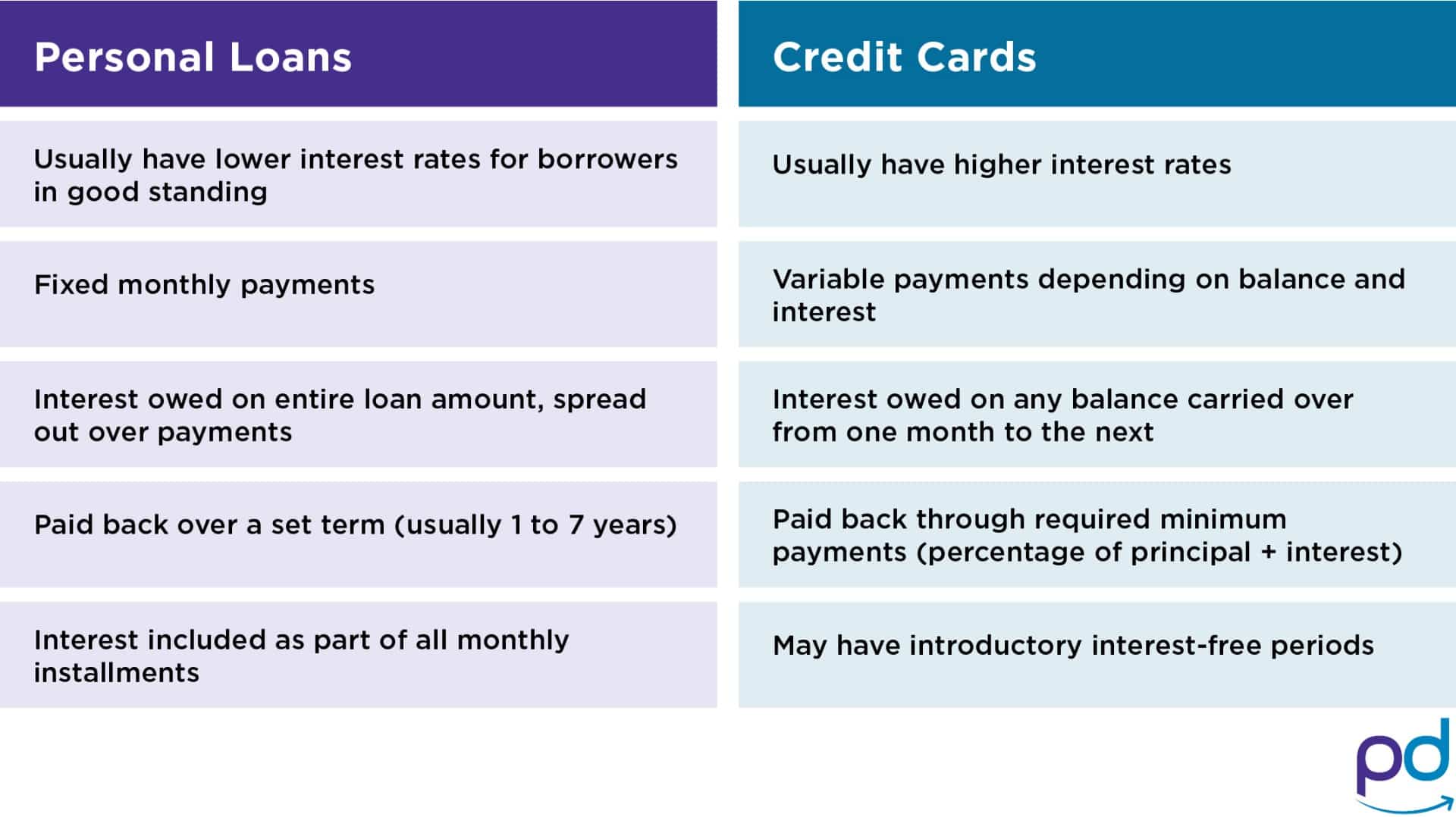
| Feature | 401k Loan | Personal Loan | 0% APR Credit Card | HELOC |
|---|---|---|---|---|
| Typical Interest Rate | Prime + 1% (8-9%) | 10% - 22% | 0% (Intro period) | Variable (8-11%) |
| Credit Impact | None | Hard Inquiry | Hard Inquiry | Hard Inquiry |
| Max Term | 5 Years | 3 - 7 Years | 12 - 21 Months | 10 - 20 Years |
| Risk of Loss | Retirement Security | None (Unsecured) | None (Unsecured) | Your Home |
| Approval Speed | Fast (1-3 days) | Fast (1-5 days) | Immediate | Slow (2-4 weeks) |
Step-by-Step Process for Taking the Loan
If you have weighed the risks and decided to proceed, follow these steps to ensure the process goes smoothly:
- Verify Plan Eligibility: Log into your 401k provider’s website or contact HR to confirm your plan allows loans. Check the maximum amount you are eligible to borrow.
- Calculate the Full Debt Amount: List every credit card balance and their respective APRs. Ensure the loan amount covers the highest-interest debt first.
- Model the Repayment: Use the plan’s online calculator to see how the bi-weekly or monthly payroll deduction will affect your take-home pay. Ensure you can still afford your essential living expenses.
- Submit the Application: Most plans allow for electronic signatures. You will likely need to select a repayment term (usually 60 months).
- Execute the Payoff: Once the funds land in your bank account, pay the credit card companies immediately. Do not "float" the cash in your checking account, as the temptation to spend it on other items can be high.
- Adjust Your Spending: This is the most critical step. Close the accounts or freeze the cards in ice to ensure you do not accumulate new debt while paying back the 401k.
Common Pitfalls to Avoid
The most common mistake is using a 401k loan as a "band-aid" for a spending problem. If your credit card debt was caused by living beyond your means rather than a one-time emergency (like a medical bill), the 401k loan will only provide temporary relief. Within a year, many borrowers find themselves with the same amount of credit card debt plus the 401k loan payment.
Another pitfall is taking a loan for the maximum amount allowed without a specific plan. Only borrow what is necessary to clear the high-interest debt. Leaving the remainder of your balance invested allows it to continue growing, mitigating some of the opportunity costs.
Finally, ignore the temptation to use a 401k withdrawal (hardship distribution) instead of a loan. Withdrawals are permanent, taxable, and subject to penalties. Loans are a temporary movement of capital that can be repaired through repayment.
FAQs
Can I pay off my 401k loan early?
Yes, most plans allow for early repayment without any prepayment penalties. In fact, if you receive a windfall like a tax refund or a work bonus in 2026, applying it to your 401k loan is an excellent way to get your retirement savings back into the market faster and reduce the risk of the loan becoming taxable if you leave your job.
What happens if I can't make a payment?
Since 401k loan payments are usually deducted directly from your payroll, you generally cannot miss a payment as long as you are employed. However, if your hours are cut or you go on unpaid leave, you may fall behind. Most plans have a "cure period" (usually until the end of the quarter following the missed payment) during which you can catch up before the loan is declared in default and treated as a taxable distribution.
Will taking a 401k loan hurt my credit score?
No. Because 401k loans do not involve a credit check and are not reported to the three major credit bureaus (Equifax, Experian, and TransUnion), the loan itself will not appear on your credit report. However, using the loan to pay off credit card balances will lower your credit utilization ratio, which can significantly increase your credit score.
Can I have more than one 401k loan at a time?
This depends entirely on your employer's plan document. Some plans allow only one outstanding loan at a time, while others allow two. However, the total combined balance of all loans still cannot exceed the IRS limit of $50,000 or 50% of your vested balance.
Is the interest on a 401k loan tax-deductible?
Generally, no. Interest on 401k loans is considered consumer interest and is not deductible on your federal or state income tax returns, unlike mortgage interest or some student loan interest.
Recommendation and Next Actions
A 401k loan for credit card debt should be treated as a last-resort tool, reserved for situations where interest rates on consumer debt are crippling your ability to function and you have a stable job with no intention of leaving in the next five years.
Immediate Next Actions:
- Request a "Summary Plan Description" (SPD): This document contains the specific legal rules for your 401k plan’s loan provisions.
- Compare Personal Loan Rates: Check your current credit score and see if you qualify for an unsecured personal loan. If you can get a rate within 4-5% of the 401k loan rate, the personal loan is often the safer choice because it doesn't put your retirement at risk.
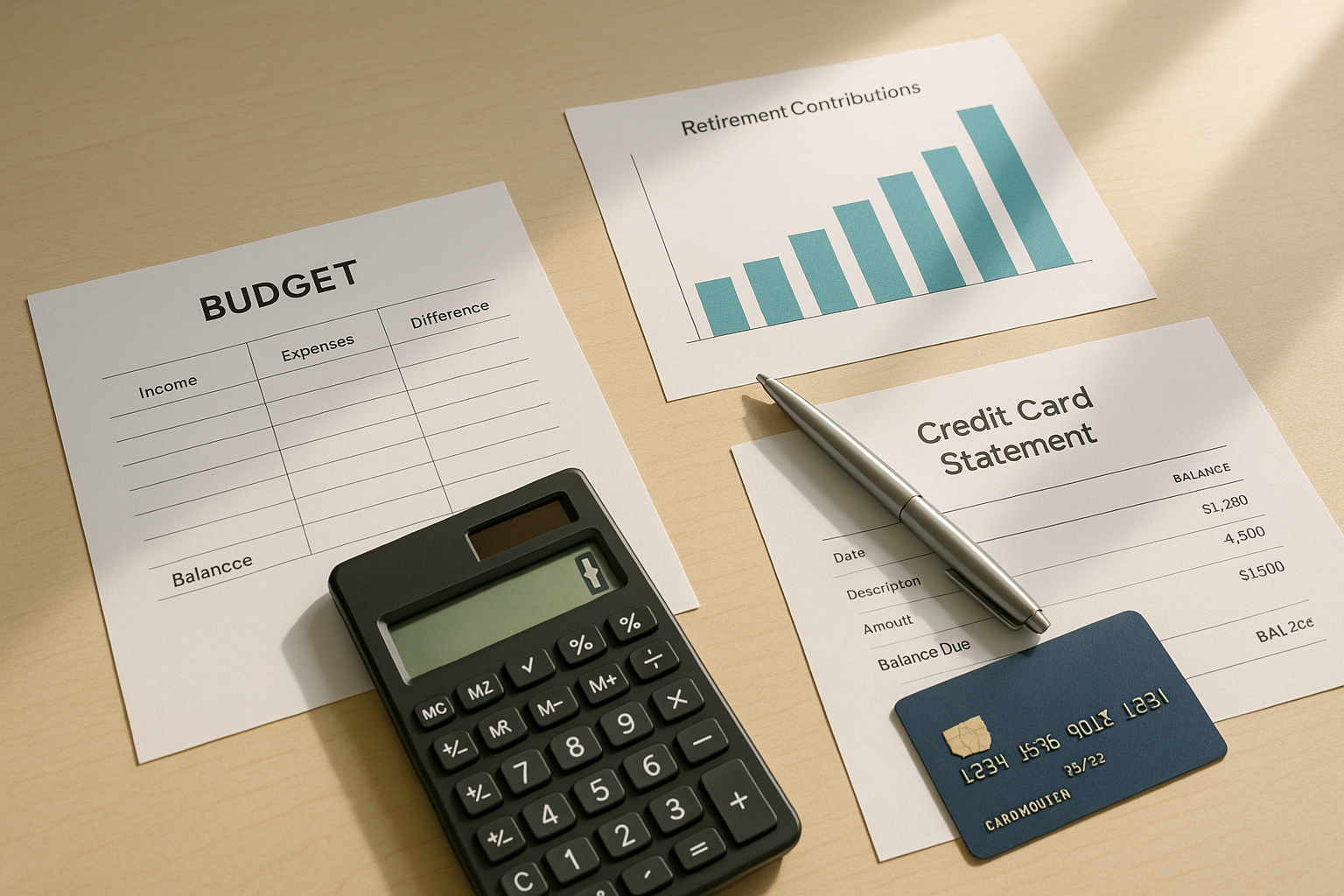
- Build a "Post-Debt" Budget: Before taking the loan, prove to yourself that you can live on your income minus the new 401k loan payment for at least two months. This ensures your lifestyle is compatible with the repayment schedule.
Image Gallery