Pros and Cons of Boston: A Balanced Overview for 2026
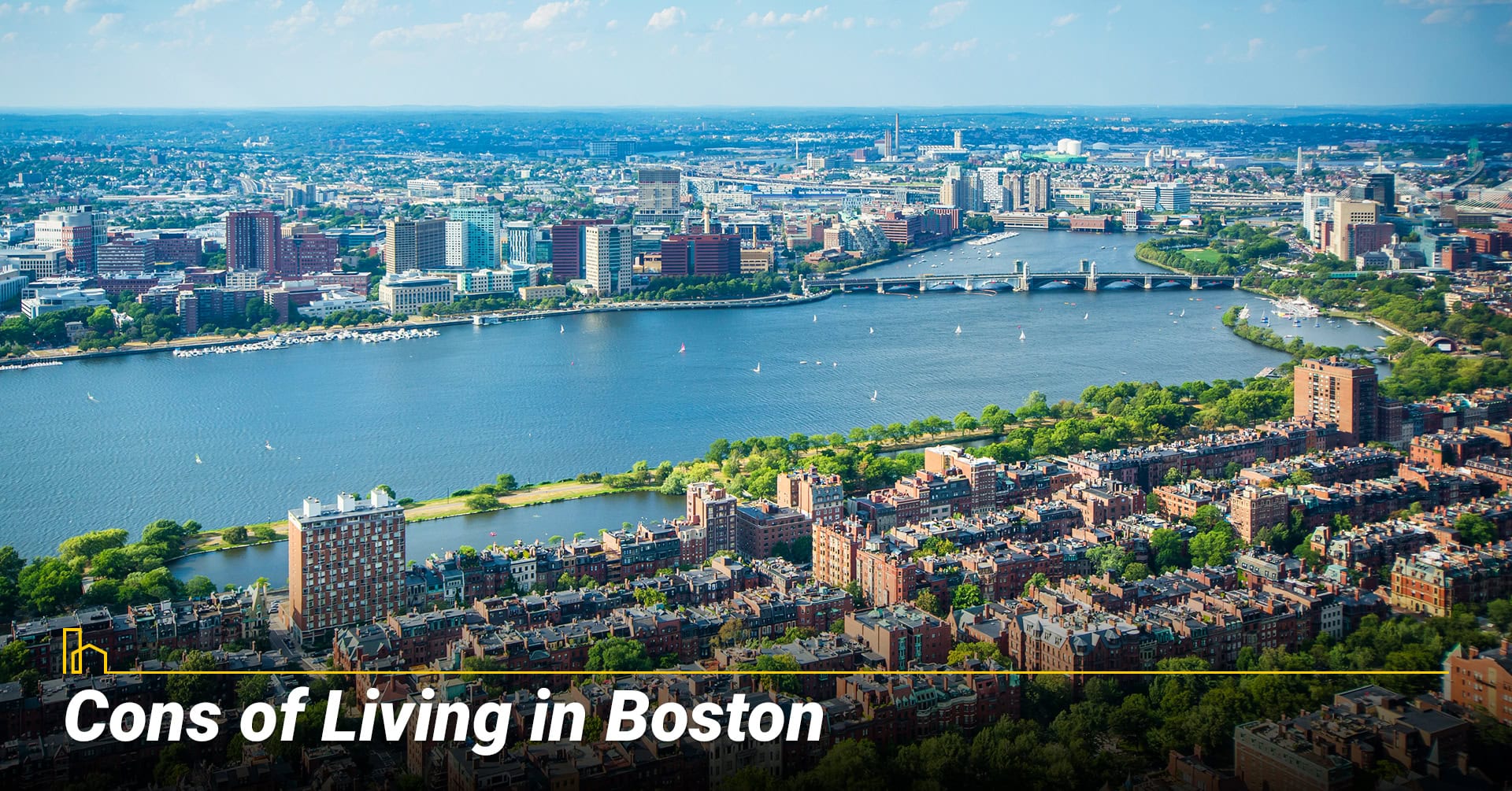
Boston remains one of the most significant metropolitan anchors in the United States, serving as a global epicenter for biotechnology, higher education, and American history. While the city offers unparalleled career opportunities and...
Boston remains one of the most significant metropolitan anchors in the United States, serving as a global epicenter for biotechnology, higher education, and American history. While the city offers unparalleled career opportunities and a walkable, European-style urban layout, it simultaneously presents challenges regarding some of the nation’s highest housing costs and aging public infrastructure.
Contents
The Intellectual and Economic Landscape of Boston
As of 2026, Boston’s economy continues to be driven by its "knowledge-based" sectors. The city is not merely a collection of historic sites but a high-octane engine for global innovation.
The Education and Healthcare Nexus
Boston is often referred to as the "Athens of America" due to its dense concentration of colleges and universities. With over 30 institutions in the immediate metro area—including Harvard, MIT, Northeastern, and Boston University—the city maintains a permanent population of students and academics. This creates a unique intellectual energy and a highly skilled workforce that attracts Fortune 500 companies.
The healthcare sector is equally dominant. Organizations such as Mass General Brigham and Beth Israel Lahey Health are not only major employers but also global leaders in medical research. For residents, this means access to some of the finest specialized medical care in the world, though the high demand for these services can sometimes lead to administrative hurdles and high costs for those without premium insurance coverage.
The Biotech and Tech Boom
The Kendall Square area in neighboring Cambridge is widely considered the most innovative square mile on the planet. By 2026, the ripple effect of this biotech boom has fully transformed the Seaport District and parts of Somerville. For professionals in life sciences, robotics, and clean energy, Boston offers a career trajectory that is difficult to match elsewhere. The proximity of venture capital firms and research labs facilitates a "cluster effect" where professional networking happens naturally in coffee shops and shared workspaces.
The Financial Reality: The Cost of Living in 2026
While salaries in Boston are significantly higher than the national average, the cost of living remains a formidable barrier for many. The city consistently ranks among the top three most expensive places to live in the United States, often rivaling New York City and San Francisco.
The Housing Crisis
Housing is the most significant "con" for the region. As of 2026, the median rent for a one-bedroom apartment in desirable neighborhoods like the Back Bay or the Seaport frequently exceeds $3,800 per month. Even in "up-and-coming" areas like East Boston or Dorchester, prices have surged.
The inventory remains limited due to strict zoning laws and the preservation of historic buildings. While new luxury high-rises have added units to the skyline, "middle-market" housing is increasingly scarce. For those looking to buy, the competition is fierce, often requiring significant down payments and the ability to navigate bidding wars that occur within days of a listing hitting the market.
General Expenses and Taxation
Beyond housing, day-to-day expenses in Boston are high.
- Groceries and Dining: Expect to pay a premium for fresh goods and restaurant meals.
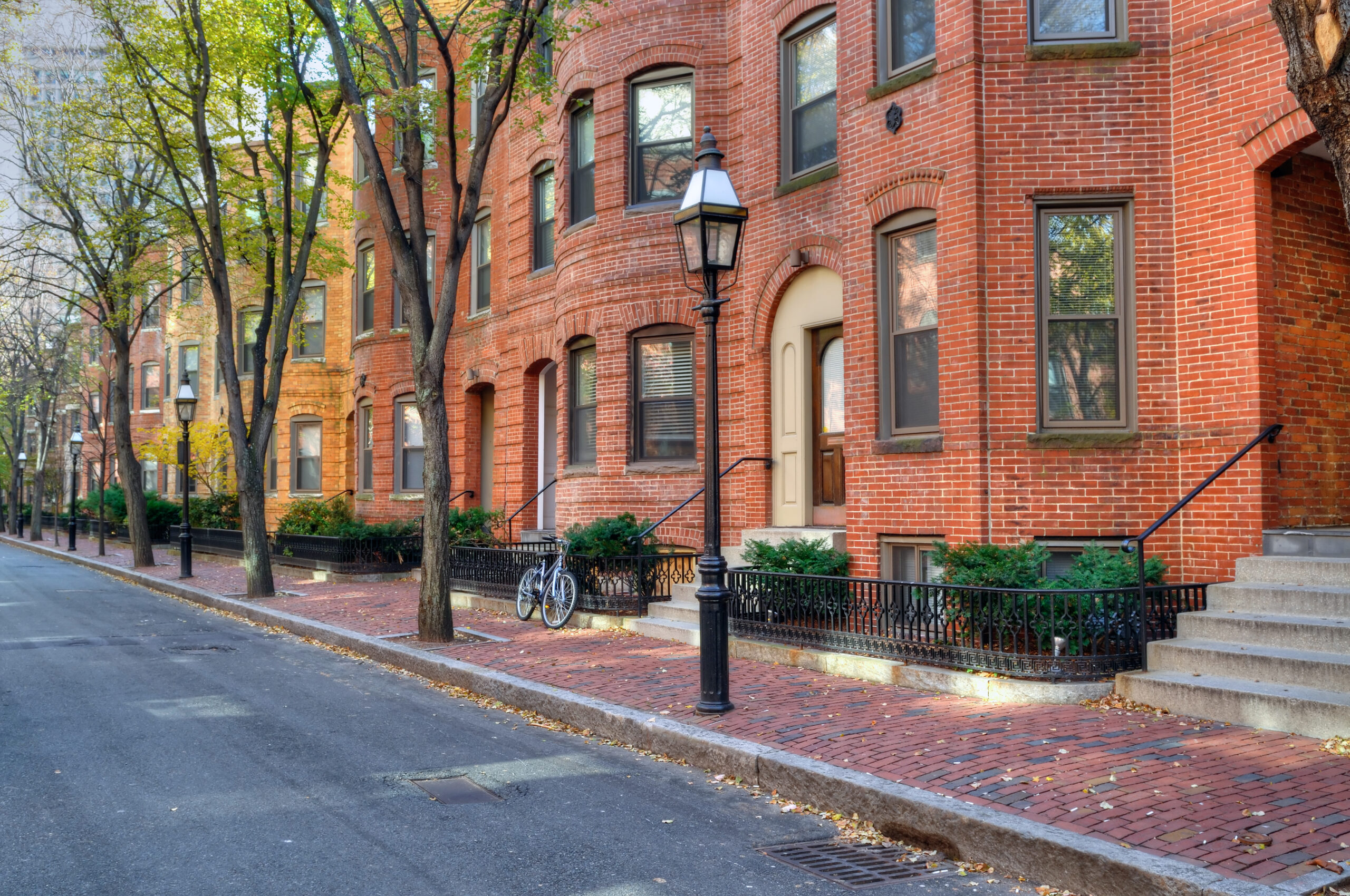
- Utilities: Due to the age of many buildings and the severity of New England winters, heating costs can be substantial, especially in older "triple-deckers" that may lack modern insulation.
- Massachusetts State Tax: The state has a flat income tax (currently around 5%), and while the "Taxachusetts" nickname is less accurate today than in decades past, the cumulative burden of sales tax and excise taxes on vehicles adds up.
Infrastructure and Mobility: The Transit Paradox
Boston is one of the most walkable cities in North America. Its compact size allows residents to traverse multiple neighborhoods on foot, which is a significant "pro" for those seeking an active, urban lifestyle. However, the systems that support this mobility are currently in a state of transition.
The MBTA (The "T")
The Massachusetts Bay Transportation Authority (MBTA) is the oldest subway system in the country. While it provides essential coverage across the city via the Red, Orange, Blue, and Green lines, it has faced significant criticism over the last several years for service delays and maintenance backlogs.
By 2026, several major modernization projects have improved safety, but residents still deal with periodic "slow zones" and weekend shutdowns for track replacement. For those living near a reliable T stop, a car-free lifestyle is entirely possible—and often preferable—but reliance on the system requires a degree of patience.
Traffic and Driving
Driving in Boston is notoriously difficult. The city’s streets were largely built on colonial-era cow paths rather than a logical grid. This leads to confusing intersections, one-way streets, and limited signage. Furthermore, Boston drivers are aggressive, and parking is both scarce and expensive. The "Big Dig" project solved some highway congestion issues decades ago, but the sheer volume of commuters in 2026 means that rush hour starts earlier and ends later than in most mid-sized cities.
Comparative Overview: Boston vs. Peer Cities (2026 Data)
| Metric | Boston, MA | New York City, NY | Washington, D.C. | Austin, TX |
|---|---|---|---|---|
| Primary Industry | Biotech / Education | Finance / Media | Government / Tech | Technology |
| Walkability Score | Very High | Elite | High | Low/Moderate |
| Median 1BR Rent | $3,600 - $4,100 | $4,200 - $5,000 | $2,600 - $3,200 | $1,900 - $2,400 |
| Public Transit | Extensive (Aging) | Comprehensive | Reliable | Limited |
| Climate | Four distinct seasons | Four distinct seasons | Humid Subtropical | Hot Semi-Arid |
| Air Quality | Good | Moderate | Moderate | Moderate |
Culture, Community, and the "Boston Cold"
The social atmosphere in Boston is distinct from the West Coast or the South. There is a cultural emphasis on education, sports, and historical heritage.
The Social Dynamics
There is a common trope known as the "Boston Cold"—the idea that New Englanders are initially standoffish or difficult to befriend. While residents are generally less prone to "small talk" than those in the Midwest, the community is deeply loyal once a connection is made. The city is a collection of tight-knit neighborhoods, each with its own identity, from the Italian heritage of the North End to the Irish roots of South Boston.
Sports and Recreation
For sports fans, Boston is unparalleled. The cultural identity of the city is inextricably linked to the Red Sox (MLB), Celtics (NBA), Bruins (NHL), and Patriots (NFL). A championship parade through the streets of downtown is a semi-regular occurrence. For outdoor enthusiasts, the city offers the Esplanade along the Charles River and the Emerald Necklace, a chain of parks designed by Frederick Law Olmsted. Additionally, the proximity to the beaches of Cape Cod and the mountains of New Hampshire and Vermont provides excellent weekend getaways.
Safety and Quality of Life
Boston remains one of the safest major cities in the United States. While no urban area is free of crime, Boston’s violent crime rates are lower than those of many other cities of its size. The heavy presence of students and professionals contributes to a sense of security in most central neighborhoods.
Environmental Factors
The weather is a major consideration. Boston winters are long, dark, and frequently snowy. The wind whipping off the Atlantic can make the "feels like" temperature significantly lower than the actual reading. Conversely, the autumn in Boston is world-renowned for its foliage and crisp air, and the summers, while humid, are generally manageable compared to the American South.
One emerging concern in 2026 is sea-level rise. As a coastal city, Boston has begun investing heavily in "climate resilience" infrastructure, particularly in the Seaport and East Boston, to protect against storm surges and flooding.
Frequently Asked Questions
Is it necessary to have a car in Boston in 2026?
No, a car is not necessary if you live and work within the city limits or near a T station. In fact, owning a car can be a liability due to high insurance rates, difficult street cleaning regulations, and the cost of private parking spots, which can exceed $400 per month. Most residents rely on a combination of the MBTA, biking (via Bluebikes), and rideshare services.
How is the job market for non-tech industries?
While biotech and tech dominate the headlines, Boston has a robust economy in finance (Fidelity Investments, State Street), insurance (Liberty Mutual), and professional services. The presence of so many universities also means a constant demand for administrative, legal, and operational staff.
Are the public schools in Boston good?
The Boston Public Schools (BPS) system is a mixed bag. While some "exam schools" like Boston Latin are among the best in the country, other neighborhood schools struggle with funding and performance issues. Many families move to suburbs like Brookline, Newton, or Lexington specifically for the top-tier public school systems, which are consistently ranked #1 in the nation.
What is the "triple-decker" living experience?
A triple-decker is a three-story wooden frame house common in New England. Living in one usually means having a spacious layout with character (hardwood floors, built-in hutches), but it also comes with "old house" problems like drafty windows, thin walls between neighbors, and shared basement laundry. It is the quintessential Boston living experience.
Is Boston a diverse city?
Boston has become significantly more diverse over the last two decades. While it was historically known for its Irish and Italian enclaves, it now boasts large Brazilian, Haitian, Chinese, and Vietnamese populations. This diversity is most visible in the city's culinary scene and cultural festivals in neighborhoods like Dorchester, Quincy, and Roxbury.
Final Recommendation: Is Boston Right for You?
Choosing to move to or stay in Boston depends almost entirely on your career goals and financial flexibility. If you are a professional in the sciences, healthcare, or academia, the city offers a "top-of-class" environment that can accelerate your career in ways few other places can. You will enjoy a highly walkable city, rich historical context, and elite cultural amenities.
However, if you are sensitive to high costs or dislike cold climates, the "cons" may outweigh the "pros." To succeed in Boston in 2026, one must either have a high household income or be willing to compromise significantly on living space and commute times. For those who can bridge the financial gap, Boston remains a vibrant, world-class city that balances its colonial past with a high-tech future.
Image Gallery