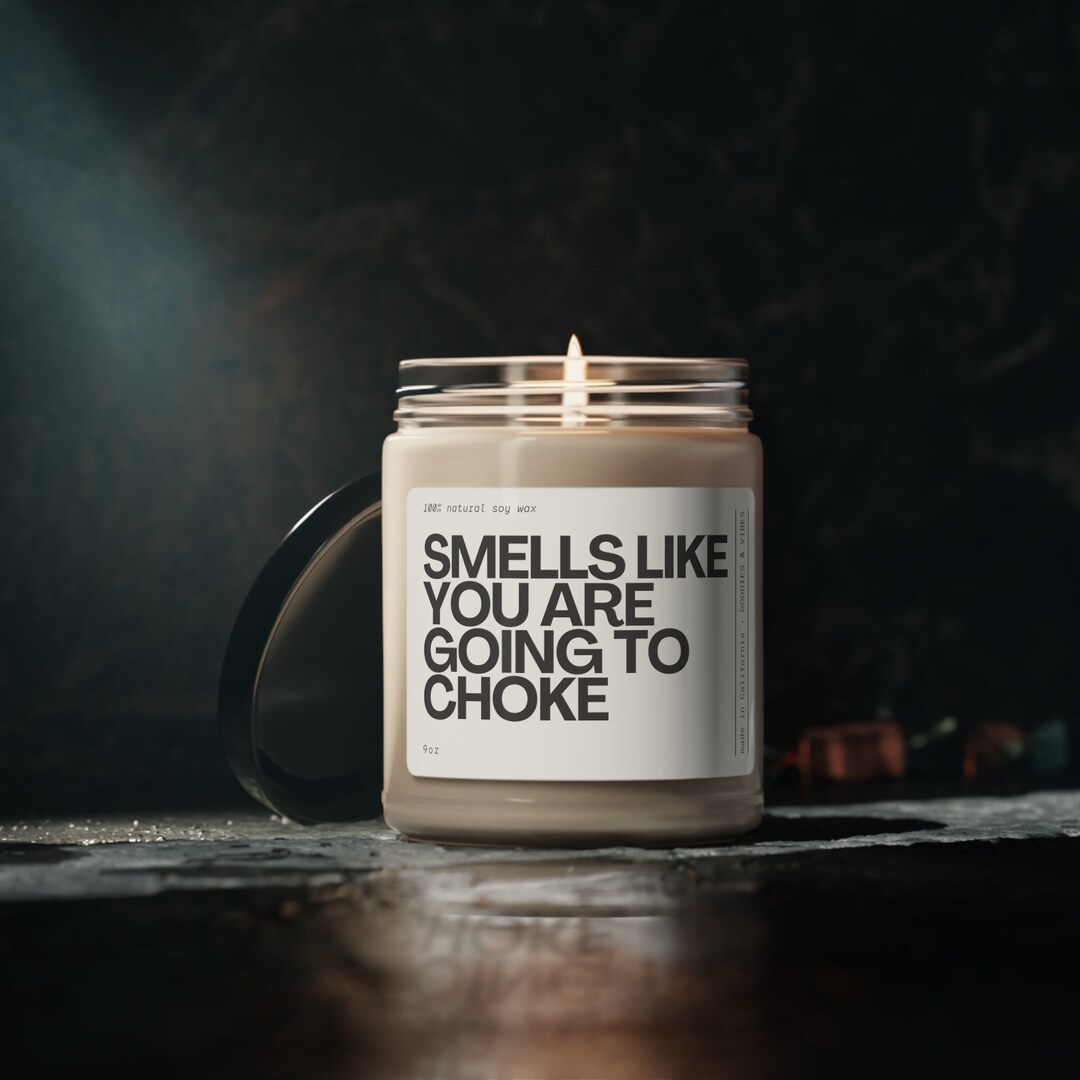
Why You Are Going to Choke Love Is Blind: The Psychological and Social Grip of Reality TV
The visceral reaction often described as "choking" while watching Love Is Blind stems from a complex intersection of secondhand embarrassment, high-stakes emotional investment, and the psychological pressure of the show’s "accelerated...
The visceral reaction often described as "choking" while watching Love Is Blind stems from a complex intersection of secondhand embarrassment, high-stakes emotional investment, and the psychological pressure of the show’s "accelerated intimacy" model. Viewers experience a physical response to the jarring contrast between the contestants' idealized pod connections and their volatile real-world confrontations.
Contents
The "Choke" Factor: Defining the Physical Reaction to Reality TV
To "choke" on a piece of media like Love Is Blind is to be overwhelmed by its intensity. As we move through 2026, the series has refined its ability to trigger these specific physiological responses. It is not merely about watching a dating show; it is about the "cringe" factor—a psychological phenomenon where we feel a vicarious sense of shame or anxiety for others.
The human brain is wired for empathy through mirror neurons. When a contestant on Love Is Blind experiences a devastating rejection at the altar or delivers a speech that feels wildly disconnected from reality, our brains process that social failure as if it were our own. This leads to a tightening in the chest or a literal gasp—the "choke." In 2026, after more than a dozen domestic and international seasons, the show’s production has mastered the art of "tension-building," ensuring that every episode contains at least one moment designed to elicit this specific reaction.
The Pods: Sensory Deprivation and Psychological Pressure
The core of the Love Is Blind experiment—the pods—is a masterclass in psychological manipulation. By removing physical sight, the show forces participants into a state of sensory deprivation regarding their partner’s appearance. This creates a vacuum that the brain fills with idealized projections.
The Phenomenon of "Limerence"
In the pods, contestants often fall into a state of limerence, an involuntary state of intense romantic desire. Because they cannot see the other person, they do not have to deal with the mundane physical frictions of daily life. This leads to "soulmate" declarations within 72 hours. For the viewer, watching someone pledge their life to a voice behind a wall is the first "choke" point. We recognize the irrationality that the participant cannot see, creating a cognitive dissonance that is both addictive and frustrating.
The Pressure of the Timeline
The experiment operates on a rigid, truncated timeline. In 2026, the pacing remains as aggressive as it was in the inaugural season. Participants have roughly four weeks to go from meeting a stranger to a legal marriage. This artificial deadline creates a "pressure cooker" environment. When people are forced to make life-altering decisions under duress, they often "choke" in the traditional sense—failing to perform or communicate effectively when it matters most.
The Fast-Track Engagement: Why Our Brains Struggle with the Pace
One of the primary reasons you are going to "choke" while watching is the sheer speed of the emotional transitions. Most viewers require months or years to reach the milestones that Love Is Blind contestants hit in days.
When the show moves from the pods to the "reveal," the sudden reintroduction of physical reality often shatters the carefully constructed emotional bond. This "Reveal Shock" is a staple of the series. The viewer watches the micro-expressions of the contestants as they see their partner for the first time; any sign of hesitation or disappointment is magnified by the camera. The "choke" here is the feeling of impending doom as we realize that the "blind" love may not survive the "sight" test.
The Social Media Echo Chamber: Why We Can't Look Away
By 2026, the experience of watching Love Is Blind has become a global, synchronized social event. The "choke" is no longer a private reaction; it is a collective one. Platforms like X (formerly Twitter) and TikTok become repositories for "cringe" clips and deep-dive analyses of contestant behavior.
The show is edited to facilitate this. Producers identify "villains" and "victims" early on, utilizing specific editing techniques to highlight inconsistencies in behavior. This social scrutiny adds another layer of pressure. Viewers aren't just watching a wedding; they are watching a person potentially ruin their reputation in front of millions. The stakes are no longer just romantic; they are professional and social.
Comparative Dynamics: Evolution of the "Choke" Across Seasons
As the show has progressed into 2026, the "types" of emotional failure have evolved. Early seasons featured genuine shock, whereas later seasons often feature participants who are hyper-aware of their "edit."
| Season Phase | Primary Source of Tension | The "Choke" Trigger | Viewer Sentiment |
|---|---|---|---|
| The Pods | Forced Vulnerability | Premature "I Love You" | Skepticism & Hope |
| The Retreat | Physical Compatibility | The "Initial Disappointment" | Cringe & Curiosity |
| Real World | Lifestyle Integration | Meeting the Parents/Exes | Anxiety & Judgment |
| The Altar | Legal Finality | The "I Don't" Rejection | Pure Shock/Catharsis |
Common Pitfalls: Why 2026 Contestants Still Fail
Despite having years of previous seasons to study, contestants in 2026 continue to fall into the same traps. Understanding these pitfalls helps explain why the show remains a "choke-inducing" spectacle.
- Over-Correction: Contestants often try to act the opposite of a previous season's villain, leading to an "inauthentic" persona that eventually cracks under the pressure of 24/7 filming.
- The "Influencer" Intent: A recurring issue is the participant who is there for "clout" rather than love. When their true intentions are revealed, the resulting confrontation is a peak "choke" moment for the audience.
- Ignoring Red Flags: In the pods, red flags are often heard but ignored because the participant is "in love with the soul." When these flags manifest physically in the real world, the collision is inevitable.
The Altar: The Ultimate Test of Performance
The finale of every Love Is Blind season is the ultimate "choke" point. Standing at the altar in front of family, friends, and a camera crew, the participants must answer the ultimate question. In the context of performance psychology, to "choke" is to fail to execute a task because of the pressure.
For many, the pressure of the wedding is too much. We have seen participants who seemed 100% committed walk away at the last second. This is the moment where the "Love Is Blind" theory is most rigorously tested. Does the emotional bond formed in isolation outweigh the societal and physical pressures of the real world? Usually, the answer is no, and that failure is what keeps the audience coming back.
Recommendations for Navigating the 2026 Season
To enjoy Love Is Blind without being entirely overwhelmed by the "choke" factor, it is helpful to maintain a degree of analytical distance. Recognise that while the emotions are real, the environment is manufactured.
- Watch for the Edit: Pay attention to how music and cutaway shots influence your perception of a contestant.
- Discuss in Real-Time: Engaging with a community can help process the "cringe" and make the "choking" moments more of a shared comedic experience than a solitary stressful one.
- Look for the Micro-Expressions: The most honest moments often happen in the seconds after a major declaration, where a contestant's face reveals their true hesitation.
FAQ
Why does Love Is Blind make me feel so uncomfortable? This is known as vicarious embarrassment or "cringe." It happens because our brains are social organs; when we see someone else violate social norms or experience public rejection, we feel a shadow of that pain ourselves. The show is designed to maximize these moments.
Is Love Is Blind scripted? While the contestants are not given scripts, the environment is highly controlled. Producers use "story beats" to guide conversations and "franken-biting" (editing together different sentences) to create specific narratives. This enhances the drama and leads to more "choke" moments.
How long do the couples have to decide? Typically, the entire process from the first pod date to the wedding ceremony takes about four to six weeks. This rapid timeline is intended to bypass the "honeymoon phase" and force couples into high-stakes conflict quickly.
Why do people still go on the show if the success rate is low? By 2026, many participants are motivated by the potential for a social media career. However, a significant number still go on for the "experiment," hoping to find a connection that transcends physical appearance, despite the high risk of public heartbreak.
What is the "Reveal Shock" mentioned in the article? "Reveal Shock" is the immediate physical and emotional reaction a contestant has when they see their partner for the first time. Even if they love the person's "soul," a lack of physical chemistry can cause an immediate internal panic, which often translates to the viewer as a "choke" moment.
How can I find more information on the psychological effects of reality TV? Organizations like the American Psychological Association (APA) often publish studies on media psychology and the impact of reality television on viewer empathy and social perception. You can also find production insights on sites like Variety or The Hollywood Reporter.
As the 2026 television season continues, Love Is Blind remains the gold standard for "must-watch" trainwreck television. Whether it’s the psychological pressure of the pods or the brutal honesty of the altar, you are almost certainly going to "choke"—and that is exactly why you’ll keep watching.
Image Gallery