Examples of Environmental Activism in the US: From Conservation to Climate Justice
Environmental activism in the U.S. encompasses a wide range of actions—from legal challenges and lobbying for federal legislation like the Clean Air Act to grassroots protests such as the Standing Rock demonstrations. These efforts aim...
Environmental activism in the U.S. encompasses a wide range of actions—from legal challenges and lobbying for federal legislation like the Clean Air Act to grassroots protests such as the Standing Rock demonstrations. These efforts aim to protect natural resources, ensure public health, and address climate change through policy reform, litigation, and community mobilization.
Contents
Since the late 19th century, the United States has served as a primary battleground for environmental protection. What began as a movement to preserve "pristine" wilderness has evolved into a sophisticated, multi-faceted network of organizations and individuals fighting for everything from local water quality to global atmospheric stability. As of 2026, the landscape of activism continues to shift, integrating advanced technology and legal theories to hold both government and corporate entities accountable.
The Historical Foundations: Conservation vs. Preservation
Early examples of environmental activism in the U.S. were often defined by two competing philosophies: conservation and preservation. This tension laid the groundwork for how Americans interact with the natural world today.
John Muir and the Preservationist Movement John Muir, the founder of the Sierra Club, was a pioneer of the preservationist philosophy. His activism was rooted in the belief that nature possesses intrinsic value and should be protected from any form of industrial development. His most famous campaign involved the battle to save the Hetch Hetchy Valley in California from being dammed. While Muir ultimately lost that specific fight, his efforts catalyzed the creation of the National Park Service (NPS) in 1916, ensuring that millions of acres of land would remain "unimpaired" for future generations.
Gifford Pinchot and Conservationism Conversely, Gifford Pinchot, the first head of the U.S. Forest Service, championed conservation. His approach was more utilitarian, advocating for the "wise use" of natural resources to provide the greatest good for the greatest number of people over the longest time. This tension between total protection and managed use remains a core theme in modern activism, particularly regarding logging on public lands and the management of water rights in the American West.
The Birth of Modern Environmentalism: 1960–1970
The 1960s marked a radical shift in environmental activism, moving from land preservation to public health and pollution control. This era was defined by a transition from elite-led organizations to mass-participation movements.
Rachel Carson’s Silent Spring Published in 1962, Silent Spring is perhaps the most significant example of intellectual activism in American history. Carson meticulously documented the detrimental effects of indiscriminate pesticide use, specifically DDT, on bird populations and human health. Her work faced fierce pushback from the chemical industry, yet it successfully shifted public consciousness. This activism directly led to a nationwide ban on DDT for agricultural purposes and was a primary catalyst for the creation of the U.S. Environmental Protection Agency (EPA) in 1970.
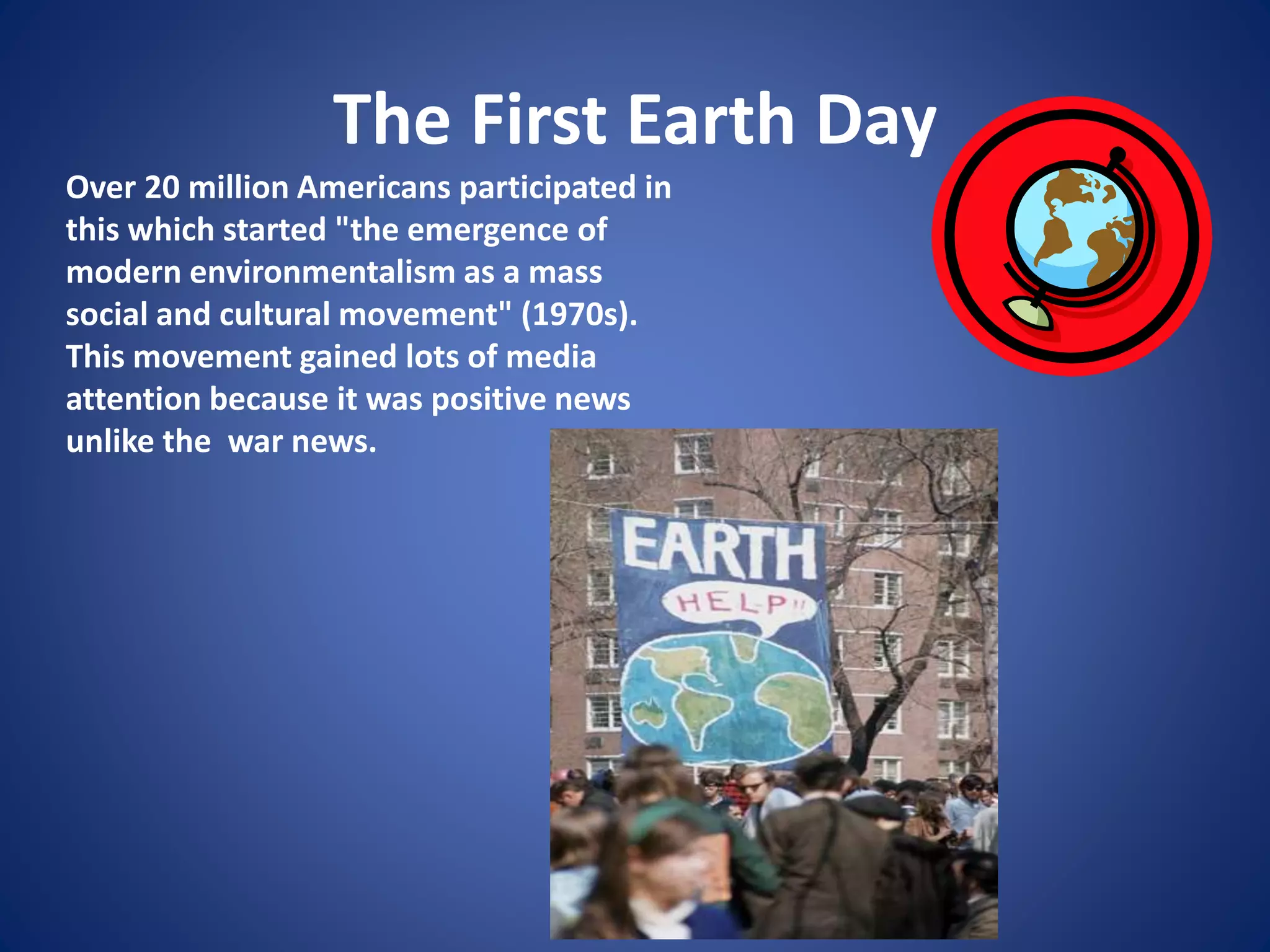
The First Earth Day (1970) On April 22, 1970, an estimated 20 million Americans took to the streets, parks, and auditoriums to demonstrate for a healthy, sustainable environment. Organized by Senator Gaylord Nelson and activist Denis Hayes, this event remains one of the largest single-day protests in human history. It bridged the gap between different social movements, bringing together students, labor unions, and urban dwellers. The political pressure generated by Earth Day forced the hand of the federal government, resulting in the passage of the Clean Air Act, the Clean Water Act, and the Endangered Species Act within just a few years.
Grassroots Activism and the Environmental Justice Movement
In the late 20th century, a new form of activism emerged that focused on the disproportionate burden of pollution on marginalized communities. This movement, known as Environmental Justice (EJ), argues that environmental protection is a civil right.
Love Canal and the Fight for Accountability In 1978, Lois Gibbs, a mother in Niagara Falls, New York, discovered that her neighborhood, Love Canal, was built atop 21,000 tons of toxic industrial waste. When children began suffering from unexplained illnesses and birth defects, Gibbs organized the Love Canal Homeowners Association. Their aggressive grassroots activism—which included taking EPA officials hostage to demand action—forced the federal government to evacuate hundreds of families. This victory led to the creation of the Comprehensive Environmental Response, Compensation, and Liability Act (CERCLA), commonly known as the Superfund program, which holds polluters liable for cleanup costs.
The Birth of Environmental Justice in Warren County In 1982, the state of North Carolina decided to host a hazardous waste landfill in Warren County, a predominantly Black and poor community. Residents and civil rights leaders engaged in six weeks of non-violent protests, including laying down in front of trucks carrying PCB-contaminated soil. While the landfill was eventually built, the Warren County protests are credited with launching the national environmental justice movement. It forced a realization that environmental "bads"—such as landfills, power plants, and chemical facilities—are systematically placed in communities with the least political power.
Modern Direct Action and Indigenous Sovereignty
As we move through the 2020s toward 2026, activism has become increasingly focused on the fossil fuel infrastructure that drives climate change. These movements often intersect with Indigenous rights and sovereignty.
The Standing Rock Resistance (NoDAPL) The 2016–2017 protests against the Dakota Access Pipeline (DAPL) represent a landmark in modern environmental activism. Led by the Standing Rock Sioux Tribe, the movement sought to protect the tribe’s water supply and sacred sites. Thousands of "water protectors" from across the globe joined the camps in North Dakota. Although the pipeline was ultimately completed, the activism at Standing Rock permanently changed the conversation around Indigenous consultation and the environmental risks of crude oil infrastructure. It also popularized the divestment movement, encouraging individuals and institutions to pull their money from banks that fund pipeline projects.
The Line 3 and Mountain Valley Pipeline Protests Similar to Standing Rock, more recent activism against Enbridge’s Line 3 in Minnesota and the Mountain Valley Pipeline in Appalachia has utilized direct action. Activists have used "tree sits," lock-ons, and legal interventions to delay construction. These campaigns are no longer just about local land use; they are framed as essential "carbon bombs" that must be stopped to meet global climate targets established under the Paris Agreement.
Legal and Institutional Activism in the 2020s
Not all activism takes place in the streets. Some of the most impactful work occurs in courtrooms and corporate boardrooms.
Our Children’s Trust and Climate Litigation The landmark case Juliana v. United States, filed by the non-profit law firm Our Children’s Trust, argues that the federal government has violated the constitutional rights of youth by promoting a fossil-fuel-based energy system. While the case has faced numerous procedural hurdles, it has inspired similar lawsuits at the state level. In 2023, youth plaintiffs in Montana won a historic victory in Held v. Montana, where a judge ruled that the state’s failure to consider climate change when approving fossil fuel projects violated the state constitution's guarantee of a "clean and healthful environment."
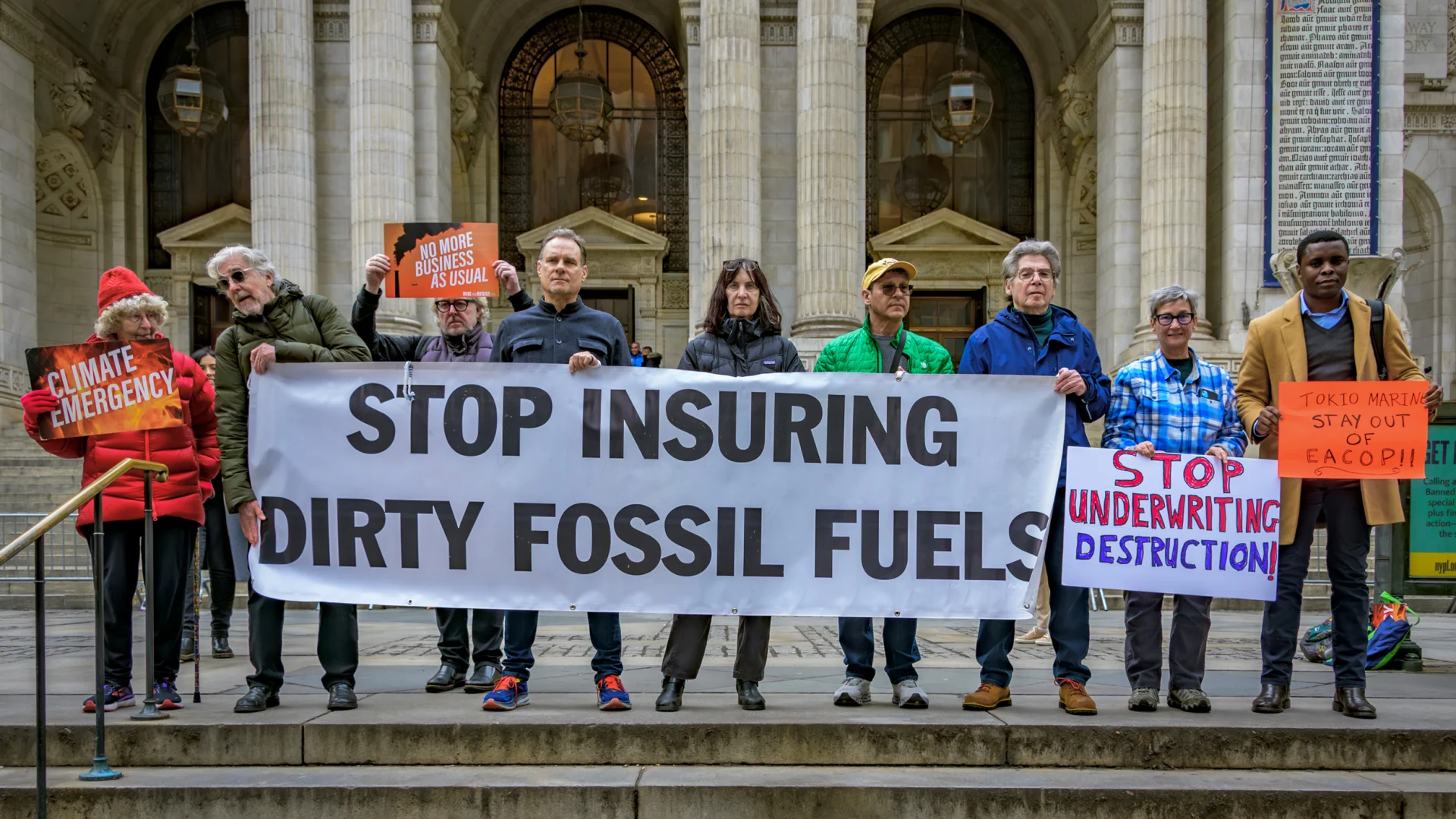
Corporate Accountability and Divestment Institutional activism has shifted toward the financial sector. Organizations like 350.org have led campaigns to convince universities, pension funds, and insurance companies to divest from fossil fuels. By 2026, the cumulative value of institutions committing to some form of divestment has reached trillions of dollars. Additionally, activism now targets the Securities and Exchange Commission (SEC), pushing for mandatory climate risk disclosures to ensure that investors understand the physical and transition risks associated with climate change.
Comparison of Activism Strategies in the US
The following table compares the primary strategies used by environmental activists, highlighting their goals and historical impacts.
| Strategy | Primary Goal | Notable Example | Outcome/Impact |
|---|---|---|---|
| Litigation | Use the court system to enforce or create environmental laws. | Juliana v. United States | Established legal precedents for the "Public Trust Doctrine." |
| Direct Action | Physically obstruct harmful activities or draw massive public attention. | Standing Rock (NoDAPL) | Delayed construction and galvanized global Indigenous solidarity. |
| Lobbying | Influence legislators to pass or defeat specific environmental bills. | Sierra Club / NRDC | Creation of the EPA and the Clean Air/Water Acts. |
| Divestment | Pressure financial institutions to stop funding fossil fuel projects. | 350.org "Go Fossil Free" | Trillions of dollars moved; increased cost of capital for oil/gas. |
| Citizen Science | Collect data to prove environmental harm when agencies fail to act. | Flint Water Crisis activism | Exposed lead contamination and forced federal intervention. |
Digital Activism and the Role of Technology in 2026
In the current year of 2026, technology has fundamentally altered the speed and reach of environmental activism. Satellite imagery, drones, and low-cost air quality sensors allow grassroots groups to monitor corporate compliance in real-time.
- Transparency and Monitoring: Organizations like Global Forest Watch allow activists to track deforestation in near real-time, making it impossible for companies to hide illegal clearing for agriculture or mining.
- Mobilization: Social media platforms remain the primary tool for organizing "flash" protests and rapid-response fundraising. However, there is an increasing focus on "digital security" as activists face more sophisticated surveillance.
- The Rise of AI in Activism: AI tools are now used to analyze thousands of pages of environmental impact statements (EIS) to find flaws or omissions that can be used in legal challenges, leveling the playing field against well-funded corporate legal teams.
Frequently Asked Questions
What is the most successful example of environmental activism in the US?
Success is often measured by legislative impact. The first Earth Day in 1970 is widely considered the most successful event because it directly resulted in the most robust environmental framework in U.S. history, including the creation of the EPA and the passage of the Clean Air and Clean Water Acts. These laws have prevented millions of premature deaths and saved countless species from extinction.
How does environmental justice differ from traditional environmentalism?
Traditional environmentalism historically focused on the protection of wilderness and wildlife (land conservation). Environmental justice focuses on the human environment, specifically how pollution and environmental hazards disproportionately affect low-income communities and people of color. It treats environmental protection as a fundamental civil and human right.
Can individuals participate in environmental activism without joining a protest?
Yes. Effective activism includes "lifestyle activism" (reducing personal carbon footprints), "economic activism" (boycotting polluters or divesting personal portfolios), and "civic activism" (voting, contacting representatives, and participating in public comment periods for local zoning and environmental permits).
What role do Indigenous groups play in modern US activism?
Indigenous groups are often at the forefront of the most high-stakes environmental battles. Because tribal nations hold sovereign rights, they have unique legal standing to challenge federal and state projects. Their activism often centers on the "Seven Generations" principle, which prioritizes long-term ecological health over short-term economic gain.
Are environmental protests in the US legal?
Peaceful protest is protected under the First Amendment of the U.S. Constitution. However, many states have recently passed "critical infrastructure" laws that impose harsh criminal penalties for trespassing or interfering with the construction of pipelines and power plants. Activists must often balance their right to protest with the risk of significant legal consequences.
Next Steps for Aspiring Activists
To move from awareness to action, start by identifying the environmental issues most prevalent in your local community, such as air quality, water access, or urban heat islands. Engaging with established organizations like the Environmental Defense Fund (EDF) or the Sunrise Movement can provide the resources and network needed to make a measurable impact. For those interested in policy, following the daily updates on the Federal Register regarding EPA rule-makings is an essential step in participating in the democratic process of environmental protection.
Image Gallery