Understanding Absolute Mold Remediation Services and Property Care in the UK
Dealing with persistent damp and fungal growth requires specialized professional intervention, making it essential to understand how specialized providers like Absolute Mold Remediation Ltd operate within the UK property maintenance se...
Dealing with persistent damp and fungal growth requires specialized professional intervention, making it essential to understand how specialized providers like Absolute Mold Remediation Ltd operate within the UK property maintenance sector. When fungal infestations take root in residential or commercial buildings, standard cleaning products and DIY sprays rarely solve the underlying structural moisture issues. Professional remediation services focus on identifying root moisture causes, safely removing contaminated materials, applying industrial biocides, and implementing preventive measures to protect occupant health and structural integrity.
Contents
Property owners across the United Kingdom frequently encounter moisture-related property damage due to the country's temperate, maritime climate, which features high relative humidity levels during autumn and winter months. Navigating the landscape of property restoration services involves understanding industry standards, regulatory compliance, testing procedures, and the differences between surface cleaning and deep fungal remediation. This guide examines what property owners should look for when evaluating specialist damp and fungal remediation services, the technical procedures involved in proper eradication, and how to prevent future infestations.
The Scope of Fungal Infestations in UK Properties
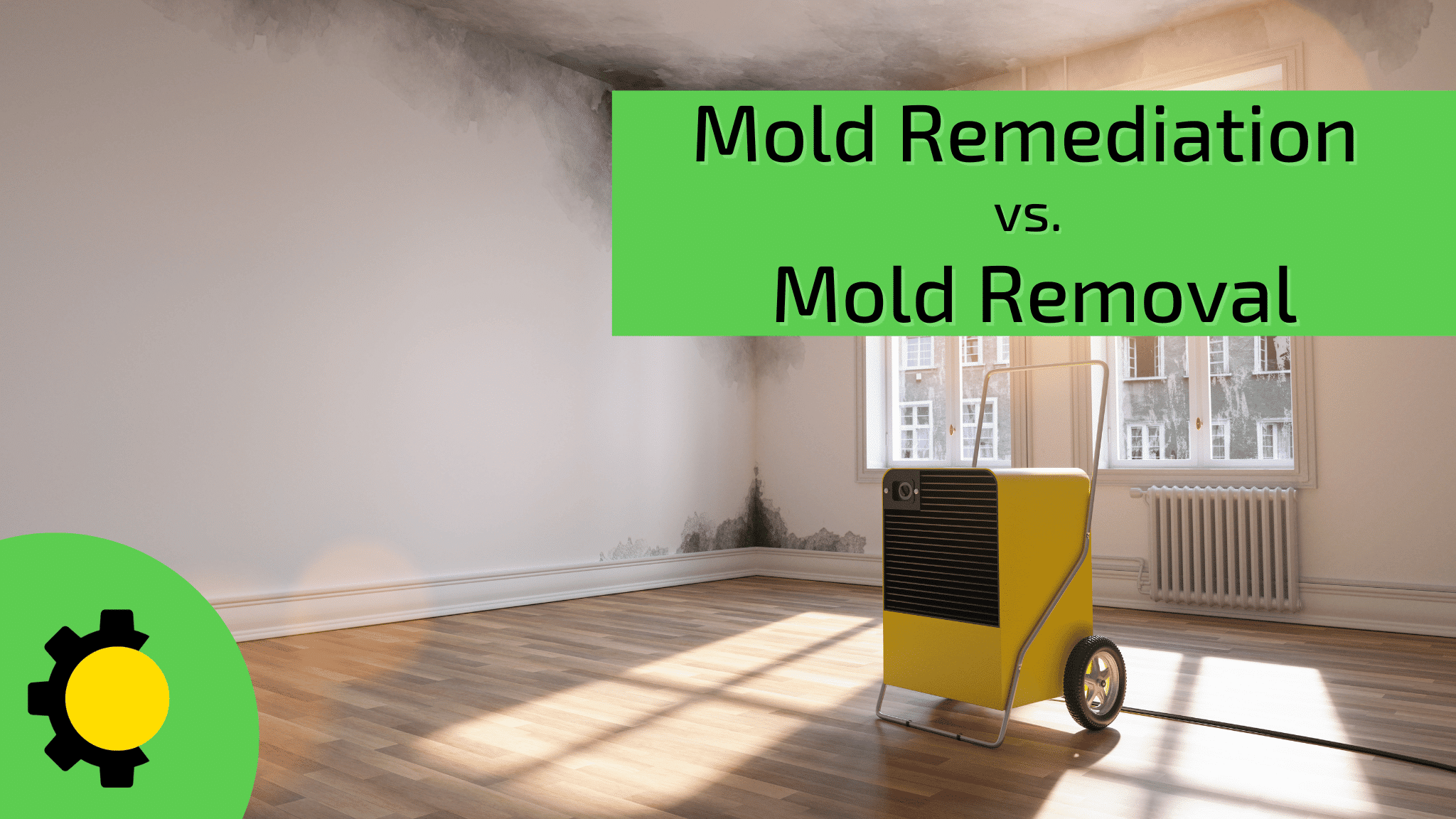
Fungal growth in British buildings is rarely an isolated cosmetic issue; it serves as a primary indicator of uncontrolled moisture, poor ventilation, or structural defects. Properties ranging from Victorian terrace houses with solid walls to modern timber-frame apartments can experience fungal proliferation if relative humidity indoors consistently exceeds 60 to 70 percent. Common triggers include rising damp, penetrating damp from damaged roof tiles or faulty guttering, plumbing leaks, and internal condensation exacerbated by inadequate thermal insulation.
When spores land on organic surfaces such as plasterboard, timber, wallpaper, or soft furnishings in damp conditions, they germinate and spread invisibly through fibrous materials. Species such as Aspergillus, Penicillium, and the more destructive Stachybotrys chartarum (often referred to as black mould) can release millions of microscopic spores into the indoor air. Prolonged exposure to these spores and their mycotoxins is linked to respiratory issues, allergic reactions, and the exacerbation of asthma symptoms, particularly in vulnerable populations such as children and the elderly.
Core Phases of Professional Fungal Remediation
Engaging a professional remediation contractor typically involves a structured, multi-step process designed to eliminate existing colonies and prevent recurrence. Amateur attempts often disturb colonies without containing the work area, causing spores to spread to unaffected rooms and worsening the problem.
- Comprehensive Inspection & Moisture Mapping
- Identifying thermal bridges and cold spots
- Using moisture meters to trace hidden leaks
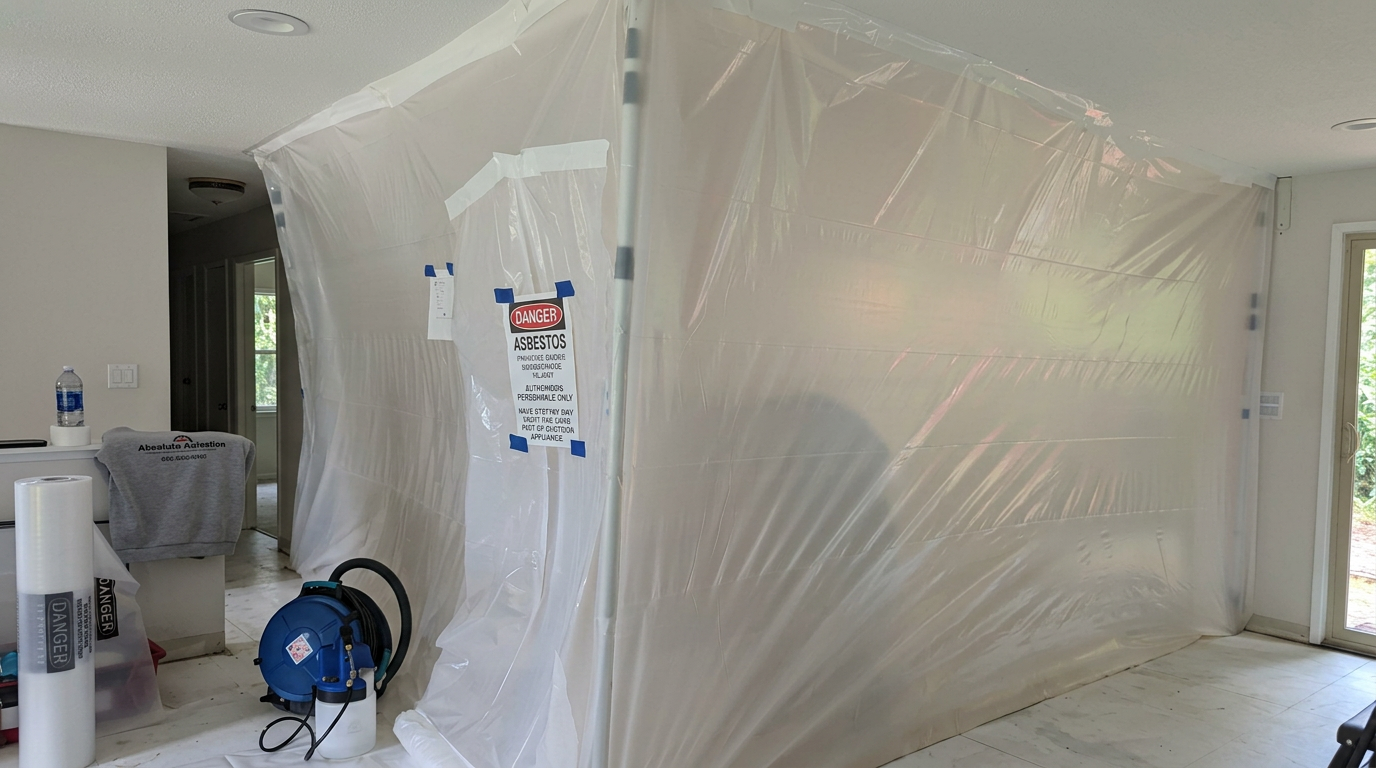
- Containment & Negative Air Pressure
- Sealing off work zones with polythene barriers
- Deploying HEPA-filtered negative air machines
- Safe Removal & Disposal
- Bagging and removing porous contaminated materials
- HEPA vacuuming non-porous structural elements
- Biocide Application & Surface Treatment
- Applying fungicidal washes to kill root systems
- Ensuring proper drying times before restoration
Initial Inspection and Moisture Mapping
A rigorous remediation project begins with a detailed diagnostic survey rather than immediate bleaching. Technicians use thermal imaging cameras, non-invasive moisture meters, and hygrometers to locate the source of water ingress. Without stopping the water source, any remediation work remains entirely temporary.
Containment and Air Filtration
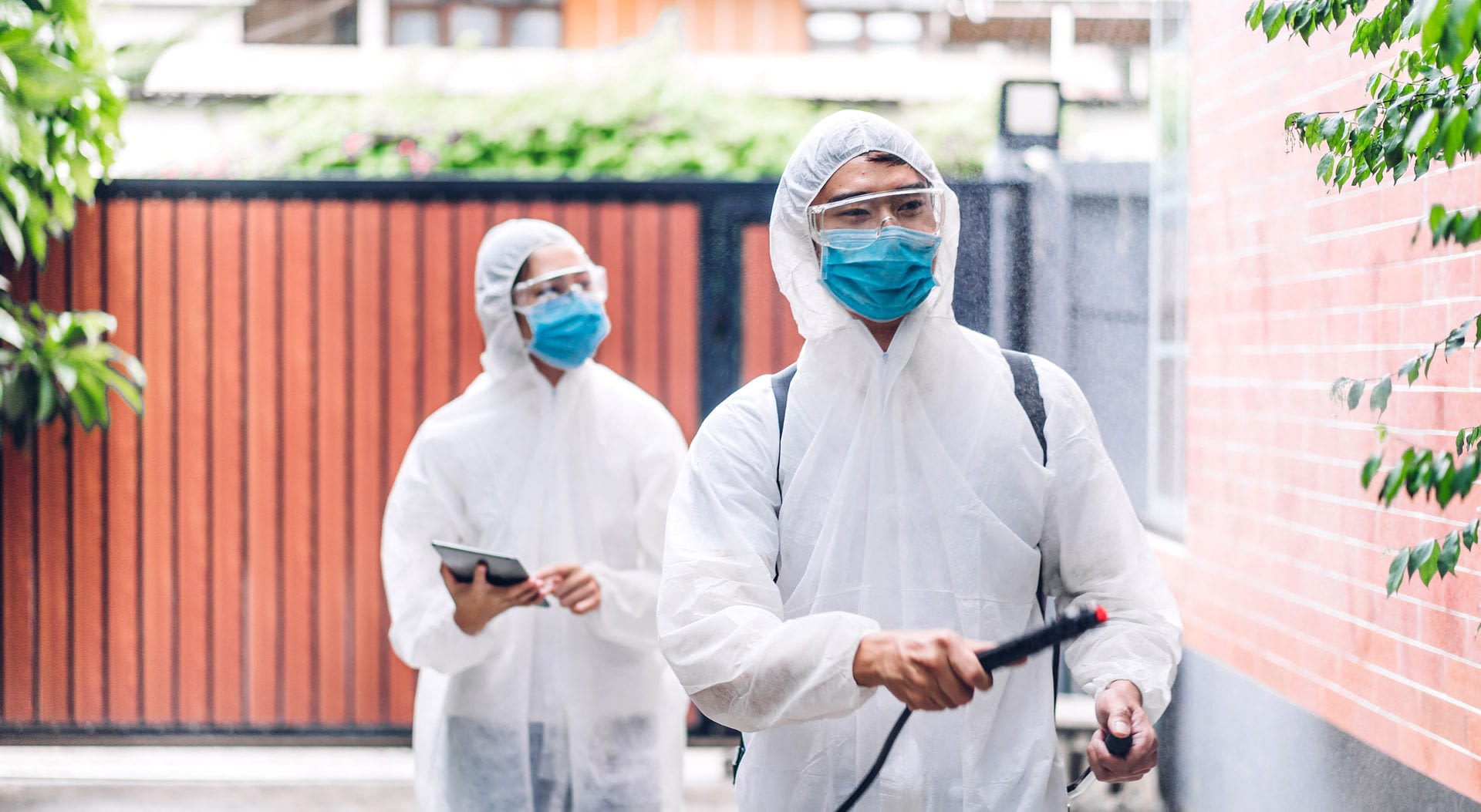
Before physical removal begins, technicians establish strict containment protocols. Plastic barriers and zip doors seal the affected zone from the rest of the property. Industrial air scrubbers equipped with High-Efficiency Particulate Air (HEPA) filters run continuously to capture airborne spores displaced during the cleaning process, preventing cross-contamination of clean living spaces.
Remediation, Cleaning, and Biocide Application
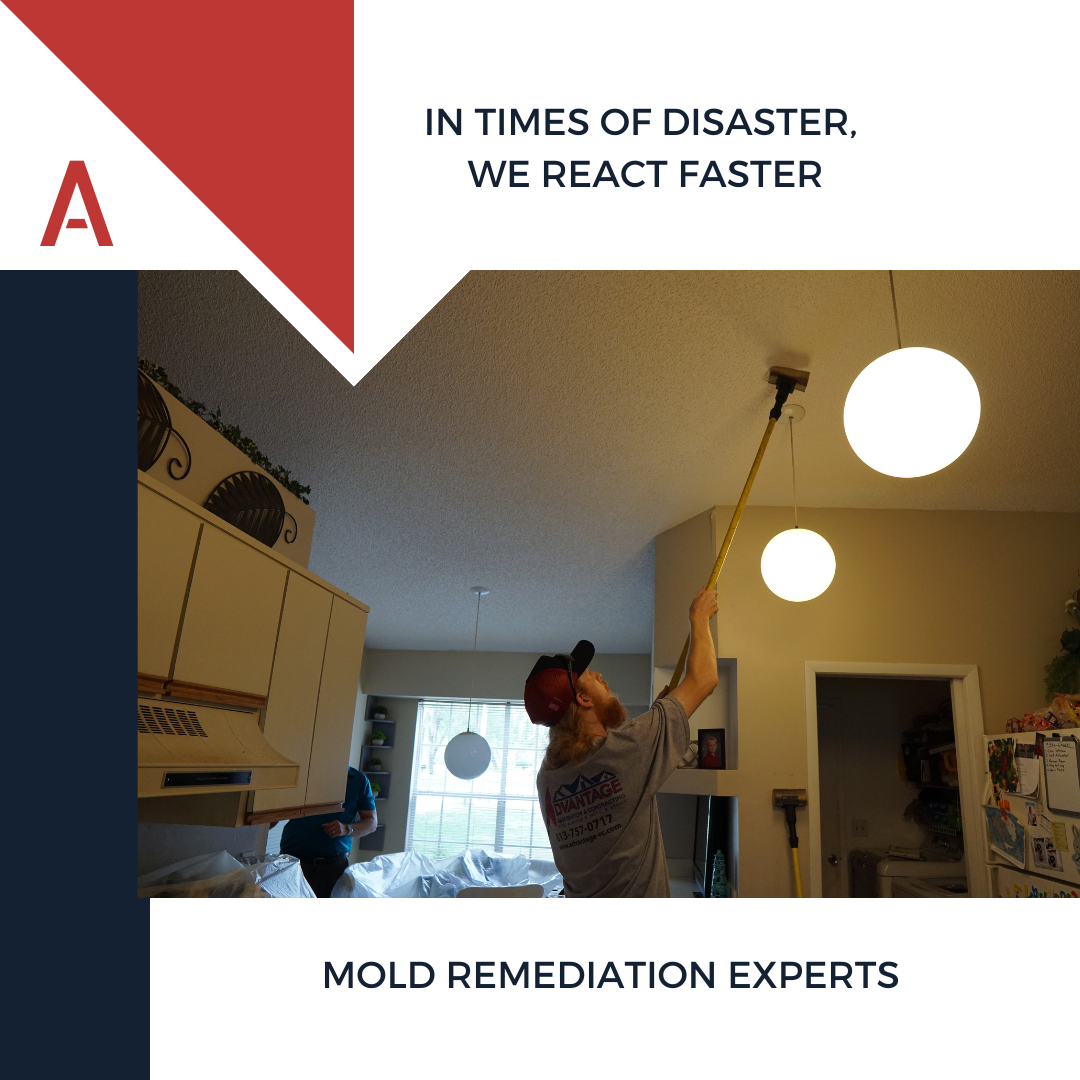
Porous materials heavily infested with mycelium—such as drywall, insulation, and heavily warped timber—must be carefully cut out, bagged, and disposed of according to local waste regulations. Non-porous surfaces, including concrete, metal, and framing lumber, undergo physical cleaning followed by the application of specialized fungicidal treatments designed to penetrate porous substrates and neutralize microscopic roots.
Evaluating Remediation Contractors: What to Look For
Selecting a competent damp and mould specialist requires careful scrutiny of their technical credentials, methodologies, and compliance with British Standards. Because the property maintenance sector features varying levels of expertise, property owners should verify specific qualifications before authorizing work.
- Industry Certifications: Look for technicians holding qualifications from recognized bodies such as the Property Care Association (PCA), which sets standards for structural waterproofing and dampness in buildings.
- Comprehensive Diagnostics: A reputable firm provides a written report detailing moisture readings, root causes, and a step-by-step remediation plan rather than offering generic, over-the-phone estimates.
- Waste Disposal Compliance: Professional contractors adhere to Environmental Agency guidelines regarding the safe bagging and legal disposal of bio-hazardous building waste.
- Clear Guarantees: Established remediation providers offer warranties or guarantees on their damp-proofing and fungal treatment works, provided the property owner maintains recommended ventilation levels.
Comparative Overview of Fungal Management Approaches
Understanding how professional remediation compares to standard domestic cleaning helps property owners allocate resources effectively.
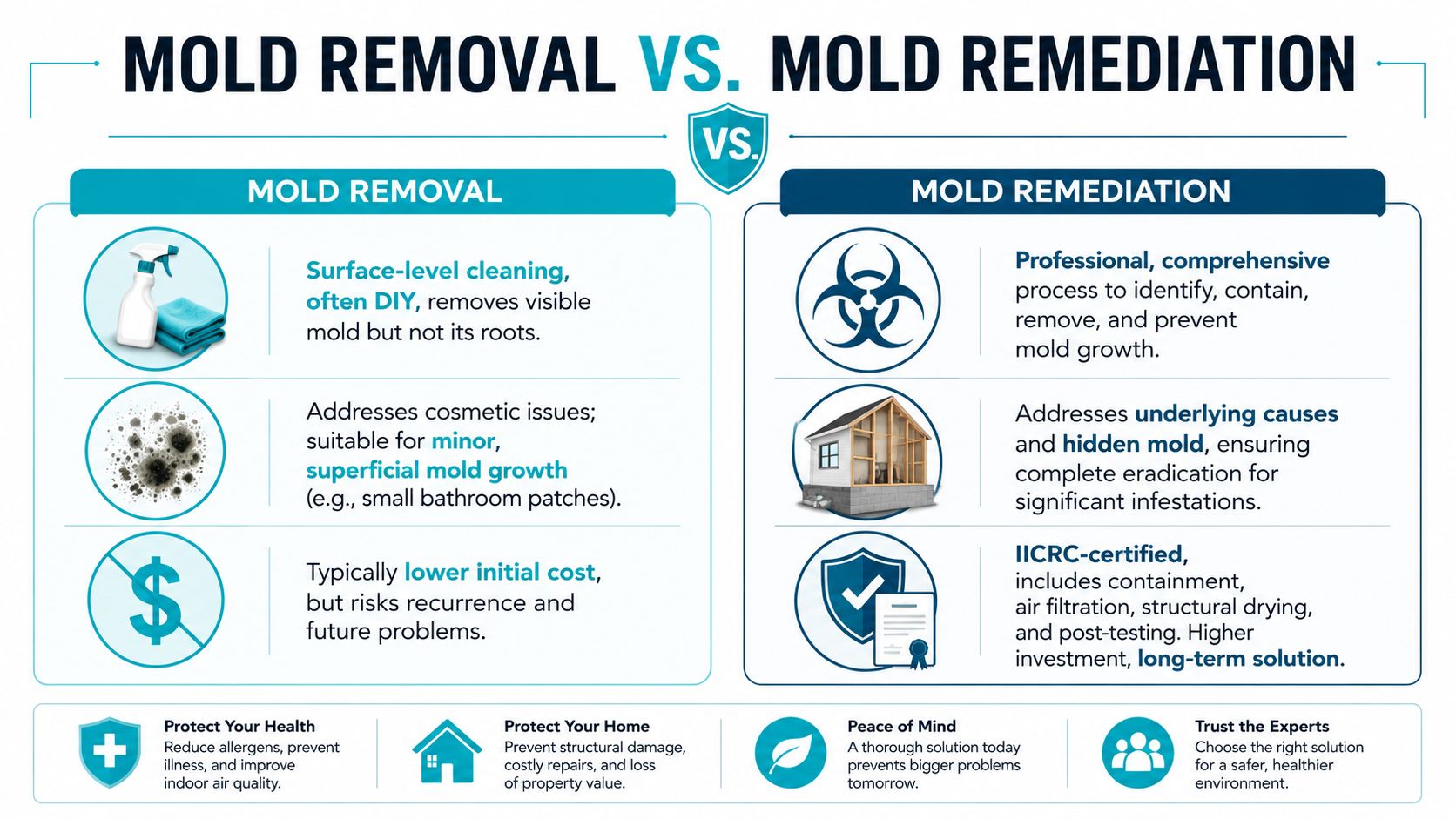
| Approach | Primary Focus | Equipment Used | Effectiveness Against Root Causes | Long-Term Prevention |
|---|---|---|---|---|
| DIY Surface Cleaning | Aesthetic removal of visible staining on surfaces | Household bleach, vinegar, basic scrubbing brushes | Low (kills surface growth, leaves mycelium intact) | Poor (does not address underlying moisture) |
| Standard Handyman Service | Painting over affected areas or basic washing | Anti-mould paints, fungicidal sprays | Moderate (masks symptoms temporarily) | Fair (depends on whether ventilation is added) |
| Professional Remediation | Complete eradication, containment, and moisture control | HEPA air scrubbers, thermal imagers, industrial biocides | High (removes contaminated material and roots) | Excellent (identifies and fixes source leaks/ventilation) |
Preventing Post-Remediation Recurrence
Once professional remediation is complete, maintaining a dry indoor environment is the single most important factor in preventing the return of fungal growth. Property owners must manage indoor humidity through a combination of behavioural changes and mechanical ventilation upgrades.
Installing continuous mechanical extract ventilation (MEV) or Positive Input Ventilation (PIV) systems can significantly reduce indoor relative humidity by replacing stale, moisture-laden air with filtered, dry air from outside or the loft space. Furthermore, ensuring adequate heating in all rooms prevents cold surfaces from acting as condensation collectors. Furniture should be placed a few inches away from external walls to allow unobstructed airflow, and tumble dryers should always be vented directly to the exterior of the building.
Frequently Asked Questions
Can I paint over mould with anti-mould paint without cleaning it first?
No. Painting directly over an active fungal colony traps moisture and organic material beneath the new paint film. The growth will quickly break through the paint layer as the underlying spores feed on the trapped moisture and substrate nutrients. The surface must be thoroughly cleaned, treated with a fungicidal wash, and completely dried before any coating is applied.
Is professional mould remediation covered by UK home insurance policies?
Standard buildings and contents insurance policies in the UK typically do not cover damage caused by gradual condensation, poor property maintenance, or long-term dampness. However, if the mould is the direct result of a sudden, insured escape of water—such as a burst pipe or a sudden roof leak—the associated remediation and repair costs may be covered. Property owners should consult their specific policy wording and insurance provider.
How do I know if the mould in my home is toxic black mould?
Visually identifying specific species such as Stachybotrys chartarum requires laboratory analysis, as many different fungi share a dark, greenish-black appearance. Regardless of the specific species, any extensive fungal growth poses potential health risks and structural concerns, making professional assessment and safe removal the recommended course of action.
What is the difference between rising damp and condensation?
Rising damp is the vertical movement of moisture from the ground up through porous walls via capillary action, typically leaving a horizontal tide mark of salts. Condensation occurs when warm, moist indoor air comes into contact with cold structural surfaces, resulting in water droplets forming on windows, corners, and uninsulated walls. Condensation is by far the most common cause of indoor fungal growth in the UK.
How long does a professional remediation process take?
The duration of a remediation project depends entirely on the scale of the infestation and the extent of structural damage. A localized bathroom or kitchen treatment may take a single day, whereas a whole-house remediation involving structural drying, strip-out of plasterboard, and sub-floor treatment can take anywhere from several days to a couple of weeks.
Next Steps for Property Owners
If you suspect or have confirmed a significant fungal infestation in your UK property, prioritize safety by avoiding aggressive scrubbing that launches spores into the air. Commission a qualified damp and timber surveyor to diagnose the root moisture cause. Ensure any remediation contractor you hire provides clear containment protocols, safe disposal practices, and actionable recommendations for long-term ventilation and damp-proofing improvements.
Image Gallery