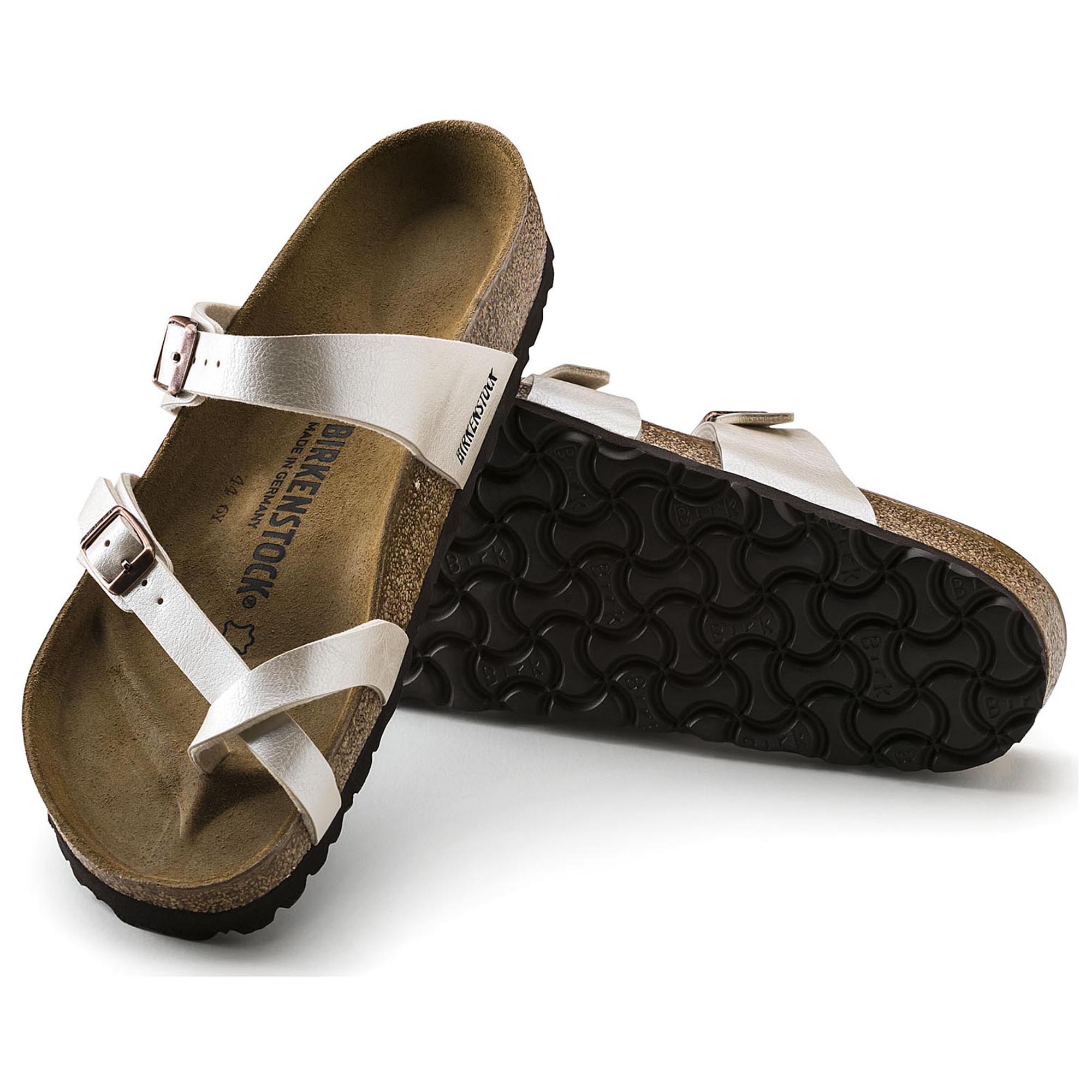
Comprehensive Birkenstock Linda Sandal Overview: Design, Fit, and Practical Performance
The Birkenstock Linda sandal is a minimalist, refined footwear option featuring a streamlined silhouette, a comfortable contoured cork-latex footbed, and a secure strap configuration designed for everyday casual wear. Introduction to t...
The Birkenstock Linda sandal is a minimalist, refined footwear option featuring a streamlined silhouette, a comfortable contoured cork-latex footbed, and a secure strap configuration designed for everyday casual wear.
Contents
Introduction to the Birkenstock Linda Sandal
Footwear choices often require a delicate balance between ergonomic support and aesthetic appeal. For decades, Birkenstock has built its reputation on orthopedic foundations, prioritizing foot health through its signature contoured footbed. However, traditional models like the Arizona or Boston are sometimes viewed as bulky or overly casual by consumers seeking a sleeker profile. The Birkenstock Linda sandal bridges this gap. By combining the legendary comfort architecture of the brand with a more delicate, streamlined strap arrangement, the Linda offers a refined alternative for warm-weather dressing.
Understanding this model requires looking past surface-level styling to examine how its structural components interact with different foot shapes. Whether you are navigating urban environments, traveling, or seeking reliable daily footwear, evaluating the material composition, sizing nuances, and practical performance of the Linda ensures you select a shoe that aligns with your lifestyle and foot health needs.
Design Philosophy and Aesthetic Appeal
The primary differentiator of the Linda sandal within the broader Birkenstock catalog is its visual lightness. Traditional Birkenstock silhouettes rely on wide, dual-strap or closed-toe designs that emphasize utilitarian function. The Linda adopts a more delicate stance, often utilizing narrower strap configurations that flatter the top of the foot while maintaining structural integrity.
This design approach appeals directly to individuals who appreciate arch support and natural toe alignment but prefer a less dominant aesthetic. The straps are typically crafted from high-quality materials—ranging from oiled leather to synthetic Birko-Flor—designed to soften over time and mold to the wearer's foot. The hardware, usually consisting of adjustable metal buckles, allows for minor adjustments while contributing a subtle, classic accent to the overall profile.
Furthermore, the footbed edge on the Linda is often proportioned to match the slimmer upper straps, reducing the visual weight of the cork midsole. This makes the sandal versatile enough to pair with summer dresses, tailored shorts, and casual denim alike, bridging the gap between orthopedic utility and contemporary fashion sensibilities.
Core Structural Components and Materials
At the heart of every authentic Birkenstock sandal is its anatomically shaped footbed. The Linda is no exception, utilizing a multi-layered construction engineered to distribute body weight evenly across the entire foot.
The Cork-Latex Core
The foundation of the footbed consists of a resilient blend of natural cork and latex. This core is flexible, highly shock-absorbent, and designed to insulate against ground heat while adapting to the unique contours of the wearer's footprint over time.
Jute Layers
Flanking the cork-latex core are dual layers of jute. The top layer manages moisture and adds structural strength, while the bottom jute layer reinforces the core and adds durability to the overall assembly.
Suede Lining
A soft suede lining covers the top of the footbed. This material provides a breathable, skin-friendly surface that minimizes friction and keeps the foot secure during movement.
EVA Outsole
The bottom of the sandal features a lightweight, flexible Ethylene Vinyl Acetate (EVA) outsole. This material offers durable traction and cushioning, absorbing minor impacts from pavement and uneven surfaces without adding unnecessary weight to the shoe.
| Footbed Layer | Primary Material | Core Function |
|---|---|---|
| Upper Lining | Suede | Moisture management, skin-friendly friction reduction |
| Cushioning Layer | Jute (Top) | Structural stabilization and initial moisture absorption |
| Support Core | Cork and Latex | Anatomical weight distribution and custom-molding flexibility |
| Reinforcement | Jute (Bottom) | Tensile strength and core durability |
| Outsole | EVA (Ethylene Vinyl Acetate) | Lightweight shock absorption and traction |
Sizing, Fit, and Break-In Process
Achieving the correct fit in a Birkenstock Linda sandal is critical for experiencing its intended orthopedic benefits. Birkenstock footwear relies on a precise sizing scale and offers distinct width options, which can surprise consumers accustomed to standard retail sizing.
Width Classifications
Birkenstock produces its sandals in two primary widths:
- Regular Width: Designed for broader, more robust feet, providing ample room for natural splay.
- Narrow Width: Engineered for slimmer feet, ensuring that the lateral and medial straps secure the foot properly without excessive sliding.
The Break-In Period
Because the footbed is constructed from natural cork and dense materials, new Birkenstock sandals feature a firm initial feel. The break-in period is a necessary phase where the cork-latex core gradually warms up and compresses under your body weight, forming a custom impression of your foot. During the first few weeks, it is advisable to wear the Linda for short intervals to prevent chafing while the materials soften and adapt.
Practical Performance and Daily Use
Evaluating how the Linda sandal performs in real-world scenarios involves assessing its durability, comfort during extended wear, and limitations in adverse weather conditions.
Urban Walking and Travel
The anatomical arch support and deep heel cup make the Linda an exceptional choice for walking-heavy itineraries, such as city sightseeing or airport navigation. By supporting the plantar fascia and stabilizing the heel, the sandal reduces foot fatigue compared to flat-soled fashion sandals.
Water Exposure and Maintenance
Like most cork-soled footwear, the Linda is not designed for aquatic environments. Submerging the cork in water can degrade the latex binder, causing the cork to dry out, crack, or crumble. Leather uppers require periodic conditioning to maintain their suppleness, while the suede footbed can be spot-cleaned with specialized suede brushes and cleaning blocks to remove accumulated oils and dirt.
Comparing the Linda to Other Birkenstock Models
To determine if the Linda is the right choice, it helps to compare it directly to other iconic silhouettes within the brand's lineup.
| Model | Strap Configuration | Silhouette Profile | Best Suited For |
|---|---|---|---|
| Linda | Minimalist / Delicate | Slim and refined | Everyday casual wear, pairing with dresses, urban walking |
| Arizona | Dual wide straps | Bold and utilitarian | Maximum adjustability, classic heritage look, unisex appeal |
| Gizeh | Thong style / Single post | Sleek, vertical emphasis | Beachside strolls, minimalist warm-weather outfits |
| Mayari | Crossed toe loop | Delicately curved | Secure forefoot hold, bohemian styling |
While the Arizona prioritizes maximum volume adjustment and a bold look, and the Gizeh offers a streamlined thong aesthetic, the Linda provides a classic multi-strap delicacy that remains secure on the foot without dominating your outfit.
Common Mistakes to Avoid
Maximizing the lifespan and comfort of your Birkenstock Linda sandals requires avoiding several frequent pitfalls:
- Buying the Wrong Size: Selecting a shoe that is too small forces your toes against the front lip, damaging both the cork edge and your feet. Ensure there is a 5mm space in front of your toes and a 2mm space behind your heel.
- Ignoring Maintenance: Failing to seal exposed cork edges over time can lead to premature drying and cracking. Applying a thin layer of cobbler's cork sealant restores the protective barrier.
- Wearing in Wet Conditions: Wearing the sandals in heavy rain or submerging them in seawater compromises the structural integrity of the cork-latex footbed.
Frequently Asked Questions
Are Birkenstock Linda sandals good for high arches?
Yes. The contoured footbed features pronounced arch support that distributes pressure evenly across the sole, making them helpful for individuals with high arches seeking casual comfort.
How do I clean the suede footbed of my Linda sandals?
Use a specialized suede brush to gently lift dirt and oils from the surface. For stubborn stains, use a dry suede cleaning block or a minimal amount of specialized foam cleaner, ensuring the cork does not become saturated.
Can the soles of Birkenstock Linda sandals be replaced?
Yes. One of the primary benefits of genuine Birkenstock footwear is its reparability. Authorized cobblers can replace worn EVA outsoles and even rebuild damaged cork footbeds, significantly extending the life of the shoes.
How long does the break-in period take?
The break-in period typically lasts between one to three weeks, depending on how frequently you wear them and your personal foot anatomy. Wearing them for an hour or two a day initially helps ease the process.
Conclusion and Next Actions
The Birkenstock Linda sandal successfully merges orthopedic engineering with a refined, minimalist aesthetic. By investing time in selecting the correct width and respecting the natural break-in period, you can enjoy exceptional support and durability. To proceed, measure your feet carefully using an official Birkenstock size chart, determine whether your foot requires the regular or narrow width, and purchase from an authorized retailer to ensure product authenticity and access to warranty support.
Image Gallery