The United Kingdom Health Care System in Transition: Navigating Reform and Digital Evolution in 2026
By 2026, the United Kingdom’s healthcare system has shifted from a hospital-centric model toward a digitally integrated, community-led framework. This transition focuses on Integrated Care Systems (ICS), which synchronize the National...
By 2026, the United Kingdom’s healthcare system has shifted from a hospital-centric model toward a digitally integrated, community-led framework. This transition focuses on Integrated Care Systems (ICS), which synchronize the National Health Service (NHS), local authorities, and social care to prioritize preventive medicine and reduce the long-standing elective care backlog.
Contents
The Structural Pivot: From Fragmentation to Integration
The most significant transition in the UK health care system over the last several years has been the full operationalization of Integrated Care Systems (ICS). Established legally by the Health and Care Act 2022, these systems have reached a level of maturity in 2026 where the boundary between primary care, secondary care, and social services is increasingly porous.
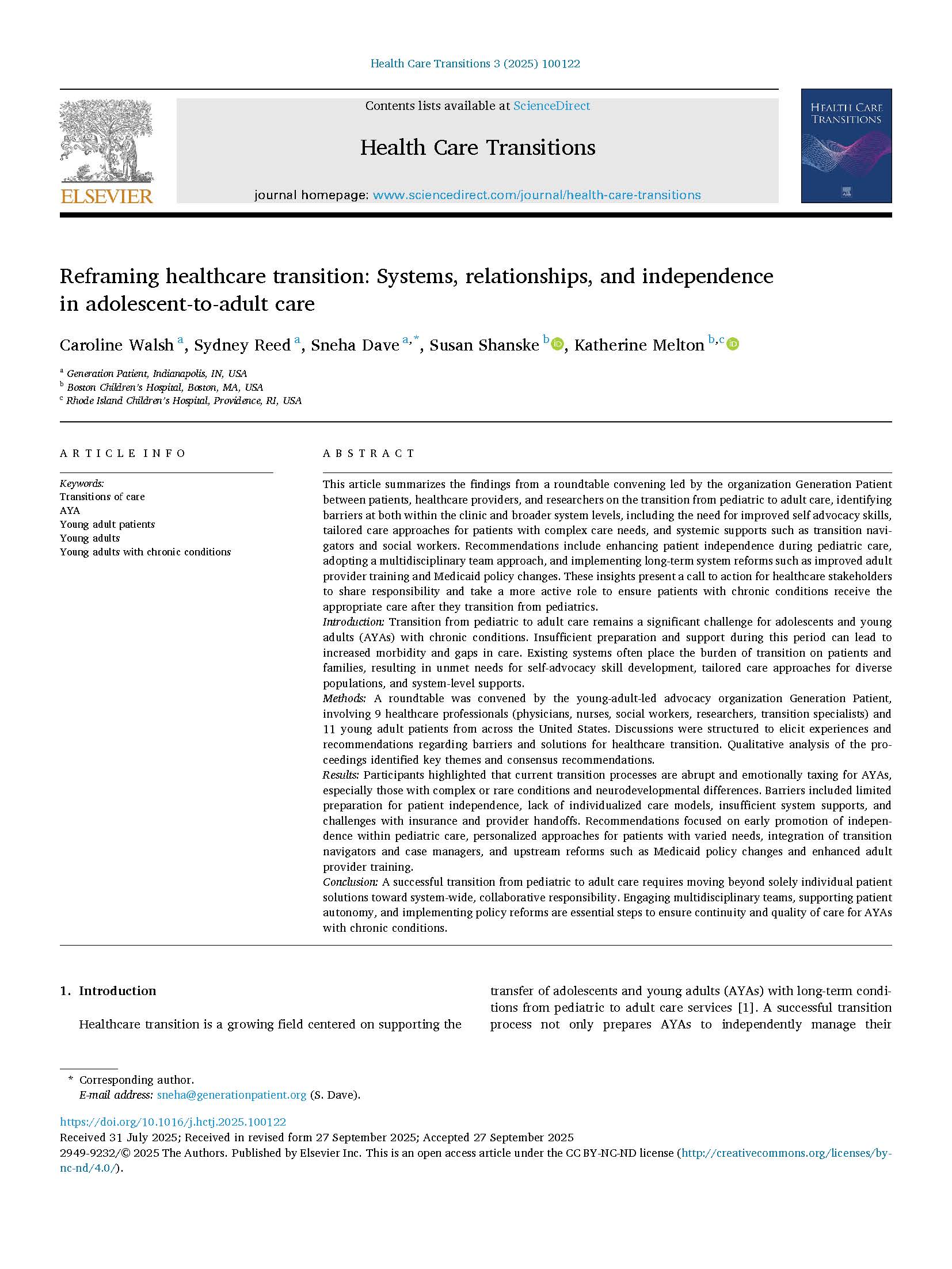
An ICS is composed of two primary pillars: Integrated Care Boards (ICBs) and Integrated Care Partnerships (ICPs). The ICBs are responsible for the NHS budget and the planning of health services within a specific geographical area. In 2026, these boards have moved beyond mere administrative oversight to become the engines of "place-based" care. This means that instead of a top-down mandate from Whitehall, local clinical needs dictate resource allocation.
The transition to this model was driven by the "Triple Aim" duty:
- Improving the health and wellbeing of the population.
- Improving the quality of services.
- Ensuring sustainable use of NHS resources.
By focusing on these three objectives, the system has begun to move away from a competitive "internal market" toward a collaborative model. This shift addresses the historic "siloing" of care, where patients—particularly the elderly with multiple chronic conditions—often fell through the gaps between hospital discharge and social care support.
Digital Transformation and the Federated Data Platform
As of 2026, the digital transition of the NHS has reached a critical milestone: the universal adoption of Electronic Patient Records (EPR) across all acute and mental health trusts. This technological backbone is supported by the Federated Data Platform (FDP), a centralized yet secure system that allows for real-time data sharing between different parts of the health service.
The FDP enables the following operational efficiencies:
- Capacity Planning: Hospitals can predict bed shortages and surgical demands with higher accuracy using AI-driven predictive modeling.
- Population Health Management: ICBs use anonymized data to identify "hotspots" of chronic disease, such as Type 2 diabetes or respiratory issues, allowing for proactive community interventions.
- Patient Empowerment: Through the NHS App, which has become the primary "digital front door," patients can now access their full medical history, book specialist appointments, and manage prescriptions without contacting a GP surgery.
However, this transition has not been without challenges. The integration of legacy IT systems across thousands of GP practices and hundreds of hospital trusts required significant capital investment. Furthermore, data privacy remains a paramount concern, with the National Data Guardian providing oversight to ensure that patient trust is maintained while utilizing data for medical research and system planning.
The Workforce Recovery and the Long-Term Plan
The UK health care system in 2026 continues to navigate a complex workforce transition. Following the 2023 NHS Long-Term Workforce Plan, the government has significantly increased the number of medical school places and nursing training slots.
A key element of this transition is the expansion of New Professional Roles. To alleviate the pressure on General Practitioners and consultants, the system has integrated:
- Physician Associates (PAs): Supporting diagnostic processes and patient management under medical supervision.
- Advanced Nurse Practitioners (ANPs): Taking on more prescriptive and diagnostic responsibilities in primary care.
- Community Pharmacists: Now empowered to prescribe medications for a wider range of minor ailments, effectively acting as a triage layer for the NHS.
Despite these changes, the retention of experienced staff remains a focal point. The 2026 landscape reflects a more flexible approach to clinical careers, with "pension reform" and improved "wellbeing initiatives" designed to prevent burnout. The transition here is moving from a high-pressure, reactive staffing model to a sustainable, growth-oriented professional environment.
Elective Recovery and the Role of the Private Sector
The "elective recovery" program, aimed at eliminating the massive surgical backlogs accumulated in the early 2020s, has necessitated a pragmatic partnership with the independent (private) sector. In 2026, the UK healthcare system utilizes a "mixed economy" of care delivery to maintain its commitment to being free at the point of use.
Independent Sector Treatment Centres (ISTCs) now handle a significant percentage of routine procedures, such as cataract surgeries, hip replacements, and endoscopies. These services are funded by the NHS but delivered by private providers to increase throughput. This transition has sparked debate regarding the long-term sustainability of outsourcing, yet it remains a cornerstone of the current strategy to keep wait times within the 18-week constitutional standard.
| Metric | 2020/21 Status (Baseline) | 2026 Status (Current) |
|---|---|---|
| Primary Care Model | Reactive/Face-to-face dominant | Proactive/Digital-first triage |
| Care Integration | Fragmented (CCGs) | Integrated (42 ICBs) |
| Digital Records | High variation between trusts | Universal EPR adoption |
| Waitlist Management | Backlog focused (Reactive) | Risk-stratified (AI-assisted) |
| Social Care Linkage | Minimal financial integration | Shared budgets via ICPs |
Transitioning from "Illness" to "Wellness"
Perhaps the most profound shift in 2026 is the ideological transition from an "National Illness Service" to a "National Health Service." This involves redirecting a larger share of the budget toward public health and preventive measures.
Initiatives such as the Core20PLUS5 approach are now central to policy. This strategy targets the most deprived 20% of the population to reduce health inequalities in five clinical areas: maternity, severe mental illness, chronic respiratory disease, early cancer diagnosis, and hypertension.
Furthermore, the "social prescribing" movement has matured. Doctors now regularly prescribe non-clinical interventions—such as exercise programs, gardening clubs, or financial counseling—recognizing that the social determinants of health (housing, income, and environment) often outweigh clinical factors in long-term patient outcomes.
Challenges in the Transition: Funding and Aging
While the structural and digital transitions have shown promise, the 2026 health care system faces two existential pressures: funding sustainability and an aging demographic. The cost of modern medical technology and the rising demand for social care continue to outpace traditional GDP-linked funding increases.
The government has responded with the Health and Social Care Levy and subsequent fiscal adjustments, but the debate continues over whether the "Beveridge Model" (tax-funded) remains viable without significant reform to how social care is means-tested. The transition in social care remains slower than in the NHS, leading to "bed blocking" (delayed transfers of care) in certain regions.
Frequently Asked Questions
Is the NHS still free at the point of use in 2026?
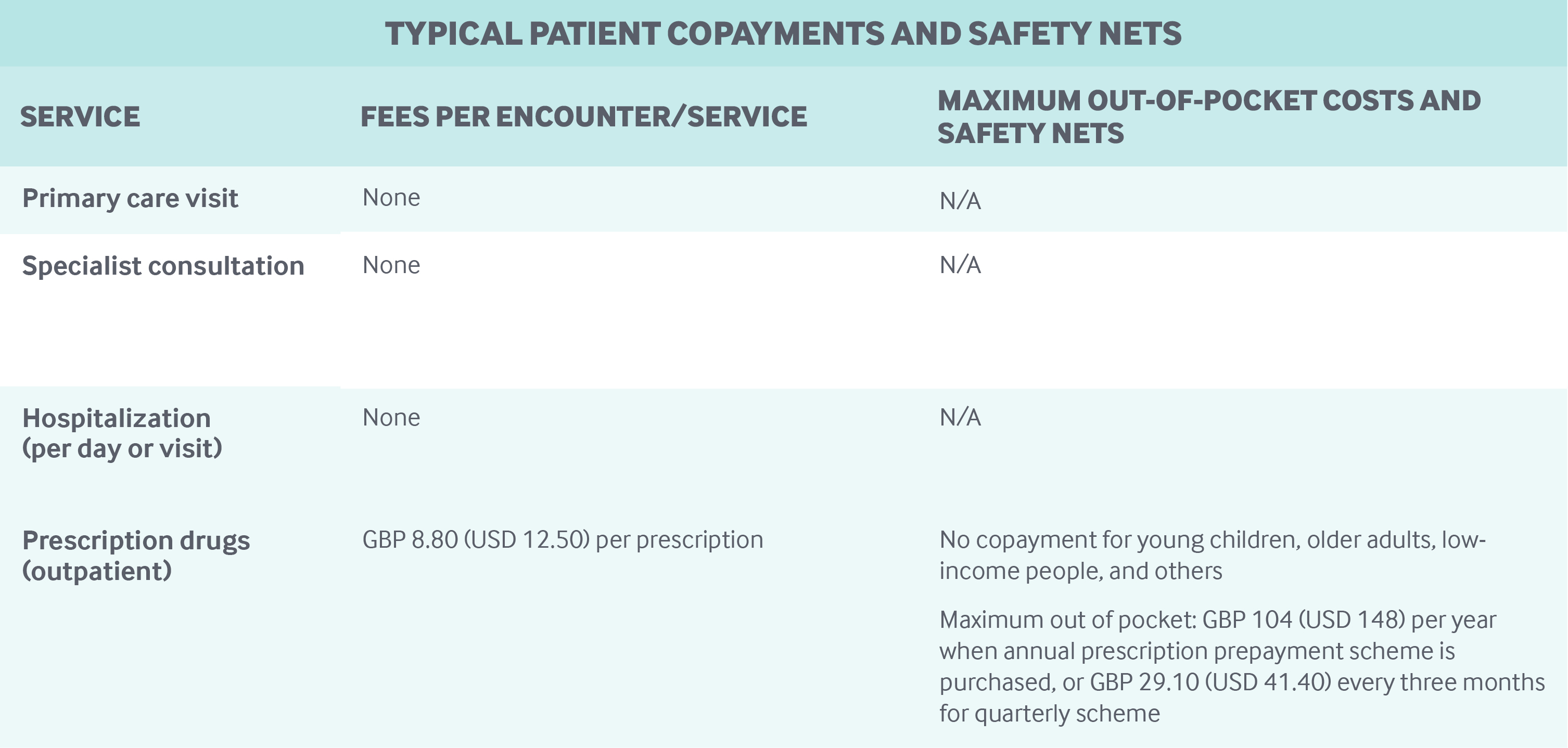
Yes. Despite the transitions in how care is delivered and the increased use of private sector capacity, the fundamental principle of the NHS remains: healthcare is provided based on clinical need, not the ability to pay, and is free at the point of service for all UK residents.
How do Integrated Care Boards (ICBs) affect my local doctor?
ICBs manage the funding for your local GP surgery. Under the new transition, your GP is more closely linked with local hospitals and social care providers. This means your GP can more easily refer you to community-based specialists or social support services without the administrative hurdles that existed under the old Clinical Commissioning Groups (CCGs).
What is the role of AI in the UK health system today?
AI is primarily used for administrative efficiency and diagnostic support. For example, AI algorithms now screen thousands of radiology images (like mammograms or chest X-rays) to flag anomalies for human doctors, significantly speeding up cancer diagnosis. It is also used in "Virtual Wards" to monitor patient vitals remotely.
Can I choose to see a private provider through the NHS?
Under the "Right to Choose" legislation, if you are waiting longer than the maximum waiting times, you may be able to request that your ICB fund your treatment at an independent provider. This has become a standard method for managing the elective surgical backlog in 2026.
How has the 2026 system addressed the "dentistry crisis"?
The transition included a major overhaul of the NHS dental contract in 2024-2025. In 2026, the system uses a "target-based" incentive model that rewards dentists for seeing new patients and performing preventive work, rather than just high-volume throughput, though access in rural areas remains a challenge.
Practical Recommendation for Patients and Practitioners
To navigate the transition effectively, patients should ensure they are registered and verified on the NHS App, as this is now the primary gateway for managing referrals and viewing test results. For healthcare professionals, the focus must remain on interdisciplinary collaboration. The transition to ICBs means that clinical leadership is no longer confined to the hospital; clinicians are encouraged to participate in "Primary Care Networks" (PCNs) to influence how local health budgets are spent and to advocate for the specific needs of their patient populations.
Image Gallery