Western Workers Compensation Claim Center: A Comprehensive Overview for 2026
The Western Workers Compensation Claim Center serves as the centralized administrative hub for managing workplace injury and illness claims. It facilitates communication between injured employees, employers, and medical providers to en...
The Western Workers Compensation Claim Center serves as the centralized administrative hub for managing workplace injury and illness claims. It facilitates communication between injured employees, employers, and medical providers to ensure timely benefit delivery, regulatory compliance, and effective return-to-work strategies. As of 2026, the center emphasizes digital-first reporting and integrated telehealth coordination to streamline the recovery process.
Contents
The Role of the Western Workers Compensation Claim Center
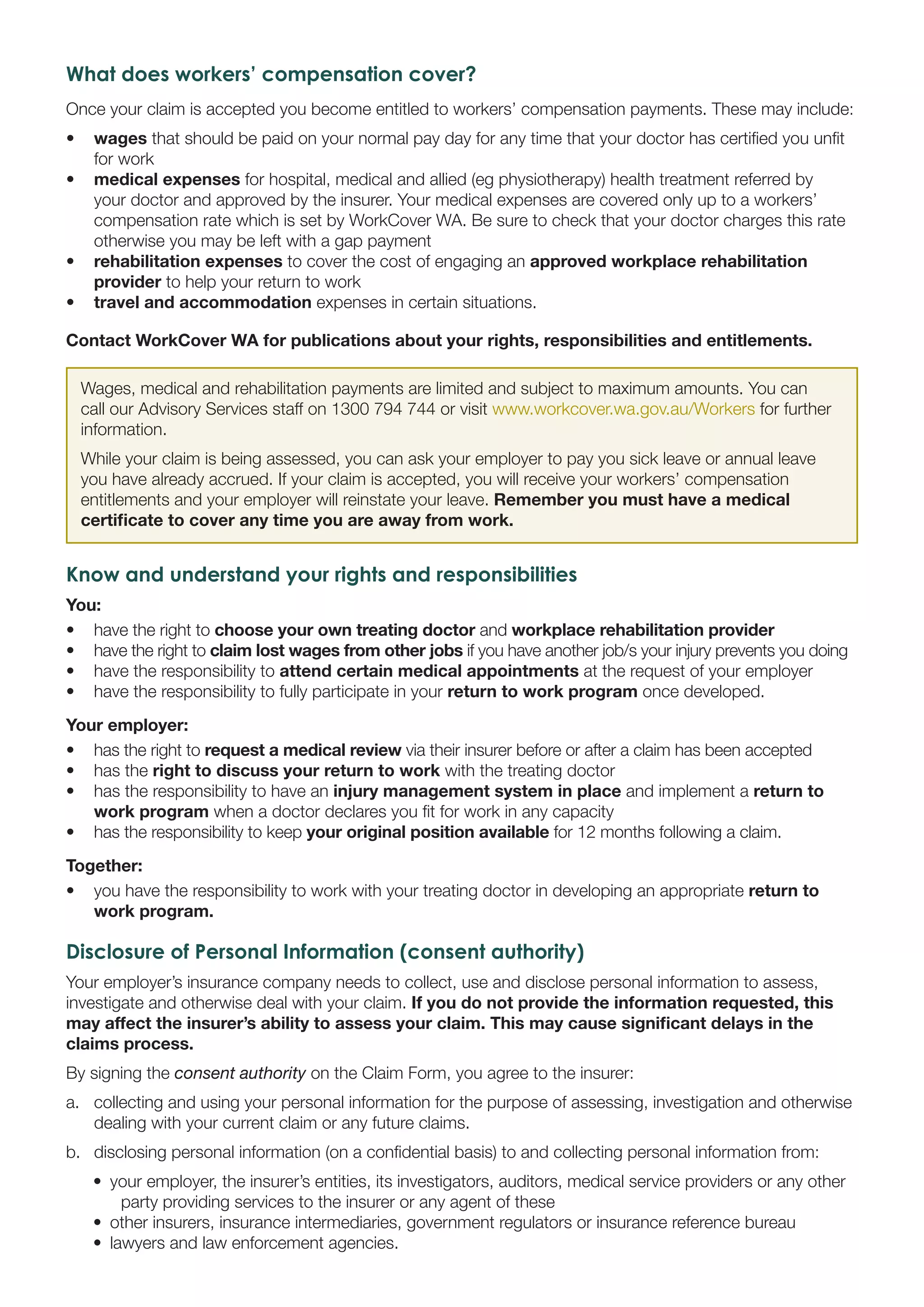
The Western Workers Compensation Claim Center is a specialized division designed to manage the complexities of industrial insurance and workplace liability. Whether operating as part of a private carrier like Western National Insurance or as a regional administrative body, the center’s primary objective is to mitigate the financial and physical impact of workplace accidents. In 2026, these centers have evolved into data-driven environments where claims adjusters use advanced predictive modeling to identify high-risk cases early, ensuring that catastrophically injured workers receive specialized care immediately.
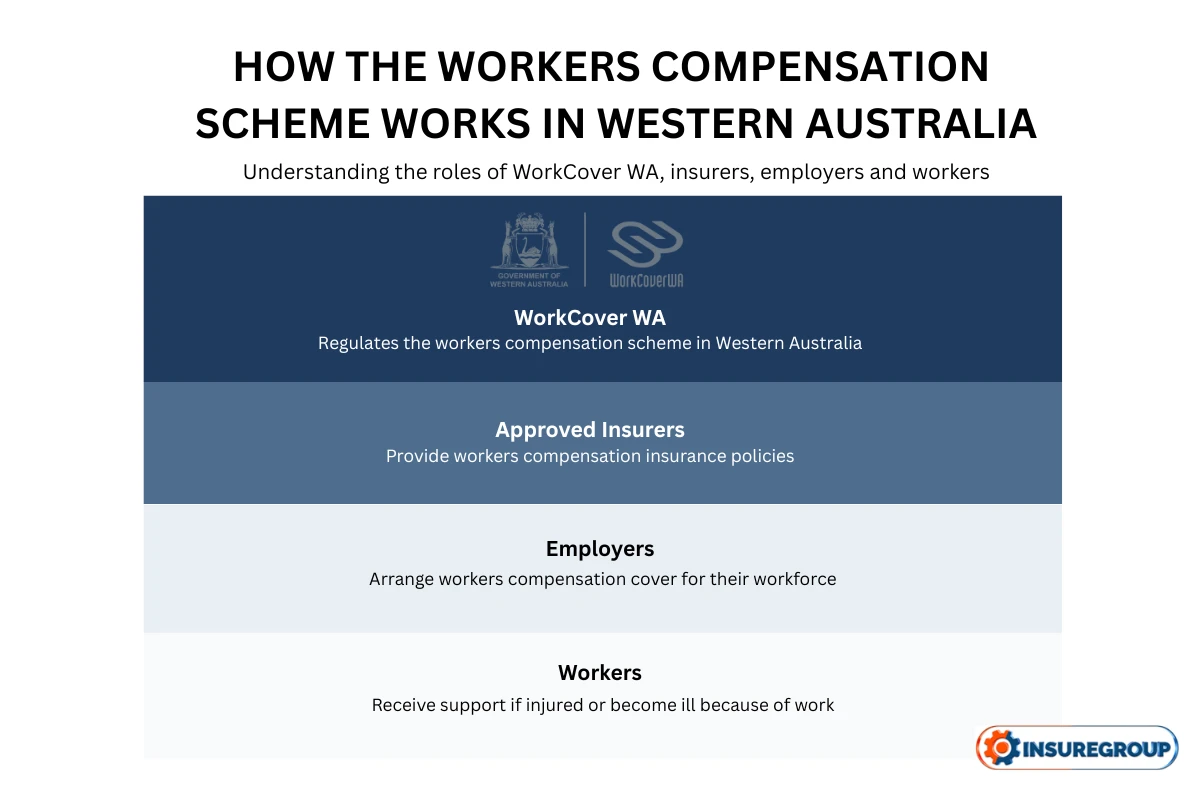
The center functions as a three-way communication bridge. For the employee, it is the source of wage replacement (indemnity) and medical authorization. For the employer, it provides risk management data and handles the legal defense of claims. For medical providers, it acts as the billing and authorization clearinghouse. By centralizing these functions, the center reduces the friction often associated with the multi-party nature of workers' compensation law.
Eligibility and Filing Prerequisites
Before a file reaches the Western Workers Compensation Claim Center, certain criteria must be met to establish a valid claim. Understanding these prerequisites is essential for both the worker and the policyholder to avoid immediate denials or delays.
Employment Status and Coverage
To be eligible for benefits through the Western center, an individual must be classified as an employee under the specific jurisdiction's laws. This typically excludes independent contractors, although "gig economy" regulations in 2026 have created hybrid categories in several western states. The employer must also have an active workers' compensation policy with the carrier associated with the claim center at the time of the injury.
Arising Out of Employment (AOE) and Course of Employment (COE)
Two legal pillars define a compensable claim:
- Arising Out of Employment (AOE): The injury must be caused by the nature of the work or the work environment.
- Course of Employment (COE): The injury must occur while the employee is performing duties for the employer or acting in the employer’s interest.
Notification Deadlines
Timeliness is the most common point of failure for new claims. Most jurisdictions require an employee to notify their employer of an injury within a specific timeframe—often ranging from 24 hours to 30 days. Failure to meet these internal and state-mandated deadlines can provide a legal basis for the claim center to deny the case based on "late reporting."
Step-by-Step Claim Lifecycle
The journey of a claim through the Western Workers Compensation Claim Center follows a structured path. Efficiency at each stage determines how quickly an injured worker can return to productivity.
1. Initial Incident Reporting
The process begins with the First Report of Injury (FROI). In 2026, most Western claim centers provide a mobile application or a secure web portal for instant reporting. The employer is responsible for submitting this document, which outlines the date, time, location, and nature of the incident. Prompt reporting allows the claim center to assign an adjuster within hours, rather than days.
2. The Investigation Phase
Once a claim is registered, a claims adjuster is assigned to investigate. This involves:
- Interviewing the Claimant: Understanding the worker's version of events.
- Employer Statements: Verifying the worker's duties and any witnesses to the event.
- Medical Record Review: Analyzing initial emergency room or clinic notes to ensure the clinical findings match the reported accident.
3. Compensability Determination
After the investigation, the claim center issues a formal decision. If "accepted," the center begins paying medical bills and wage replacement. If "denied," the worker receives a formal notice outlining the reasons, which may include a lack of medical evidence, pre-existing conditions, or an injury occurring outside of work hours.
4. Ongoing Case Management
For long-term injuries, the center employs Nurse Case Managers (NCMs). These professionals coordinate with doctors to ensure the treatment plan is progressing and to identify "light-duty" opportunities that allow the worker to return to the job site in a limited capacity.
Medical Provider Networks and Treatment
The Western Workers Compensation Claim Center often utilizes a Medical Provider Network (MPN) or a Preferred Provider Organization (PPO). These are curated lists of physicians, specialists, and physical therapists who are experienced in occupational medicine and understand the specific reporting requirements of the insurance industry.
In 2026, the use of Telehealth Integration has become a standard feature of the Western claim experience. For minor injuries or follow-up consultations, workers can connect with specialized occupational doctors via video link. This reduces travel time and ensures that medical restrictions are updated in real-time within the claim center’s database.
| Feature | Medical-Only Claim | Indemnity (Lost-Time) Claim |
|---|---|---|
| Severity | Minor (e.g., small laceration) | Significant (e.g., fracture, surgery) |
| Wage Replacement | None (worker returns to shift) | Paid after a waiting period (e.g., 3-7 days) |
| Adjuster Involvement | Minimal/Automated | High/Active Management |
| Duration | Usually closed within 30 days | Can remain open for months or years |
| Impact on Premium | Low impact | High impact on experience modifier |
Managing Indemnity and Wage Replacement
One of the primary functions of the Western Workers Compensation Claim Center is the calculation and distribution of indemnity benefits. These payments are designed to replace a portion of the income lost while the worker is unable to perform their job.
Temporary Total Disability (TTD)
If a doctor determines that a worker cannot work at all during their recovery, the claim center issues TTD checks. In most jurisdictions, these are calculated at approximately two-thirds (66.67%) of the employee's average weekly wage, subject to state-mandated minimums and maximums.
Permanent Partial Disability (PPD)
If an injury results in a permanent impairment—such as reduced range of motion in a shoulder or a permanent loss of hearing—the claim center calculates a PPD award. This is usually based on a "rating" provided by a Qualified Medical Evaluator (QME) or an Agreed Medical Evaluator (AME).
Common Challenges and Troubleshooting
Even with modern digital systems, the claims process can encounter hurdles. The Western Workers Compensation Claim Center provides specific protocols for resolving these issues.
- Delayed Payments: Often caused by a lack of updated medical "work status" notes. The center cannot issue disability checks without a current doctor's note stating the worker is still TTD.
- Treatment Denials: If a doctor recommends a surgery or a specific diagnostic test (like an MRI) that the claim center deems unnecessary, it may go through Utilization Review (UR). This is a peer-review process where another doctor examines the clinical necessity of the request.
- Communication Gaps: Adjusters often handle high caseloads. In 2026, many centers have implemented AI-driven "Chat Assistants" to provide instant answers regarding check status or pharmacy cards, reserving human adjusters for complex legal or medical discussions.
Professional Advice Limitation
This overview is provided for informational purposes only and does not constitute legal, financial, or medical advice. Workers' compensation laws vary significantly by state and jurisdiction. For specific legal inquiries, consult a licensed attorney specializing in workers' compensation in your region. For medical concerns, always seek professional medical attention.
Frequently Asked Questions
How do I check the status of my claim at the Western center?
In 2026, the most efficient way to check claim status is through the carrier's Online Member Portal. Once registered with your claim number and date of injury, you can view payment history, authorized medical treatments, and the contact information for your assigned adjuster. If you do not have digital access, you can call the center's toll-free customer service line during standard business hours.
What should I do if my claim is denied by the Western Claim Center?
If you receive a denial letter, review the "Reason for Denial" section carefully. You have the right to appeal this decision through your state’s Workers' Compensation Appeals Board (WCAB) or a similar regulatory body. It is often advisable to consult with a workers' compensation attorney at this stage, as they can help gather the necessary medical evidence or witness testimony to challenge the denial.
Can I choose my own doctor under the Western claim system?
This depends on the state and the specific policy. In some regions, the employer has the right to select the medical provider for the first 30 days. In others, you may see your pre-designated personal physician if you filed the appropriate paperwork with your employer prior to the injury. Always check the Medical Provider Network (MPN) list provided by the claim center to ensure your doctor is authorized to treat you.
How are medical bills handled by the center?
You should not receive medical bills for an accepted workers' compensation claim. When you visit a provider, you must inform them that the injury is work-related and provide your claim number. The provider will then send the bills directly to the Western Workers Compensation Claim Center for payment. If you receive a bill at home, forward it immediately to your claims adjuster to avoid credit complications.
What happens if I can return to work but not at full capacity?
If your doctor releases you to "light duty" or "modified work," you must inform the claim center and your employer immediately. If your employer can accommodate these restrictions, you are expected to return to work. If the modified work pays less than your original wage, the claim center may pay Temporary Partial Disability (TPD) benefits to make up a portion of the difference.
Next Steps for Claimants and Employers
For an injured worker, the immediate next step is to ensure that a medical professional has clearly documented your work restrictions and that these notes have been sent to the claim center. For employers, the priority is to maintain open communication with the adjuster and investigate if any "Return to Work" programs can be implemented to bring the employee back in a safe, modified capacity. Consistent communication is the most effective tool for preventing litigation and ensuring a smooth recovery process.
Image Gallery