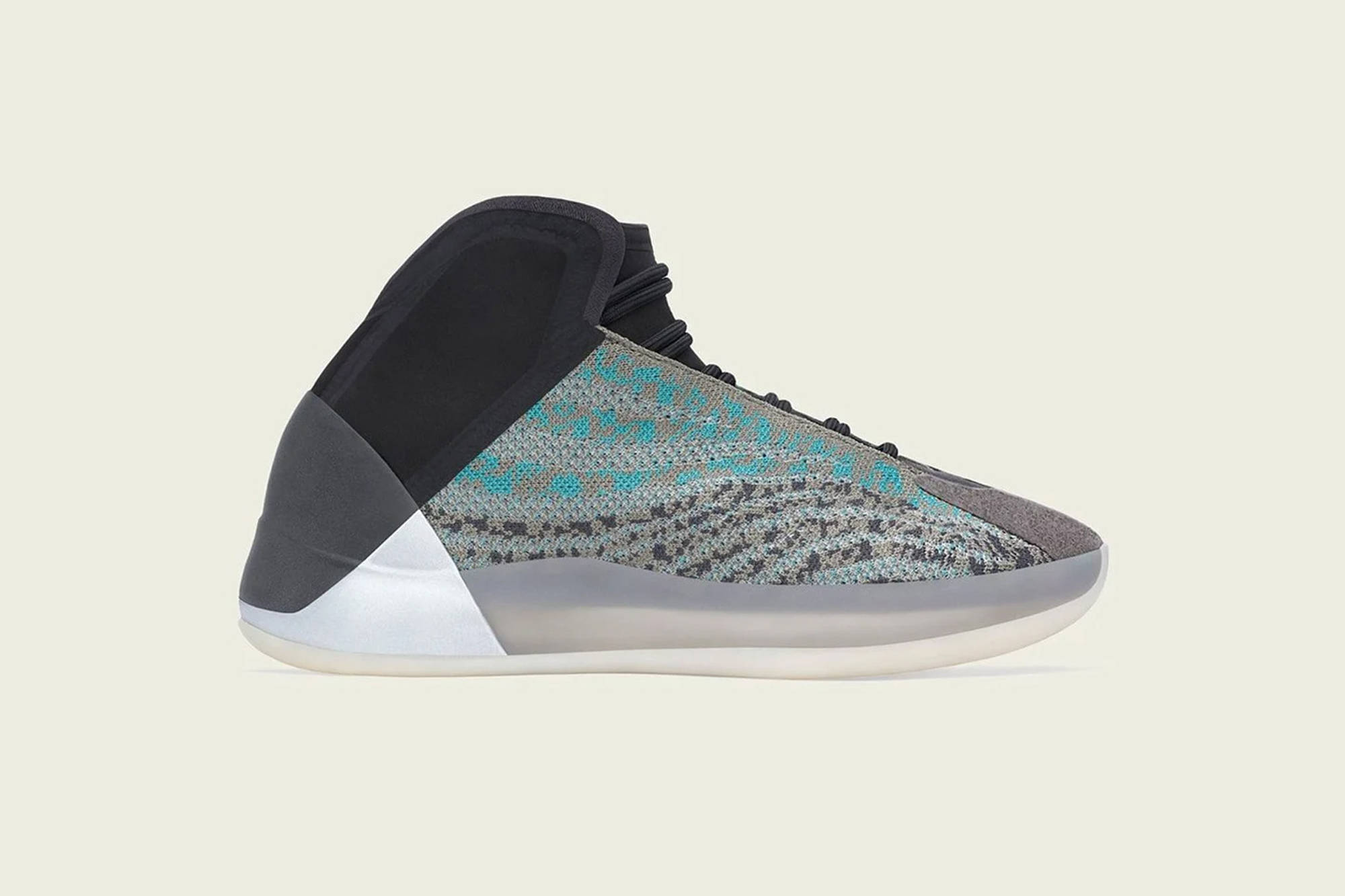
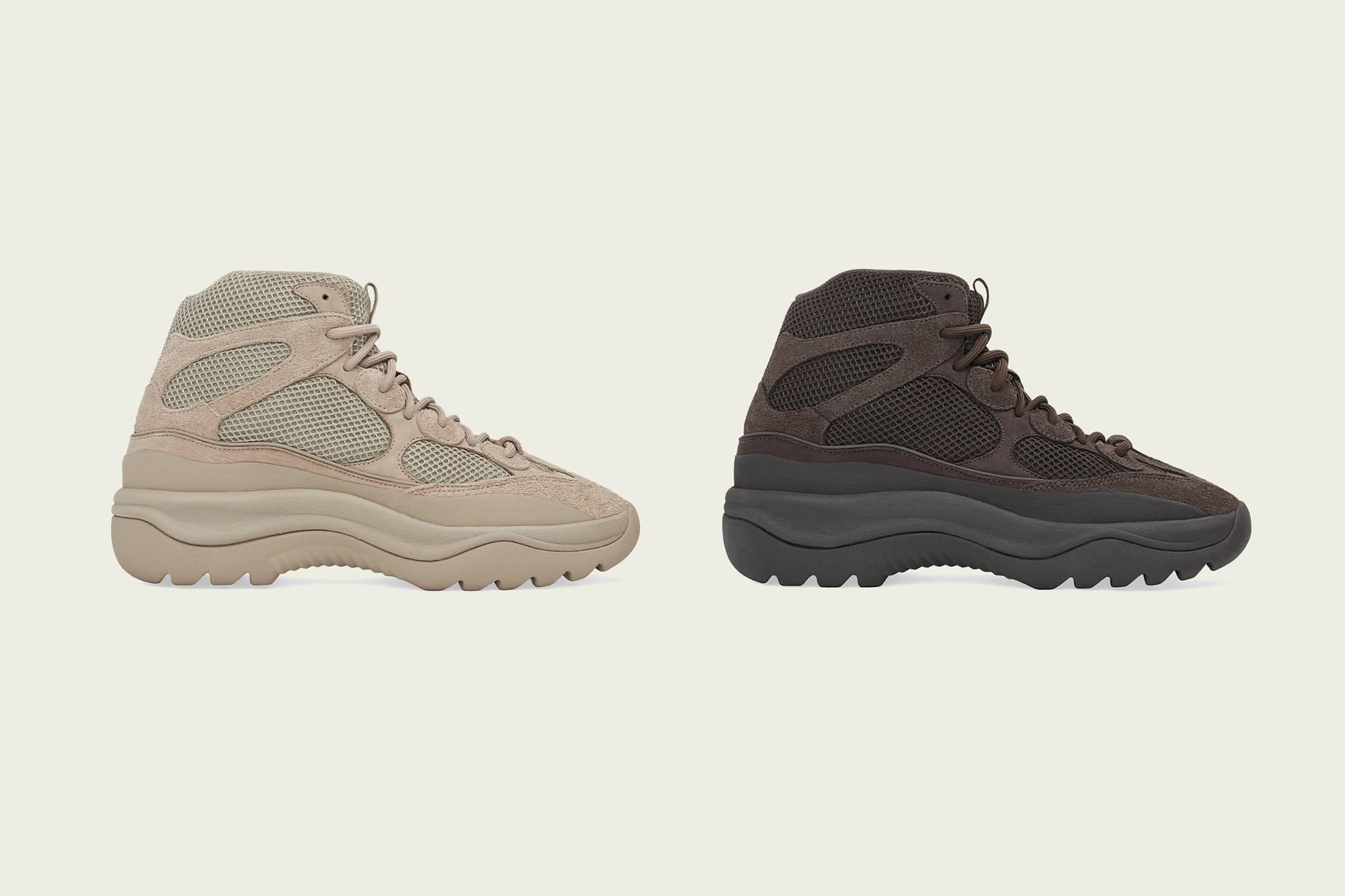
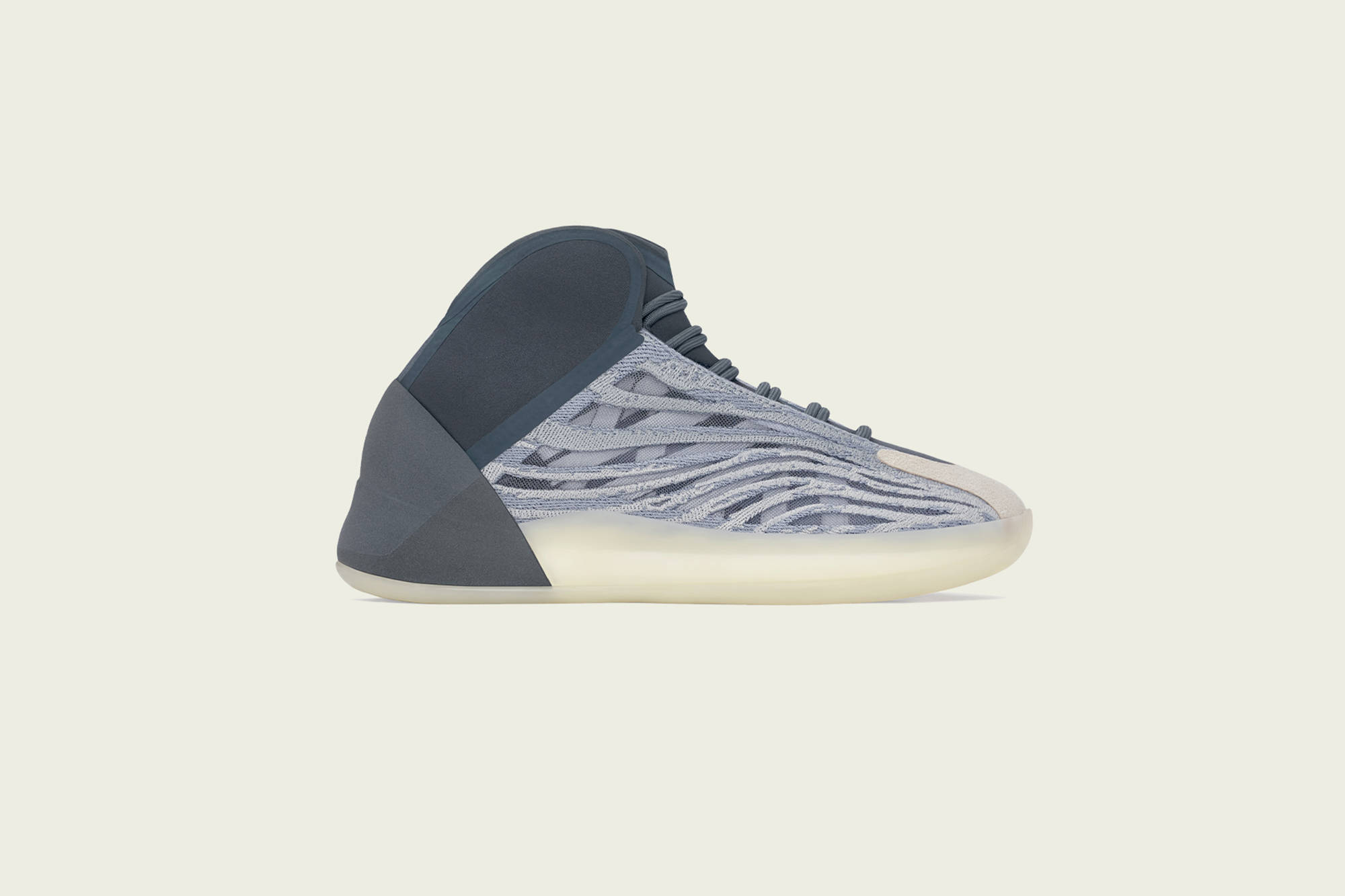
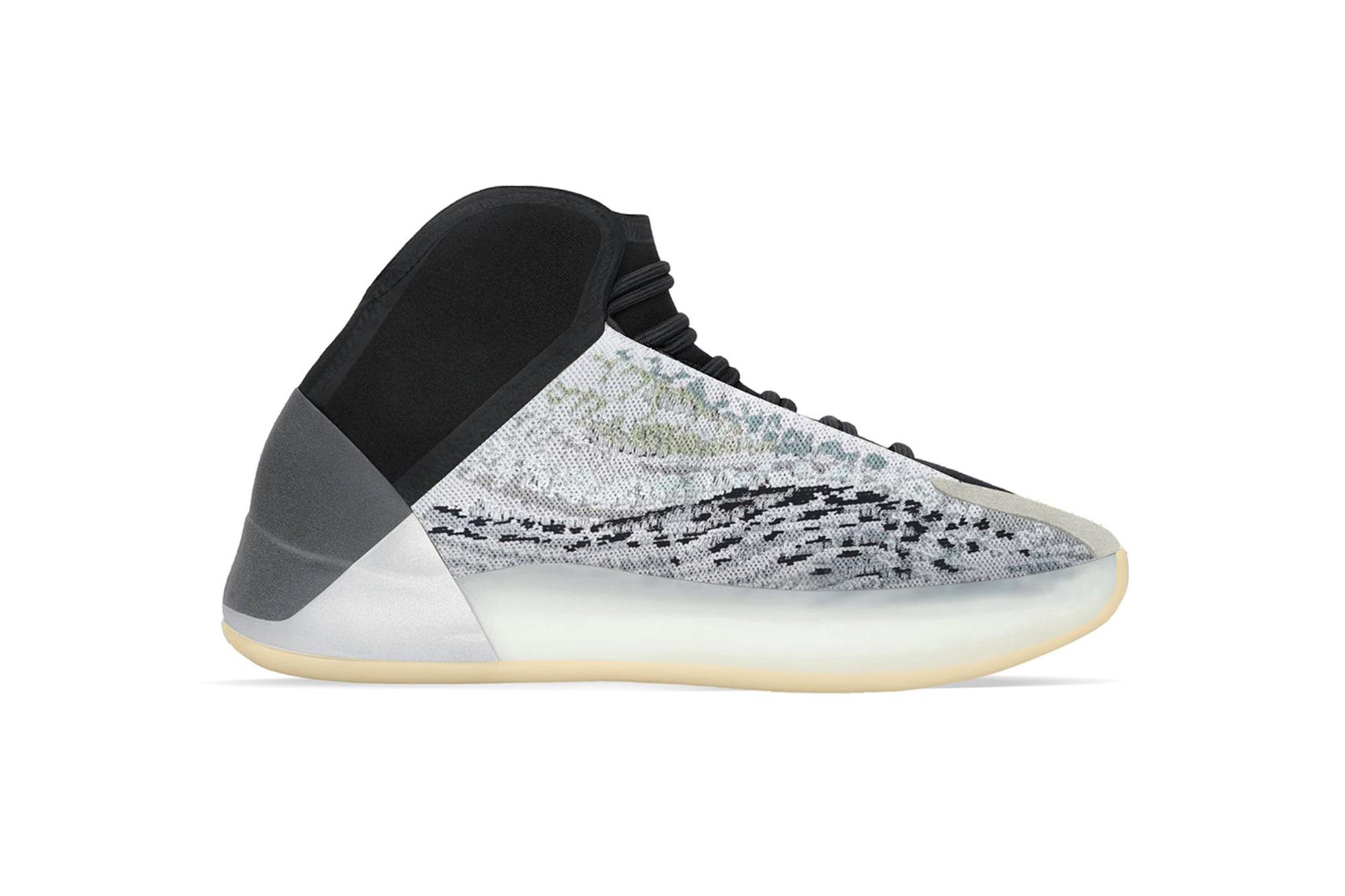
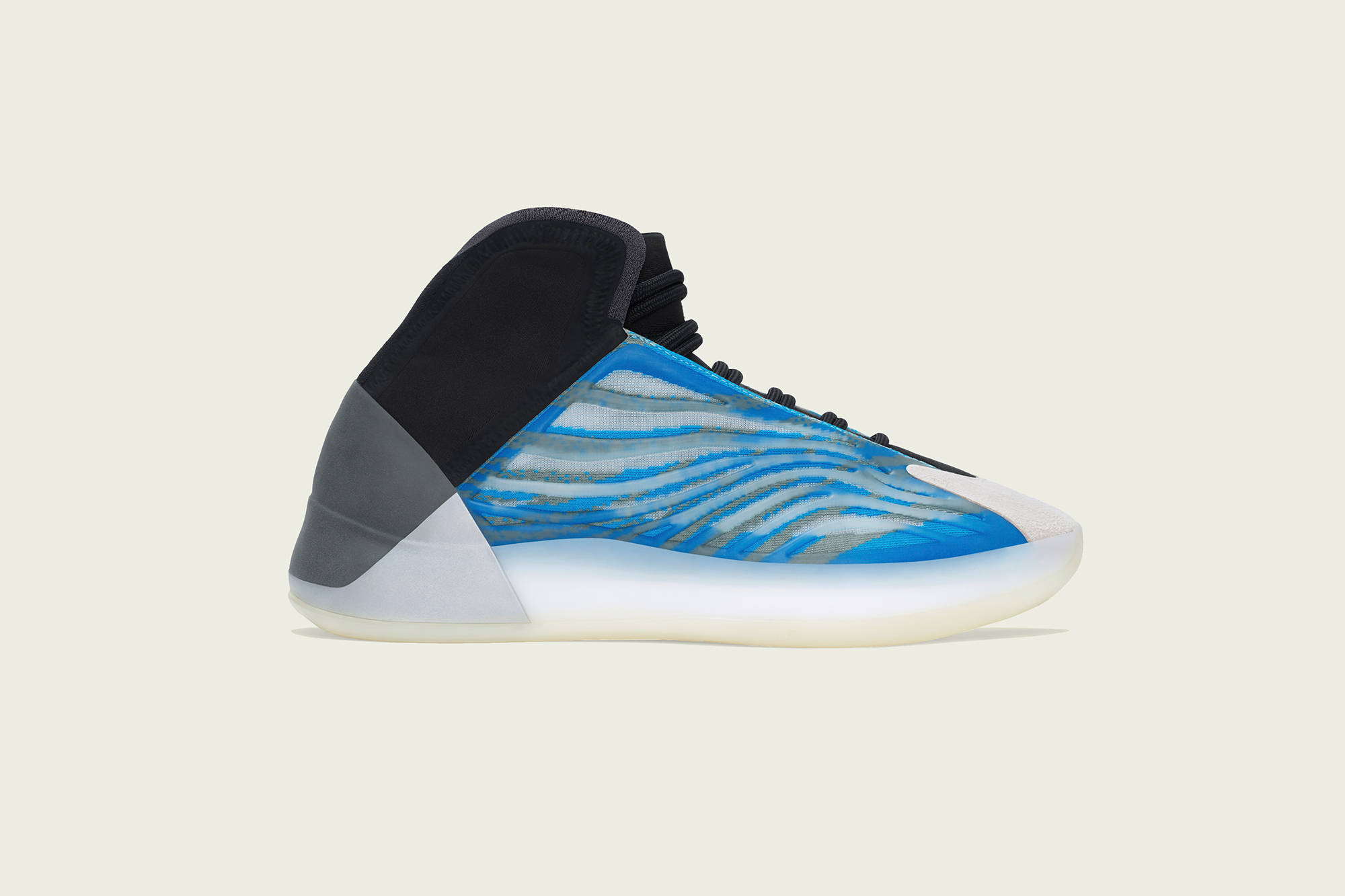
Yeezy Owners: A Comprehensive Reference Entry for Collectors and Enthusiasts
Yeezy ownership encompasses the acquisition, authentication, maintenance, and market valuation of footwear and apparel designed by Ye (formerly Kanye West). In 2026, being a Yeezy owner involves managing a portfolio of legacy Adidas co...
Yeezy ownership encompasses the acquisition, authentication, maintenance, and market valuation of footwear and apparel designed by Ye (formerly Kanye West). In 2026, being a Yeezy owner involves managing a portfolio of legacy Adidas collaborations, rare Nike-era artifacts, and modern independent releases from Yeezy Supply, characterized by a focus on minimalist aesthetics and sustainable production.
Contents
The Evolution of Yeezy Ownership
To understand the current state of Yeezy ownership in 2026, one must distinguish between the three primary eras of production. Each era carries distinct requirements for care, different levels of scarcity, and unique technical specifications that owners must master to maintain the value and utility of their collection.
The Nike Era (2009–2014)
Ownership of Nike-era Yeezys is now largely a matter of high-end curation and preservation. These models—specifically the Air Yeezy 1 and Air Yeezy 2—are treated more as historical artifacts than daily footwear. Because these shoes are over a decade old, owners face the "crumbling" phenomenon, where the polyurethane midsoles oxidize and lose structural integrity. Owners in this category often invest in professional restoration or "sole swapping" to keep the pairs wearable, or they maintain them in climate-controlled environments to prevent further degradation.
The Adidas Partnership (2015–2022/2023)
The vast majority of current Yeezy owners hold products from the Adidas partnership. This era democratized the brand through mass production of the Yeezy Boost 350, 700, and 500 series. Following the termination of the partnership in late 2022, Adidas conducted several major inventory liquidations throughout 2023 and 2024. By 2026, the market has stabilized, but the cessation of new production means that "Deadstock" (brand new, unworn) pairs have become increasingly rare, shifting the focus of owners toward meticulous maintenance and authentication of secondary market purchases.
The Independent Era (2024–Present)
Recent Yeezy ownership is defined by Ye’s move toward independent, direct-to-consumer distribution. Products like the Yeezy Pods and subsequent minimalist designs emphasize folded silhouettes, textile-heavy construction, and simplified sizing. For owners, this era represents a shift from "sneakerhead" culture toward a more utilitarian, avant-garde fashion philosophy, where the price point is often lower but the wait times and shipping logistics require a different kind of consumer patience.
Technical Specifications and Material Science
A key part of being a Yeezy owner is understanding the technical components that define the wearing experience. The brand has historically been a testing ground for innovative footwear technology.
Adidas Boost Technology
The hallmark of the Adidas era is Boost, a cushioning technology made of expanded thermoplastic polyurethane (eTPU). Thousands of individual foam capsules are welded together to provide high energy return. Owners must be aware that Boost is porous; it absorbs dirt and can yellow over time due to UV exposure. Proper "Boost management" involves using specialized markers for whitening or professional cleaning solutions to prevent the material from becoming brittle.
Primeknit Construction
Many Yeezy models, particularly the 350 and 380 series, utilize Primeknit, a digitally knitted upper. This material offers a sock-like fit but is susceptible to snagging and stretching. Owners should understand that Primeknit provides "zonal memory," meaning the shoe will mold to the foot over time. However, this also means that purchasing used pairs can be problematic, as the upper may have already conformed to the previous owner’s foot shape.
EVA Foam and Sustainable Materials
The Yeezy Slide and Foam RNNR (Runner) utilize injected EVA (Ethylene-vinyl acetate) foam. In the case of the Foam RNNR, this was blended with harvested algae, marking an early pivot toward sustainable manufacturing. These models are waterproof and highly durable, but they are sensitive to high heat. Owners have frequently reported that leaving Foam RNNRs or Slides in a hot car can cause the material to shrink by up to two full sizes.
Essential Authentication Framework
In 2026, the secondary market is the primary venue for acquiring legacy Yeezys. Consequently, authentication is the most critical skill for any owner. Counterfeit production has become highly sophisticated, necessitating a multi-point inspection process.
- The "Medial" Stitching: On models like the 350 V2, the center stitching should be prominent and "X-Square" patterned. Inauthentics often have flat or inconsistent stitching.
- UV Light Inspection: Authentic Yeezys often have hidden UV marks on the box and internal labels. Under a blacklight, the glue lines should be clean; excessive "glow" from glue often indicates a low-quality replica.
- The Boost Texture: Authentic Adidas Boost has a specific "pebbled" texture with small "nips" or embossed circles arranged in a specific pattern. Replicas often have Boost that is too glossy or too uniform.
- The Scent Test: While it sounds subjective, the "factory smell" of authentic Yeezys is distinct due to the specific adhesives used by Adidas. A strong chemical or gasoline-like odor is a common red flag for counterfeit goods.
Sizing and Fitment Reference
One of the most significant challenges for Yeezy owners is the inconsistent sizing across different models. This reference guide summarizes the standard consensus for the most popular silhouettes.
| Model | Sizing Recommendation | Primary Material | Cushioning Tech |
|---|---|---|---|
| 350 V2 | Go 0.5 size up | Primeknit | Full-length Boost |
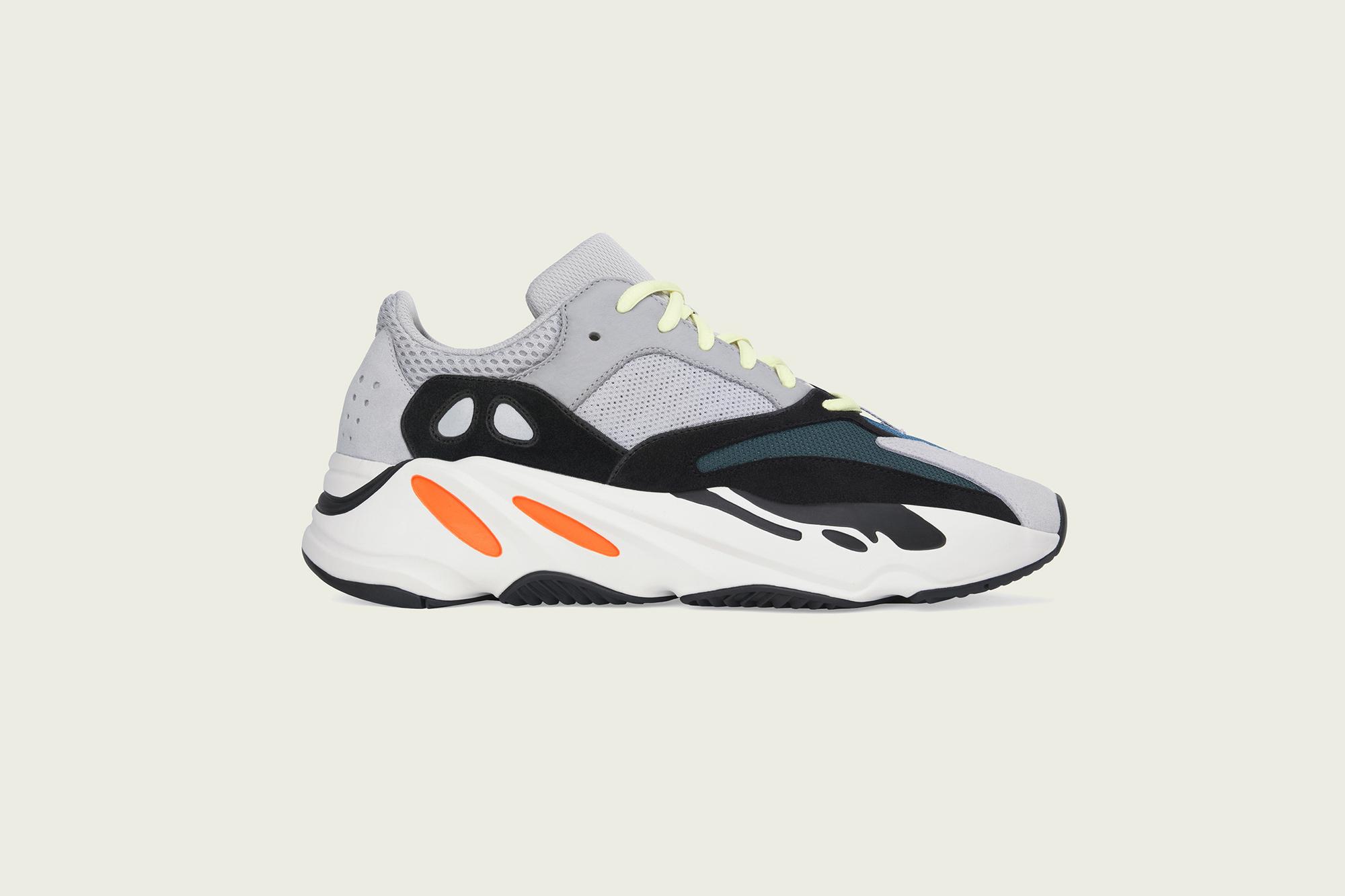
| 700 (V1 & V2) | True to size (TTS) | Suede/Mesh | Encapsulated Boost |
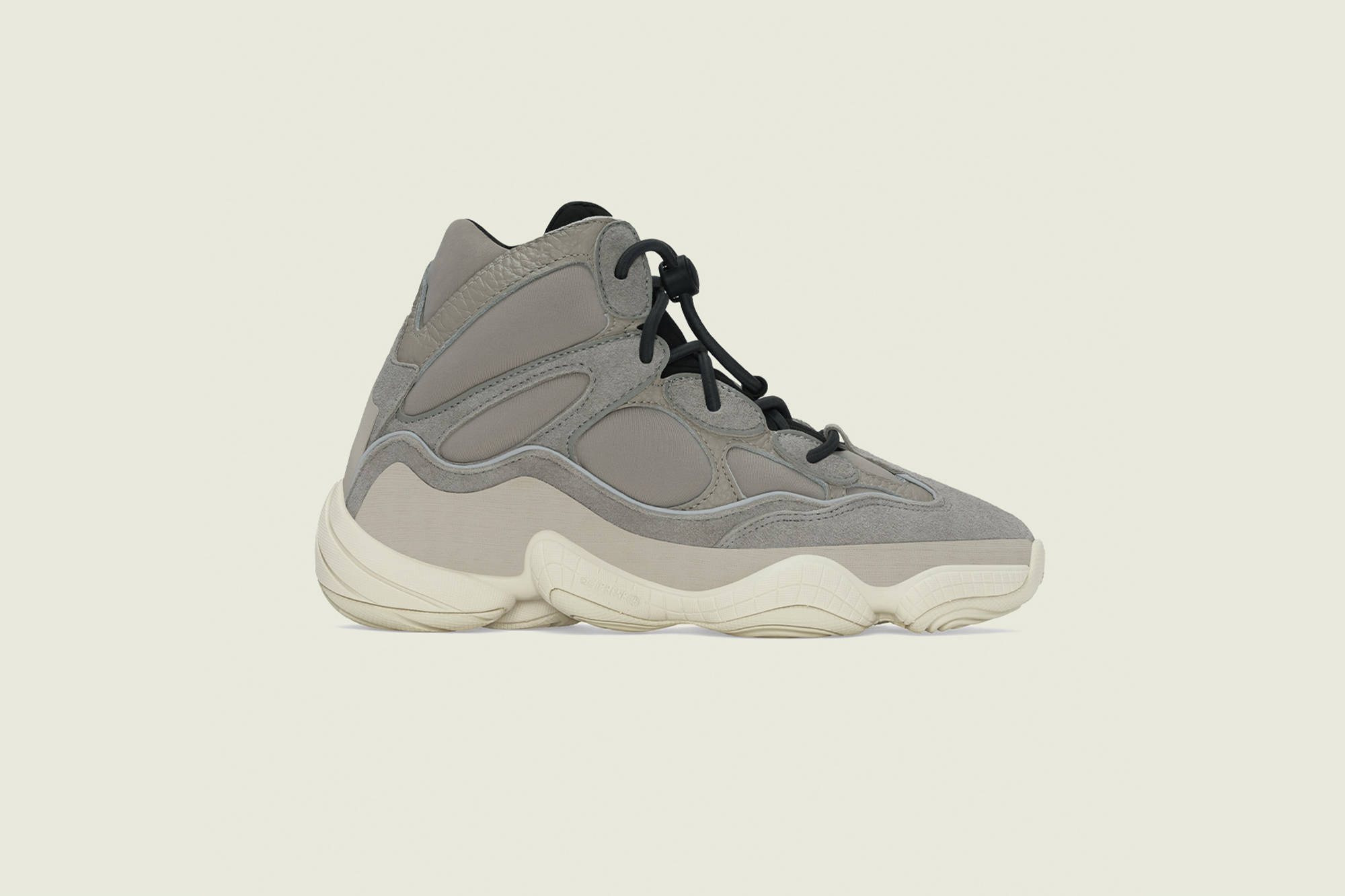
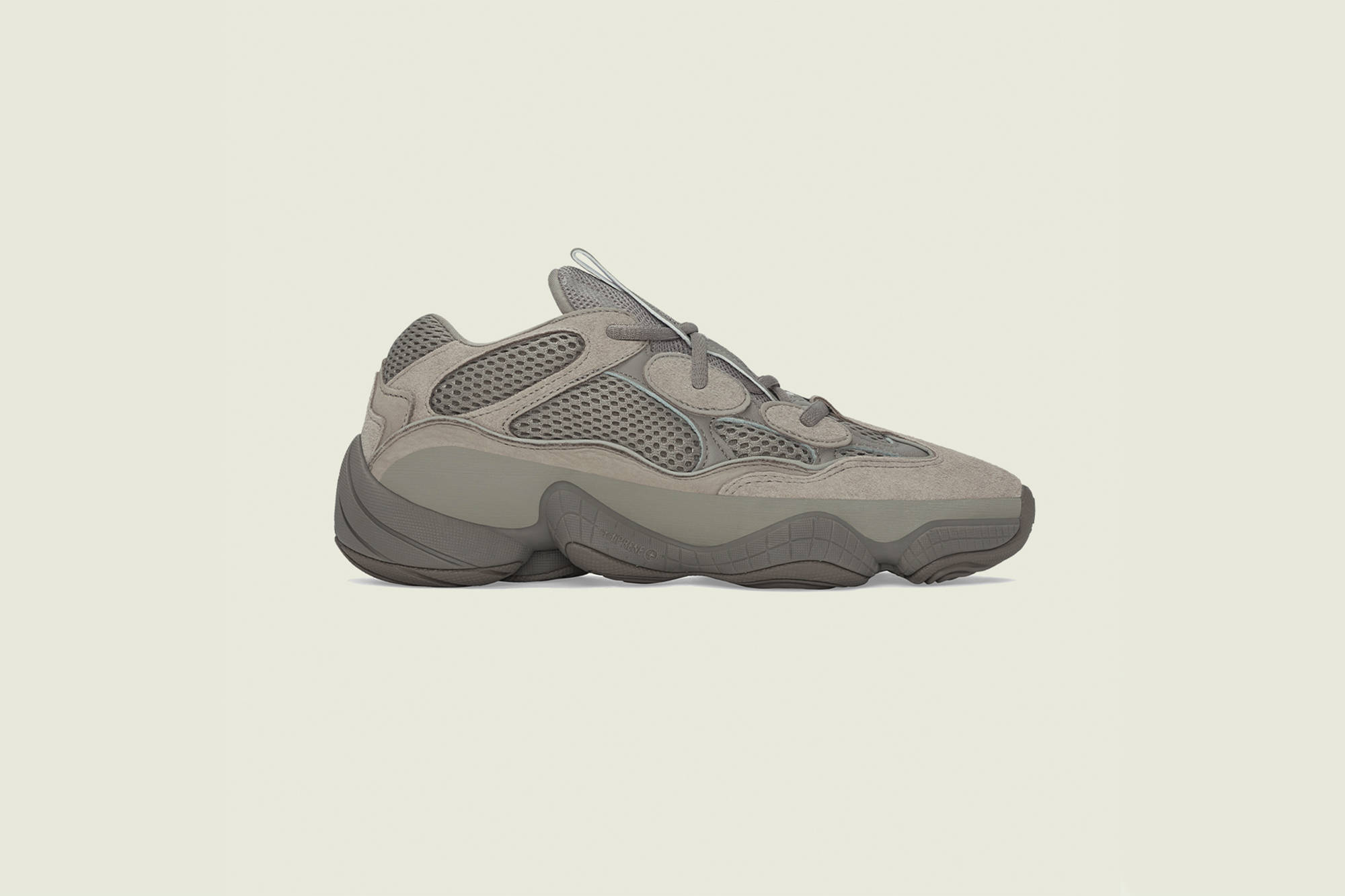
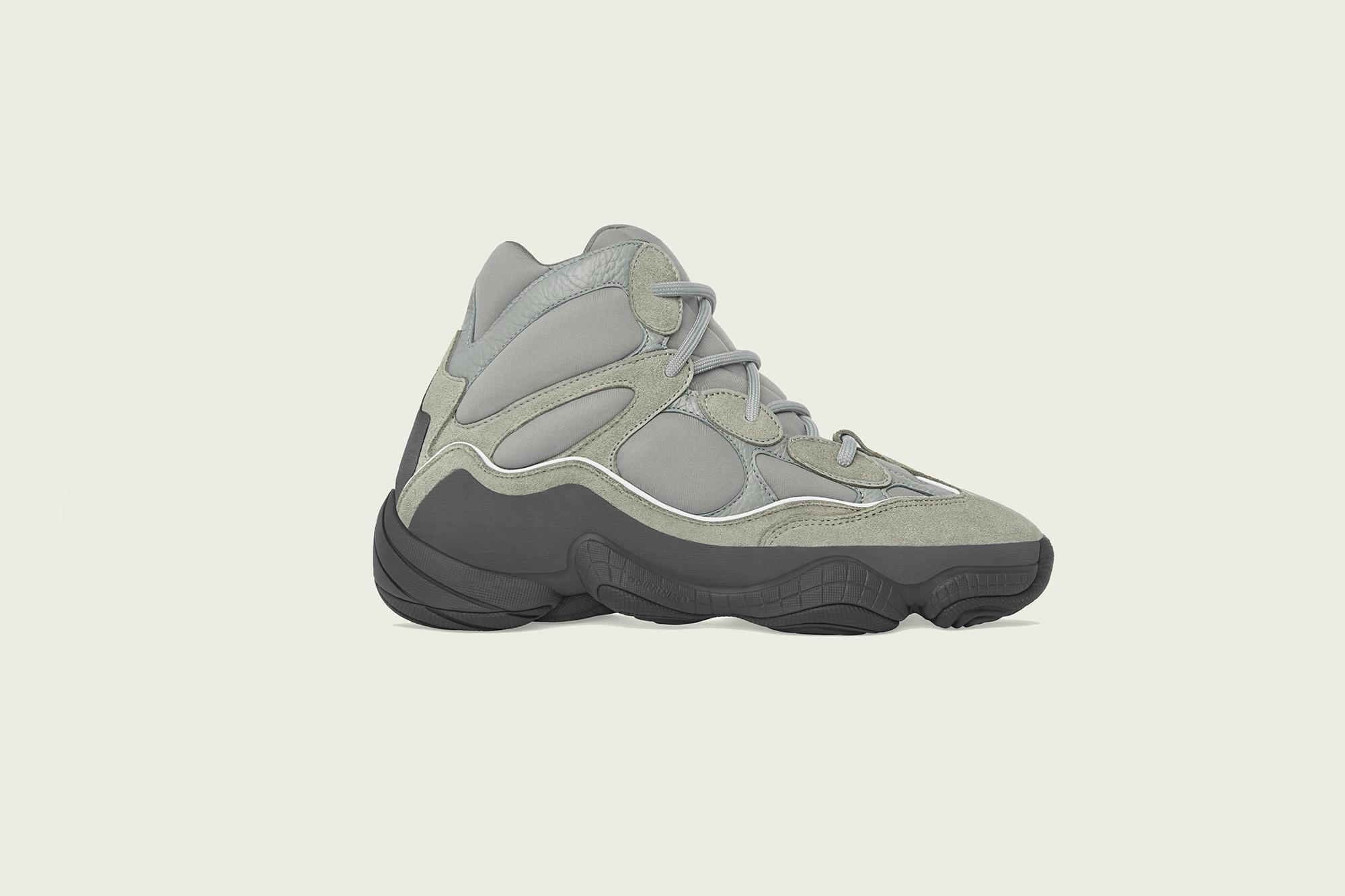
| 500 | True to size | Suede/Mesh | Adiprene+ |
| Foam RNNR | Go 1.0 size up (Full sizes only) | EVA / Algae Foam | N/A |
| Slides | Go 1.0 to 2.0 sizes up | EVA Foam | N/A |
| 700 V3 | Go 0.5 to 1.0 size up | Monofilament Mesh | EVA Foam (No Boost) |
| Yeezy Pods | Use Size Chart (1, 2, 3) | Knit Textile | Minimal Rubber |
Maintenance and Preservation Protocols
To protect the longevity of a Yeezy collection, owners must follow specific cleaning and storage protocols based on the materials involved.
Cleaning Primeknit and Textiles
Owners should avoid standard washing machines unless using a specialized sneaker laundry bag. The preferred method is a manual scrub using a soft-bristle brush for the uppers and a medium-stiff brush for the soles. Using a "non-bleed" solution is essential for colored models like the "Zebra" or "Beluga" to prevent the dyes from running into the white Primeknit.
Suede and Nubuck Care
Models like the 500 and 700 feature high-quality suede overlays. These should never be cleaned with water, as it can "flatten" the nap and cause discoloration. A Suede Eraser and a dedicated suede brush are the standard tools for removing surface dirt and restoring the texture.
Long-term Storage
For collectors in 2026, oxidation is the primary enemy. Storing shoes in their original cardboard boxes is discouraged for long-term preservation because the acid in the cardboard can accelerate yellowing. Instead, owners use UV-protected acrylic drop-front boxes and silica gel packets to control moisture. For Nike-era pairs, some owners go as far as vacuum-sealing the shoes to eliminate oxygen contact entirely.
The 2026 Market Landscape
The value of Yeezy products in 2026 is driven by scarcity and cultural relevance. Since the Adidas split, the market has bifurcated. Common colorways that were overproduced in 2022-2024 have seen a price plateau, making them accessible "daily drivers." Conversely, "OG" colorways (like the original 350 "Turtle Dove" or 750 "Light Brown") have appreciated as they become harder to find in pristine condition.
Owners should be aware of the "Yeezy Supply" effect—the independent releases from Ye often have high initial volatility. Because these products often lack the traditional retail infrastructure, their resale value is closely tied to social media trends and Ye’s current public standing.
Frequently Asked Questions
Are Yeezys still being manufactured in 2026?
Adidas has ceased the production of Yeezy-branded footwear. Current market "new" stock from Adidas is typically old inventory from the final 2023-2024 drops. However, Ye continues to produce footwear independently under the Yeezy brand, focusing on minimalist designs and direct-to-consumer models like the Yeezy Pods.
How do I fix the yellowing on my Yeezy soles?
Yellowing is caused by oxidation. Owners can use "un-yellowing" creams containing hydrogen peroxide, which are applied to the sole and then cured under UV light (either sunlight or a UV lamp). This process removes the oxidation layer, though it may eventually return if the shoes are not stored correctly.
Why do some Yeezys not have Boost technology?
While Boost was the foundation of the Adidas partnership, some models were designed for different aesthetic or price points. The Yeezy 500 uses Adiprene+ for a firmer, more stable feel, while the 700 V3 and some newer independent models use EVA foam to achieve more sculptural shapes that Boost cannot support.
Can I wash my Yeezys in the washing machine?
It is possible for Primeknit models (like the 350), but it is risky. If you must, remove the laces and insoles, put the shoes in a mesh laundry bag, and use a cold, delicate cycle with very little detergent. Never put them in a dryer, as the heat will melt the adhesives and potentially shrink the knit.
Is the Yeezy brand still relevant in the 2026 fashion market?
The brand has transitioned from a dominant "hype" driver to a "legacy" and "avant-garde" staple. While it no longer commands the universal frenzy of the 2016-2018 era, its influence on footwear design—specifically the shift toward organic shapes and earth-tone palettes—remains a fundamental part of 2026 fashion aesthetics.
Recommended Next Steps for Owners
If you are looking to expand your collection or maintain an existing one in 2026, your first priority should be securing high-quality storage solutions to prevent oxidation. Secondly, join verified enthusiast communities that specialize in "legit checking" (LC) to stay updated on the latest counterfeit techniques. For those interested in the newest independent releases, monitor the official Yeezy Supply channels directly, as these releases often bypass traditional sneaker boutiques and apps.
Image Gallery