Mitigating Clueless Adaptation in Campus Green Projects
Clueless adaptation refers to the implementation of sustainability initiatives that ignore site-specific ecological data, campus usage patterns, or long-term maintenance requirements, often resulting in wasted capital and minimal envir...
Clueless adaptation refers to the implementation of sustainability initiatives that ignore site-specific ecological data, campus usage patterns, or long-term maintenance requirements, often resulting in wasted capital and minimal environmental impact. To succeed, campus green projects must move beyond superficial installations and prioritize evidence-based design, stakeholder integration, and rigorous lifecycle cost analysis.
Contents
The Anatomy of Clueless Adaptation
In the context of higher education, "clueless adaptation" manifests when institutions copy-paste sustainability solutions from other regions or climates without local validation. This phenomenon often stems from a disconnect between administrative pressure to demonstrate "green" credentials and the technical expertise required to execute complex infrastructure projects.
Campus environments are unique ecosystems. Unlike generic commercial developments, they feature intense seasonal population fluctuations, high-traffic pedestrian corridors, and legacy infrastructure that may not support modern green technology. When planners ignore these variables, projects frequently suffer from low adoption rates, premature hardware failure, or increased carbon footprints due to intensive maintenance needs.
Common Manifestations of Poor Planning
- Climate-Mismatched Xeriscaping: Replacing traditional lawns with drought-tolerant flora in regions where the plants cannot survive the specific local micro-climate, leading to high replanting costs.
- Tokenistic Renewable Installations: Installing solar arrays in heavily shaded areas or areas with significant structural load limitations, resulting in negligible energy offset.
- Ineffective Smart Metering: Deploying advanced sub-metering systems without establishing a data-management protocol, effectively creating "data graveyards" that never lead to operational efficiency.
Prerequisite Requirements for Success
Before breaking ground, institutions must shift from an aesthetic-focused mindset to a performance-based framework. Authentic green adaptation requires a baseline audit of the campus’s existing energy, water, and waste streams.
Data-Driven Pre-Project Audits
- Usage Intensity Assessment: Analyze occupancy data across the academic calendar. Green systems—such as HVAC controls or automated lighting—must be calibrated to the ebb and flow of student presence, not a static nine-to-five office model.
- Infrastructure Load Compatibility: Evaluate if the existing electrical grid or plumbing network can support retrofitted technology. For instance, high-efficiency heat pump systems often require significant electrical service upgrades that are frequently overlooked in initial budget projections.
- Local Climate Resilience: Consult regional climate data regarding future precipitation and temperature extremes. Using 20th-century historical data to design for 2050-era climate conditions is a critical error in modern institutional planning.
The Lifecycle Cost Fallacy
A primary driver of clueless adaptation is the focus on capital expenditure (CAPEX) while neglecting operational expenditure (OPEX). Many green initiatives are approved because of attractive grants or public-facing "sustainability branding," yet they fail when the ongoing maintenance budget is not aligned with the specialized needs of the new equipment.
For example, a permeable pavement system intended to manage stormwater runoff may seem like a straightforward engineering solution. However, if the facilities team is not equipped with the specific vacuum-sweeping machinery required to keep the pores from clogging with campus debris, the system will lose its permeability within two years, resulting in surface flooding and the loss of the original investment.
Comparative Analysis: Strategic vs. Clueless Adaptation
| Factor | Clueless Adaptation | Strategic Adaptation |
|---|---|---|
| Driver | Public Relations/Trends | Quantitative Resource Audit |
| Maintenance | Neglected in planning | Budgeted at 15–20% of CAPEX |
| Timeline | Short-term (Quarterly/Annual) | Long-term (10–20 Year Horizon) |
| Technology | High-visibility "Token" tech | Infrastructure-integrated tech |
| Metrics | Vanity metrics (e.g., number of trees) | Resource efficiency (e.g., kBTU/sq ft) |
Bridging the Gap: Stakeholder Integration
Clueless adaptation often thrives in siloes. Academic departments, facilities management, and student body organizations frequently operate as separate entities during the planning process. When the facilities team is excluded from the conceptual stage, they are often left to manage systems they do not have the training to operate, leading to "clueless" outcomes.
Institutions should establish a cross-functional project committee. This committee must include representatives from the finance office (to oversee long-term fiscal viability), the faculty of engineering or environmental science (to provide peer-reviewed technical oversight), and the facilities department (to ensure technical feasibility).
Steps to Align Sustainability with Institutional Realities
- Peer Review of Proposals: Before finalizing design, mandate that external sustainability proposals are reviewed by a committee of internal subject-matter experts.
- Operational Capability Assessment: Ensure that the specific equipment selected is serviceable by local contractors or existing on-site staff. If a product requires a proprietary technician from another state for routine maintenance, it is rarely a sustainable choice for a campus.
- Measurable KPI Integration: Define success not by project completion, but by verified performance metrics, such as a documented reduction in kilowatt-hour consumption or gallons of water saved per semester.
Navigating Technical and Regulatory Risks
Regulatory compliance and local codes change rapidly. As of 2026, many municipal codes have become more stringent regarding stormwater runoff and energy efficiency. Clueless adaptation often ignores these shifts, leading to projects that are technically obsolete upon delivery.
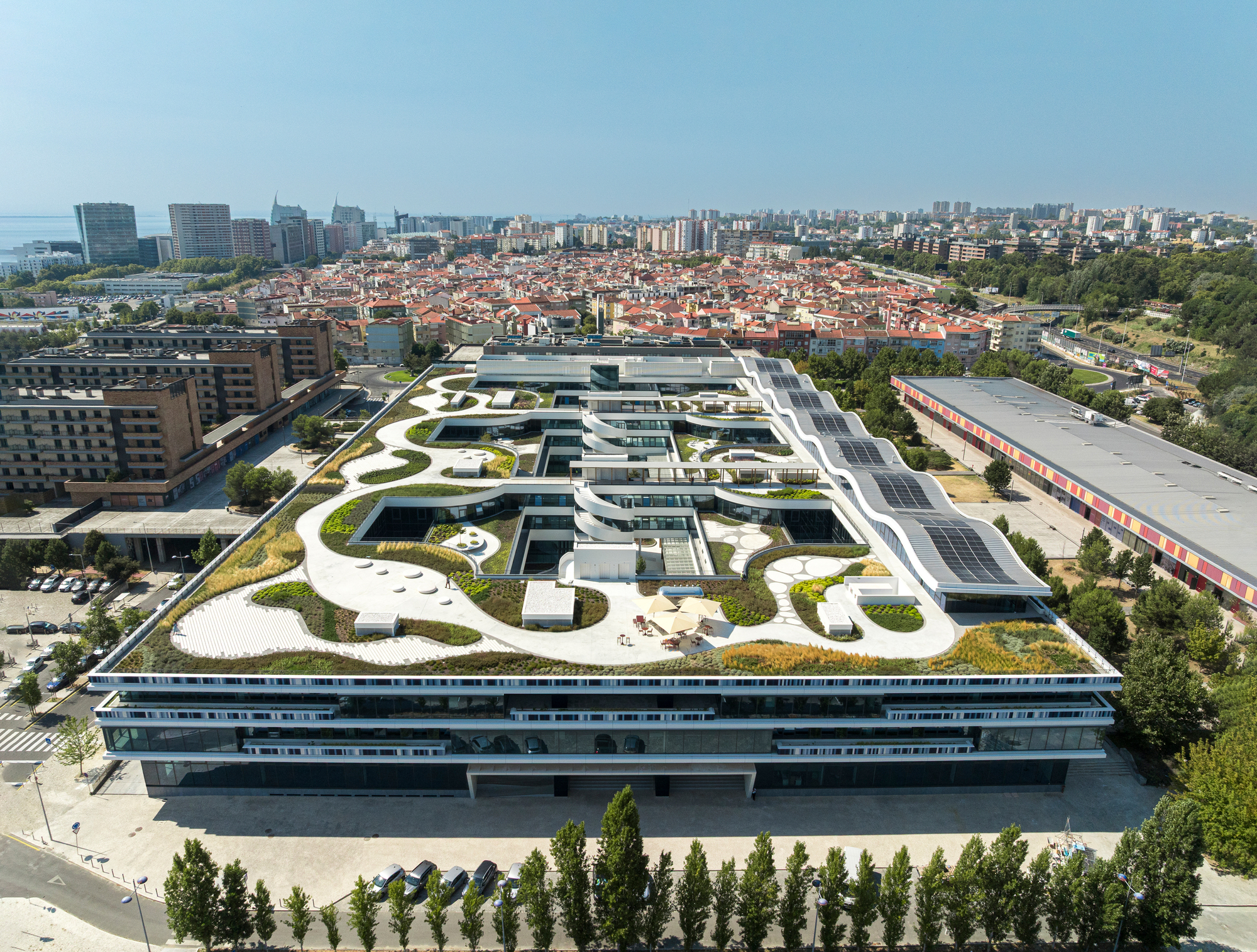
Furthermore, sustainability is increasingly viewed through the lens of liability. If a "green" infrastructure project—such as a rooftop garden or a bio-swale—fails to function correctly, it can lead to structural damage or health and safety risks, such as mold or vector breeding grounds. Legal departments should be consulted early to address liability insurance for non-traditional building installations.
Frequently Asked Questions (FAQ)
What is the most common sign that a campus project is suffering from clueless adaptation?
The most common sign is a "vanity project" that garners attention but lacks ongoing performance reporting. If a university cannot provide clear, post-installation data regarding energy savings or environmental impact, the project was likely driven by optics rather than rigorous environmental strategy.
How do I calculate if a green project is worth the investment?
You must calculate the Total Cost of Ownership (TCO). Add the initial design and construction costs to the projected costs of maintenance, energy usage (or savings), and eventual decommissioning. If the TCO of the green solution is higher than a traditional, efficient standard over 15 years, it may be an example of "clueless" implementation.
Should we rely on student-led initiatives for major projects?
Student interest is a vital catalyst, but student-led initiatives often lack the technical depth for infrastructure. These initiatives should be treated as pilot programs or advocacy efforts that are subsequently vetted and professionalized by the university’s architectural and facilities engineering teams.
What role does climate change modelling play in campus planning?
Climate modelling is essential for preventing premature failure. By 2026, planners are expected to utilize localized climate projections to determine if the species of vegetation or the building materials selected will be viable in a more volatile, hotter, or wetter environment twenty years from now.
How can we troubleshoot a green project that has already failed?
First, conduct a root-cause audit to determine if the failure is mechanical, structural, or behavioral. If the issue is behavioral—such as poor user adoption—redesign the interface. If the issue is mechanical, conduct a cost-benefit analysis to determine if retrofitting the system or reverting to a standard, reliable baseline is the most fiscally responsible path forward.
Moving Toward Sustainable Maturity
The transition from clueless adaptation to mature, strategic sustainability is not merely about choosing the right technology; it is about changing the institutional culture. Institutions must shift their focus from the "launch" of green initiatives to the long-term stewardship of those assets.
Successful campus green projects require the humility to recognize that not every trend is applicable to every campus. By prioritizing technical audits, ensuring departmental cross-pollination, and committing to strict lifecycle fiscal planning, universities can transform their campuses into living, functioning models of environmental efficiency. Start by auditing your current projects against their original performance projections; this discrepancy is often where the path to improvement begins.
Image Gallery