West Papua Safe Travel Guide 2026: Navigating the Frontier of Indonesia
Traveling to West Papua in 2026 is safe for most visitors, provided you stick to established tourism hubs like Raja Ampat, Biak, and Manokwari. However, safety depends heavily on the specific province and current political climate. Whi...
Traveling to West Papua in 2026 is safe for most visitors, provided you stick to established tourism hubs like Raja Ampat, Biak, and Manokwari. However, safety depends heavily on the specific province and current political climate. While coastal areas are generally peaceful, the central highlands require significant caution and specific travel permits due to ongoing civil unrest.
Contents
West Papua—a term often used to describe the entire Indonesian half of New Guinea—has undergone significant administrative changes. As of 2026, the region is divided into six distinct provinces: Papua, West Papua, Central Papua, South Papua, Highland Papua, and Southwest Papua. Understanding these boundaries is critical for safety, as the security situation fluctuates significantly between the calm turquoise waters of the coast and the volatile mountain ranges of the interior.
Understanding the Regional Security Landscape in 2026
The primary safety concern in West Papua stems from a long-standing independence movement. While this conflict rarely targets foreign tourists directly, visitors can inadvertently be caught in the crossfire of civil protests, roadblocks, or skirmishes between security forces and armed groups.
In 2026, the Indonesian government maintains a heavy security presence in the central highlands. Areas such as Puncak, Nduga, and Intan Jaya remain high-risk zones where travel is strongly discouraged by most international consulates. Conversely, the "Bird’s Head" peninsula—comprising Southwest Papua and West Papua provinces—remains the most stable region for international travelers.
The Provincial Divide: Where to Go
To plan a safe journey, you must distinguish between the different administrative zones. Each has its own security profile:
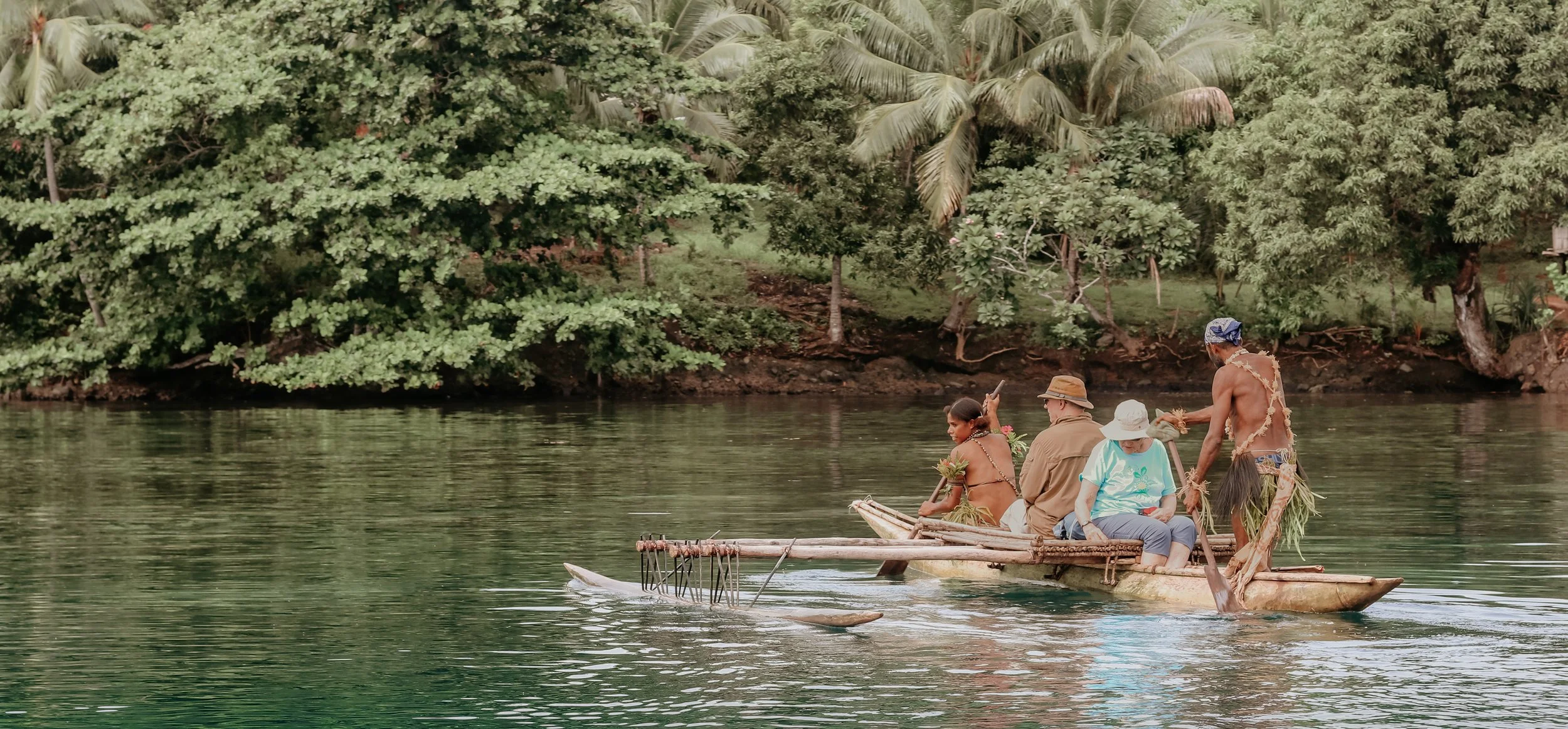
- Southwest Papua (Sorong & Raja Ampat): This is the safest and most visited part of the region. Local authorities prioritize tourist safety here because it is a vital economic driver.
- West Papua (Manokwari & Arfak Mountains): Generally safe for eco-tourism and birdwatching.
- Papua (Jayapura & Biak): The provincial capital, Jayapura, is stable but can experience occasional political demonstrations. Biak Island is exceptionally peaceful.
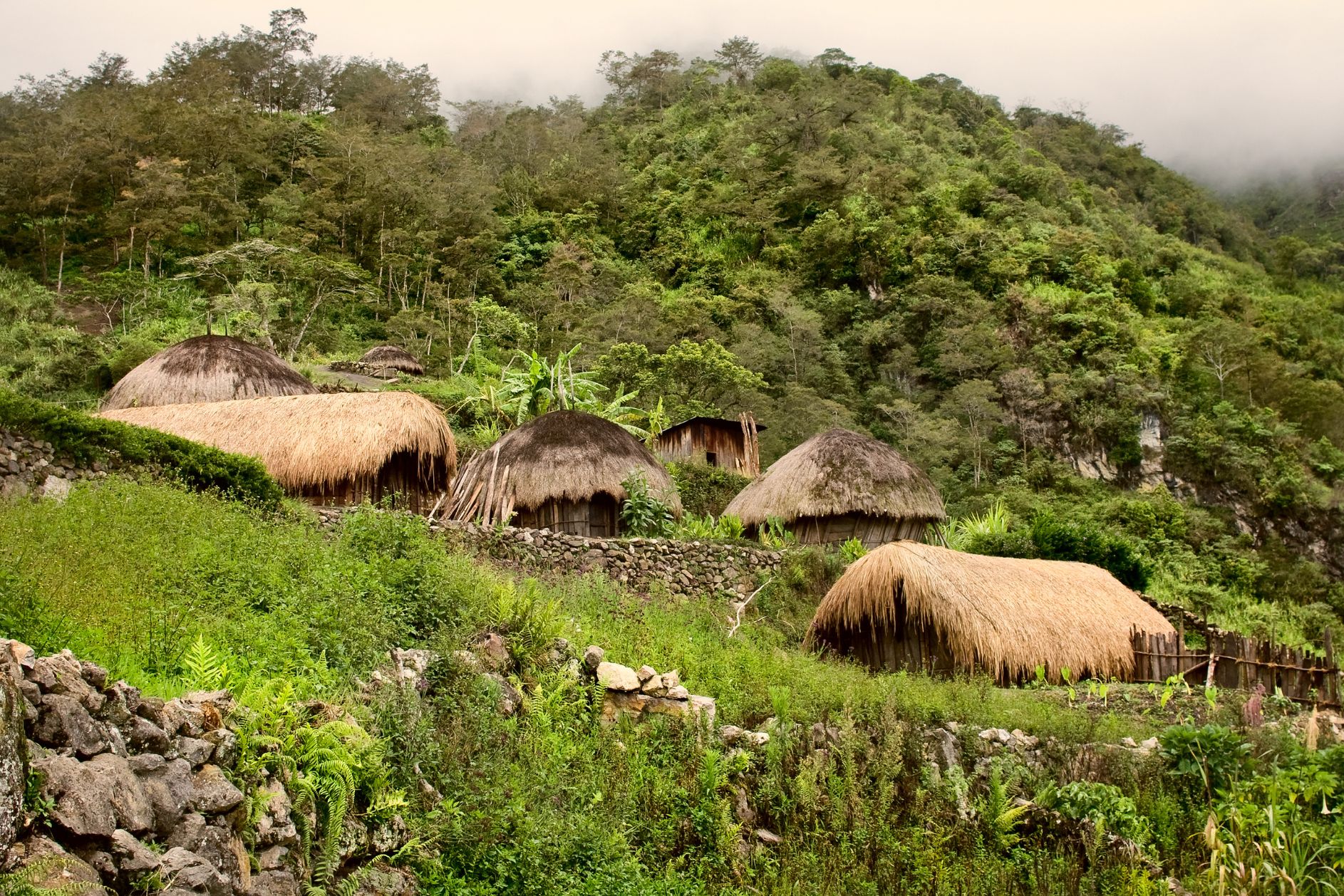
- Highland Papua (Wamena & Baliem Valley): This is the most complex area. While the Baliem Valley Festival continues to attract visitors, the surrounding mountains are prone to sudden shifts in security.
- Central and South Papua: Merauke (South) is generally stable, while the inland areas of Central Papua near the Grasberg mine involve stricter security protocols.
Essential Documentation and the Surat Jalan
One of the most important safety and legal requirements for traveling in West Papua is the Surat Jalan (Travel Permit). While the requirements for this document have relaxed in major tourist hubs, it remains a necessity for anyone venturing into the interior.
Who Needs a Surat Jalan?
If you are only visiting Raja Ampat or the city centers of Sorong, Manokwari, or Jayapura, you generally do not need a Surat Jalan. However, if you plan to visit the Baliem Valley or any remote village in the highlands, the permit is mandatory.
How to Obtain the Permit
To secure a Surat Jalan, you must visit a local police station (POLDA or POLRES) in a major city like Jayapura or Sorong. You will need:
- Two copies of your passport (photo page and valid Indonesian visa).
- Two passport-sized photographs (red or blue background is standard in Indonesia).
- A detailed list of the villages or districts you intend to visit.
- A small administrative fee (though often officially free, a nominal processing fee is common).
Safety Tip: Always carry at least ten photocopies of your Surat Jalan. You will be required to submit a copy to the local police or military post (Koramil) upon arriving in any remote village. This system is designed to track your location for your own safety in case of an emergency.
Regional Safety Overview and Risk Assessment
| Province | Primary Hub | Safety Level | Permit Required? | Known Risks |
|---|---|---|---|---|
| Southwest Papua | Sorong / Raja Ampat | High (Safe) | No | Sea currents, malaria |
| West Papua | Manokwari | High (Safe) | No (for city) | Rare civil protests |
| Papua | Jayapura / Biak | Medium | Usually No | Political demonstrations |
| South Papua | Merauke | Medium | Yes (for interior) | Logistical isolation |
| Highland Papua | Wamena | Low (Caution) | Yes | Armed conflict, tribal tension |
| Central Papua | Nabire / Timika | Low (Caution) | Yes | Mining-related unrest |
Health and Environmental Safety
Beyond political concerns, environmental and health risks are the most common challenges travelers face in West Papua. The region’s infrastructure is limited, and medical facilities outside of Jayapura and Sorong are basic at best.
Malaria and Tropical Diseases
West Papua remains a high-risk zone for Malaria. In 2026, strains in this region are often resistant to older medications. Travelers must consult a travel clinic at least a month before departure to obtain the correct prophylaxis (typically Malarone or Doxycycline).
Prevention Checklist:
- Use DEET-based repellents from dusk until dawn.
- Always sleep under a treated mosquito net in rural areas or homestays.
- Be aware of Dengue Fever, which is also prevalent in urban centers like Jayapura.
Marine Safety in Raja Ampat
For many, the "safe travel" concern is less about politics and more about the ocean. Raja Ampat is famous for its strong currents. If you are diving or snorkeling, always use a reputable operator with functional radio equipment and oxygen on board. Never snorkel alone, as "downcurrents" can pull even experienced swimmers into deep water.
Water and Food Safety
Tap water is not potable anywhere in West Papua. Use bottled or filtered water for drinking and even for brushing teeth in rural areas. "Papua Tummy" (diarrhea) is common among visitors due to different bacterial strains in food. Stick to hot, freshly cooked meals and avoid raw vegetables in remote villages.
Cultural Etiquette and Conflict Avoidance
Respecting local customs is a core component of staying safe. Papuan culture is deeply rooted in tribal traditions and land ownership.
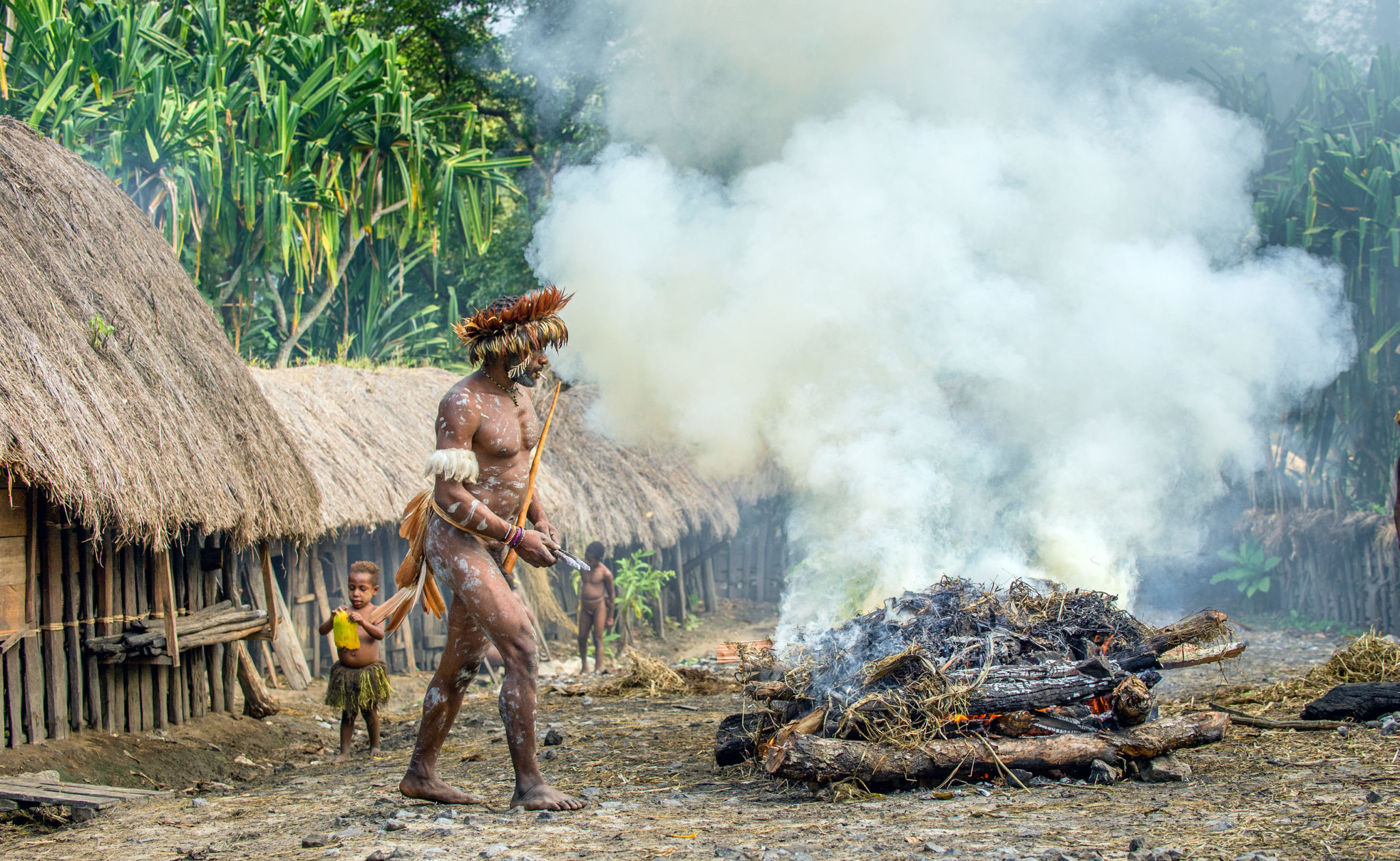
- Photography Sensitivities: Always ask permission before taking photos of people, particularly elders or those in traditional dress. In some areas, a small tip (often called "uang rokok" or cigarette money) may be expected.
- Political Symbols: Avoid wearing or carrying any symbols associated with the independence movement, specifically the Morning Star flag. Displaying this flag is illegal under Indonesian law and can lead to immediate detention and deportation.
- Land Disputes: Almost all land in West Papua is "Adat" (customary) land. Do not hike off-trail or enter forest areas without a local guide. Trespassing, even unintentionally, can lead to aggressive confrontations with local landowners demanding compensation.
- The Concept of Time: "Jam Karet" (rubber time) is extreme here. Flights, boats, and guides will often be late. Maintaining a calm, patient demeanor is essential; showing anger is considered a loss of face and can alienate locals who are otherwise helpful.
Transportation Logistics and Infrastructure
Safe travel in West Papua requires a flexible itinerary. The region relies heavily on air travel, as there are no trans-island highways connecting the major provinces.
Flying Safely
Airlines like Garuda Indonesia and Batik Air offer the most reliable service to Sorong and Jayapura. For smaller bush flights into the interior (like Susi Air or Trigana Air), be prepared for cancellations due to weather. The mountainous terrain makes flying in Highland Papua inherently risky; never pressure a pilot to fly if they suggest the weather is poor.
Sea Travel
The Pelni passenger ships are a safe and affordable way to travel between coastal cities, but they are slow. For Raja Ampat, use the "Express Bahari" ferries from Sorong to Waisai. These are well-maintained and take approximately two hours.
Common Mistakes to Avoid
- Underestimating Costs: West Papua is the most expensive region in Indonesia. Logistics, fuel, and food are costly due to the reliance on imports from Makassar or Java. Running out of cash in a remote area is a significant safety risk, as ATMs are rare outside of cities.
- Ignoring Local Advice: If your guesthouse owner or a local guide tells you not to go to a certain area today because of "ramai" (crowds/unrest), listen to them. Local word-of-mouth is faster and more accurate than any news report.
- Overpacking: If you are taking small planes to the highlands, there is a strict 10kg to 15kg weight limit. Excess baggage can lead to you being bumped from a flight, leaving you stranded.
Frequently Asked Questions
Is Raja Ampat safe for solo female travelers?
Yes, Raja Ampat is generally very safe for solo female travelers. The local communities in the homestays are welcoming and protective of guests. However, standard precautions should be taken: avoid walking alone in isolated jungle areas at night and ensure someone knows your planned route for the day.
Do I need a special visa for West Papua?
No, the standard Indonesian e-Visa (B1) or Visa on Arrival (VoA) is sufficient for entry into West Papua. However, remember that the Surat Jalan is a separate internal requirement for certain districts, not a visa issue.
Is the Baliem Valley safe to visit in 2026?
The Baliem Valley (Wamena) is generally accessible, but safety can change week to week. In 2026, it is vital to check with your embassy or a local ground operator in Jayapura before flying to Wamena. Avoid any travel to the surrounding regencies like Nduga or Puncak.
What should I do if a protest breaks out?
If you encounter a political demonstration or a roadblock, do not take photos or videos. Return to your accommodation immediately and stay indoors. Most demonstrations are localized and pass within a few hours.
Are there international hospitals in West Papua?
No. While there are hospitals in Sorong (RSUD Sele Be Solu) and Jayapura (RSUD Dok II), they do not meet international standards for complex procedures. For any serious medical emergency, medical evacuation to Darwin (Australia), Singapore, or Jakarta will be necessary. Ensure your travel insurance covers "medevac."
Practical Recommendation for 2026
For the safest experience, focus your itinerary on Southwest Papua and the Biak Islands. If you are determined to visit the highlands, hire a certified local guide from the Himpunan Pramuwisata Indonesia (HPI). They act as cultural liaisons and can navigate the complexities of local politics and "Adat" laws, ensuring your journey is both respectful and secure.
Image Gallery