How Much Bath Salt Should I Use for a Relaxing Soak?
For a standard-sized bathtub, the ideal amount of bath salt for a relaxing soak is between 1 and 2 cups (approximately 250 to 500 grams). This concentration provides enough magnesium and minerals to soothe tired muscles and soften the...
For a standard-sized bathtub, the ideal amount of bath salt for a relaxing soak is between 1 and 2 cups (approximately 250 to 500 grams). This concentration provides enough magnesium and minerals to soothe tired muscles and soften the skin without causing irritation or disrupting the water’s natural pH balance.
Contents
As we move through 2026, the focus on home wellness and hydrotherapy has reached a new peak of sophistication. While a simple bath was once seen as a basic hygiene ritual, it is now understood as a precise science of mineral concentration and thermal regulation. To achieve a truly restorative experience, the volume of salt you add must be calibrated to your tub’s capacity, your skin’s sensitivity, and the specific mineral profile of the salt you are using.
Whether you are seeking relief from physical exertion or looking to decompress after a high-stress workday, understanding the "why" behind salt concentrations is essential for maximizing the therapeutic benefits of your bath.
The Science of Mineral Concentration in 2026 Hydrotherapy
The effectiveness of a bath soak is largely determined by osmotic pressure and the concentration of minerals in the water. When you add bath salts—typically magnesium sulfate (Epsom salt), sodium chloride (sea salt), or magnesium chloride—to warm water, they dissociate into their respective ions.
Understanding Magnesium Absorption
Magnesium is the primary driver of relaxation in most bath salt formulations. Research updated in early 2026 continues to explore the extent of transdermal magnesium absorption. While the skin is an excellent barrier, prolonged soaking in a highly concentrated mineral solution may help facilitate local muscle relaxation by influencing the electrolytes in the skin's outer layers. By using 1 to 2 cups of salt, you create a solution that is significantly more mineral-dense than tap water, encouraging a "drawing out" effect that can help reduce minor swelling and ease localized tension.
Skin Hydration and Barrier Function
Using the correct amount of salt is also vital for skin health. Over-salting a bath can lead to "osmotic thirst" for the skin, where the high salt concentration on the outside actually pulls moisture out of your skin cells, leaving you feeling itchy and dry. Conversely, a moderate concentration—the 1 to 2-cup range—can actually support the skin barrier, particularly when using salts rich in potassium and calcium, such as those sourced from the Dead Sea.
Choosing the Right Type of Bath Salt
Not all salts are created equal, and the volume you use may vary based on the mineral density and the "cut" of the salt.
Epsom Salt (Magnesium Sulfate)
Epsom salt is the gold standard for muscle recovery. It is highly soluble and generally inexpensive. Because it is a pure chemical compound, it is very predictable. Most experts recommend 2 cups of Epsom salt for a therapeutic soak intended to address DOMS (Delayed Onset Muscle Soreness) or general physical fatigue.
Sea Salt and Dead Sea Salt
Sea salts are often denser and contain a wider spectrum of minerals beyond just magnesium. Because of the presence of bromide, potassium, and calcium, sea salts are often used at a slightly lower concentration for general relaxation—typically 1 to 1.5 cups. Dead Sea salt, specifically, is favored for its skin-soothing properties and is often used in 2026 spa protocols to treat dry skin conditions.
Himalayan Pink Salt
Mined from ancient sea beds, Himalayan salt contains trace amounts of iron oxide (which gives it the pink hue) and dozens of other minerals. While visually stunning, it is often sold in larger "rocks." If you are using coarse Himalayan salt, aim for roughly 1.5 cups of crushed salt to ensure it dissolves fully before you enter the tub.
Calculating Dosage Based on Bathtub Size
The "1 to 2 cups" rule applies to the standard American alcove tub, which typically holds about 35 to 45 gallons of water. However, modern 2026 home designs often feature larger freestanding or "soaker" tubs that require more volume to achieve the same mineral concentration.
| Tub Type | Average Capacity | Recommended Amount (Relaxation) | Recommended Amount (Therapeutic) |
|---|---|---|---|
| Standard Alcove Tub | 35–45 Gallons | 1 Cup | 2 Cups |
| Large Freestanding/Garden Tub | 60–80 Gallons | 2 Cups | 3–4 Cups |
| Japanese Soaking Tub (Ofuro) | 60–100 Gallons | 2.5 Cups | 4 Cups |
| Foot Soak Basin | 1–2 Gallons | 1/4 Cup | 1/2 Cup |
Adjusting for Water Volume
If you are unsure of your tub's capacity, a good rule of thumb is to add 1/2 cup of salt for every 15 gallons of water for a maintenance soak, and double that for a high-intensity recovery soak. Avoid filling the tub to the absolute brim before adding salt; the displacement of your body will raise the water level, and you don't want to lose your expensive mineral solution down the overflow drain.
Step-by-Step Guide to the Perfect Soak
To get the most out of your salt, the application process matters as much as the measurement.
- Set the Temperature: The water should be warm but not scalding. Aim for approximately 100°F to 102°F (37°C to 39°C). Water that is too hot can cause the heart rate to rise excessively and may actually prevent the minerals from interacting effectively with the skin as the body focuses on cooling itself down via sweat.
- Add Salt Under Running Water: Pour your measured 1 to 2 cups of salt directly under the faucet as the tub fills. The kinetic energy of the falling water helps the crystals dissolve much faster, ensuring you aren't sitting on undissolved, abrasive grains.
- Agitate the Water: Use your hand to swirl the water and ensure no clumps remain at the bottom.
- The Soaking Duration: To allow for proper mineral interaction and to trigger the parasympathetic nervous system (the "rest and digest" mode), you should soak for at least 15 to 20 minutes. Staying in much longer than 30 minutes can lead to skin pruning and dehydration.
- Rinse and Hydrate: After your soak, a quick rinse in cool water can help close the pores and remove any excess salt residue. It is also imperative to drink a full glass of water immediately after exiting the bath to replenish fluids lost through perspiration.
Safety Precautions and Professional Guidance
While bath salts are generally safe for the majority of the population, there are several considerations to keep in mind as of 2026.
Medical Considerations
Individuals with diabetes should consult with a healthcare provider before using high concentrations of bath salts, as the heat and mineral content can affect circulation and skin sensitivity in the extremities. Similarly, those with congestive heart failure or high blood pressure should be cautious with very hot baths and high salt concentrations, as these can place additional strain on the cardiovascular system.
Skin Sensitivity
If you have broken skin, open wounds, or severe eczema, the salt may cause a stinging sensation. According to the National Eczema Association, while some salt baths are recommended for certain types of dermatitis, the concentration must be carefully monitored to avoid flare-ups. Always perform a small "patch soak" for your feet if you are trying a new brand of scented or colored bath salts.
Pregnancy
Pregnant women should always check with their obstetrician. Generally, Epsom salt baths are considered safe and even helpful for swelling, but the water temperature must remain below 100°F to avoid raising the core body temperature to levels that could be harmful to the fetus.
Enhancing the Soak: Beyond the Salt
In 2026, the concept of "bath stacking"—combining multiple wellness modalities—is a popular way to increase the efficacy of a 20-minute soak.
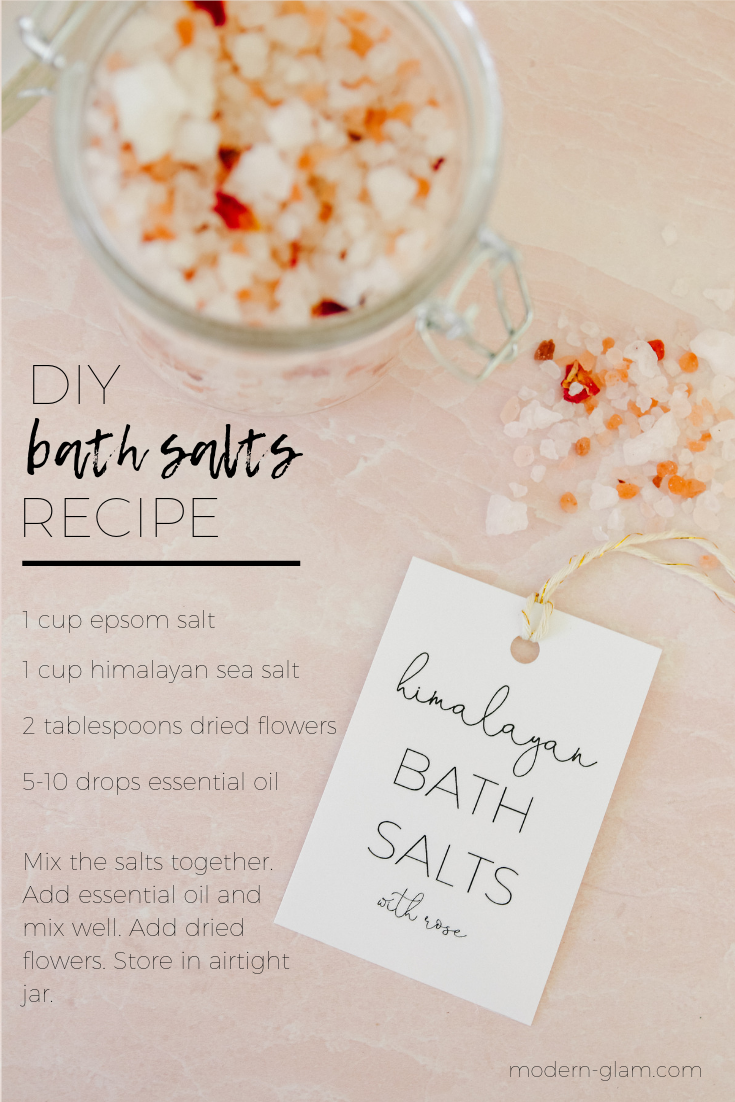
- Essential Oil Integration: If your bath salts are unscented, you can add 5–10 drops of essential oils like lavender for sleep or eucalyptus for respiratory clarity. Always mix the oil into the salt before adding it to the water to ensure the oil disperses rather than floating in a concentrated film on top.
- Magnesium Flakes vs. Epsom Salts: For those with extremely sensitive skin, consider swapping Epsom salt for magnesium chloride flakes. These are often perceived as "gentler" on the skin barrier while providing high mineral availability.
- Post-Bath Transition: The relaxation doesn't end when you pull the plug. To lock in the benefits, apply a high-quality moisturizer or body oil while the skin is still slightly damp. This helps seal in the hydration provided by the bath.
Frequently Asked Questions
Can I use too much bath salt?
Yes. Using excessive amounts of bath salt (more than 4-5 cups in a standard tub) can lead to skin irritation, extreme dryness, and in some cases, lightheadedness due to the intense osmotic effect. It is also a waste of product, as the water can only hold a certain amount of dissolved solids before reaching saturation.
Should I use bath salts every day?
For most people, a salt soak 2 to 3 times per week is the "sweet spot" for maintaining muscle health and managing stress. Daily soaking in high concentrations of salt may dry out the skin unless you are very diligent with post-bath moisturizing.
Do bath salts expire?
Pure salts like Epsom or Himalayan salt do not "expire" in terms of safety, but they can absorb moisture from the air and clump together. However, bath salts with added essential oils or dried botanicals typically have a shelf life of 12 to 24 months before the oils go rancid or the scent fades.
Can I use bath salts in a hot tub or jetted tub?
You should exercise extreme caution here. Many manufacturers of jetted tubs advise against using salts because the crystals can be abrasive to the pump seals or cause corrosion in the internal plumbing. Always check your specific model’s manual before adding anything other than approved water conditioners.
Is it better to use scented or unscented salts?
This depends on your goals. Unscented salts are better for those with sensitive skin or allergies. Scented salts provide the added benefit of aromatherapy, which can significantly enhance the psychological relaxation aspect of the soak. In 2026, many premium brands use natural terpenes rather than synthetic "fragrance" to provide these scents.
Practical Recommendation
To begin your journey toward a more effective recovery routine, start with 1.5 cups of pharmaceutical-grade Epsom salt in a warm bath. Observe how your body feels during and after the soak. If you find your skin feels excessively dry, reduce the amount to 1 cup next time. If you feel you need more relief for sore muscles, increase the dose to 2 cups. For the best results, schedule your soak approximately 60 to 90 minutes before bed; the natural drop in body temperature that occurs after you exit the warm water acts as a biological signal to your brain that it is time for deep, restorative sleep.
Image Gallery