Where to Invest IRA Money Wisely: A Strategic Framework for 2026
Investing IRA money wisely requires aligning your asset allocation with your time horizon, risk tolerance, and long-term financial objectives. The most effective approach involves building a diversified portfolio of low-cost, tax-effic...
Investing IRA money wisely requires aligning your asset allocation with your time horizon, risk tolerance, and long-term financial objectives. The most effective approach involves building a diversified portfolio of low-cost, tax-efficient assets—such as index funds, exchange-traded funds (ETFs), or target-date funds—within a traditional or Roth IRA structure to maximize the power of tax-deferred or tax-free compounding.
Contents
Understanding Your IRA Investment Landscape
An Individual Retirement Account (IRA) is not an investment in itself; it is a tax-advantaged vessel that holds your investments. Whether you maintain a Traditional IRA, where contributions may be tax-deductible, or a Roth IRA, where growth and withdrawals are tax-free, the underlying assets function similarly to those in a standard brokerage account. However, because these accounts are intended for long-term retirement security, the strategy should prioritize consistent, sustainable growth over short-term speculative gains.
In 2026, the economic environment remains complex, characterized by fluctuating interest rates and evolving market valuations. For most individual investors, the "wisest" path is not chasing market trends, but maintaining a disciplined, automated strategy that minimizes management fees and tax drag.
Asset Allocation: The Foundation of Success
Asset allocation is the process of dividing your portfolio among different asset classes, such as stocks, bonds, and cash equivalents. This decision typically accounts for the majority of your investment returns over time.
1. Equities (Stocks)
Equities are essential for long-term growth. Within an IRA, you might consider broad-market index funds or ETFs that track major indices like the S&P 500 or total stock market funds. These provide immediate diversification across hundreds of companies, mitigating the risk associated with individual stock selection.
2. Fixed Income (Bonds)
Bonds provide a defensive hedge against stock market volatility. In an IRA, the income generated by bonds is not taxed annually (unlike in a taxable account), making it a suitable environment for interest-bearing assets. Government bonds, high-quality corporate bonds, or bond funds can stabilize a portfolio as you approach your target retirement age.
3. Alternative Investments
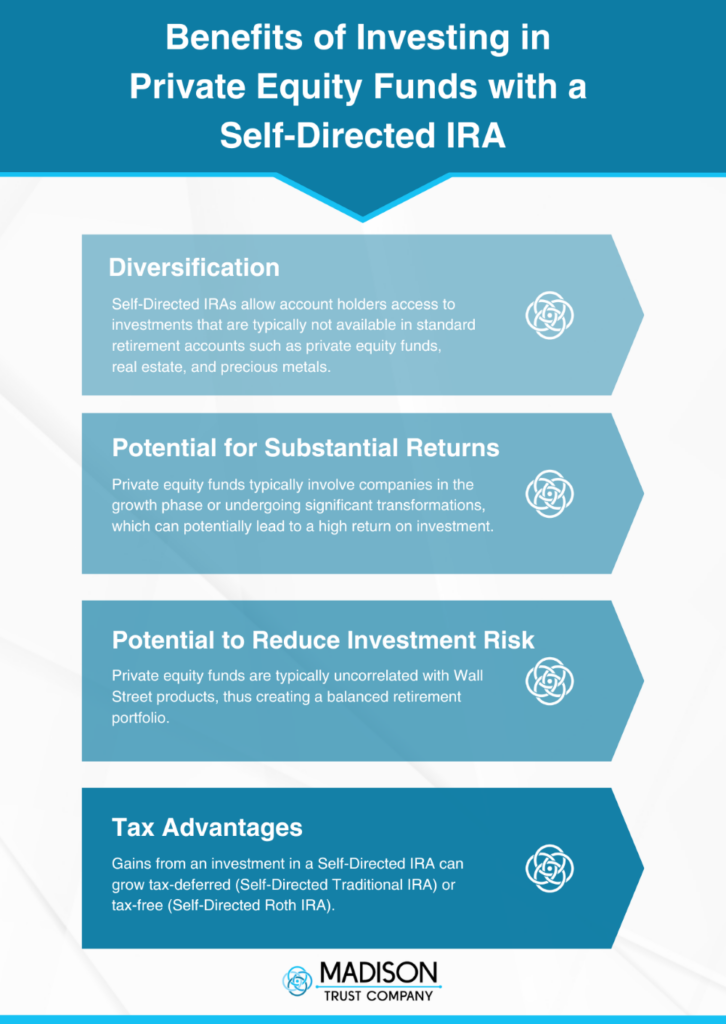
Some investors utilize Self-Directed IRAs to invest in non-traditional assets like real estate, precious metals, or private equity. While these offer the potential for high returns or non-correlated performance, they often involve higher fees, lower liquidity, and significant regulatory complexity. These should typically be reserved for sophisticated investors with deep expertise in those specific sectors.
The Role of Target-Date Funds
For many investors, the challenge of rebalancing a portfolio periodically leads to "analysis paralysis." Target-Date Funds (TDFs) solve this by offering a "set-it-and-forget-it" solution. A TDF automatically adjusts its asset allocation—becoming more conservative as you approach your anticipated retirement date.
- Pros: Simplified management, automatic rebalancing, and professional oversight.
- Cons: Potential for higher expense ratios compared to a "DIY" portfolio of individual index funds, and limited control over the specific underlying assets.
Comparative Overview of Investment Vehicles
The following table outlines common investment choices found in IRAs, categorized by risk and typical management requirements.
| Asset Class | Risk Level | Primary Goal | Management Effort |
|---|---|---|---|
| Total Stock Market Index | Moderate-High | Long-term growth | Low |
| Target-Date Fund | Varies by Age | Retirement lifecycle | Very Low |
| Bond Funds | Low-Moderate | Income & Stability | Low |
| Individual Stocks | Very High | Capital appreciation | High |
| Real Estate/Private Equity | High | Diversification/Yield | Very High |
Common Mistakes to Avoid
Even with a strong strategy, common pitfalls can erode your IRA’s long-term value. Recognizing these errors is the first step toward avoiding them.
Timing the Market
Trying to predict market peaks and troughs is statistically ineffective for most individuals. Instead of attempting to time the market, adopt a "dollar-cost averaging" strategy—investing a fixed amount of money at regular intervals regardless of share prices. This naturally buys more shares when prices are low and fewer when they are high.
Over-Concentration
Holding too much of your portfolio in a single sector or company increases your exposure to idiosyncratic risk. If a single industry faces a downturn, an over-concentrated portfolio will suffer disproportionate losses. True diversification across geography, sector, and asset class is your primary defense against such risks.
Ignoring Fee Structures
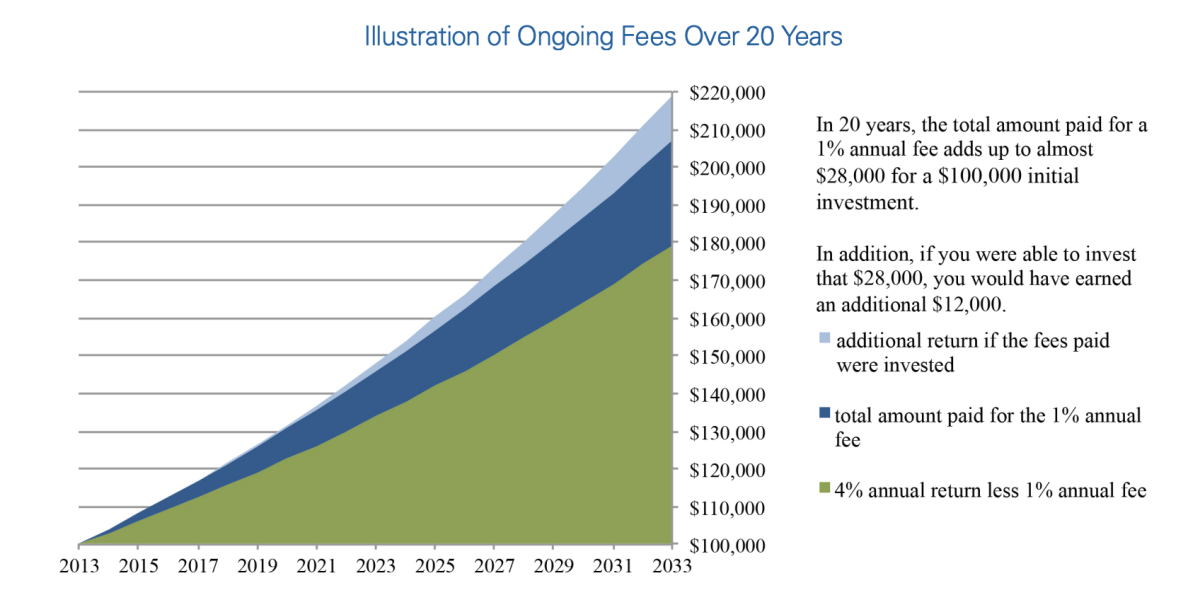
Investment fees, such as expense ratios in mutual funds, act as a drag on your compound returns. In 2026, there is no structural reason to pay high fees for standard market exposure. Always look for funds with low expense ratios; over thirty years, a 1% fee difference can result in a tens of thousands of dollars difference in your ending balance.
Jurisdictional and Regulatory Considerations
Before moving IRA funds, ensure you are compliant with Internal Revenue Service (IRS) regulations. For instance, moving money between accounts should be handled via "trustee-to-trustee" transfers to avoid triggering taxable distributions or early withdrawal penalties. If you are under the age of 59½, be acutely aware that withdrawing your principal or earnings prematurely—unless under specific exemptions—will result in a 10% penalty plus applicable income taxes.
Investors should also note that IRA contribution limits are subject to annual adjustments set by the IRS. Always verify the current year’s contribution limits to ensure you are maximizing your tax-advantaged space without over-contributing.
Frequently Asked Questions
Is it better to hold bonds or stocks in my IRA? The choice depends on your time horizon. Younger investors typically lean toward stocks for growth, while those closer to retirement increase bond holdings to preserve capital. Because IRAs offer tax-deferred or tax-free growth, they are excellent environments for assets that would otherwise generate high annual tax bills in a standard account.
Can I invest in cryptocurrency through my IRA? Yes, but only through specialized providers that offer "Crypto IRAs." These are complex, often high-fee, and involve significant volatility. They should be approached with caution and constitute only a small percentage of an overall diversified retirement strategy.
How often should I rebalance my IRA portfolio? Rebalancing typically occurs annually or whenever your asset allocation drifts significantly (e.g., 5% or more) from your target. If you use a target-date fund, this rebalancing happens automatically within the fund’s management structure.
What is the minimum amount needed to start investing? Many brokerage platforms in 2026 offer zero-minimum accounts, allowing you to begin investing with as little as the cost of a single share or even fractional shares. Starting small and contributing consistently is more important than waiting for a large lump sum.
Next Actions
- Assess Your Time Horizon: Determine exactly how many years remain until you intend to access your funds.
- Audit Your Current Holdings: Review your existing IRA account via your brokerage’s online portal to see what you currently own and identify the total expense ratios of your funds.
- Streamline: If your portfolio is cluttered with dozens of individual stocks or high-fee funds, consider consolidating them into a small selection of low-cost, broad-market index funds or a target-date fund.
- Automate: Set up automatic monthly contributions from your checking account to your IRA to ensure consistent participation in the market.
Image Gallery