What to Expect on King's Day 2026 in the Netherlands
King's Day 2026 in the Netherlands will transform the country into a massive, vibrant orange celebration on Monday, April 27, featuring nationwide street markets, canal boat parties, live music concerts, and festive royal traditions. V...
King's Day 2026 in the Netherlands will transform the country into a massive, vibrant orange celebration on Monday, April 27, featuring nationwide street markets, canal boat parties, live music concerts, and festive royal traditions. Visitors and locals can expect crowded public transit, strict municipal regulations, and a sea of orange-clad crowds celebrating King Willem-Alexander's birthday.
Contents
Understanding King’s Day: History and Cultural Significance
King’s Day, known locally as Koningsdag, is the premier national holiday of the Netherlands. It marks the birthday of King Willem-Alexander and serves as an unmatched display of Dutch national unity, community spirit, and cultural heritage. The tradition originated on August 31, 1885, as Princess's Day (Prinsessedag), celebrating the fifth birthday of Princess Wilhelmina. When she ascended the throne, it evolved into Queen's Day (Koninginnedag).
For generations, the holiday was celebrated on April 30 under Queen Beatrix. Upon her abdication in 2013, King Willem-Alexander succeeded the throne, shifting the official date to April 27, which is his actual date of birth. When April 27 falls on a Sunday, as it occasionally does, the main festivities are traditionally shifted to the preceding Saturday (Koningsnacht or King's Night) to respect Sunday rest laws, though official royal visits may vary. In 2026, April 27 falls on a Monday, meaning the celebrations will span both the preceding weekend and peak on Monday itself.
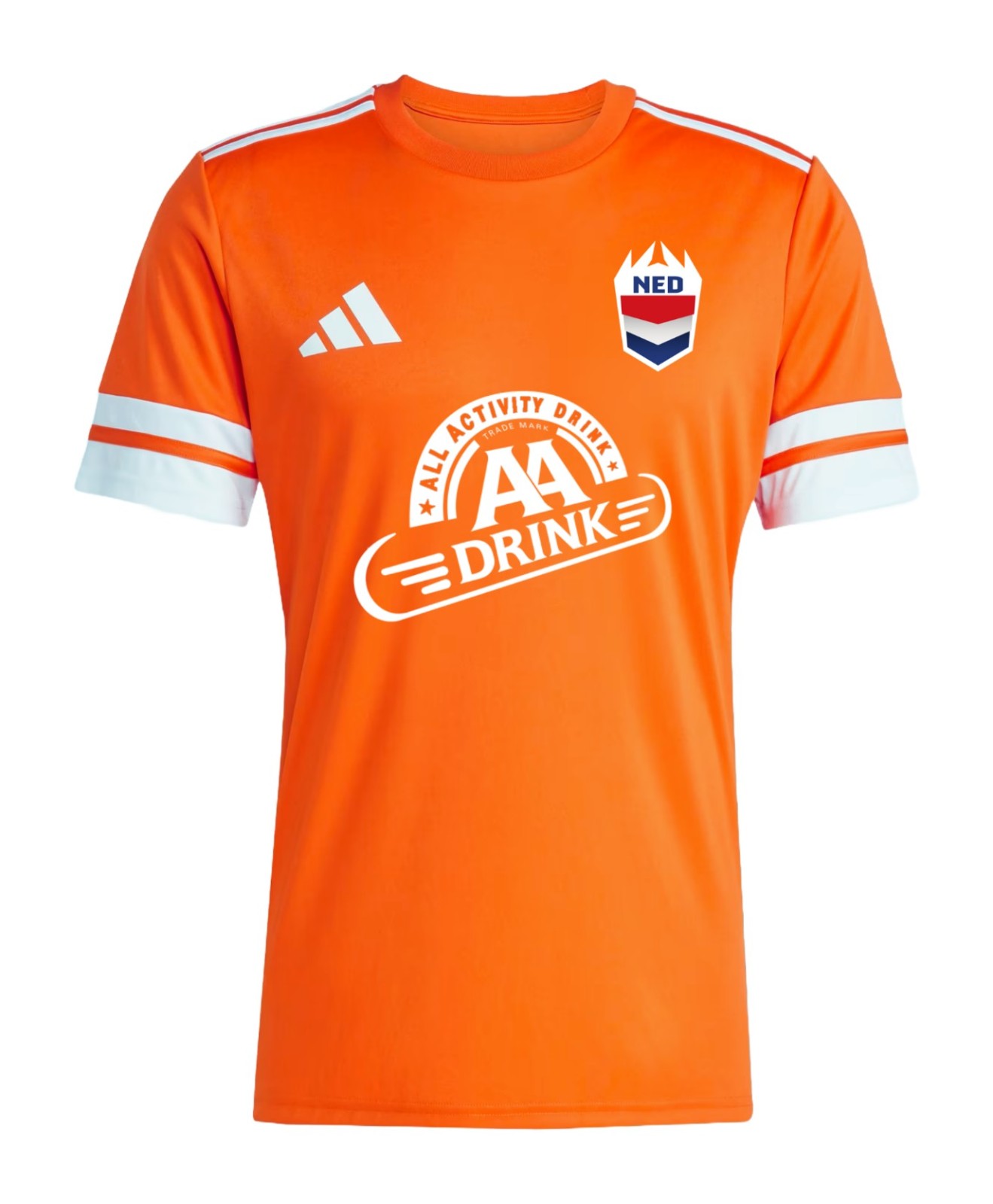
The cultural identity of the day is anchored by the color orange—a direct nod to the House of Orange-Nassau. Millions of people across the country dress from head to toe in bright orange apparel, dye their hair, paint their faces, and accessorize with crowns, capes, and flags. It is also the one day of the year when the strict Dutch regulatory environment regarding public commerce relaxes significantly, allowing anyone to sell goods on the street without a commercial license.
The Royal Family’s Official Visit in 2026
While street parties capture the public imagination, the royal family maintains an active role by visiting a designated Dutch municipality every year. During this visit, King Willem-Alexander, Queen Máxima, and participating members of the royal house tour the host city to engage with local citizens, experience regional traditions, view cultural performances, and participate in interactive games.
The host municipality is typically announced months in advance by the Rijksvoorlichtingsdienst (Government Information Service). Thousands of locals gather along the designated walking route to catch a glimpse of the royals, who traditionally wear touches of orange and interact directly with the crowds. Broadcasters air the entire royal tour live on national television (NPO), allowing residents across the nation to follow the celebrations if they choose not to brave the crowded street festivals in major urban hubs like Amsterdam, Rotterdam, or Utrecht.
For travelers and residents planning to visit the host city, arriving hours before the scheduled royal procession is essential to secure a viewing spot near the barriers. Local security forces implement strict access controls, bag checks, and temporary road closures along the royal itinerary.
Nationwide Street Markets: The Vrijmarkt
The defining economic and social phenomenon of King’s Day is the vrijmarkt (free market). On this single day, the Dutch government lifts standard municipal licensing requirements for street vending, transforming public parks, bridges, sidewalks, and residential squares into sprawling flea markets.
People of all ages lay out blankets on the pavement to sell secondhand household items, used books, old toys, clothing, and handmade crafts. Children frequently set up games, play musical instruments for spare change, or sell home-baked goods.
- Bargaining: Haggling over prices is a standard, lighthearted part of the vrijmarkt experience. Having small euro coins and cash on hand is crucial, as few amateur vendors accept digital payment methods like Tikkie or debit cards.
- Prime Locations: Major parks like Vondelpark in Amsterdam feature dedicated children's zones where only minors are permitted to sell goods, starting early in the morning around 6:00 AM or 9:00 AM depending on local rules.
- Cleanup and Etiquette: Vendors are strictly required to pack up their unsold items and clear their designated spots by late afternoon, leaving public spaces clean for municipal sanitation crews.
Urban Celebrations: What to Expect in Major Cities
The scale and atmosphere of King’s Day vary significantly depending on where you celebrate in the Netherlands. Major urban centers attract millions of visitors, each offering a distinct flavor of festivities.
Amsterdam
Amsterdam is the undisputed epicenter of King's Day. The city's population swells as millions descend upon the canal ring.
- Canals: Thousands of private boats, sloops, and commercial tour vessels pack the Prinsengracht and Keizersgracht canals, creating floating street parties with loud electronic music and dense crowds.
- Streets and Squares: Major squares like Museumplein and Rembrandtplein host organized music festivals and outdoor stages featuring Dutch artists and DJs.
- Logistics: The municipality bans cars from the inner city, and pedestrian traffic management systems are enacted to prevent overcrowding on narrow canal bridges.
Rotterdam
Rotterdam takes a more modern and architectural approach to King's Day. Known for its skyline and expansive public spaces, the city hosts large electronic dance music (EDM) festivals, extensive street markets along the Coolsingel and Binnenwegplein, and vibrant neighborhood street parties organized by local community groups.
The Hague and Utrecht
- The Hague (Den Haag): Offers a blend of royal heritage and massive street concerts. The Koningsnacht (King's Night) music events held in the city center on the night of April 26 are among the largest and most famous in the country.
- Utrecht: Renowned for its unique multi-level canals, Utrecht hosts one of the largest vrijmarkt events in the Netherlands, which actually kicks off the evening before on April 26, drawing bargain hunters from across Europe.
| City | Primary Attraction | Best For | Transportation Advisory |
|---|---|---|---|
| Amsterdam | Canal boat parties, Vondelpark kids market, massive crowds | High-energy nightlife & iconic scenery | Expect severe walking congestion; no central metro/tram service in core zones. |
| Rotterdam | Skyline concerts, modern street festivals, large public squares | Electronic music fans & spacious venues | Good transit integration, but expect temporary diversions near event hubs. |
| Utrecht | Extensive overnight vrijmarkt, historic canal cellars | Antique shopping & traditional flea markets | Central station is extremely busy; walking is faster than public transit. |
| The Hague | Huge Koningsnacht concerts, royal proximity | Live music and vibrant night scenes | Tram lines adjust routes; check local transit apps for real-time updates. |
Transportation and Public Transit Disruptions
Navigating the Netherlands on King’s Day requires careful planning. Standard public transit schedules are suspended in favor of high-frequency holiday timetables, and severe restrictions are imposed on inner-city traffic.
- Trains: Nederlandse Spoorwegen (NS) operates extra-long trains and increased frequencies to major cities, but stations experience extreme crowding. Passengers are strongly advised to check the NS planner before departing and allow extra travel time. Alcohol is generally prohibited on trains and in stations during King's Day to maintain safety.
- Trams and Buses: Inner-city tram and bus lines in Amsterdam, Rotterdam, and Utrecht are heavily disrupted or halted entirely due to street closures and pedestrian foot traffic. Walking is frequently the fastest method of transportation within city centers.
- Bicycles: Riding a bicycle through major celebration zones on King's Day is discouraged and often impossible due to dense crowds. Cyclists must frequently walk their bikes or park them in guarded peripheral parking facilities. Abandoned bicycles obstructing pedestrian routes or emergency pathways are swiftly removed by municipal authorities.
Practical Safety, Etiquette, and Rules
While King's Day is known for its joyful, welcoming, and relaxed atmosphere, participating safely requires keeping a few essential logistical and cultural guidelines in mind.
- Dress Code: Wearing orange is not legally mandated, but failing to wear at least a small orange accessory (such as a scarf, hat, or t-shirt) can make you stand out. Thrift stores and supermarkets across the country stock inexpensive orange apparel in the weeks leading up to the holiday.
- Cash vs. Digital: While contactless payment is ubiquitous in the Netherlands year-round, street vendors at the vrijmarkt rely heavily on cash. Furthermore, cellular networks in crowded city centers frequently experience outages or slowdowns due to network congestion, making mobile payment apps unreliable. Carrying physical cash for small purchases is a practical necessity.
- Public Restrooms: Public toilets in city centers are scarce, and local bars and restaurants often charge a small fee for non-customers or restrict restroom access exclusively to patrons. Municipalities install temporary public urinals (Piskolven) throughout major cities, but planning restroom breaks ahead of time prevents significant inconvenience.
- Alcohol Regulations: Drinking alcohol in public spaces is culturally accepted and tolerated on King’s Day, provided individuals remain orderly and respectful. However, glass bottles are banned in many event zones to prevent injuries in crowded areas; purchasing canned beverages or transferring drinks to plastic cups is standard practice.
Frequently Asked Questions
Is everything closed on King's Day in the Netherlands?
Banks, government offices, schools, and corporate businesses are closed on King's Day, as it is a national public holiday. However, supermarkets, retail stores, and restaurants in major tourist areas often remain open, though many operate on modified holiday hours or close early in the afternoon.
Do I need to buy tickets for King's Day celebrations?
Walking through the streets, browsing the vrijmarkt, and enjoying the public atmosphere is completely free and requires no ticket. However, organized indoor and outdoor music festivals, club nights, and specific concert venues require advance ticket purchases, which frequently sell out weeks ahead of the event.
Can tourists sell items at the vrijmarkt?
Yes. The free market rule applies universally, meaning anyone—including international visitors—can set down a blanket and sell items in permitted public spaces. No registration or commercial permit is required, provided you do not block pedestrian pathways, sell prohibited items (such as commercial goods, alcohol, or pharmaceuticals), or leave trash behind.
What happens if it rains on King's Day?
King's Day proceeds rain or shine. Dutch weather in late April is notoriously unpredictable, shifting rapidly between bright spring sunshine and chilly rain showers. Locals dress in layers and carry lightweight rain jackets rather than umbrellas, which can easily poke fellow pedestrians in dense crowds.
Conclusion and Final Recommendations
To make the most of King's Day 2026, decide on your preferred style of celebration well in advance—whether that involves hunting for bargains at a neighborhood vrijmarkt, dancing at an electronic music festival, or watching the royal family's municipal tour on television. Arrive early, wear orange, carry cash for minor purchases, and rely on walking rather than public transit within urban centers to navigate the festivities safely and efficiently.
Image Gallery