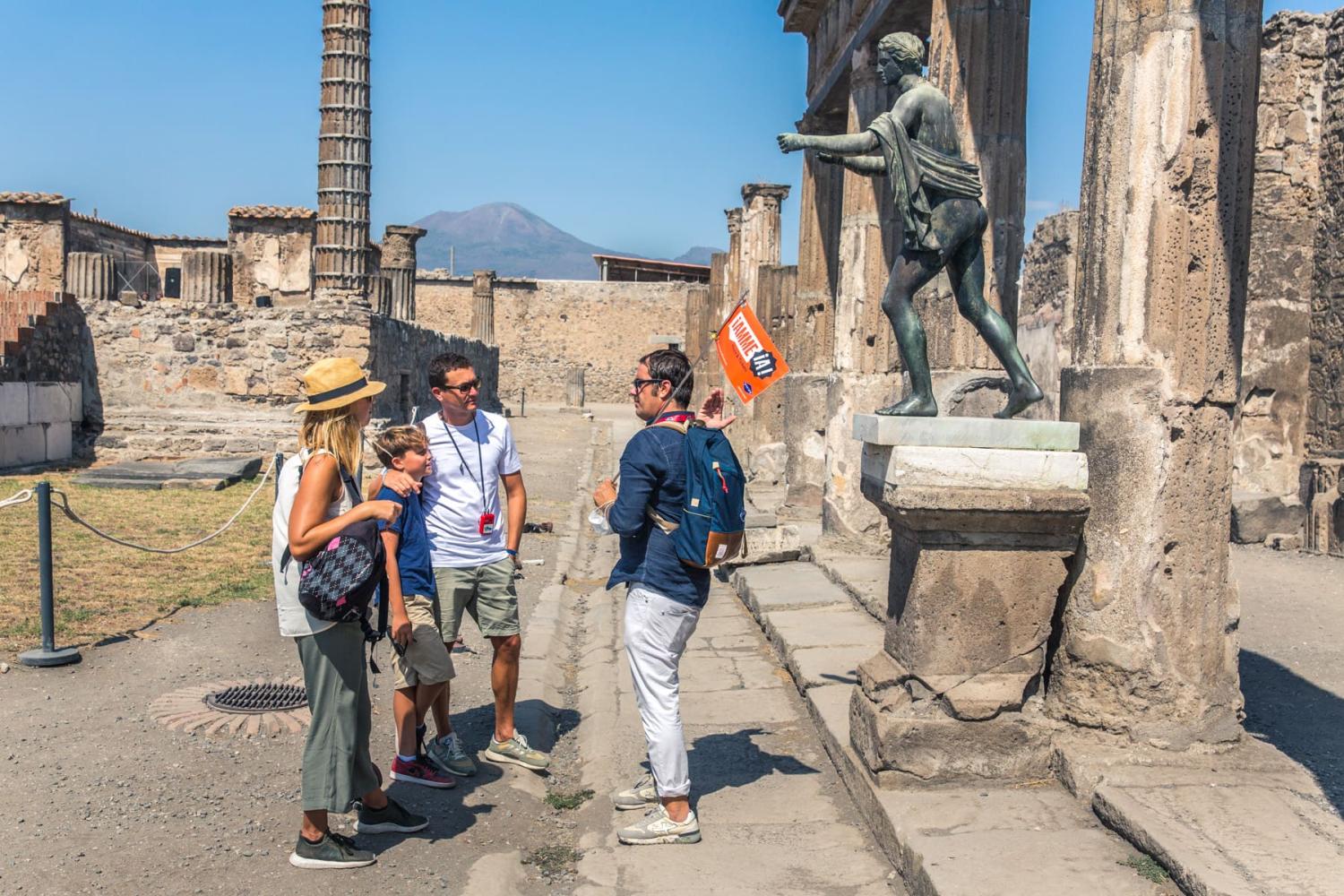
Navigating the Ancient City: The Essential Guide to a Private Tour of Pompeii in 2026
A private tour of Pompeii provides a personalized, deep-dive exploration of the 66-hectare archaeological site, allowing visitors to bypass the logistical hurdles of large crowds. By hiring a licensed archaeological guide, you receive...
A private tour of Pompeii provides a personalized, deep-dive exploration of the 66-hectare archaeological site, allowing visitors to bypass the logistical hurdles of large crowds. By hiring a licensed archaeological guide, you receive a tailored itinerary that focuses on your specific historical interests, ensures efficient navigation of the complex ruins, and provides access to the most recent excavations and insights into Roman life.
Contents
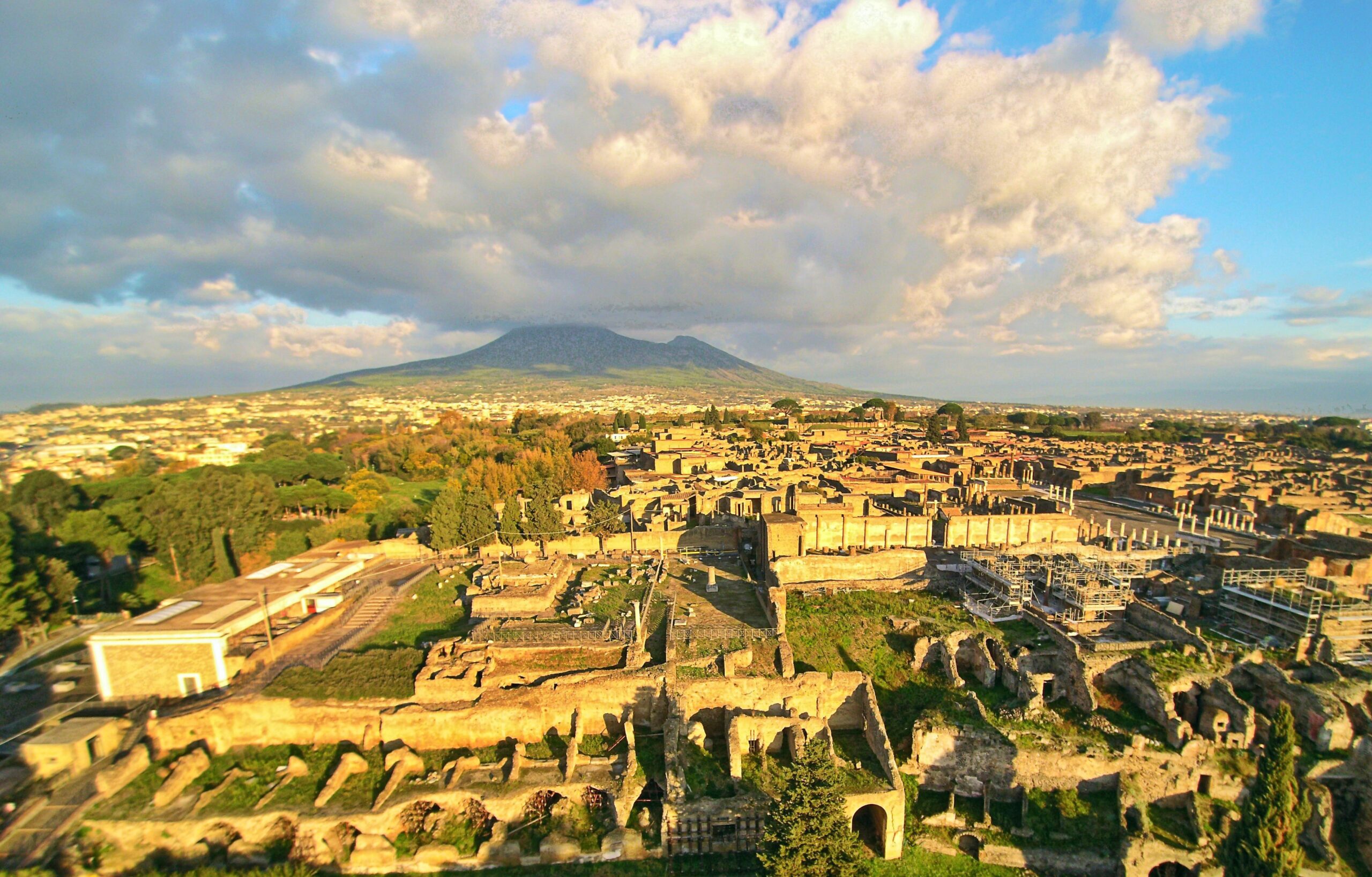
As of 2026, the Pompeii Archaeological Park remains one of the most visited cultural sites in the world. While many visitors attempt to navigate the ruins independently, the sheer scale of the city—much of which remains an active excavation site—often leads to "ruin fatigue" and missed historical context. A private tour transforms a walk through dusty streets into a vivid narrative of the events leading up to and following the eruption of Mount Vesuvius in 79 AD.
Why a Private Tour is Essential for the Pompeii Experience
Pompeii is not a museum in the traditional sense; it is a sprawling urban landscape. Choosing a private tour over a standard group excursion or a solo visit offers several material advantages regarding educational depth and physical comfort.
Personalized Itineraries and Pacing
Large group tours typically follow a rigid path, often focusing on the "greatest hits" like the Forum and the Lupanar (brothel). In contrast, a private guide can adjust the route based on your mobility levels, interests, and the current crowd density. If you are particularly interested in Roman engineering, your guide can focus on the complex water systems and lead pipes still visible in the streets. If your interest lies in domestic life, they can prioritize the smaller, more intimate houses that groups often skip.
Expert Interpretation of Recent Excavations
Archaeology is a dynamic field. By 2026, several new areas in Regio V and Regio IX have been opened to the public, featuring remarkably preserved frescoes and inscriptions that rewrite our understanding of the city's final days. A professional guide, often an archaeologist themselves, provides context for these new discoveries that audio guides and guidebooks may not yet include. They can explain the technical process of plaster casting used to preserve the forms of the victims, providing a somber and accurate historical perspective.
Navigating the "Hidden" Pompeii
Many of the most impressive villas in Pompeii operate on a rotating opening schedule to preserve their delicate interiors. Licensed guides have real-time knowledge of which buildings are open on any given day. This expertise ensures you do not waste time trekking to the Villa of the Mysteries or the House of the Vettii only to find them closed for maintenance.
Strategic Planning for Your 2026 Visit
To maximize the value of a private tour, several logistical factors must be coordinated well in advance of your arrival at the Porta Marina or Piazza Esedra entrances.
Booking Windows and Seasonal Considerations
Pompeii experiences significant seasonal fluctuations. The peak months of May, June, and September see the highest visitor volume. For a 2026 visit during these times, it is recommended to book your private guide at least three to four months in advance.
- Summer (June–August): Temperatures frequently exceed 30°C (86°F) with very little shade. Private tours during this season should ideally begin at 9:00 AM to conclude before the midday heat.
- Winter (November–February): While the site is quieter, daylight hours are shorter, and some areas may be prone to flooding after heavy rains. A private guide is invaluable here for navigating the driest and most accessible paths.
Ticketing and Entry Requirements
As of 2026, the official Parco Archeologico di Pompei requires timed entry tickets to manage site capacity. When booking a private tour, clarify whether the guide's fee includes the entrance ticket. Most private tours are "guide-only," meaning you must purchase your tickets separately via the official portal to ensure you have a valid QR code for the specific entry time.
Transportation Logistics
Getting to Pompeii can be complex depending on your base of operations:
- From Naples: The Circumvesuviana train is the most frequent option, though the Campania Express offers a more comfortable, air-conditioned experience for tourists during the high season.
- From Sorrento: The Circumvesuviana takes approximately 30 minutes to reach the Pompei Scavi-Villa dei Misteri station.
- From Rome: High-speed trains to Naples, followed by a transfer to the local line or a private driver, are the standard route. Many high-end private tours offer "door-to-door" service, including luxury transport from Rome.
Key Highlights of a Comprehensive Private Tour
While every tour is unique, a standard 2.5 to 3-hour private circuit typically covers the foundational structures of Roman society, with the option to expand into more niche areas.
The Forum: The Heart of the City
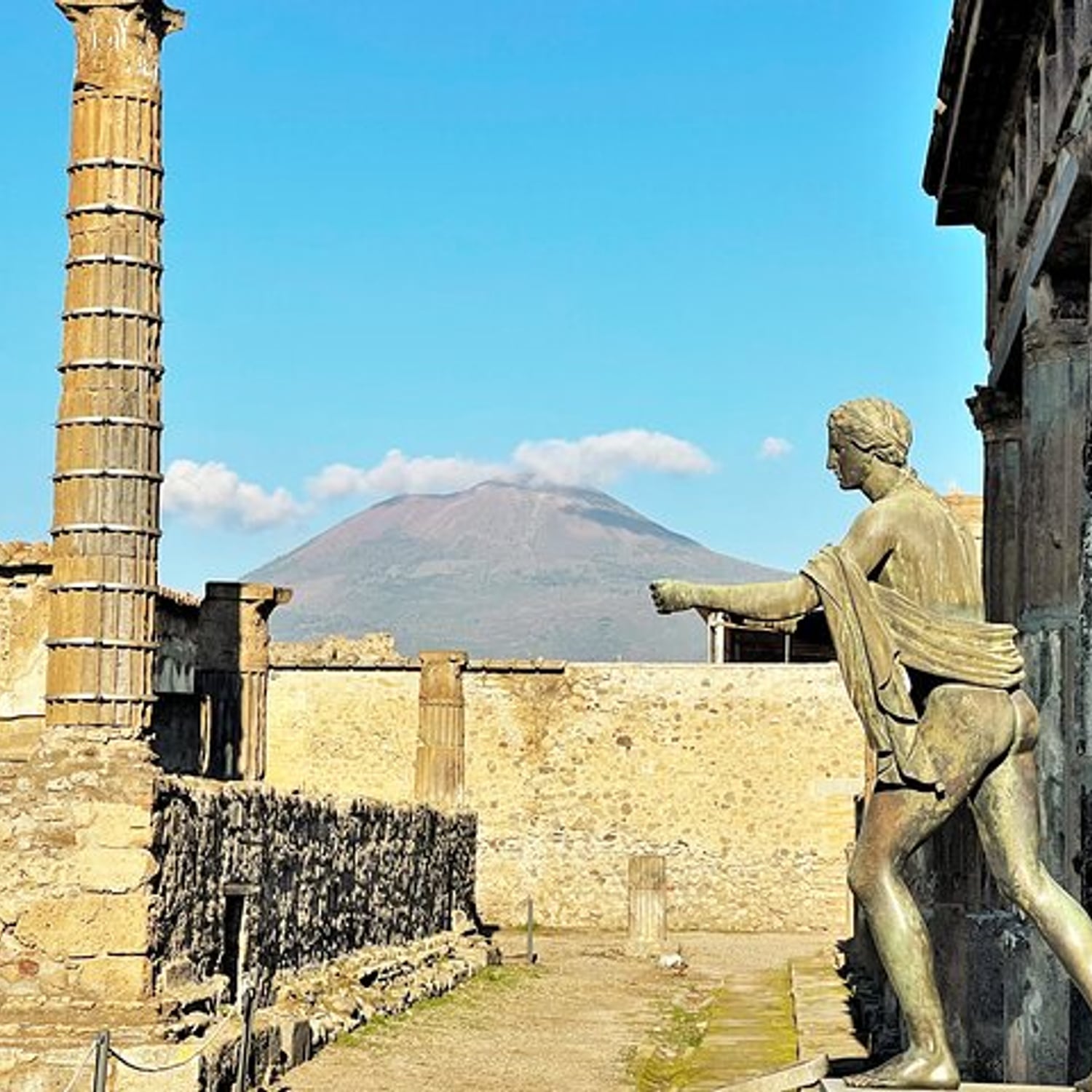
The Forum was the center of Pompeii's commercial, religious, and political life. A guide will point out the Temple of Jupiter, the Macellum (market), and the Basilica. They can explain how the space functioned as a pedestrian-only zone and how the various offices served the local administration.
The House of the Vettii and Domestic Grandeur
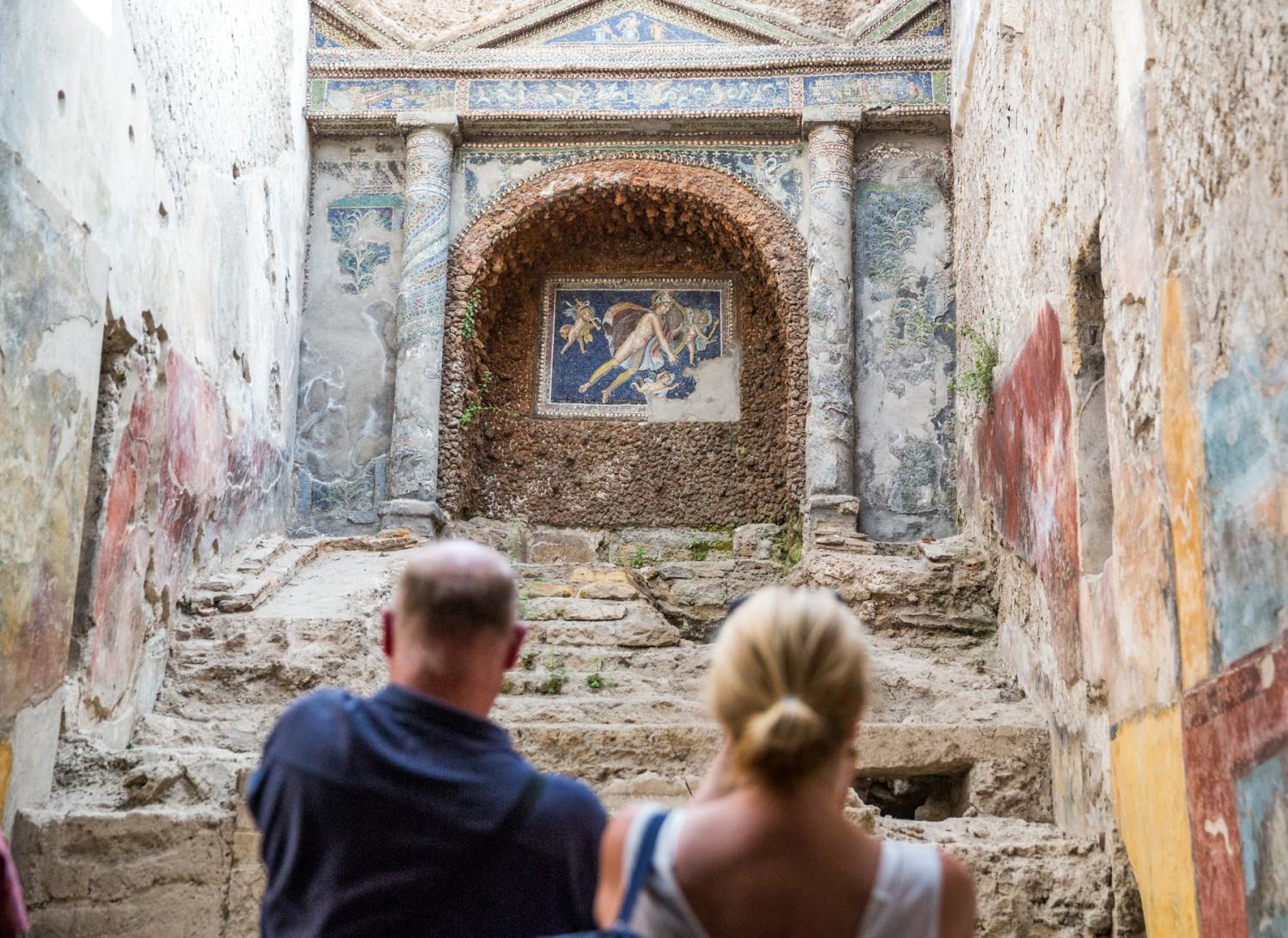
Recently reopened after extensive restoration, the House of the Vettii is a masterpiece of Roman art and architecture. A private tour allows for a detailed examination of the Fourth Style frescoes and the reconstructed peristyle garden. Your guide can interpret the mythological scenes depicted on the walls, which reflected the wealth and status of the owners, two former slaves who became successful merchants.
The Lupanar and Social History
The Lupanar is one of the most visited sites in Pompeii. Because it consists of small, cramped rooms, group tours can be overwhelming. A private guide can time your visit to avoid the largest crowds and provide a clinical, historical explanation of the erotic frescoes and the social realities of the individuals who worked there, separating myth from archaeological fact.
The Amphitheatre and the Palaestra
Located at the far end of the city, the Amphitheatre is the oldest surviving stone amphitheatre in the Roman world. A private tour often includes a walk through the "Great Palaestra," a massive exercise ground, where guides explain the importance of physical education and gladiatorial combat in Roman culture.
Cost Considerations and Tour Variations
Pricing for a private tour in 2026 varies based on duration, group size, and the guide's credentials. It is important to distinguish between "authorized guides" and "tour assistants." Always ensure your guide is licensed by the Region of Campania.
| Tour Type | Duration | Best For | Estimated Cost (2026) |
|---|---|---|---|
| Standard Private Highlights | 2 - 2.5 Hours | First-time visitors, families | €180 - €250 |
| Deep-Dive Archaeological | 4 - 5 Hours | History enthusiasts, students | €350 - €500 |
| Pompeii & Herculaneum | 6 - 7 Hours | Comparing the two distinct sites | €550 - €750 |
| Family-Oriented Tour | 2.5 Hours | Travelers with young children | €220 - €300 |
Note: Prices represent the guide's professional fee for the group and generally do not include entrance tickets (€18–€22 per person) or transportation.
Essential Preparations for the Day of the Tour
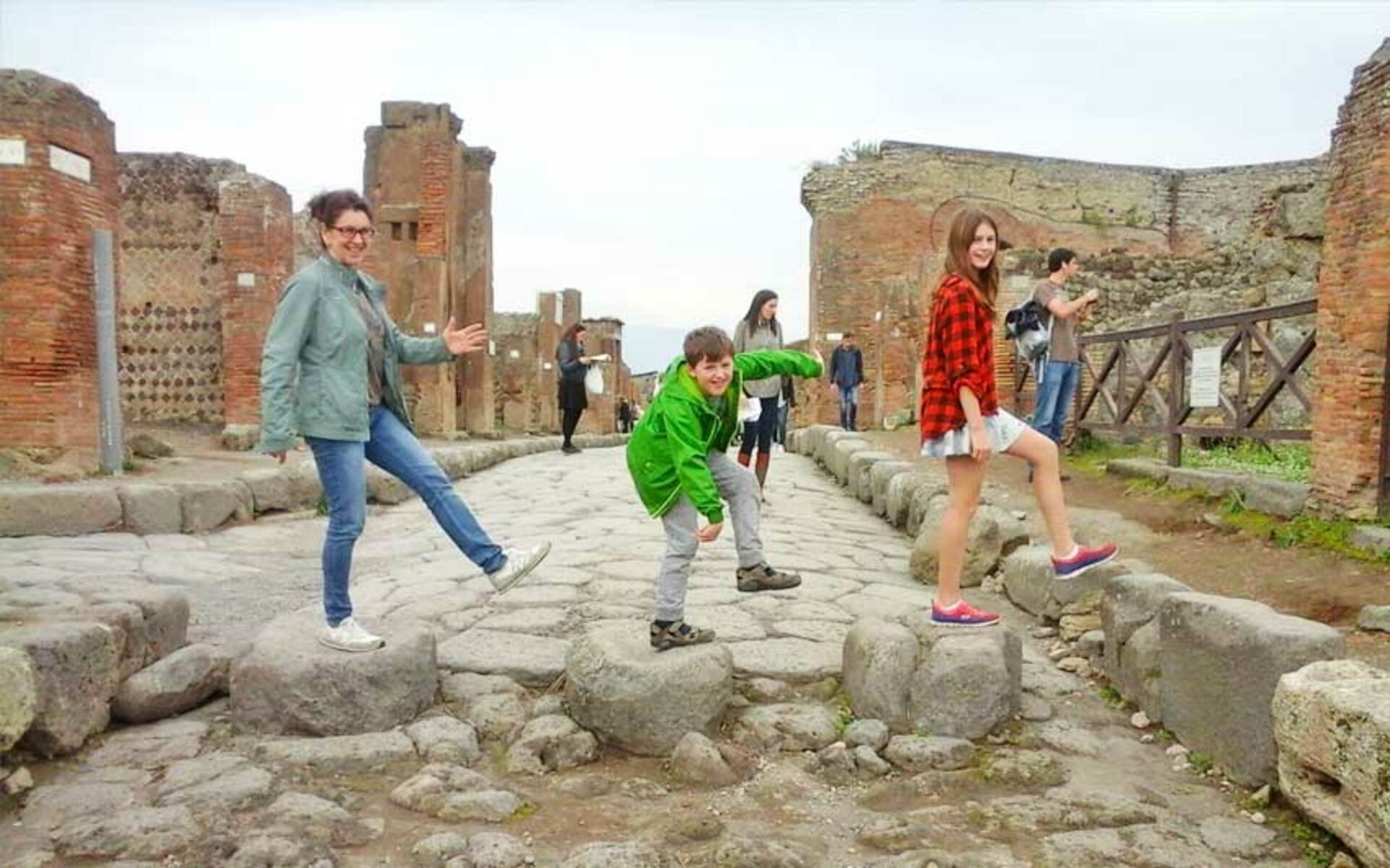
Walking through Pompeii is physically demanding. The streets are paved with original Roman basalt blocks, which are uneven and can be slippery.
- Footwear: Wear sturdy, closed-toe walking shoes or hiking sandals. Avoid flip-flops or high heels.
- Hydration: There are several ancient "nasoni" (water fountains) throughout the site providing potable water. Carry a reusable bottle to refill.
- Sun Protection: Even in the shoulder season, the Mediterranean sun is intense. Sunscreen, a wide-brimmed hat, and sunglasses are non-negotiable.
- Security: Only small bags (maximum 30x30x15 cm) are allowed inside the park. Large backpacks must be left at the free luggage office at the entrance.
Frequently Asked Questions
How long does a private tour of Pompeii take?
A standard private tour typically lasts between 2 and 3 hours. This is sufficient to see the main public buildings, a selection of private villas, and the plaster casts. However, for those interested in the outlying villas like the Villa of the Mysteries or the Amphitheatre, a 4-hour "extended" tour is recommended to avoid rushing.
Are private tours suitable for children?
Yes, many licensed guides specialize in family-friendly tours. They use storytelling, visual aids, and interactive elements to keep children engaged with the history without overwhelming them with dates and technical jargon. A private setting allows the guide to adapt to the child’s interest level and energy.
Can I book a guide at the entrance of Pompeii?
While there is a desk for authorized guides at the main entrances (Porta Marina), availability is not guaranteed, especially in 2026's busy tourist climate. Pre-booking online allows you to vet your guide’s reviews, confirm their English proficiency, and ensure they have the specific expertise you desire.
Is Pompeii wheelchair accessible?
Pompeii has made significant strides in accessibility with the "Pompeii for All" route. This path is approximately 3.5 km long and allows visitors with mobility issues to see key sites like the Forum and several villas. If you require an accessible route, it is vital to inform your private guide in advance so they can tailor the path to use the ramps and specially paved sections.
What is the difference between Pompeii and Herculaneum for a private tour?
Pompeii was a bustling commercial city, while Herculaneum was a wealthier, smaller residential town. Herculaneum was buried by pyroclastic flows, which preserved organic materials like wood and fabric better than the ash at Pompeii. A private tour of Pompeii offers scale and urban variety, while Herculaneum offers vertical preservation and intimacy.
Final Recommendation
For a meaningful visit in 2026, prioritize a 3-hour morning tour with a licensed archaeologist. By starting early, you secure the best light for photography and avoid the peak heat. Ensure you verify your guide's credentials through official platforms or reputable local agencies to guarantee an educational experience that adheres to the standards set by the UNESCO World Heritage Centre. Following your tour, consider spending an additional hour exploring the Antiquarium, the on-site museum that houses many of the portable artifacts found during excavations.
Image Gallery