Why the Self Cleaning Cat Litter Box Matters for Busy Owners
For busy cat owners, managing daily waste removal is a persistent chore that can disrupt demanding work schedules. A self-cleaning cat litter box matters because it automates waste scooping, controls odors, and reduces daily maintenanc...
For busy cat owners, managing daily waste removal is a persistent chore that can disrupt demanding work schedules. A self-cleaning cat litter box matters because it automates waste scooping, controls odors, and reduces daily maintenance time, allowing professionals to maintain a clean home environment without constant manual intervention.
Contents
The Modern Dilemma of Pet Ownership and Time Constraints
Balancing a demanding career, social obligations, and household responsibilities leaves little room for tedious daily chores. For cat owners, maintaining a traditional litter box requires consistent, twice-daily attention to prevent unpleasant odors, tracking, and unhygienic conditions that can deter a feline from using the box. When professionals work long hours or travel frequently, standard litter maintenance becomes a significant source of friction.
Modern pet care solutions have evolved to address these exact constraints. Automated appliances bridge the gap between providing optimal animal welfare and managing a high-stress human schedule. Understanding why these devices have gained traction requires examining the convergence of modern lifestyle pressures and advancements in pet technology.
The Hidden Time Cost of Traditional Litter Boxes
At first glance, scooping a litter box appears to take only a few minutes. However, the cumulative time investment and mental load are substantially higher than most owners realize.
- Daily Frequency: Experts recommend scooping a traditional box at least once or twice daily to keep the environment sanitary.
- Deep Cleaning Cycles: Beyond daily scooping, regular boxes require complete dumping, washing, and sanitizing every one to two weeks.
- Mental Fatigue: Remembering to perform these chores immediately after returning home from a exhausting workday adds unnecessary stress.
Automated systems absorb this repetitive labor. By shifting the cadence from multiple times a day to a periodic waste bag replacement—often only once a week for a single-cat household—owners reclaim valuable minutes and eliminate a persistent mental checklist item.
How Automated Litter Systems Operate
To appreciate the value of an automated appliance, it is necessary to look beneath the plastic housing and examine the mechanical principles involved. Manufacturers typically employ one of several distinct design frameworks to separate solid and liquid waste from clean litter.
Raking Mechanisms
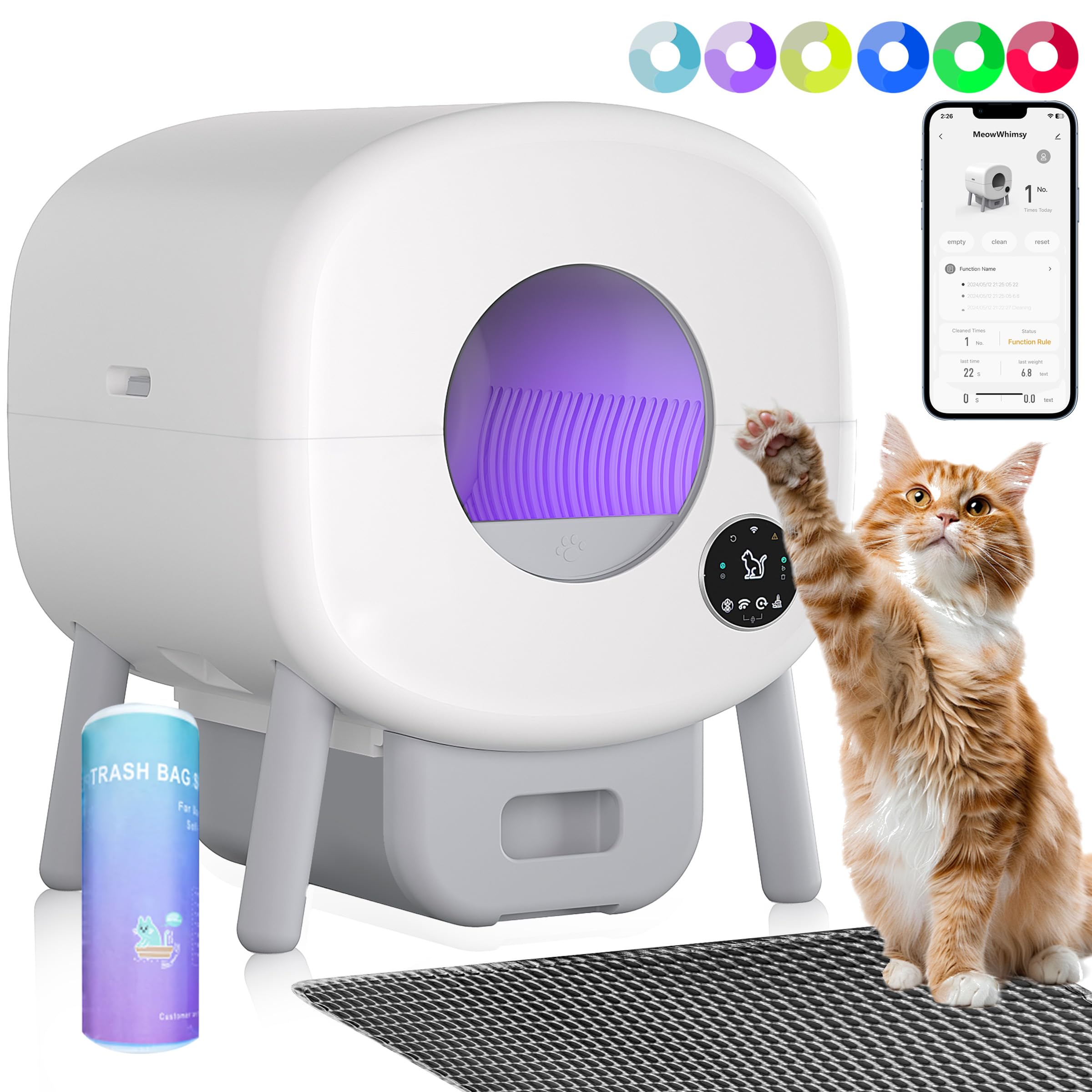
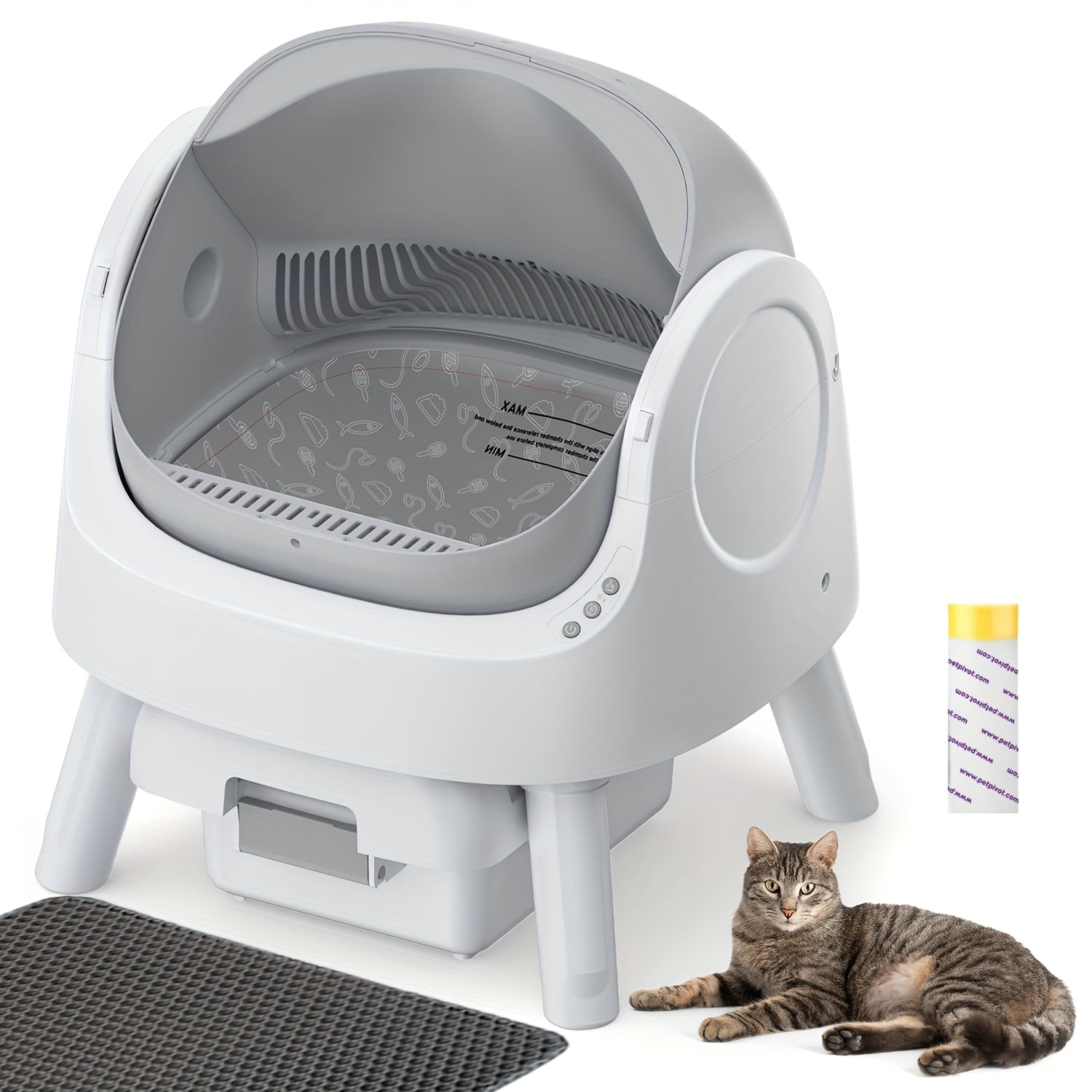
Rake-based systems utilize a motorized comb that sweeps across the litter bed at a preset interval after a cat exits the box.
- Delay Timer: Sensors detect when a cat enters and leaves, initiating a countdown timer (usually ranging from 5 to 20 minutes) to allow clumps to form.
- Comb Sweep: A mechanical rake passes through the crystal or clumping clay litter, pushing solid waste into a sealed compartment.
- Return Position: The rake returns to its home position, leaving the remaining clean litter smoothed out.
Sifting and Rotation Mechanisms
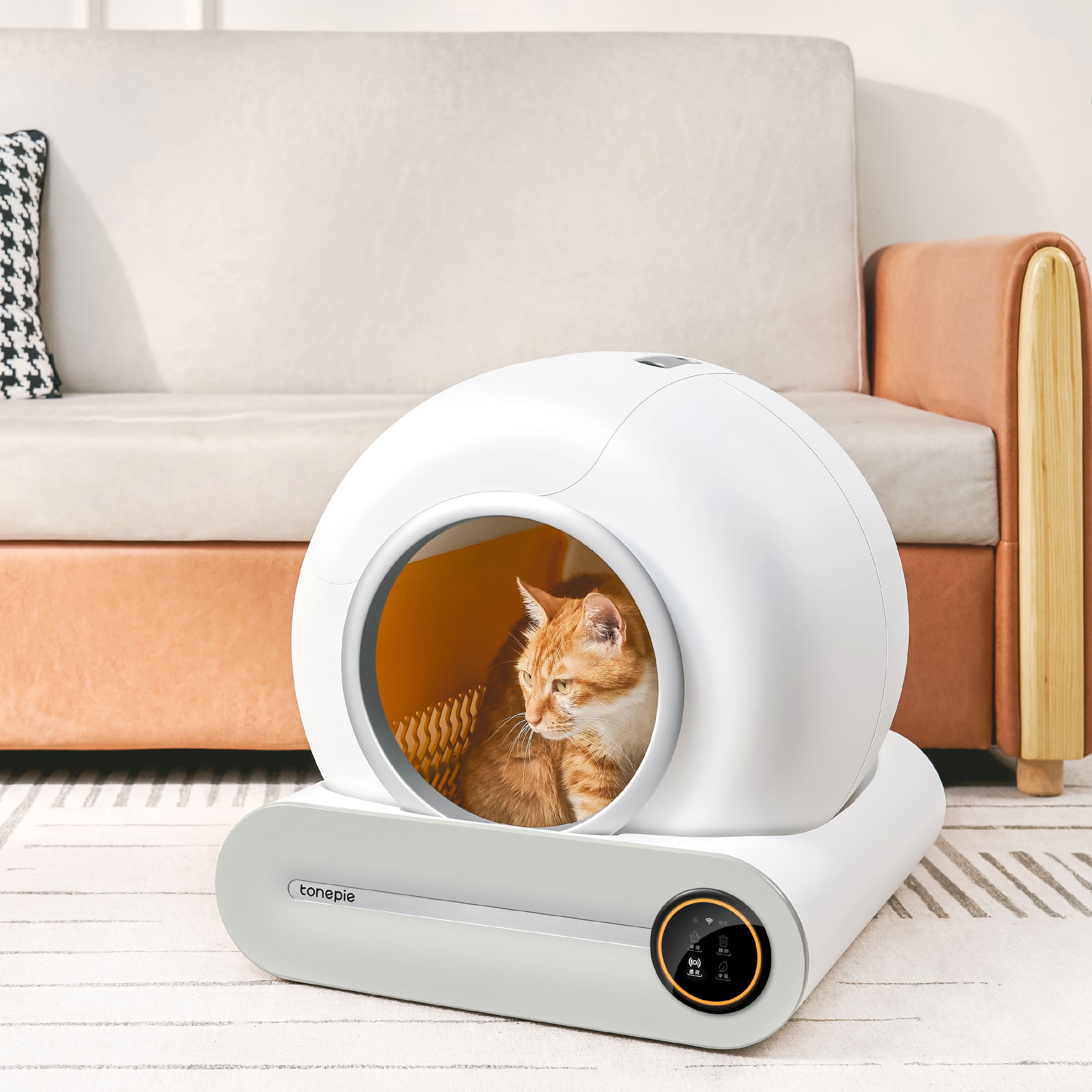
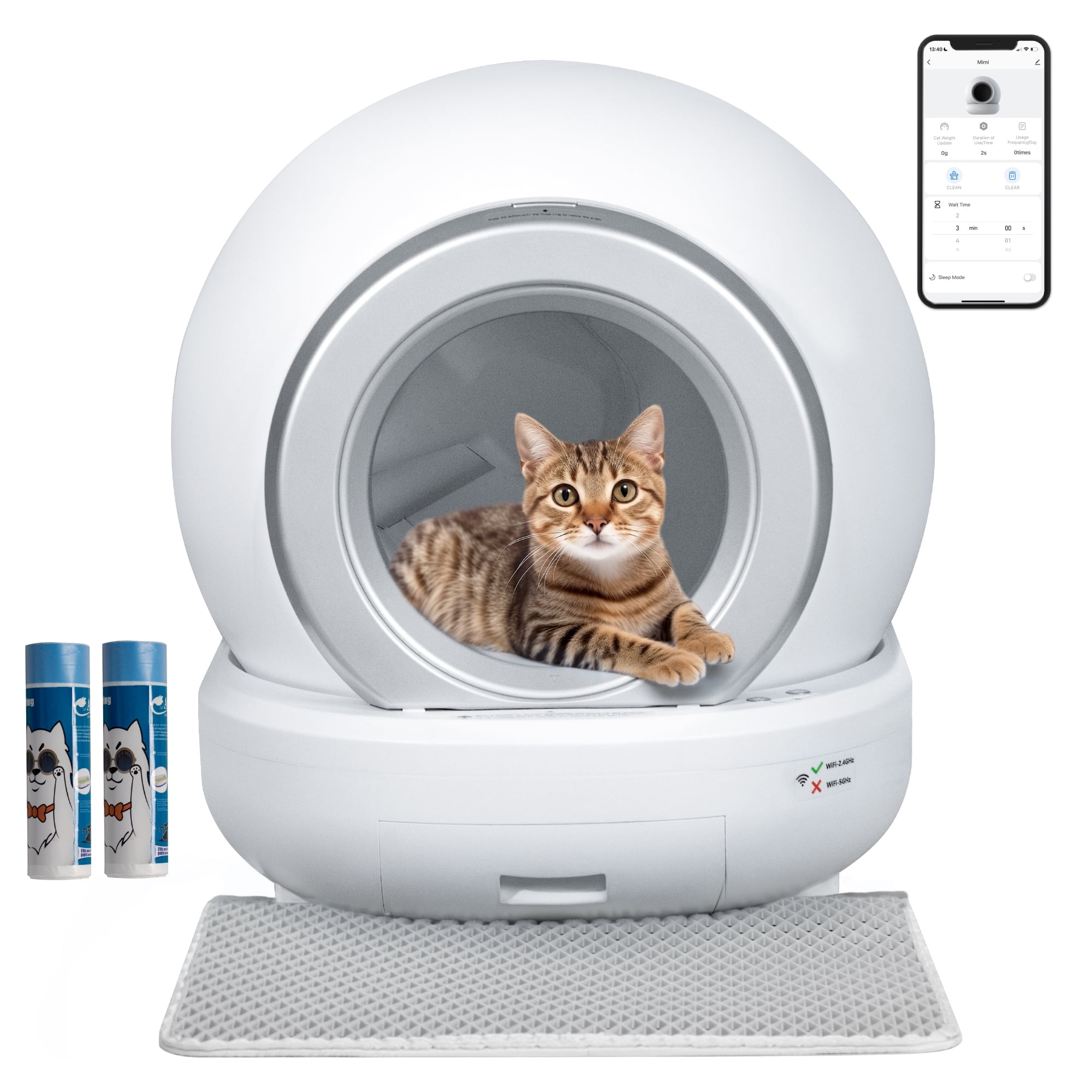
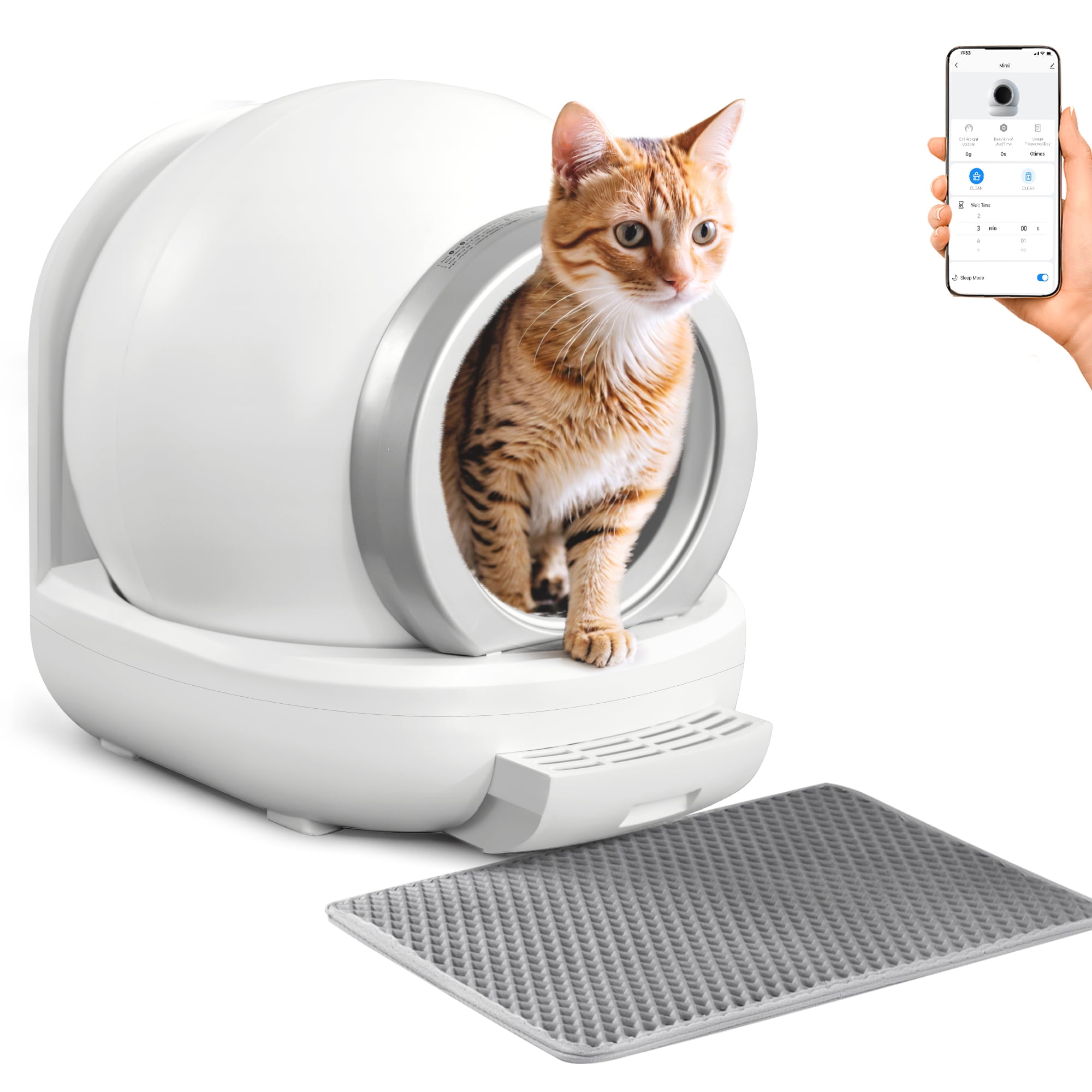
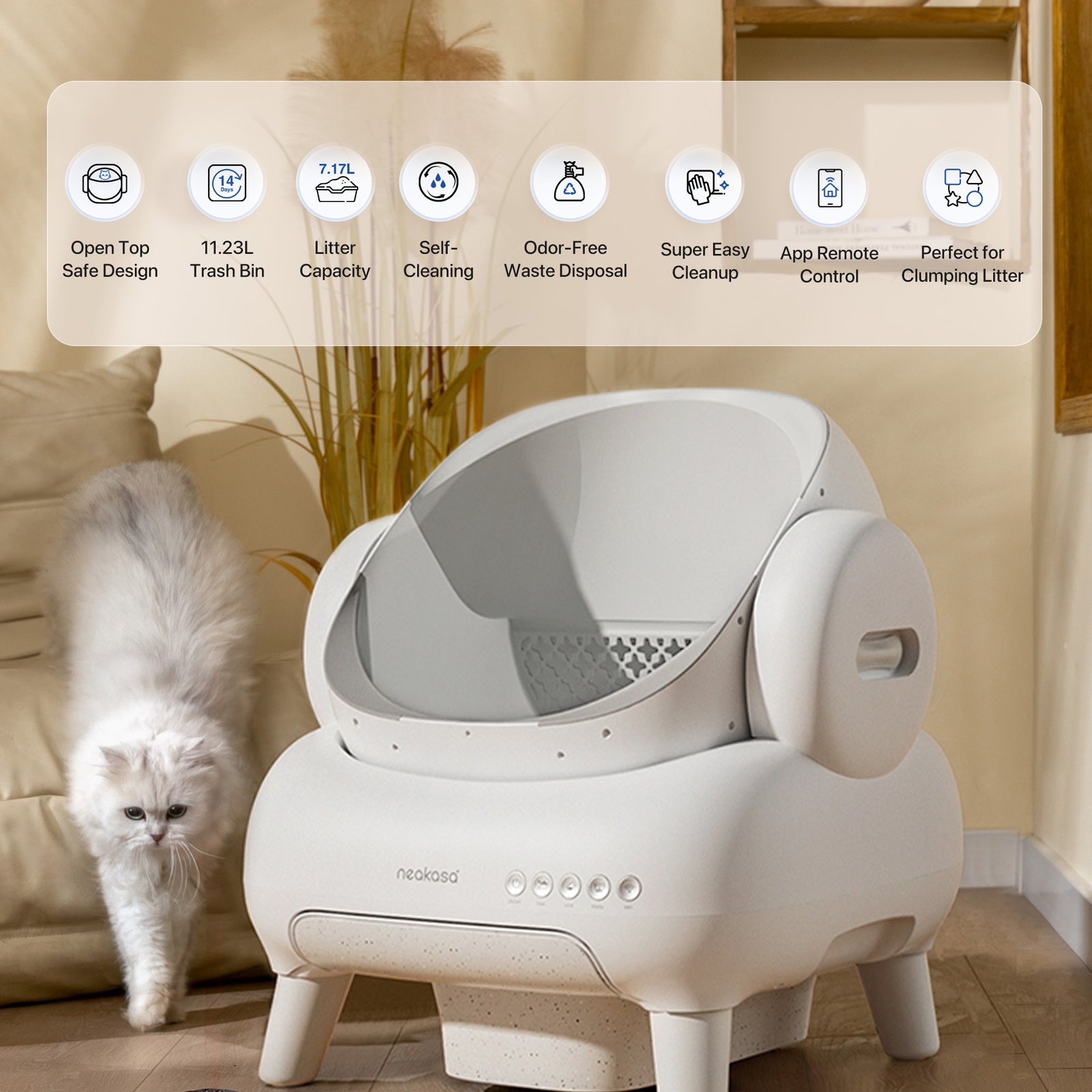
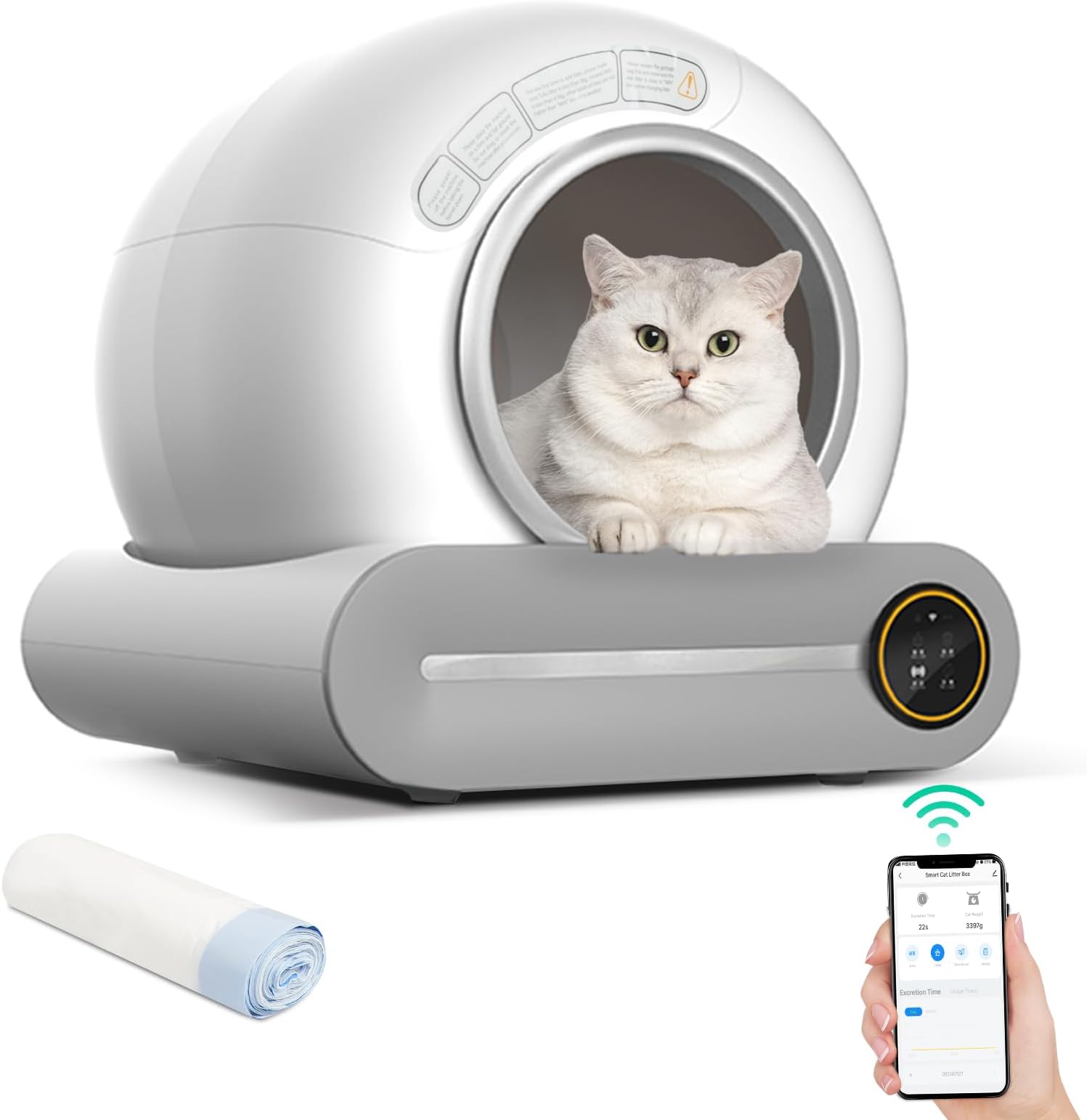
Rotational units rely on a gravity-fed sifting drum. The entire globe or cylinder rotates on an axis, passing the contents through an internal screen that catches solid waste while clean litter falls back into the main chamber. The waste is then funneled into a collection drawer at the base, which is lined with a standard waste bag.
| Feature Type | Rake-Based Systems | Rotational/Globe Systems |
|---|---|---|
| Litter Type Compatibility | Often requires specific silica crystals or fine-grain clay. | Works with most standard clumping clay litters. |
| Moving Parts Exposure | Rake mechanism moves across the surface; parts may require frequent cleaning. | Moving parts are largely enclosed outside the active litter chamber. |
| Footprint and Design | Typically rectangular, resembling a traditional box profile. | Usually spherical or dome-shaped, requiring a larger floor footprint. |
| Maintenance Interval | Waste receptacle emptied weekly; rake wiped down periodically. | Waste drawer emptied weekly to bi-weekly; globe wiped down during deep cleans. |
Health and Behavioral Impacts on Felines
Busy owners often worry that automated devices might stress their pets. However, when introduced correctly, self-cleaning litter boxes can actually improve feline health and hygiene.
Cats are notoriously clean animals. A dirty traditional litter box is one of the primary reasons felines begin eliminating outside the box. When an owner is working late or traveling, a neglected box quickly accumulates waste. Automated systems ensure that the cat steps into a pristine bed of litter every single time, drastically reducing the behavioral triggers associated with box avoidance.
Odor Control and Indoor Air Quality
Unmanaged cat waste releases ammonia and other volatile organic compounds into the indoor air. In modern apartments or compact homes, this odor can permeate living spaces quickly.
Self-cleaning units mitigate this issue through two primary methods:
- Rapid Isolation: By removing waste from the main living area into a sealed, carbon-filtered or tightly closed receptacle within minutes of use, the surface area of exposed waste is minimized.
- Reduced Humidity Exposure: Quick clumping and removal prevent urine from sitting openly in ambient air, which cuts down on bacterial breakdown and subsequent odor generation.
Financial Considerations and Long-Term Value
Investing in an automated appliance requires a significant upfront financial commitment compared to a ten-dollar plastic pan. Evaluating this purchase requires a cost-benefit analysis that extends beyond the initial retail price.
Upfront Costs versus Ongoing Expenses
While high-end automated boxes can range from several hundred dollars to over six hundred dollars, ongoing operational costs vary based on design requirements.
- Consumables: Some proprietary systems require specific waste drawer liners and brand-name crystal trays, introducing recurring subscription or purchase costs.
- Litter Efficiency: Many rotational units utilize sifting mechanisms that conserve clean litter more effectively than human hands, potentially reducing overall monthly clay consumption.
- Durability and Warranties: Premium units feature robust motors and safety sensors, backed by multi-year warranties that protect the investment against mechanical failure.
Safety Protocols and Engineering Safeguards
A common hesitation among prospective buyers is the fear that a mechanical device could activate while a cat is inside. Modern engineering addresses this concern through redundant safety architecture.
Infrared weight sensors, proximity detectors, and torque-sensitive motors ensure that any intrusion immediately halts the cleaning cycle. If a cat approaches or re-enters the device while a rotation or rake sweep is underway, the motor pauses and resets. This fail-safe design protects inquisitive kittens and adult cats alike, providing peace of mind for owners who are away from home during the day.
Practical Guidance for Busy Owners
Integrating a self-cleaning litter box into a household requires a thoughtful transition plan, especially for adult cats accustomed to traditional setups.
- Gradual Introduction: Place the new automated box next to the old traditional box for a week. Leave the automated box unplugged initially so the cat can explore it without mechanical movement.
- Litter Transition: Use the cat's familiar litter brand during the initial transition phase, even if the manufacturer recommends a specific type, switching gradually over several weeks.
- Placement Strategy: Position the unit near a power outlet and in a low-traffic area that offers the cat privacy while remaining accessible for routine waste bag disposal.
By bridging the gap between high-demand lifestyles and pet care requirements, automated litter systems allow busy owners to focus on enjoying their relationship with their pets rather than managing manual chores.
Frequently Asked Questions
Do self-cleaning litter boxes eliminate all daily maintenance?
No, while they automate the scooping process, owners still need to empty the waste drawer every few days to a week (depending on the number of cats) and wipe down the interior surfaces periodically during deep cleanings.
Will an automated litter box work with multiple cats?
Yes, many models are designed for multi-cat households. However, heavier traffic requires more frequent waste drawer emptying and may necessitate models with higher capacity or rapid-reset cycle times.
Are these units safe for kittens?
Most manufacturers recommend waiting until a kitten reaches a specific weight threshold (usually around 3 to 5 pounds) before activating automatic cycles, as lightweight kittens may not trigger weight sensors correctly.
Do I need to buy special litter?
It depends on the model. Rake-based systems often require specific crystal or fine-grain litters, while globe-style rotational units generally accept standard clumping clay litters.
What happens if the power goes out?
Most automated units feature battery backups or mechanical designs that fail safe, ensuring the box remains accessible to the cat even if the motorized cleaning cycle is temporarily disabled.
Image Gallery